
Manifestation of Shame Part 1: The Unfaithful
Keyword definitions:
Shame: a self-perception of being unacceptable that overwhelms the nervous system when triggered by emotional distress. Shame is associated with judgment, comparison, social isolation, impaired empathy, and self-harm.
Guilt: an experience of regret or remorse that can lead the individual to take reparative actions for their behavior. Guilt is associated with sadness, repair, and is relational by nature.
"I just want to talk about the affair, but you just get angry at me or dismiss what I am going through."
"I just want to talk about what I'm feeling, but it is like you aren't even here."
"Your voice sounds robotic, and it seems like you don't care."
These are a few examples of what my wife would say at times during our recovery, especially during the early phases…
Continue reading →
Can We Believe Again? Part 2: Reinforced Walls
 My emotional walls went up when his affair began, and had been reinforced from all the deception and mistrust. There was no easy way to sandblast them down; instead, they were chipped away as trust was built - trust in him and trust in myself. I didn’t trust myself anymore after having “allowed” everything that happened. I felt stupid and weak for not having done more to catch him in his lies, stop the affair, and protect myself. His repeated false reassurances (more on those later) only reinforced the walls.
I felt very guilty about this for a long time.
He demonstrated in many ways that he is now a very trustworthy man. So I shamed myself for not just dropping my defenses, but it didn't matter - I just couldn’t let him get too close. I was continually guarded, waiting for the next shoe to drop. If it took so long for him to admit the affair even happened, if I waited it out I might get more truth, right?
My counselor helped me understand that my defenses were put in place at a time I needed them. They served a purpose and protected me, and I should not be mad at myself for doing what I needed to do. I should appreciate my gut response (that even now continues to remind me of potential danger), for protecting me when I needed it, but I also need to stop bashing myself for developing necessary and healthy defenses at a time when it was critically needed. Taking down those walls is hard and that is where I am now, but not blaming myself and feeling like a failure/loser/whatever for not easily dropping those defenses is crucial for my well-being. I don't do this well at all. The more I talk to my counselor, the more she normalizes me having a hard time letting the defenses go. Maybe that will help you; I don't know. We are all dealing with competing realities of betrayal recovery and trying to sort it all out on some level.
“Honesty is the highest form of intimacy." ~Nicole LePera
Why do they lie?
So why do people lie? It isn’t always what it seems. Lying creates power and control over a situation. If I lie to you about something, you are unable to make an accurate assessment, so I am essentially controlling your reality. Yes, it is manipulative and hurtful, but it may not have the intentionality we might assign to it.
It feels like my husband intentionally manipulated and controlled me to ensure the affair could continue uninterrupted. The lies and cover ups were deliberate ways to ensure I had no autonomy to make good decisions about our marriage or my own well being. He and his AP both had to know that, but it seemed that my life was not as important as their ability to maintain the freedom to continue the affair.
After D-day when I presented my perceptions to my husband, he saw it very differently and said he was not intentionally manipulative like that. Yes, of course he was intentionally lying to protect his secret, but not with the conscious purpose of robbing me of freedom. He never thought it through that far. The lies were basically a response to each immediate threat of being found out. Just kicking that can down the road until another lie was needed to keep the cover up intact.
People generally lie to avoid consequences. When they lie, it turns away the focus so they don't have to really face - and feel - what they're doing, and who they really are. It protects their image, not only to others, but to themselves. It is more than just wanting to deceive others, it's also about deceiving themselves. By keeping things hidden they don’t see the pain they are causing, so it’s easy to convince themselves they aren’t actually hurting anyone. Most unfaithful partners justify their behaviors to feel better about what they are doing. Often, they tell themselves they are lying to spare their partner from pain, so it is ok or even noble. Over time the behaviors become normalized and seem less harmful - it is no longer shocking to lie, so it gets easier and more routine. The reality, of course, is that deception is not about sparing the feelings of the betrayed partner, it is about avoiding consequences and controlling the situation.
People cheating in their marriage also lie to avoid risking something they don’t want to lose. I found numerous examples to support the irony that they often lie because the marriage is important. It sounds crazy, but if they didn’t want to preserve the marriage, they would probably just openly admit the betrayal, leave, and move on. Right? There are exceptions, of course. There are people who have different motives and then there are actual sociopaths, but most who lie are doing so to avoid losing something they value - even though the actions they are taking certainly don’t convey value at all. From my perspective as a betrayed spouse, it certainly felt like my husband was willing to risk our marriage and family because it had no value, but he wasn’t. Ironically, he lied because he didn’t want to lose it. He didn’t want to change his “real” life for the AP; otherwise, he would have just gone ahead and done so.
Thank you for reading Part 2. I hope this series has provided validation for the experience of the betrayed spouse and perspectives to consider about deceit. Last up is Part 3 where I will close out the series and discuss more of the distorted thinking that can perpetuate deception, as well as the echoes that can linger in the betrayed spouse as a result.
Can We Believe Again? Part 1: Crying Wolf
Can We Believe Again? Part 3: Maintaining Status Quo
My emotional walls went up when his affair began, and had been reinforced from all the deception and mistrust. There was no easy way to sandblast them down; instead, they were chipped away as trust was built - trust in him and trust in myself. I didn’t trust myself anymore after having “allowed” everything that happened. I felt stupid and weak for not having done more to catch him in his lies, stop the affair, and protect myself. His repeated false reassurances (more on those later) only reinforced the walls.
I felt very guilty about this for a long time.
He demonstrated in many ways that he is now a very trustworthy man. So I shamed myself for not just dropping my defenses, but it didn't matter - I just couldn’t let him get too close. I was continually guarded, waiting for the next shoe to drop. If it took so long for him to admit the affair even happened, if I waited it out I might get more truth, right?
My counselor helped me understand that my defenses were put in place at a time I needed them. They served a purpose and protected me, and I should not be mad at myself for doing what I needed to do. I should appreciate my gut response (that even now continues to remind me of potential danger), for protecting me when I needed it, but I also need to stop bashing myself for developing necessary and healthy defenses at a time when it was critically needed. Taking down those walls is hard and that is where I am now, but not blaming myself and feeling like a failure/loser/whatever for not easily dropping those defenses is crucial for my well-being. I don't do this well at all. The more I talk to my counselor, the more she normalizes me having a hard time letting the defenses go. Maybe that will help you; I don't know. We are all dealing with competing realities of betrayal recovery and trying to sort it all out on some level.
“Honesty is the highest form of intimacy." ~Nicole LePera
Why do they lie?
So why do people lie? It isn’t always what it seems. Lying creates power and control over a situation. If I lie to you about something, you are unable to make an accurate assessment, so I am essentially controlling your reality. Yes, it is manipulative and hurtful, but it may not have the intentionality we might assign to it.
It feels like my husband intentionally manipulated and controlled me to ensure the affair could continue uninterrupted. The lies and cover ups were deliberate ways to ensure I had no autonomy to make good decisions about our marriage or my own well being. He and his AP both had to know that, but it seemed that my life was not as important as their ability to maintain the freedom to continue the affair.
After D-day when I presented my perceptions to my husband, he saw it very differently and said he was not intentionally manipulative like that. Yes, of course he was intentionally lying to protect his secret, but not with the conscious purpose of robbing me of freedom. He never thought it through that far. The lies were basically a response to each immediate threat of being found out. Just kicking that can down the road until another lie was needed to keep the cover up intact.
People generally lie to avoid consequences. When they lie, it turns away the focus so they don't have to really face - and feel - what they're doing, and who they really are. It protects their image, not only to others, but to themselves. It is more than just wanting to deceive others, it's also about deceiving themselves. By keeping things hidden they don’t see the pain they are causing, so it’s easy to convince themselves they aren’t actually hurting anyone. Most unfaithful partners justify their behaviors to feel better about what they are doing. Often, they tell themselves they are lying to spare their partner from pain, so it is ok or even noble. Over time the behaviors become normalized and seem less harmful - it is no longer shocking to lie, so it gets easier and more routine. The reality, of course, is that deception is not about sparing the feelings of the betrayed partner, it is about avoiding consequences and controlling the situation.
People cheating in their marriage also lie to avoid risking something they don’t want to lose. I found numerous examples to support the irony that they often lie because the marriage is important. It sounds crazy, but if they didn’t want to preserve the marriage, they would probably just openly admit the betrayal, leave, and move on. Right? There are exceptions, of course. There are people who have different motives and then there are actual sociopaths, but most who lie are doing so to avoid losing something they value - even though the actions they are taking certainly don’t convey value at all. From my perspective as a betrayed spouse, it certainly felt like my husband was willing to risk our marriage and family because it had no value, but he wasn’t. Ironically, he lied because he didn’t want to lose it. He didn’t want to change his “real” life for the AP; otherwise, he would have just gone ahead and done so.
Thank you for reading Part 2. I hope this series has provided validation for the experience of the betrayed spouse and perspectives to consider about deceit. Last up is Part 3 where I will close out the series and discuss more of the distorted thinking that can perpetuate deception, as well as the echoes that can linger in the betrayed spouse as a result.
Can We Believe Again? Part 1: Crying Wolf
Can We Believe Again? Part 3: Maintaining Status Quo
My emotional walls went up when his affair began, and had been reinforced from all the deception and mistrust. There was no easy way to sandblast them down; instead, they were chipped away as trust was built - trust in him and trust in myself. I didn’t trust myself anymore after having “allowed” everything that happened. I felt stupid and weak for not having done more to catch him in his lies, stop the affair, and protect myself. His repeated false reassurances (more on those later) only reinforced the walls.
I felt very guilty about this for a long time.
He demonstrated in many ways that he is now a very trustworthy man. So I shamed myself for not just dropping my defenses, but it didn't matter - I just couldn’t let him get too close. I was continually guarded, waiting for the next shoe to drop. If it took so long for him to admit the affair even happened, if I waited it…
Continue reading →
Caring for Your Body After Betrayal Is Essential - Part 2
View Part 1 here.
Hi, I'm Rachel, and this is part two of my series around caring for your body during your recovery from infidelity/cheating, which is an essential but often overlooked part of this journey. In the last video, I talked about the impact of stress and trauma on our bodies and how it can throw everything from our appetite to our sleep patterns to our immune systems off the rails.
Today in part two of this video series, I want to share specific ways and easy tips for caring for yourself and supporting your body during this difficult time.
I can remember in the days, weeks, and months after my D-Day just how badly the intrusive thoughts would slam into my mind at random times during the day and I would not be able to catch my breath.
I can remember sharing this with my therapist and having her…
Continue reading →
Shame: The Two Sides of the Coin - Side 1: The Unfaithful Spouse
Imagine you walk in the door to your house. You hear a noise coming from upstairs… sounds like chewing and tearing. You go to investigate and discover the source of the sound is your dog eating your brand-new shoes! You give your dog the appropriate scolding and send him on his way while you survey the damage to your kicks. Your dog gives you the saddest puppy eyes as he skulks from the room.
Fast forward a few hours… your dog is cozied up next to you on the couch while you watch your favorite television programs. At bedtime, he takes his prized position at the foot of your bed when you settle in for the night. You give him a loving pat on the head and wish him a good night, as is your routine every evening.
Wait. Didn’t Fido eat your new favorite shoes a mere four hours ago? Those were expensive! He has wronged you! Doesn’t he feel badly about what he did? Doesn…
Continue reading →
Recovery Work: What Is It and What Does It Look Like?
Let’s talk today about recovery work, what it looks like, and why it’s so darn important.
I’m going to give it to you straight…I’m going to assume if you’re reading this article or watching this video, that either you, or your partner, pulled a pin, and tossed a grenade into your life. You’re standing in the rubble, assessing the damage, wishing, hoping, praying, this was all just a nightmare. I’ve been there….and I know…. It’s a living hell.
The crushing reality is that the trauma that has been caused by infidelity isn’t just a jail sentence that we can just wait out until the crippling pain and anger subside.
The passing of time, in itself, isn’t enough to combat the magnitude of what we’re dealing with here. It’s about what we choose to do with the time that is going to make all the difference in our future. Time does not heal all wounds.
I’d like to…
Continue reading →
Test Page LC1
Link to test clicking
Test Page LC1
Programs and Courses
document.write('Hello World');
window.dataLayer = window.dataLayer || [];
dataLayer.push({ ecommerce: null }); // Clear the previous ecommerce object.
dataLayer.push({
event: "purchase",
ecommerce: {
transaction_id: "test1_trans_id",//"[order id merge tag]"
value: 0.01,
tax: 0.00,
shipping: 0.00,
currency: "USD",
// coupon: "example_coupon",
items: [
{
item_id: "test_sku", //"hh_1_or_3"
item_name: "Test Name",//"Harboring Hope"
// coupon: "example_coupon",
// discount: 0,
index: 0,
// item_variant: "green",
// location_id: "ChIJIQBpAG2ahYAR_6128GcTUEo",
price: 0.01,
quantity: 1
}]
}
});
Link to test clicking
Test Page LC1
Programs and Courses
document.write('Hello World');
window.dataLayer = window.dataLayer || [];
dataLayer.push({ ecommerce: null }); // Clear the previous ecommerce object.
dataLayer.push({
event: "purchase",
ecommerce: {
transaction_id: "test1_trans_id",//"[order id merge tag]"
value: 0.01,
tax: 0.00,
shipping: 0.00,
currency: "USD",
// coupon: "example_coupon",
items: [
{
item_id: "test_sku", //"hh_1_or_3"
item_name: "Test Name",//"Harboring Hope"
// coupon: "example_coupon",
// discount: 0,
index: 0,
// item_variant: "green",
// location_id: "ChIJIQBpAG2ahYAR_6128GcTUEo",
price: 0.01,
quantity: 1
}]
}
});
Continue reading →
Caring for Your Body after Betrayal Is Essential - Part 1

Because the body is (at least in part) the location of our trauma—the body must also be a location of healing.
~Aundi Kolber
About a year after discovering my husband's affair, my body started to capsize under relentless waves of sickness. An illness would hit. I'd recover and feel decent for a few months. Then, another surge of sickness would seek to drown me again.
My husband had betrayed me, but now my body seemed to be doing the same.
I began to understand firsthand that infidelity's impact on a person could be more nuanced and complex than I had initially realized. The thing was, I had done many things "right" when I started my recovery.
Prayer and journaling became my lifelines. Finding outside support also saved me early on in my journey. My Harboring Hope group provided me the…
Continue reading →
Triggers: What's Your Strategy
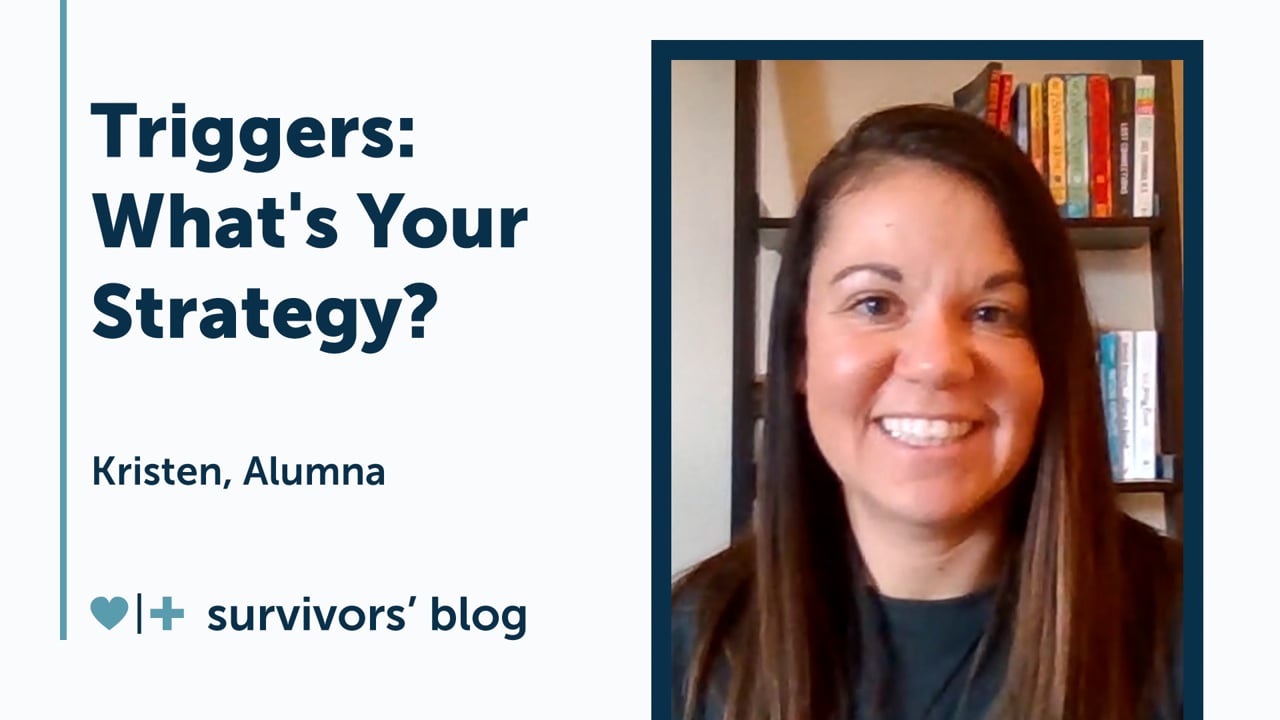
Post infidelity, I found myself in a new world filled with all sorts of triggers. Not only would reminders from my marriage and husband trigger me, but I was also triggered by reminders of my AP.
One notable occasion was a breakdown at a diner. The waitress asked, "what type of toast would you like? We have white, wheat, rye, and sourdough." Sourdough bread. Did she just mention sourdough bread? Memories related to sourdough bread rush to the forefront of my mind. Immediately, I'm cascading down a shame and grief spiral and can no longer hear what the waitress is saying, let alone respond. My mood instantly turns dark, and I am flooded with negative thoughts. I'm quickly reminded of the tumultuous ocean my life has become since D-Day; the pain so great that I'm unsure how to continue to bear it.
Hoping she doesn't notice my complete descent into misery, I…
Continue reading →
Can We Believe Again? Part 1: Crying Wolf
 "The saddest thing about betrayal is that it never comes from your enemies, it comes from those you trust the most." ~Author Unknown
You are probably familiar with the fable of the Boy Who Cried Wolf. The tale concerns a shepherd boy who intentionally and repeatedly fools villagers into believing a wolf is attacking the town's flock of sheep. He cries, “Wolf! Wolf!” to watch them all come running, but they arrive to find there is no wolf. He does this several times, and eventually, when an actual wolf appears, the boy calls for them in a panic. By this time the villagers no longer believe him so they don’t come, and the sheep are eaten by the wolf. After hearing the same phony claims again and again, no one believed the boy when he was finally telling the truth. He had knowingly told the same lie several times before, but it still seemed to come as a genuine surprise to him when the villagers didn’t believe him when the story he told was actually true.
This fable speaks to the complicated and frustrating experience for both spouses after the discovery of betrayal. For the unfaithful spouse, he or she KNOWS when they ARE telling the truth and probably feels hurt and exasperated that they are doubted or continue to not be believed during the healing process. After all, they knew when they were lying, and they also know that now they’re actually telling the truth, so it should be enough, right?
The betrayed spouse is understandably guarded after the revelation of infidelity, and speaking from my experience, I refused to be fooled again. So even if I really wanted to believe him, my gut reminded me of all the lies I had heard, and that he was not to be trusted. It’s a very difficult place to be for both parties, and it takes time and understanding to even begin to find some middle ground.
Understanding why this is so hard was helpful for me to cut myself some slack for my unrelenting guardedness and skepticism. As always, my experience is mine, and does not represent all betrayed spouses or situations. It may not be relevant to everyone, but if it rings true for you, maybe you can find something that is helpful.
My husband’s long term affair ended 10 years prior to his eventual admission. I had been asking him for years to tell me the truth, but he continued to lie to me over and over again. When I finally got the truth, it was a mix of feelings. I always knew in my heart he had an affair, but was still hoping I had been wrong. I fought an internal battle all those years to convince myself I was overreacting, and that I should believe him, since he had very convincingly told me dozens of times that I was just paranoid. But it turns out I was right the whole time.
Once the truth was finally out on D-day, it was all out. To his credit, once he decided to confess he held nothing back, he told me some very hard truths, and did not try to justify his actions. However, in doing so, he seemed to feel I would just automatically believe everything he said now that he had finally decided to tell the truth. This was after intentionally lying to me for more than a decade - over half of our marriage at that point in time. After all, he knew he was finally telling the full truth. He knew he never intended to lie to me again, no matter the repercussions. But I had been on the receiving end of so many lies, for so many years. So now, I wanted to believe him; I really did, and sometimes I was able to, but some things were just a no-go for me. The ambivalence was intense, and there were elements about the affair and the affair partner (AP) that I just didn’t believe, no matter how many times he said it, and how emphatic he was. Too many lies for too long had made it hard to believe anything.
It confused me because at my core, I really believed he was finally telling me the truth. So why did I still have doubts? He was hurt that I didn’t trust him. He is entitled to his feelings and I tried to empathize, but the reality was, I didn’t trust him because he had proven not to be trustworthy.
So where do we go from here? I hope you will join me for Part 2 to continue the conversation about the impact of deception and why it is so hard to overcome.
“If you tell the truth it becomes your past.If you tell a lie it becomes your future.” ~ Anne Bercht
Can We Believe Again? Part 2: Reinforced Walls
"The saddest thing about betrayal is that it never comes from your enemies, it comes from those you trust the most." ~Author Unknown
You are probably familiar with the fable of the Boy Who Cried Wolf. The tale concerns a shepherd boy who intentionally and repeatedly fools villagers into believing a wolf is attacking the town's flock of sheep. He cries, “Wolf! Wolf!” to watch them all come running, but they arrive to find there is no wolf. He does this several times, and eventually, when an actual wolf appears, the boy calls for them in a panic. By this time the villagers no longer believe him so they don’t come, and the sheep are eaten by the wolf. After hearing the same phony claims again and again, no one believed the boy when he was finally telling the truth. He had knowingly told the same lie several times before, but it still seemed to come as a genuine surprise to him when the villagers didn’t believe him when the story he told was actually true.
This fable speaks to the complicated and frustrating experience for both spouses after the discovery of betrayal. For the unfaithful spouse, he or she KNOWS when they ARE telling the truth and probably feels hurt and exasperated that they are doubted or continue to not be believed during the healing process. After all, they knew when they were lying, and they also know that now they’re actually telling the truth, so it should be enough, right?
The betrayed spouse is understandably guarded after the revelation of infidelity, and speaking from my experience, I refused to be fooled again. So even if I really wanted to believe him, my gut reminded me of all the lies I had heard, and that he was not to be trusted. It’s a very difficult place to be for both parties, and it takes time and understanding to even begin to find some middle ground.
Understanding why this is so hard was helpful for me to cut myself some slack for my unrelenting guardedness and skepticism. As always, my experience is mine, and does not represent all betrayed spouses or situations. It may not be relevant to everyone, but if it rings true for you, maybe you can find something that is helpful.
My husband’s long term affair ended 10 years prior to his eventual admission. I had been asking him for years to tell me the truth, but he continued to lie to me over and over again. When I finally got the truth, it was a mix of feelings. I always knew in my heart he had an affair, but was still hoping I had been wrong. I fought an internal battle all those years to convince myself I was overreacting, and that I should believe him, since he had very convincingly told me dozens of times that I was just paranoid. But it turns out I was right the whole time.
Once the truth was finally out on D-day, it was all out. To his credit, once he decided to confess he held nothing back, he told me some very hard truths, and did not try to justify his actions. However, in doing so, he seemed to feel I would just automatically believe everything he said now that he had finally decided to tell the truth. This was after intentionally lying to me for more than a decade - over half of our marriage at that point in time. After all, he knew he was finally telling the full truth. He knew he never intended to lie to me again, no matter the repercussions. But I had been on the receiving end of so many lies, for so many years. So now, I wanted to believe him; I really did, and sometimes I was able to, but some things were just a no-go for me. The ambivalence was intense, and there were elements about the affair and the affair partner (AP) that I just didn’t believe, no matter how many times he said it, and how emphatic he was. Too many lies for too long had made it hard to believe anything.
It confused me because at my core, I really believed he was finally telling me the truth. So why did I still have doubts? He was hurt that I didn’t trust him. He is entitled to his feelings and I tried to empathize, but the reality was, I didn’t trust him because he had proven not to be trustworthy.
So where do we go from here? I hope you will join me for Part 2 to continue the conversation about the impact of deception and why it is so hard to overcome.
“If you tell the truth it becomes your past.If you tell a lie it becomes your future.” ~ Anne Bercht
Can We Believe Again? Part 2: Reinforced Walls
"The saddest thing about betrayal is that it never comes from your enemies, it comes from those you trust the most." ~Author Unknown
You are probably familiar with the fable of the Boy Who Cried Wolf. The tale concerns a shepherd boy who intentionally and repeatedly fools villagers into believing a wolf is attacking the town's flock of sheep. He cries, “Wolf! Wolf!” to watch them all come running, but they arrive to find there is no wolf. He does this several times, and eventually, when an actual wolf appears, the boy calls for them in a panic. By this time the villagers no longer believe him so they don’t come, and the sheep are eaten by the wolf. After hearing the same phony claims again and again, no one believed the boy when he was finally telling the truth. He had knowingly told the same lie several times before, but it still seemed to come as a genuine…
Continue reading →
Songs for the Soul | Self Care
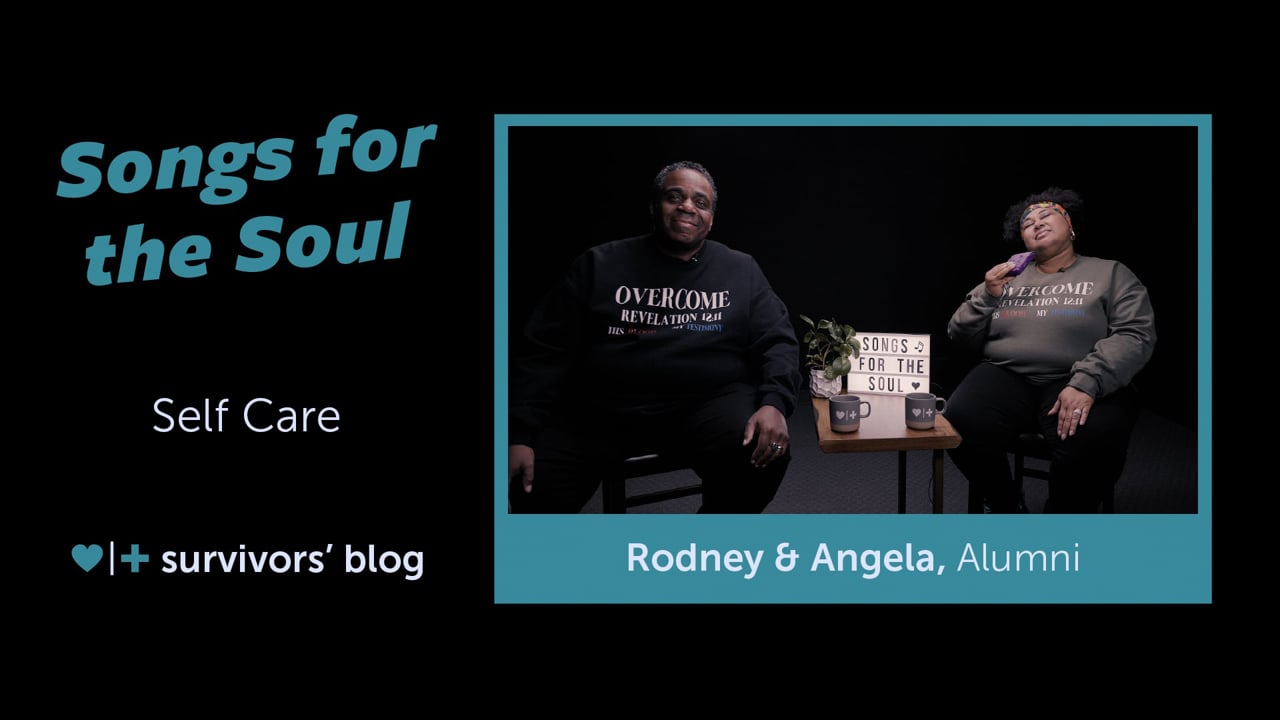
Let’s sing a fun, creative, and original song about self care (and discuss it too)! Rodney and Angela in this episode discuss the importance of self care, from the small things to the large. When your life is blown up from infidelity, self care is essential to ensure we don't lose ourselves while working through and recovering from infidelity. We hope you enjoy this Self Care Song!
Continue reading →
Group Leader Training Modules

Back to Group Leader Resources
Welcome to our Group Leader's Training Modules page, select the section of our Leader Manual to review and watch our explainer video.
Module 1: Introduction
1.1 Introduction and Overview (3:07)
1.2 Who's Who and the Team (2:09)
1.3 Sobering Statistics (1:10)
1.4 How People find AR (1:27)
1.5 Our Foundation, Partnership, and Vision (1:14)
1.6 Our Beliefs (1:21)
Module 2: Leading Your Group
2.1 Leading Your Group Overview (1:57)
2.2 Leader's Role (1:13)
2.3 Creating a Successful Environment (2:16)
2.4 Tools along the Trail (2:41)
2.5 Handling Questions (3:41)
Module 3: Preparing to Lead
3.1 Our Courses (6:58)
3.2 Administrative Process (1:50)
3.3 Getting Ready to Lead (5:05)
3.4 Your First Call (5:37)
3.5 After the Call (3:43)
Module 4: Caring for Your Group
4.1 Caring…
Continue reading →
What Does Doing the Work of Infidelity Recovery Mean for the Unfaithful - Infidelity Recovery
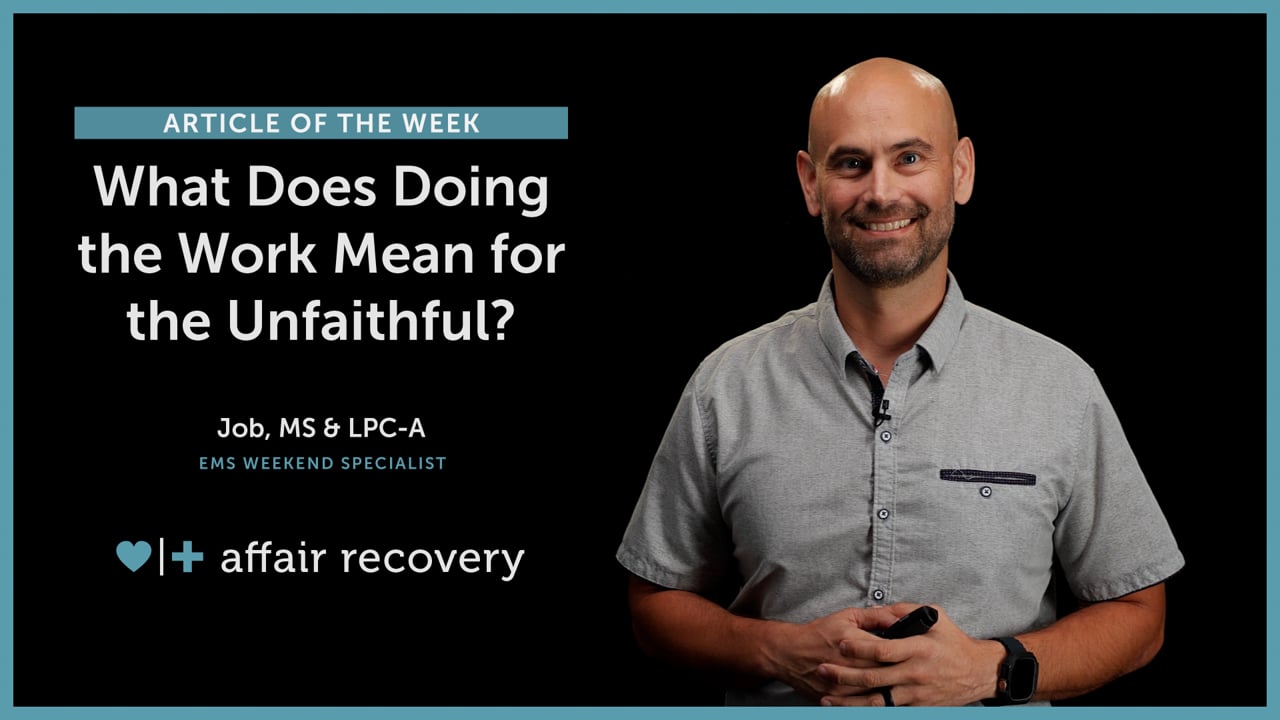
I am often asked by unfaithful spouses, "What does doing the work mean?" This is a valid question because infidelity recovery can be overwhelming and confusing. Most do not even know where to start. We are not offered a class in college called "Infidelity Recovery 101". I also hear people say, "I am not a sex addict." "I only had one affair." "It was only a one-night stand." "Do I have to do the same type of work?" Below are three evidence-based components of infidelity recovery. They are relevant regardless of the type of affair.
Consider joining Hope for Healing where you'll find community for isolation and healing for shame —and that's just the beginning.
Learn More | Hope For Healing!
The first component of "doing the work" is individual therapy. A study evaluating different types of therapeutic…
Continue reading →
GLM's Q&A
Group Leader Resources
Welcome to our GLM Q&A page, a place where you can find the most asked questions by leaders as well as connect with your GLM team.
Intro
AffairRecovery.com · Leading With Hope: Episode 9 - Cultivating Resilience, Part 2
Group Leader Resources
Welcome to our GLM Q&A page, a place where you can find the most asked questions by leaders as well as connect with your GLM team.
Intro
AffairRecovery.com · Leading With Hope: Episode 9 - Cultivating Resilience, Part 2
Continue reading →
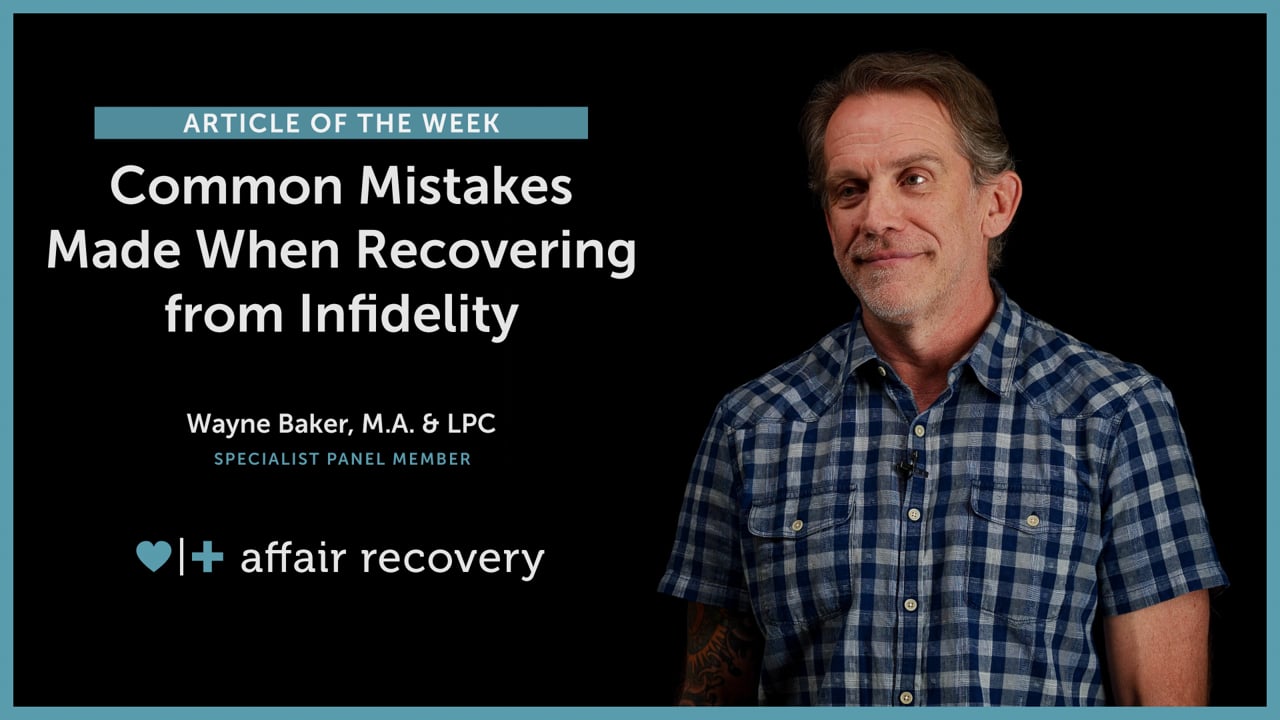
Common Mistakes Made When Recovering from Infidelity
Cover more ground faster with the life-changing experience of EMS Weekend for couples.
Sign Up Now!
After the revelation of an affair or other sexually inappropriate behavior, it is, unfortunately, very easy for both the unfaithful spouse and the betrayed spouse to make a series of well-meaning mistakes which further complicate the situation and the healing process.
Listed below are just a few of these common mistakes. We hope that this information will help guide you!
The Unfaithful Spouse's Common Mistakes
Being defensive: Since the revelation of a betrayal is extremely traumatic, there is no room for defensiveness. The antidote to defensiveness is taking personal responsibility.
Leaking out information over time: Getting the truth out, all of it, is a great opportunity to display real…
Continue reading →
Finding Joy During the Holidays
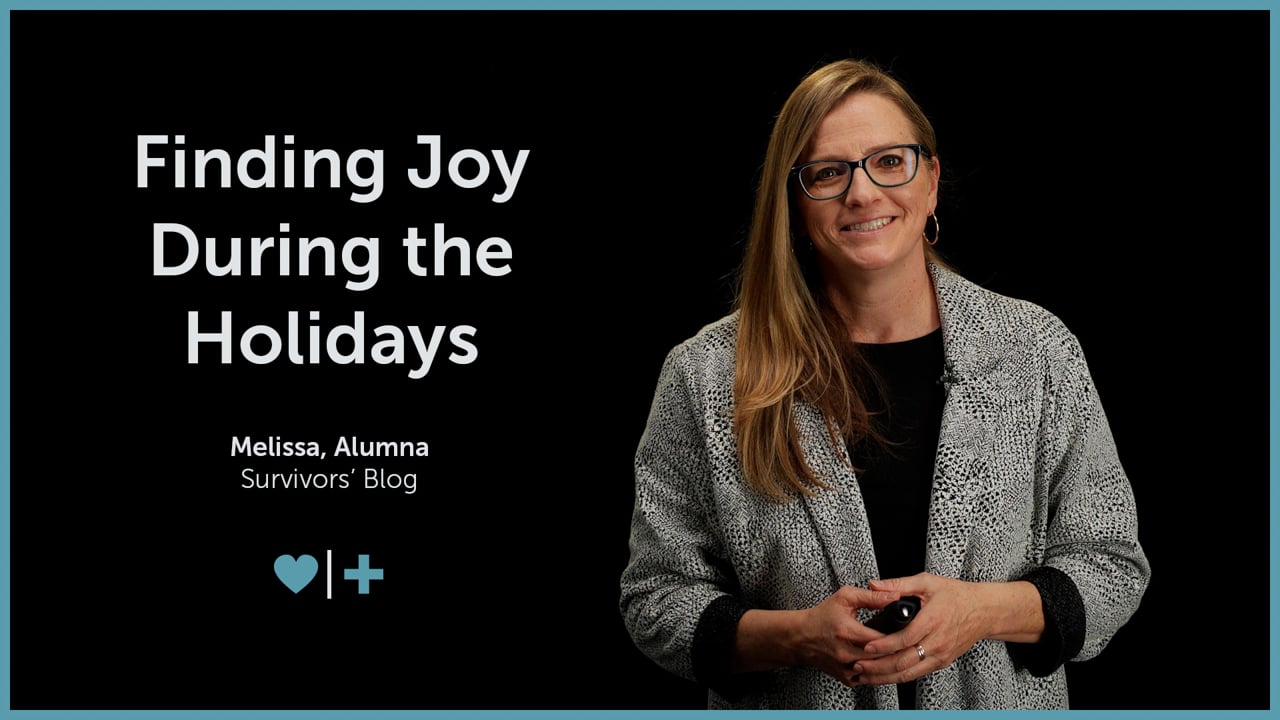
Finding Joy in the Holidays - Alumna Blog by Melissa Fisher
Don’t just survive the holidays; use them as a catalyst for hope, healing, and flourishing in new life by finding the Joy in them. The holidays are one of the many difficult times an individual faces when healing from infidelity and our Alumna, Melissa speaks directly to this challenge while giving your practical and real guidance, tips, and encouragement in navigating the holidays.
Hear directly from Melissa who has been where you are, experienced what you have experienced, and has taken the journey of recovery and wants to lift you up so you know you are strong and you can do this. She shares the ways to help you find the Joy in the Holidays.
Continue reading →
Hope For Healing Excerpt: How Does The Unfaithful Make Amends?
Hope for Healing registration opens today at Noon CT.
Designed specifically for wayward spouses, Hope for Healing is a supportive, nonjudgmental environment for you to heal and develop empathy. Over the years, this 17-week, small group course has helped thousands of people find hope, set healthy boundaries and move toward extraordinary lives. Click the button below to find out more.
Register For Hope For Healing!
How do you communicate to someone that you're sorry you've done something that has forever altered his or her life? The following is adapted from our Hope for Healing course for unfaithful spouses.
In my own recovery, one of the most frustrating aspects of communication with my wife was her unwillingness to accept my apologies. Time and time again I would express remorse over…
Continue reading →
Who is the Other Woman?
Disclaimer: This may be a difficult article for some of you to read. Before reading, take a moment to consider how far along you are in recovery. Those who are newer to recovery will not be able to process the information in this article from an objective perspective. The information is important to understand, but the last thing we want to do is to cause unnecessary pain. Our suggestion is to wait until you are further along in recovery so you will be able to truly absorb all the article has to say. For those of you in this position, we suggest reading instead our 6-part "How Could You?" Series.
Who is the other woman? Who is the other man?
Is she a home wrecker, a floozy, a bimbo? Is he a bad boy, a tough guy or a brainiac?
Is he or she someone to be hated or pitied?
…
Continue reading →
Songs for the Soul | Through the Valley
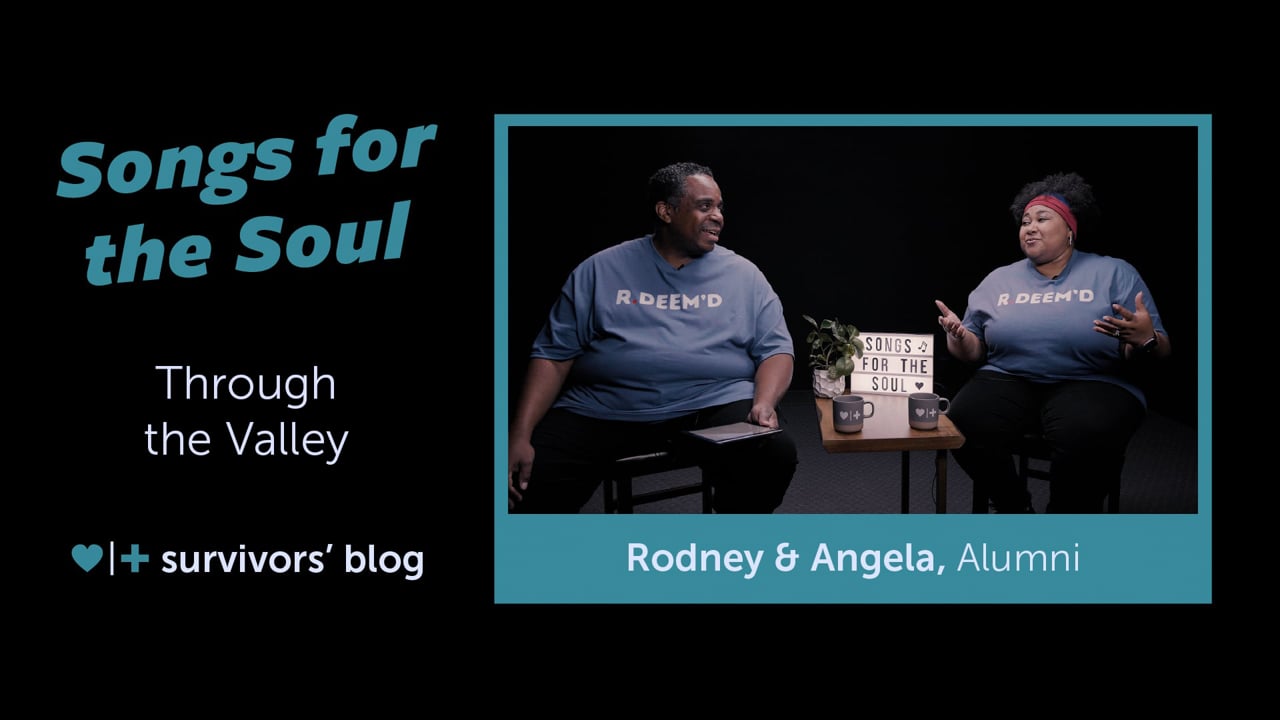
We are so excited to finally share with you a brand new season of 'Songs for the Soul' with Rodney & Angela. Songs for the Soul was created by this inspiring couple as a space where their testimony meets their harmony, to encourage couples and individuals who are overcoming infidelity.
In this episode, Rodney shares a very personal song that he wrote during a hard season in his life, long before infidelity rocked his marriage. He would sing it quietly to encourage himself, and never thought he would be sharing it with others. But God had other plans. In Rodney's own words, "I present this song as a gift, in hopes that it can encourage someone else going through a valley right now."
Continue reading →
Recovering from Infidelity: Difficulties with Intimacy
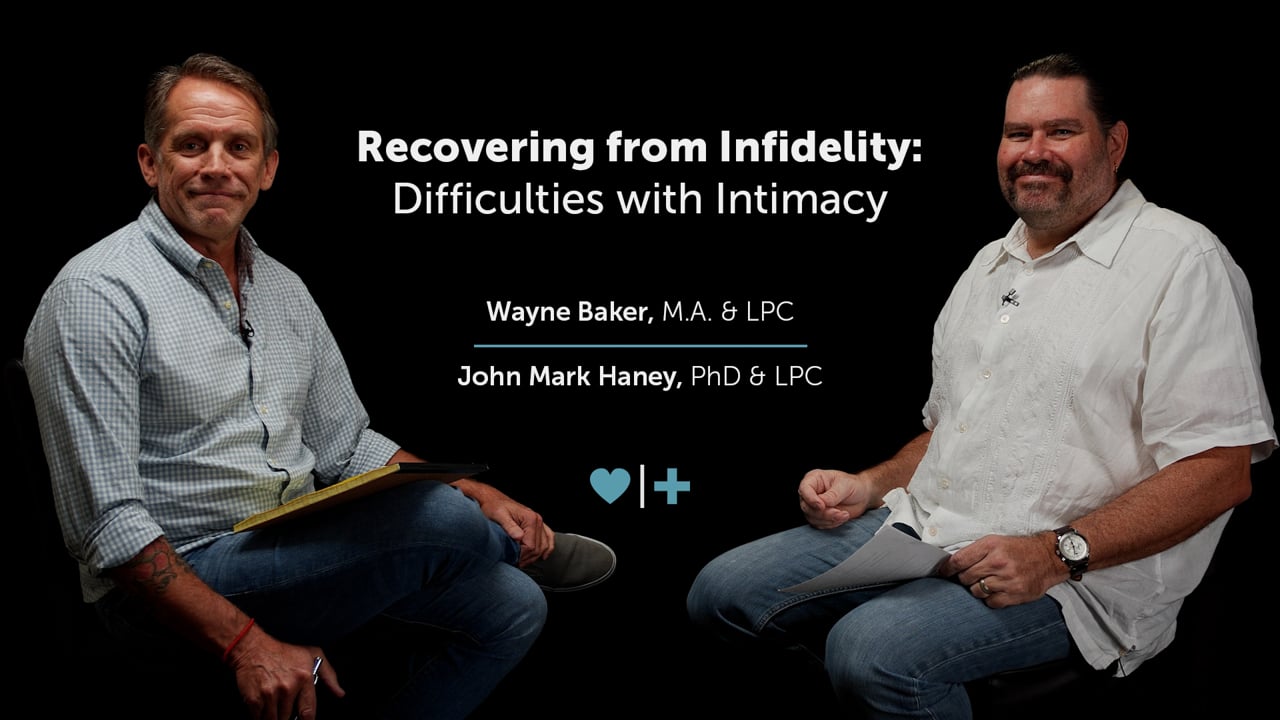
Recovering from Infidelity: Difficulties with Intimacy
A 3 Part Series
Part 1: Difficulties with Intimacy
Part 2: Difficulties with Intimacy for the Betrayed
Part 3: Difficulties with Intimacy for the Unfaithful
In recent years, one of the most popular topics in sexology has been female sexual desire disorders. For the past four decades, women have been pathologized for not being like men.
For instance, according to University of British Columbia psychiatrist Rosemary Basson, "sexual difficulties are particularly prevalent among women seeking routine gynecological care. In population surveys, some 30%–35% of women aged 18–70 have reported a lack of sexual desire during the previous 1–12 months." The percentage of women reporting sexual…
Continue reading →
Community for Healing from Infidelity – Affair Recovery
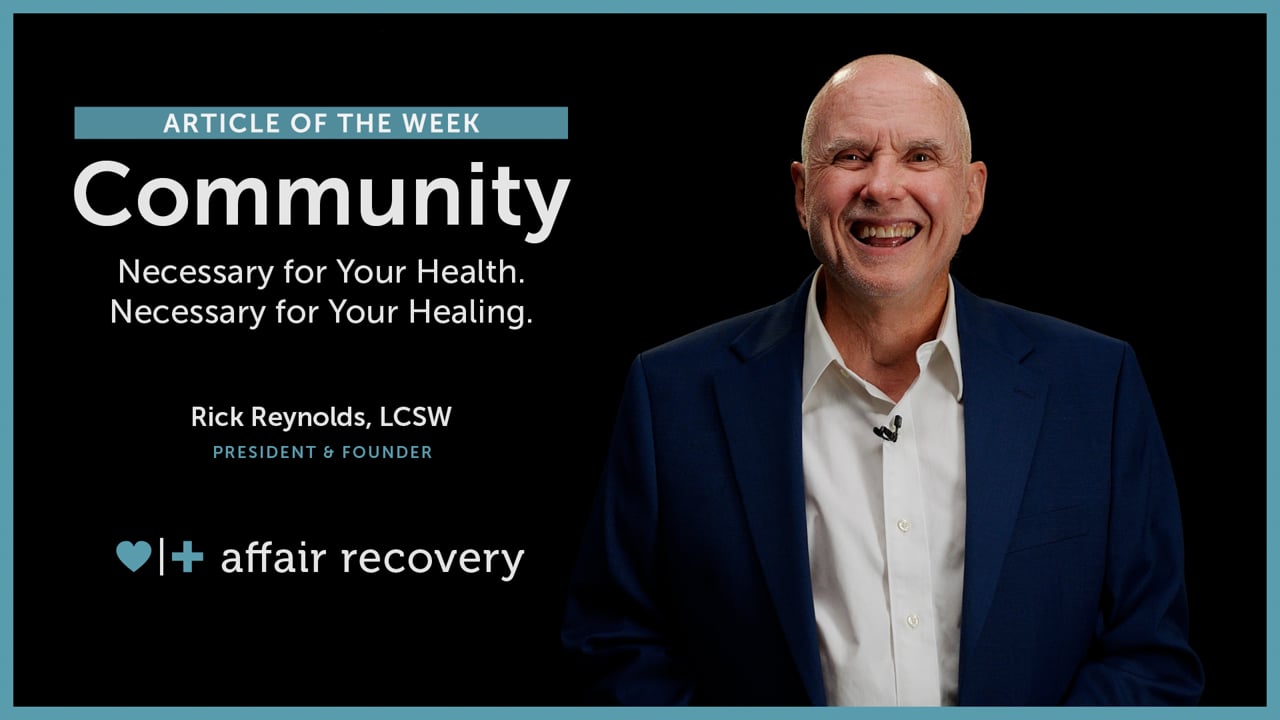
Years ago, I ran multiple marathons. Reflecting back, I realize that marathon running wasn't just an individual sport; it was a group effort where other competitors shared my experience. The people I trained with encouraged and pushed me, helping me achieve goals I never thought possible. During the races, other competitors motivated me and propelled me toward the finish line. Running alongside others made completing a 26.2-mile run more achievable.
Our brains are wired to assume that others will help and support us. That's why social support is critical to health and well-being, as numerous studies have shown. A life partner, family, community, and robust social network are significant predictors of overall health and longevity in life. However, when traumatized, our brains try to convince us to avoid the very things we need for healing. It's essential not to…
Continue reading →
Songs for the Soul | Rick Reynolds
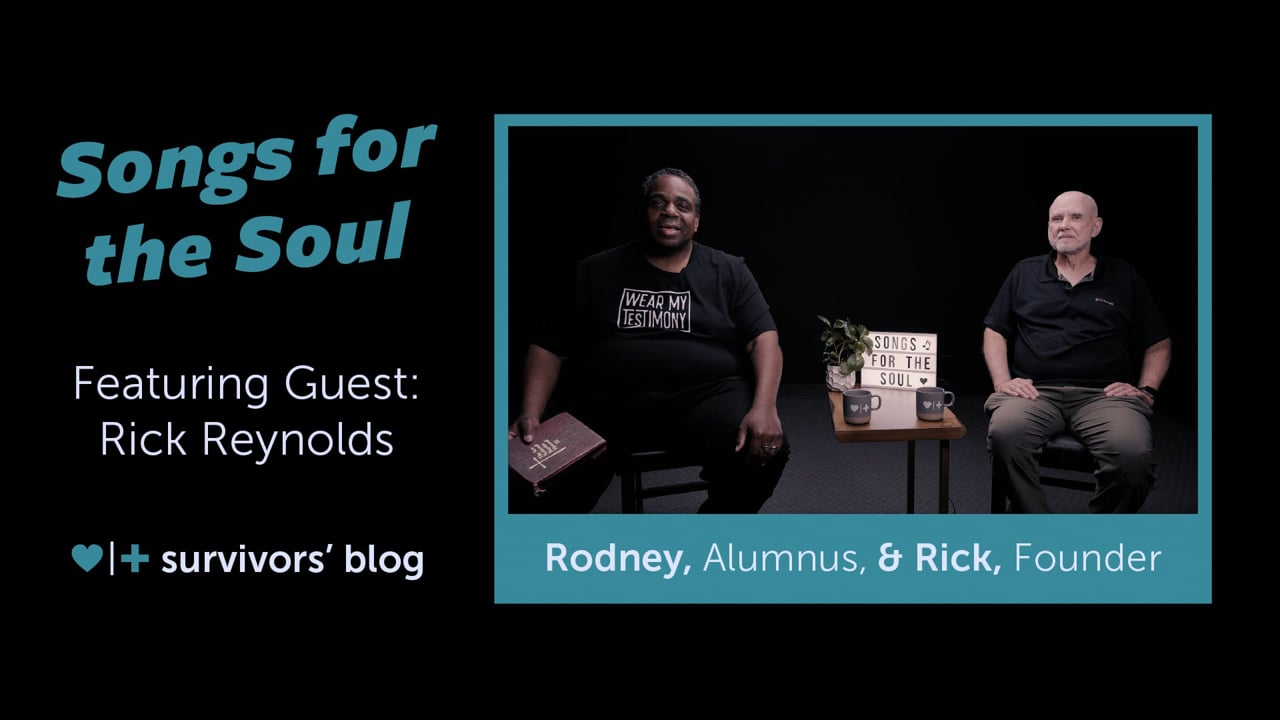
We are so excited to finally share with you a brand new season of 'Songs for the Soul' with Rodney & Angela. Songs for the Soul was created by this inspiring couple as a space where their testimony meets their harmony, to encourage couples and individuals who are overcoming infidelity.
In the second episode, Affair Recovery Founder Rick Reynolds, LCSW, joins the discussion with scientific links between singing and recovery from infidelity. Check out this note from Rick explaining the history behind this beautiful passion project.
In August of 2015, I was invited to Gateway Church for a reunion with past participants of the EMS program. To my delight, a married couple was leading worship together. My heart was deeply touched by their music.
Afterwards, I went up to introduce myself to those gifted musicians. After…
Continue reading →
Healing After an Affair: How do I Address Unmanageability?
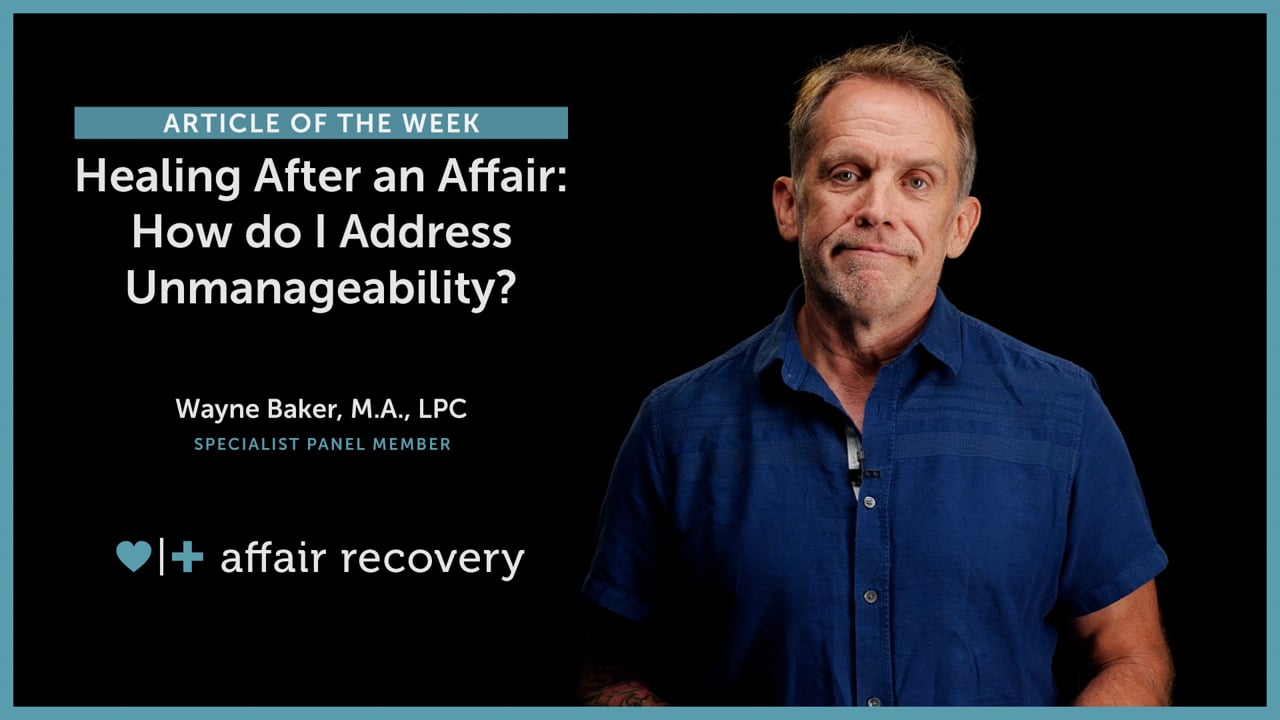
Recently, I was talking with a client about the concept of powerlessness. In most 12 step recovery programs, the first step is to acknowledge we are powerless and our lives are unmanageable. Something I find to be an excellent antidote to powerlessness and unmanageability is acceptance. I also find acceptance to be a crucial part of healing after an affair:
acceptance of my circumstances,
acceptance that my best efforts have brought me to this place,
acceptance of my inability to affect change in myself as well as others, and
acceptance of who and what I really am.
Acceptance is the beginning of hope. Until we can accept that as truth, we are powerless. We will be destined to continue longing for change in areas we’ve never successfully managed to change. Rather than accept…
Continue reading →
Beyond EMS | Week 6
For those who have been betrayed:
For those who have been betrayed:
Continue reading →
Beyond EMS | Week 6
For those who have been wayward:
For those who have been wayward:
Continue reading →
The Betrayed's Reaction: An Excerpt from Harboring Hope
Today, I'd like to share an excerpt from our Harboring Hope course.
As you may or may not know, all of our authors, contributors, therapists, and vloggers have personally survived an infidelity crisis. When we say “we get it,” we really do. We understand your pain and frustration and desperate need for clarity and direction. We've felt your struggle personally and have lived to tell about it. We are here to help guide you through it.
This article is not just for the Betrayed individual. Reading the material below will prove extremely beneficial for the unfaithful individual in terms of gaining a better understanding of the betrayed's road ahead. While it's not an easy journey, it is a possible one and with the right help, we can minimize unnecessary collateral damage for all parties involved.
Join other betrayed mates on the path to healing with our…
Continue reading →
Surviving Infidelity: 6 Things I Wish I'd Known
This week's article explores the question: "After the affair came to light, what didn't you know that you needed to know?"
A hundred wayward spouses could tell you what they wish they'd known, and all of their responses would carry some merit. Today, however, I'd like to turn the lens on myself — an unfaithful spouse — to share six things I wish I'd known as well as what I've observed over my 30-plus years of marriage.
1. It's Not About Me
Yes, I perpetrated the infidelity, but the devastation and loss belonged to my wife. Helping her heal from the wound I created needed to be my focus — not all my reasons why and not my guilt and shame. It was far too easy to make it about me rather than listen to her pain and take responsibility. I must admit that early on, this is one of the toughest things for the wayward spouse to accomplish in recovery.
2. Surviving…
Continue reading →
Community Connection

.sidebar-first .content-inner {margin-left: 0!important;}
#members-menu-container {display:none!important;}
.menu-cc {
display: flex;
flex-wrap: wrap;
justify-content: space-around;
box-sizing: border-box;
}
.menu-cc-item {
width: calc(50% - 20px);
max-width: 450px;
height: 220px;
margin-bottom: 20px;
border-radius: 10px;
display: flex;
justify-content: center;
align-items: center;
text-align: center;
text-decoration: none;
color: #333333;
font-size: 20px;
}
.menu-cc-item:nth-child(1) {
background-color: #FFD700; /* Gold */
}
.menu-cc-item:nth-child(2) {
background-color: #90EE90; /* Light Green */
}
.menu-cc-item:nth-child(3) {
background-color: #ADD8E6; /* Light Blue */
}
.menu-cc-item:nth-child(4) {
background-color: #FFA07A; /* Light Salmon */…
Continue reading →
Beyond EMS | Week 4
For those who have been betrayed:
For those who have been betrayed:
Continue reading →