
Lessons Learned After Infidelity
Healing from betrayal trauma isn’t just about moving beyond triggers and reminders, it also requires changing how you see the world. Betrayed partners feel like life has been stolen from them and darkness is their only friend. Positive emotions such as joy and hope — even the feeling of being alive — can evaporate in the blink of an eye! Healing from this altered perception of life is hard and requires rewiring your brain. You must fight the negative messages that were imprinted by the betrayal trauma and replace them with truths. One approach to accomplish this goal to record and journal about the truths you discovery on your journey to healing. Focusing on these truths will help reset how you see the world.
Join other betrayed mates on the path to healing with our life-changing Harboring Hope online course and start a…
Continue reading →
Guided Relaxation to Quiet the Flooding
Hi. My name's Karen Baker, and I'm the graduate counseling intern at Crossroad Counseling Associates, being supervised by Rick Reynolds. Experiencing betrayal trauma is incredibly jarring. Your whole system becomes dysregulated and flooded at a moment's notice. In this video, I'm going to lead you through a short, guided meditation to help you come back to the present moment and feel more grounded.
If you can't follow along now, bookmark this video to listen to later. So, take a moment to pause this video and adjust your space and find a comfortable position for you to relax in.
In a comfortable position, laying down or seated, I invite you to close your eyes. And imagine that you are a bright light, gracefully suspended in the vastness of space. And in your mind's eye you see Earth slowly turning below you.
Inhale deeply as you watch the Earth rotate. Watching…
Continue reading →
Diaphragmatic Breathing for Emotional Regulation
Hi, my name is Karen Baker. I’m the graduate counseling intern for Crossroad Counseling
Associates, supervised by Rick Reynolds. In this video, I will teach you several different
diaphragmatic breathing exercises that you can use to emotionally regulate and tone your Vagus Nerve.
Your breath is the first place to connect with your body, stay present, and become more
grounded. To quickly recap a previous video, the autonomic nervous system has two parts: the
parasympathetic and the sympathetic nervous systems. The sympathetic nervous system
triggers the fight, flight, and freeze response when something threatens us or we perceive it as
threatening.
The parasympathetic nervous system oversees homeostasis, or what we call rest and digest, basically helping us calm down after we are no longer under threat. Every aspect of the autonomic nervous system functions…
Continue reading →
Guided Meditation for Coping with Betrayal Trauma
Hi. My name is Karen Baker, and I'm the graduate counseling intern for Crossroad Counseling Associates, being supervised by Rick Reynolds. Experiencing infertility is an incredibly jarring experience, and that's why we call it betrayal trauma. In a previous video, I discussed why and how we become dysregulated, as well as the importance of emotional regulation.
In this video, I'm going to lead you through a short guided meditation.
You can follow along now or bookmark this video to listen to it later.
So take a moment to pause this video if you need to, and adjust your space and find a comfortable position for you to relax.
And now I invite you to find a comfortable position lying down or seated, eyes opened or closed.
Remember, if your mind wanders, it's okay. You're human. If distressing or intrusive thoughts arise, lovingly invite those thoughts to step…
Continue reading →
Songs for the Soul | Turn Your Eyes
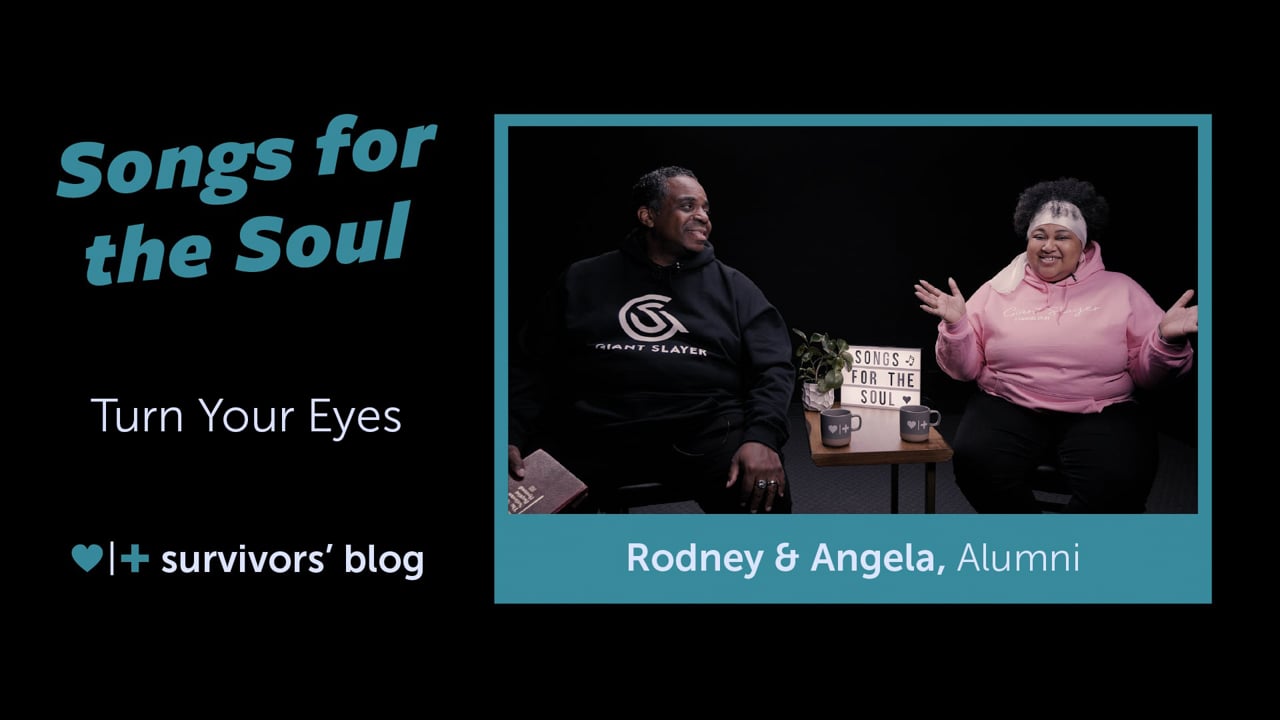
In this episode Rodney and Angela share the profound change they experienced following his D-Day on March 8th, 2014. Amidst the death of the old, a new marriage and new hearts emerged. They share how they navigated this journey with gratitude and grace. Through transparency and healing, they discovered the power of God's promise to restore and uplift.
Scripture became more than words on a page; it became their anchor, guiding and reminding them to fix their eyes on Jesus. Just as Peter was able to walk on water when he focused on Jesus, they held to that and became “Water Walkers”.
They encourage others facing their own versions of "D-Day" to turn to Christ for endurance and hope, finding contentment in His peace amidst chaos.
Continue reading →
The Truth About Lying
We define infidelity as the keeping of secrets; it's a breach of trust that can lead to the collapse of even the strongest relationships. Infidelity is a complex issue with many underlying causes, and it creates a cascade of inter- and intra-relational turmoil. The most common and difficult elements for the betrayed spouse to work through are any kind of lie and deception that the wayward partners tell themselves and their partner about their behavior.
In the context of romantic partnerships, infidelity is a tortuous and baffling problem to deal with. The act itself is generally seen as unethical and destructive, but the reasons and self-deceptions that led to it remain a convoluted mystery that take time and hard work to unravel. We need to look further into the psycho-emotional roots of lying, betrayal, and deceit in order to have a better…
Continue reading →
Unveiling Infidelity: Who to Tell?
Hello, Kristin S. here. If you're watching this video, it means that you've experienced infidelity in some way in your life. You've either discovered that your partner has cheated on you, or maybe you have been unfaithful to your partner.
No matter which side of this equation that you're on, it's likely that you can appreciate how entirely lonely this time in your life is. You're caught in quite the pickle. Talking about the affair to other people potentially leaves you open for misunderstanding, judgment, criticism, unwanted opinions, and gossip. Keeping the affair to yourself represents its own challenge, leaving you in the horrendous cycle of ruminating thoughts.
Let me tell you how I handled this challenging time in my life. I was the wayward partner. I told everyone, like everyone. We had a tight-knit circle of friends, and my AP and his spouse were part of it…
Continue reading →
Transformative Love and Respect After Betrayal: Part 2
 “If I get pregnant, I’ll just have an abortion.” When asked if she was safe
Threatening to have me arrested for child abuse
Using kids’ social media accounts to contact and stalk men
Sleeping with a man she met two hours earlier on Facebook….. unprotected
Setting up dating apps while in the parking lot waiting for our therapy appointment
Wearing different clothes and hairstyles
Sneaking off to the bathroom to text APs while at Disneyland with the family
These and many others are examples of my wife’s behavior while still in her multiple affairs. It made me physically sick. I could not wrap my head around how my sweet, innocent, God-fearing wife had become the monster in front of me. I wanted to lash out at her. I wanted her to hurt as much as I was hurting. In fact, I wanted to see her in a gutter with a needle in her arm (A direct quote from my journal at the time).
In Transformative Love and Respect After Betrayal Part 1, I wrote about how my thinking changed while in recovery and how God’s Word had helped me see things differently. We are told to love “anyway” and not “because.” How could I love my wife with everything she was doing at the time? This began a journey of discovery.
Drug addicts will steal, injure, or even sometimes prostitute themselves to get the next hit of drugs.
Dopamine and other brain pleasure chemicals are dumped into our bodies in abundance during “lust” and “infatuation.” Both are powerful drugs and addicting. God designed us that way to assist with the “bonding” process. Today, we are seeing numerous negative effects of these chemicals in people who are addicted to “likes'' on Instagram or other platforms. There are also many reports of higher suicide rates for those in withdrawal from the chemical hits. My wife was madly in “lust,” “limerence,” and “infatuation” with these guys, and her body was being flooded with these pleasure chemicals with every text or thought. She didn’t want that feeling to end and would do just about anything to make it continue.
Recognizing some of the realities of my situation allowed me to rationalize some of my behaviors. If my wife was instead addicted to painkillers and had drained our bank account to pay for them, how would I react? Would I divorce her immediately? Would I leave her in a gutter with a needle in her arm? Or would I do anything in my power to help her recover? Not to be a doormat or excuse her behavior but to provide support, love, and care wherever I could. Making sure she stays accountable and can see the effects of her behavior but hoping and praying for the best and, being there when the guy inevitably leaves and holding her close when the withdrawal begins, and the weight of her actions hit.
I’m not a saint. It took me a long time to work through this. Why would God ask me to do this? Did he want me to suffer? Did I deserve the pain? Even Jesus struggled with this.
In Matthew 26, verse 39, Jesus fell with his face to the ground and prayed, “My Father, if it is possible, may this cup be taken from me. Yet not as I will, but as you will.” (Matthew 26:39 NIV)
After some time, I began to realize that God was trying to teach me a new type of love—a love that He shows us daily.
Jesus chose to love us “anyway”. I chose to love my wife “anyway”.
I chose to love my wife by finding and insisting on personal and individual counseling for us both.
I chose to love by searching out help from Affair Recovery (EMS Weekend, Harboring Hope, Hope for Healing).
I chose to love her by working on myself and not trying to control her.
I chose to love her by doing my best to keep her safe while she was in the depth of her affairs.
I chose to love her by trying to keep her in contact with our Small Group and other women who could help navigate the withdrawals.
I chose to love her by giving her time to recover. I couldn’t expect an immediate change of heart. I gave her a year to begin the process of recovery and committed to no long term decisions for that time period.
I chose to love her by committing to working on myself and my relationship with God. A healthy marriage requires two healthy individuals and I definitely had my own demons to address (codependency, porn addictions).
I chose to love her by removing the burden for her recovery from myself and allowing God to work his miracles.
I chose to love her by being that soft, safe spot she could land when the world fell out beneath her.
That was 15 years ago and we just celebrated our 34th wedding anniversary.
And please know, regardless of my story, the pain is real. It is raw. There may be no recovery. You may choose to distance yourself from the addiction and pain. Loving your spouse may mean loving them from a distance. There is no one correct answer. For those who divorce, remember that is a very valid decision in some cases. All I can ask is to step back and try to change your perspective. Don’t rush or make long-term decisions based on short-term circumstances. Our recovery took over a year and continues to this day as we learn and discover more about ourselves and that no matter where you are on the road, you are still only three feet from the ditch.
“If I get pregnant, I’ll just have an abortion.” When asked if she was safe
Threatening to have me arrested for child abuse
Using kids’ social media accounts to contact and stalk men
Sleeping with a man she met two hours earlier on Facebook….. unprotected
Setting up dating apps while in the parking lot waiting for our therapy appointment
Wearing different clothes and hairstyles
Sneaking off to the bathroom to text APs while at Disneyland with the family
These and many others are examples of my wife’s behavior while still in her multiple affairs. It made me physically sick. I could not wrap my head around how my sweet, innocent, God-fearing wife had become the monster in front of me. I wanted to lash out at her. I wanted her to hurt as much as I was hurting. In fact, I wanted to see her in a gutter with a needle in her arm (A direct quote from my journal at the time).
In Transformative Love and Respect After Betrayal Part 1, I wrote about how my thinking changed while in recovery and how God’s Word had helped me see things differently. We are told to love “anyway” and not “because.” How could I love my wife with everything she was doing at the time? This began a journey of discovery.
Drug addicts will steal, injure, or even sometimes prostitute themselves to get the next hit of drugs.
Dopamine and other brain pleasure chemicals are dumped into our bodies in abundance during “lust” and “infatuation.” Both are powerful drugs and addicting. God designed us that way to assist with the “bonding” process. Today, we are seeing numerous negative effects of these chemicals in people who are addicted to “likes'' on Instagram or other platforms. There are also many reports of higher suicide rates for those in withdrawal from the chemical hits. My wife was madly in “lust,” “limerence,” and “infatuation” with these guys, and her body was being flooded with these pleasure chemicals with every text or thought. She didn’t want that feeling to end and would do just about anything to make it continue.
Recognizing some of the realities of my situation allowed me to rationalize some of my behaviors. If my wife was instead addicted to painkillers and had drained our bank account to pay for them, how would I react? Would I divorce her immediately? Would I leave her in a gutter with a needle in her arm? Or would I do anything in my power to help her recover? Not to be a doormat or excuse her behavior but to provide support, love, and care wherever I could. Making sure she stays accountable and can see the effects of her behavior but hoping and praying for the best and, being there when the guy inevitably leaves and holding her close when the withdrawal begins, and the weight of her actions hit.
I’m not a saint. It took me a long time to work through this. Why would God ask me to do this? Did he want me to suffer? Did I deserve the pain? Even Jesus struggled with this.
In Matthew 26, verse 39, Jesus fell with his face to the ground and prayed, “My Father, if it is possible, may this cup be taken from me. Yet not as I will, but as you will.” (Matthew 26:39 NIV)
After some time, I began to realize that God was trying to teach me a new type of love—a love that He shows us daily.
Jesus chose to love us “anyway”. I chose to love my wife “anyway”.
I chose to love my wife by finding and insisting on personal and individual counseling for us both.
I chose to love by searching out help from Affair Recovery (EMS Weekend, Harboring Hope, Hope for Healing).
I chose to love her by working on myself and not trying to control her.
I chose to love her by doing my best to keep her safe while she was in the depth of her affairs.
I chose to love her by trying to keep her in contact with our Small Group and other women who could help navigate the withdrawals.
I chose to love her by giving her time to recover. I couldn’t expect an immediate change of heart. I gave her a year to begin the process of recovery and committed to no long term decisions for that time period.
I chose to love her by committing to working on myself and my relationship with God. A healthy marriage requires two healthy individuals and I definitely had my own demons to address (codependency, porn addictions).
I chose to love her by removing the burden for her recovery from myself and allowing God to work his miracles.
I chose to love her by being that soft, safe spot she could land when the world fell out beneath her.
That was 15 years ago and we just celebrated our 34th wedding anniversary.
And please know, regardless of my story, the pain is real. It is raw. There may be no recovery. You may choose to distance yourself from the addiction and pain. Loving your spouse may mean loving them from a distance. There is no one correct answer. For those who divorce, remember that is a very valid decision in some cases. All I can ask is to step back and try to change your perspective. Don’t rush or make long-term decisions based on short-term circumstances. Our recovery took over a year and continues to this day as we learn and discover more about ourselves and that no matter where you are on the road, you are still only three feet from the ditch.
“If I get pregnant, I’ll just have an abortion.” When asked if she was safe
Threatening to have me arrested for child abuse
Using kids’ social media accounts to contact and stalk men
Sleeping with a man she met two hours earlier on Facebook….. unprotected
Setting up dating apps while in the parking lot waiting for our therapy appointment
Wearing different clothes and hairstyles
Sneaking off to the bathroom to text APs while at Disneyland with the family
These and many others are examples of my wife’s behavior while still in her multiple affairs. It made me physically sick. I could not wrap my head around how my sweet, innocent, God-fearing wife had become the monster in front of me. I wanted to lash out at her. I wanted her to hurt as much as I was hurting. In fact, I wanted to see her in a gutter with a needle in her arm (A direct quote from my…
Continue reading →
Psychological Abuse Within Infidelity
This week's video is addressed to wayward men, but the abuse associated with infidelity isn't gender or role specific. Infidelity can elicit both physical abuse and emotional abuse. Emotional abuse is when one person tries to make another person responsible for their emotional regulation or well-being in a manner that is detrimental to the other. Or when a person treats or exposes another person to behaviors that may result in psychological trauma. The attachment rupture created by betrayal destroys any sense of psychological safety. Whether you are the wayward spouse or the betrayed spouse, the tendency is to move into self-protect mode rather than relational mode. As mentioned in the video, abusive behaviors can be intentional or unintentional, but the damage done is the same regardless of intent. My goal in this article is to briefly discuss abusive…
Continue reading →
Shame: The Two Sides of the Coin - Side 2: The Betrayed Spouse
Hello. This is Kristin. As an unfaithful spouse, one may argue that the shame I experienced post affair was expected, while unhelpful to my healing. One would expect that I would be feeling shame, guilt after what happened. I had betrayed the trust of my spouse, of my family, my friends, and maybe most importantly, myself. This type of shame is pretty standard.
However, there are two sides to the shame coin equally damaging, but one is much less understood. The shame a betrayed spouse may be feeling is a real and potentially crippling emotion. Thoughts are flying through your head a mile a minute. Why did this happen to me? What is it about me that caused them to cheat? Why was I not enough?
What are people going to think? What could I have done differently? To be clear, I hope you are not feeling this way. But based on my own experience and in speaking with other…
Continue reading →
Transformative Love and Respect After Betrayal Part 1
 Steve just filed for divorce from his wife Stacey. The reason listed on the decree was “adultery”. They had been married for 7 years and recently Steve had discovered that Stacey had secretly been seeing an old boyfriend. His life was shattered. The pain was overwhelming. He only wanted to forget and move on with his life.
Of course, no one would fault Steve for his choice. Even the Bible would justify his decision. He was free to go and marry again.
Today I’d like to offer a different perspective on love and respect. During my own experience with betrayal, I had to reconcile the world's view of love and respect versus what God has revealed in His Word. I wanted the pain to go away. I wanted to punish my wife for her actions. I had the power to ruin her life like she ruined mine. The world told me she deserved it. God gave me the right to divorce her.
One day at church soon after D-Day I was listening to a sermon on Ephesians 5. Some of the words struck me hard and influenced me to dig deeper.
Eph 5:25 “husbands love your wives just as Christ loved the church and gave himself up for her”.
Eph 5:33 “…wives must respect her husband”.
Notice there are no “because(s)”. “I love my wife because she deserves it”. “I respect my husband because he deserves it”.
There are no conditions. “I love my wife as long as she stays thin and attractive”. “I respect my husband as long as he is an elder at church”.
God instructs us to love and respect “anyway”. Love her even if she is an alcoholic. Respect him even if he is addicted to pornography. Love her when she doesn’t deserve to be loved. Respect him when he doesn’t deserve to be respected. Wow. A lot different than what the world tells us about love and respect. The world tells us love and respect is conditional, that we include “because”, “if”, “when”, “only” and other conditional words in our statements. How often do we include conditional words about our spouse or even our kids?
In fact for husbands it goes even further. “just as Christ loved the church and gave himself up for her”. God asks us to love our wives even when she is the one crucifying us. Jesus did not have to die for us. He had the power to stop it. He chose not to. He chose to love those who were crucifying him and He asks us to do the same.
At the time these words really impacted my view of my circumstances. I didn’t have to rush to divorce my wife. I wasn’t weak for giving her the opportunity to recover.
I chose to love my wife even when she didn’t deserve it. I hope husbands here can make the same decision. My wife chose to respect me when I didn’t deserve it. I hope wives here can make the same decision.
Steve just filed for divorce from his wife Stacey. The reason listed on the decree was “adultery”. They had been married for 7 years and recently Steve had discovered that Stacey had secretly been seeing an old boyfriend. His life was shattered. The pain was overwhelming. He only wanted to forget and move on with his life.
Of course, no one would fault Steve for his choice. Even the Bible would justify his decision. He was free to go and marry again.
Today I’d like to offer a different perspective on love and respect. During my own experience with betrayal, I had to reconcile the world's view of love and respect versus what God has revealed in His Word. I wanted the pain to go away. I wanted to punish my wife for her actions. I had the power to ruin her life like she ruined mine. The world told me she deserved it. God gave me the right to divorce her.
One day at church soon after D-Day I was listening to a sermon on Ephesians 5. Some of the words struck me hard and influenced me to dig deeper.
Eph 5:25 “husbands love your wives just as Christ loved the church and gave himself up for her”.
Eph 5:33 “…wives must respect her husband”.
Notice there are no “because(s)”. “I love my wife because she deserves it”. “I respect my husband because he deserves it”.
There are no conditions. “I love my wife as long as she stays thin and attractive”. “I respect my husband as long as he is an elder at church”.
God instructs us to love and respect “anyway”. Love her even if she is an alcoholic. Respect him even if he is addicted to pornography. Love her when she doesn’t deserve to be loved. Respect him when he doesn’t deserve to be respected. Wow. A lot different than what the world tells us about love and respect. The world tells us love and respect is conditional, that we include “because”, “if”, “when”, “only” and other conditional words in our statements. How often do we include conditional words about our spouse or even our kids?
In fact for husbands it goes even further. “just as Christ loved the church and gave himself up for her”. God asks us to love our wives even when she is the one crucifying us. Jesus did not have to die for us. He had the power to stop it. He chose not to. He chose to love those who were crucifying him and He asks us to do the same.
At the time these words really impacted my view of my circumstances. I didn’t have to rush to divorce my wife. I wasn’t weak for giving her the opportunity to recover.
I chose to love my wife even when she didn’t deserve it. I hope husbands here can make the same decision. My wife chose to respect me when I didn’t deserve it. I hope wives here can make the same decision.
Steve just filed for divorce from his wife Stacey. The reason listed on the decree was “adultery”. They had been married for 7 years and recently Steve had discovered that Stacey had secretly been seeing an old boyfriend. His life was shattered. The pain was overwhelming. He only wanted to forget and move on with his life.
Of course, no one would fault Steve for his choice. Even the Bible would justify his decision. He was free to go and marry again.
Today I’d like to offer a different perspective on love and respect. During my own experience with betrayal, I had to reconcile the world's view of love and respect versus what God has revealed in His Word. I wanted the pain to go away. I wanted to punish my wife for her actions. I had the power to ruin her life like she ruined mine. The world told me she deserved it. God gave me the right to divorce her.
One day at church…
Continue reading →
Regulating Our Stress Response During Recovery
Hi. My name is Karen, and I am the graduate counseling intern at Crossroad Counseling Associates. My work is supervised by Rick Reynolds, and I am in the home stretch of my master's program. I've learned so much this past year and had the opportunity to co-facilitate several Harboring Hope Groups. Today, I am delighted to share some information with you on a topic I am deeply passionate about and teach many of my own clients: Emotional Regulation. Emotional regulation or self-regulation is the ability to observe and respond to a range of emotions in a manner that is tolerable and flexible enough to allow for spontaneous reactions as well as the decision to delay those spontaneous reactions.
I have been teaching people breathing, meditation, and emotional regulation techniques now for over a decade through my work as a yoga instructor. The additional…
Continue reading →
Answering Questions Post D-Day
Hello. My name is Candace. Let's spend some time talking today about answering questions. Post D-Day. I know some of you just broke out into a cold sweat. In this post, I will address both the unfaithful and the betrayed when it comes to answering questions. I'll be discussing a few key rules to follow to keep things constructive versus leading to greater destruction.
First to the unfaithful. Allow me to set the scene. You've either confessed to your partner or your partner has discovered your infidelity immediately after. Here comes the onslaught of rapid fire questions which appear to have no end in sight. And these questions are starting to create a shame storm. You feel like you're drowning. Unfaithful friends, please try to understand.
All of these questions are coming from the betrayed trying to wrap their head around. What the heck happened? You know…
Continue reading →
Winner and Still Undisputed Champion
 In my years of being a part of Affair Recovery I have had the privilege of mentoring numerous groups of Men through the Harboring Hope program. One of the best parts of this program discusses the 20 Most Common Mistakes of the Betrayed Spouse. Within the groups I lead, and going through this section I have learned that I currently still hold the record for committing the highest amount of the 20 mistakes in my own recovery process. In my case I committed 18 of the 20 mistakes noted.
In this 2-Part Blog I thought I would go into some details of the errors I made and some of the ramifications that occurred. First of all please remember that these are the most COMMON errors. Don’t beat yourself up over these. Recognize that a lot of spouses struggle with these, committed some (or most), and your “score” does not necessarily mean you have failed in your recovery. These are mistakes. We learn from them. We grow. And we use them to enhance our own recovery journey.
This list is based on the original article “The 20 Most Common Mistakes of the Betrayed Spouse” authored by Leslie Hardie and John Haney. I would encourage you to read this article for their professional advice and insight as licensed therapists.
1. Believing that once your spouse agrees to end the affair or the behavior, it is truly ended.
One of the biggest mistakes I made while my wife was deep in the affair was believing I was dealing with a rational person. My wife made all kinds of promises. One of the biggest was that “It is over”. Another was “I know I have to end it. I just need closure”. Remember that the chemical rush of the affair is similar to an opiate high. The Unfaithful spouse will say or do just about anything to keep the affair going (the chemical rush continuing).
2. Demanding that your spouse pledge 100% commitment to the marriage right at the moment of disclosure.
After my first attempts at pleading with my wife to end the affair failed I tried forcing my wife to end it. I tried shame, fear, yelling and threats. None worked and in fact made things worse. My wife was looking for justifications to continue the affair. My threats reinforced her belief that I was controlling and had anger issues.
3. Bludgeoning your spouse with guilt, thinking that this will be helpful.
Similar to #1. At first I believed that my wife’s conscience would win over her bad actions. We had been married for 19 years and she had never fallen off the deep end like she did during the affair. I thought the more “truth” or “shame” I heaped on her, it would break her out of the fog. It only made things worse. It just reinforced her belief that I was a horrible spouse and God “wanted her to be happy”.
4. Drawing too much security from changed phone numbers and email addresses.
I had a little bit of tech savvy so I was able to track a lot of her movements and monitor her online activity. I thought that if I could stop her from communicating that she would have time to recover and break the addictions. In fact she just got smarter and got a burner phone and used work computers to communicate.
5. Believing that you can keep your mate safe and away from temptation.
I was her husband. It was my job to keep her safe. She definitely was NOT being safe. She was communicating with the seedy creeps that stalk social media looking for lonely women. She really had no idea the filth and danger that was out there. She sent intimate photos to guys she didn’t even know. I tried everything to stop her from getting hurt. I tried to block email addresses and put website blocks on our internet. I tried keeping her too busy to communicate. Again she just found ways around the blocks to get her next high.
6. Trying to compete with the affair partner, pornography, or other behavior.
Wow! Big one for me. I was convinced that if I hit the gym and started to act like the scum she was interacting with she may come back to me. My personality changed. I told her I was going to buy a Harley. I hate motorcycles (sorry Harley fans). Not sure why I thought I could live that lie for the rest of my life just to try and live up to her insane expectations.
7. Trashing the affair partner.
All of the AP’s my wife was interacting with were scum. Most were stalkers on Facebook and MySpace. All knew she was married. A lot were drug users. About half were married. In early phases of the affairs I tried my best to convince my wife that these people were dangerous and not interested in any “relationship”. What I learned was that was what my wife was looking for at the time. No more routine or boring life for her. She actively searched for the “bad guys”.
8. Trying to convince your spouse that nobody will ever love him/her as much as you do.
In the beginning of the affairs I did my best to talk sense into my spouse. Unfortunately what looked back at me was crazy. There was a shell of my wife but the actions and demeanor were of an alien. Rational discussions were not possible at the time and even our counselors suggested we stop couples counseling and work on ourselves.
9. Using your children or grandchildren as pawns.
Big Mistake! In my desperation to get through to my wife I tried using the kids to break through to my wife. Even though we didn’t initially discuss the situation with the kids, they knew. They knew that their mother was checked out and doing crazy things. She actually tried to use their social media accounts so that I couldn’t find out. What a tough place to be in for kids. They loved us both and refused to pick sides. My wife at one time threatened to get a restraining order because I was “abusing” the kids. Horrible situation for them. Although I believe that any children need to have age appropriate information on what's happening, never force them into the middle.
10. Beating up the unfaithful mate with guilt, shame, or the opinions of others to keep them from leaving.
While the affairs were in progress I was really struggling to live day to day. I lost 20 lbs and struggled to sleep. My work suffered. In desperation I reached out to mutual friends for support and advice. Again horrible to place our friends in the middle of our hurricane. Most were supportive and agreed that my spouse was in the wrong but they had their own lives to live and my desperation was causing them to suffer in their own families. What I really needed to figure out was that I was not allowing God into my mess. I learned later in Harboring Hope that the best thing I could do was let God work on my wife. Me trying to control and force the issue was only making things worse.
Thank you for joining me here in Part 1 and reviewing the first 10 of the 20 mistakes.
In part 2 I will go into the other 10 mistakes and reveal the only 2 that I didn’t commit.
In my years of being a part of Affair Recovery I have had the privilege of mentoring numerous groups of Men through the Harboring Hope program. One of the best parts of this program discusses the 20 Most Common Mistakes of the Betrayed Spouse. Within the groups I lead, and going through this section I have learned that I currently still hold the record for committing the highest amount of the 20 mistakes in my own recovery process. In my case I committed 18 of the 20 mistakes noted.
In this 2-Part Blog I thought I would go into some details of the errors I made and some of the ramifications that occurred. First of all please remember that these are the most COMMON errors. Don’t beat yourself up over these. Recognize that a lot of spouses struggle with these, committed some (or most), and your “score” does not necessarily mean you have failed in your recovery. These are mistakes. We learn from them. We grow. And we use them to enhance our own recovery journey.
This list is based on the original article “The 20 Most Common Mistakes of the Betrayed Spouse” authored by Leslie Hardie and John Haney. I would encourage you to read this article for their professional advice and insight as licensed therapists.
1. Believing that once your spouse agrees to end the affair or the behavior, it is truly ended.
One of the biggest mistakes I made while my wife was deep in the affair was believing I was dealing with a rational person. My wife made all kinds of promises. One of the biggest was that “It is over”. Another was “I know I have to end it. I just need closure”. Remember that the chemical rush of the affair is similar to an opiate high. The Unfaithful spouse will say or do just about anything to keep the affair going (the chemical rush continuing).
2. Demanding that your spouse pledge 100% commitment to the marriage right at the moment of disclosure.
After my first attempts at pleading with my wife to end the affair failed I tried forcing my wife to end it. I tried shame, fear, yelling and threats. None worked and in fact made things worse. My wife was looking for justifications to continue the affair. My threats reinforced her belief that I was controlling and had anger issues.
3. Bludgeoning your spouse with guilt, thinking that this will be helpful.
Similar to #1. At first I believed that my wife’s conscience would win over her bad actions. We had been married for 19 years and she had never fallen off the deep end like she did during the affair. I thought the more “truth” or “shame” I heaped on her, it would break her out of the fog. It only made things worse. It just reinforced her belief that I was a horrible spouse and God “wanted her to be happy”.
4. Drawing too much security from changed phone numbers and email addresses.
I had a little bit of tech savvy so I was able to track a lot of her movements and monitor her online activity. I thought that if I could stop her from communicating that she would have time to recover and break the addictions. In fact she just got smarter and got a burner phone and used work computers to communicate.
5. Believing that you can keep your mate safe and away from temptation.
I was her husband. It was my job to keep her safe. She definitely was NOT being safe. She was communicating with the seedy creeps that stalk social media looking for lonely women. She really had no idea the filth and danger that was out there. She sent intimate photos to guys she didn’t even know. I tried everything to stop her from getting hurt. I tried to block email addresses and put website blocks on our internet. I tried keeping her too busy to communicate. Again she just found ways around the blocks to get her next high.
6. Trying to compete with the affair partner, pornography, or other behavior.
Wow! Big one for me. I was convinced that if I hit the gym and started to act like the scum she was interacting with she may come back to me. My personality changed. I told her I was going to buy a Harley. I hate motorcycles (sorry Harley fans). Not sure why I thought I could live that lie for the rest of my life just to try and live up to her insane expectations.
7. Trashing the affair partner.
All of the AP’s my wife was interacting with were scum. Most were stalkers on Facebook and MySpace. All knew she was married. A lot were drug users. About half were married. In early phases of the affairs I tried my best to convince my wife that these people were dangerous and not interested in any “relationship”. What I learned was that was what my wife was looking for at the time. No more routine or boring life for her. She actively searched for the “bad guys”.
8. Trying to convince your spouse that nobody will ever love him/her as much as you do.
In the beginning of the affairs I did my best to talk sense into my spouse. Unfortunately what looked back at me was crazy. There was a shell of my wife but the actions and demeanor were of an alien. Rational discussions were not possible at the time and even our counselors suggested we stop couples counseling and work on ourselves.
9. Using your children or grandchildren as pawns.
Big Mistake! In my desperation to get through to my wife I tried using the kids to break through to my wife. Even though we didn’t initially discuss the situation with the kids, they knew. They knew that their mother was checked out and doing crazy things. She actually tried to use their social media accounts so that I couldn’t find out. What a tough place to be in for kids. They loved us both and refused to pick sides. My wife at one time threatened to get a restraining order because I was “abusing” the kids. Horrible situation for them. Although I believe that any children need to have age appropriate information on what's happening, never force them into the middle.
10. Beating up the unfaithful mate with guilt, shame, or the opinions of others to keep them from leaving.
While the affairs were in progress I was really struggling to live day to day. I lost 20 lbs and struggled to sleep. My work suffered. In desperation I reached out to mutual friends for support and advice. Again horrible to place our friends in the middle of our hurricane. Most were supportive and agreed that my spouse was in the wrong but they had their own lives to live and my desperation was causing them to suffer in their own families. What I really needed to figure out was that I was not allowing God into my mess. I learned later in Harboring Hope that the best thing I could do was let God work on my wife. Me trying to control and force the issue was only making things worse.
Thank you for joining me here in Part 1 and reviewing the first 10 of the 20 mistakes.
In part 2 I will go into the other 10 mistakes and reveal the only 2 that I didn’t commit.
In my years of being a part of Affair Recovery I have had the privilege of mentoring numerous groups of Men through the Harboring Hope program. One of the best parts of this program discusses the 20 Most Common Mistakes of the Betrayed Spouse. Within the groups I lead, and going through this section I have learned that I currently still hold the record for committing the highest amount of the 20 mistakes in my own recovery process. In my case I committed 18 of the 20 mistakes noted.
In this 2-Part Blog I thought I would go into some details of the errors I made and some of the ramifications that occurred. First of all please remember that these are the most COMMON errors. Don’t beat yourself up over these. Recognize that a lot of spouses struggle with these, committed some (or most), and your “score” does not necessarily mean you have failed in your recovery. These are…
Continue reading →
How to Survive Infidelity
The discovery of infidelity severely disrupts your life. It is a violation unlike any other. Most experts who deal with infidelity say that the betrayed spouse deals with anywhere from 50 to 100 reminders and triggers per day about their spouse's infidelity. But we have a God who is far bigger than our circumstances.
Start Now for FREE!
Those of us who have traveled this road and have experienced true restoration can attest, the marriage we now experience is far better than what we once had or even thought we could have. What I heard Rick Reynolds say some time ago is absolutely true: you can never predict the end…
Continue reading →
For the Betrayed: It Is OK to Disappoint Others - Healing from Infidelity
Hi, my name is Rachel, and I want to talk about why letting others down and disappointing others is a necessary part of your recovery. Now, listen, I know that this seems like a silly topic, and it's not going to be relevant to all of you, but I really wanted to reach out to my sisters and my brothers who do struggle with the idea of letting other people down who hate the idea of disappointing another human who may tend to say yes often. And who have some people pleasing tendencies, but in recovery is a time in which your mental, physical, emotional, spiritual well-being is just kind of in upheaval, right?
I mean, there's just so much going on. Your world has been flipped on its axis, the rug pulled out from under your feet. And so it may seem ludicrous to think that something like people pleasing or avoiding disappointment will even be a thing during your recovery. But…
Continue reading →
Songs for the Soul | Triggers
The Triggers Song. Triggers - They can be anything and come from anywhere. Triggers rob us of our time, peace, and sometimes sanity. They are real and a very big deal when navigating the recovery journey of cheating/infidelity/affairs.
In this episode Rodney and Angela start by discussing triggers, how they felt them, how they managed them, how they replaced them, and overall how they navigated them in the journey of recovery. Through her testimony and harmony Angela shares this inspiring, encouraging, and even a little fun song.
Continue reading →
Can We Believe Again? Part 3: Maintaining Status Quo
 During his affair, when faced with hard questions about his relationship with the AP, my husband lied. Every. Single. Time. After D-day when I asked him about that, he acknowledged he feared if he ever admitted the truth he would lose me, so he resigned to take the truth to his grave. When I asked how he could lie to my face during all those years even after the affair ended, his explanation was pretty simple. He said he knew if he played dumb and consistently denied everything, the conversation would end and we could go back to “normal” relatively quickly. In his mind, that meant very little disruption to our life. However, he definitely wasn’t thinking about why I kept asking those questions all those years, and what kind of turmoil I was in to continue to bring it up. He was just thinking about saving himself, preserving the marriage, and getting back to “normal” as soon as possible.
During those years, it felt to me as though he was protecting his alliance with his affair partner, and that was why he wouldn’t tell me the truth. It said to me that he prioritized his AP over me. He now understands why I felt this way, but said it was not like that at all. He was just protecting himself and did not want to face any disruption to our relationship. He just wanted things to be “normal.”
None of these explanations make any of his actions ok. At all. But it does help me understand, to the extent that is possible from my side of the street. I still struggle with the intentionality and meaning behind the affair and all the manipulation involved, but these perspectives are helpful for me to better understand his motivations at the time, which he describes as far less calculated than they felt. In no way am I suggesting anyone give their partner a pass for these actions. But in the process of trying to foster empathy, to better understand an unfaithful partner, and potentially building trust and repairing the marriage, these insights have been helpful. It doesn’t come easily, but over time I have seen many similar examples in others’ stories that help soften my cynicism and replace some of my doubts with curiosity.
False Reassurance
There have been times during our recovery when my husband has “reassured” me of something, and it has really hit me the wrong way. Things he said that on the surface should have provided comfort, but actually made me more anxious. At first I couldn’t figure out why, but I had a strong physical reaction to these reassurances.
My very wise counselor explained to me these are because of his previous false reassurances-. What does that mean? Here’s an example. During his affair, I would question my husband about the affair partner and his relationship with her. I was very direct about my suspicions that they were having an affair. She was his boss, so I knew he spent time with her every day at work, but he would often complain about her in a variety of ways, and tell me flat out that he did not find her attractive and he would never be interested in her. And yet…he was simultaneously carrying on an affair with her. He often went into detail about many of their day to day conversations and interactions as though he was being transparent with me. All of that was to normalize their relationship to make me feel “safer” and let down my guard, when in fact it was just smoke and mirrors - manipulation to throw me off track about what was really going on, to stop all of my questions. So now, after D-day, if I am feeling unsettled about a female coworker, for example, statements about her unattractiveness, his disinterest, or “you don’t need to worry” don’t feel comforting like they should. I’ve heard it all before, and they were lies. So, those kinds of “reassurances” don't feel reassuring now. Those same words were used to deceive my fragile heart that wanted so desperately to believe him, and now they just make me very anxious.
There are never any guarantees in life, but at this point I don’t truly fear he would cheat on me again. However, I have found that connecting my brain with my gut is a tricky business, and it can be slow to get the message. So while my logical brain does not believe he would betray me again or would even desire to do so, my emotional response is often fearful and guarded. After all, I never thought he would do it in the first place. As a result, these “reassurances” just don’t feel very reassuring.
The skepticism is normal, understandable, and healthy as a person who has been betrayed. Trying to forcefully override those feelings has not been helpful or effective - I’ve tried. It may be hard for the unfaithful partner to understand, as he or she knows if they are now being truthful, but from the betrayed spouse perspective, you only know by what you see, and that takes a lot of repetitive trustworthy behavior. Trust is shattered in a moment, but takes diligence and time to restore.
The unfortunate reality is that when you cry wolf too many times, no one will believe you. That’s just how it goes. It’s not my fault that I don’t blindly believe words that were previously used to deceive me. That is just me protecting myself. The problem is, my hard earned defenses smash up against his genuine commitment to the truth in our current relationship. That is hard on both of us, but it helps to understand how we got here, and that my hesitance isn’t coming from stubbornness. My gut is just doing its job to keep me safe, so when it hears things that ring familiar to those that were disingenuously used against me, it says, “Nice try, but we’re not falling for that again.” It’s not a personal judgment against my husband. I believe he has been completely truthful since D-day, and I also know it must be exasperating for him when I don’t - or can’t - believe something he tells me. I am now starting to be able to separate my husband’s intentions from the impact it had on me. I viewed intention and impact as intertwined, assuming he intended to hurt me and made his decisions with that in mind. He obviously knew it was wrong, but had no idea how it would impact me because he never made the effort to think about it.
If you were the unfaithful spouse, please know that we really do want to believe you. We just might not be able to... yet. As frustrating as it might feel to you, please keep being honest and open, and with time and healing, it is possible for trust to be restored. It is not an easy process, and the deeper the deception, the harder it will be, but it is worth the effort if you want a chance at restoration of your marriage.
“The weight of the things that remained unspoken, built up so much it crushed us everyday." ~Maroon 5
Can We Believe Again? Part 1: Crying Wolf
Can We Believe Again? Part 2: Reinforced Walls
During his affair, when faced with hard questions about his relationship with the AP, my husband lied. Every. Single. Time. After D-day when I asked him about that, he acknowledged he feared if he ever admitted the truth he would lose me, so he resigned to take the truth to his grave. When I asked how he could lie to my face during all those years even after the affair ended, his explanation was pretty simple. He said he knew if he played dumb and consistently denied everything, the conversation would end and we could go back to “normal” relatively quickly. In his mind, that meant very little disruption to our life. However, he definitely wasn’t thinking about why I kept asking those questions all those years, and what kind of turmoil I was in to continue to bring it up. He was just thinking about saving himself, preserving the marriage, and getting back to “normal” as soon as possible.
During those years, it felt to me as though he was protecting his alliance with his affair partner, and that was why he wouldn’t tell me the truth. It said to me that he prioritized his AP over me. He now understands why I felt this way, but said it was not like that at all. He was just protecting himself and did not want to face any disruption to our relationship. He just wanted things to be “normal.”
None of these explanations make any of his actions ok. At all. But it does help me understand, to the extent that is possible from my side of the street. I still struggle with the intentionality and meaning behind the affair and all the manipulation involved, but these perspectives are helpful for me to better understand his motivations at the time, which he describes as far less calculated than they felt. In no way am I suggesting anyone give their partner a pass for these actions. But in the process of trying to foster empathy, to better understand an unfaithful partner, and potentially building trust and repairing the marriage, these insights have been helpful. It doesn’t come easily, but over time I have seen many similar examples in others’ stories that help soften my cynicism and replace some of my doubts with curiosity.
False Reassurance
There have been times during our recovery when my husband has “reassured” me of something, and it has really hit me the wrong way. Things he said that on the surface should have provided comfort, but actually made me more anxious. At first I couldn’t figure out why, but I had a strong physical reaction to these reassurances.
My very wise counselor explained to me these are because of his previous false reassurances-. What does that mean? Here’s an example. During his affair, I would question my husband about the affair partner and his relationship with her. I was very direct about my suspicions that they were having an affair. She was his boss, so I knew he spent time with her every day at work, but he would often complain about her in a variety of ways, and tell me flat out that he did not find her attractive and he would never be interested in her. And yet…he was simultaneously carrying on an affair with her. He often went into detail about many of their day to day conversations and interactions as though he was being transparent with me. All of that was to normalize their relationship to make me feel “safer” and let down my guard, when in fact it was just smoke and mirrors - manipulation to throw me off track about what was really going on, to stop all of my questions. So now, after D-day, if I am feeling unsettled about a female coworker, for example, statements about her unattractiveness, his disinterest, or “you don’t need to worry” don’t feel comforting like they should. I’ve heard it all before, and they were lies. So, those kinds of “reassurances” don't feel reassuring now. Those same words were used to deceive my fragile heart that wanted so desperately to believe him, and now they just make me very anxious.
There are never any guarantees in life, but at this point I don’t truly fear he would cheat on me again. However, I have found that connecting my brain with my gut is a tricky business, and it can be slow to get the message. So while my logical brain does not believe he would betray me again or would even desire to do so, my emotional response is often fearful and guarded. After all, I never thought he would do it in the first place. As a result, these “reassurances” just don’t feel very reassuring.
The skepticism is normal, understandable, and healthy as a person who has been betrayed. Trying to forcefully override those feelings has not been helpful or effective - I’ve tried. It may be hard for the unfaithful partner to understand, as he or she knows if they are now being truthful, but from the betrayed spouse perspective, you only know by what you see, and that takes a lot of repetitive trustworthy behavior. Trust is shattered in a moment, but takes diligence and time to restore.
The unfortunate reality is that when you cry wolf too many times, no one will believe you. That’s just how it goes. It’s not my fault that I don’t blindly believe words that were previously used to deceive me. That is just me protecting myself. The problem is, my hard earned defenses smash up against his genuine commitment to the truth in our current relationship. That is hard on both of us, but it helps to understand how we got here, and that my hesitance isn’t coming from stubbornness. My gut is just doing its job to keep me safe, so when it hears things that ring familiar to those that were disingenuously used against me, it says, “Nice try, but we’re not falling for that again.” It’s not a personal judgment against my husband. I believe he has been completely truthful since D-day, and I also know it must be exasperating for him when I don’t - or can’t - believe something he tells me. I am now starting to be able to separate my husband’s intentions from the impact it had on me. I viewed intention and impact as intertwined, assuming he intended to hurt me and made his decisions with that in mind. He obviously knew it was wrong, but had no idea how it would impact me because he never made the effort to think about it.
If you were the unfaithful spouse, please know that we really do want to believe you. We just might not be able to... yet. As frustrating as it might feel to you, please keep being honest and open, and with time and healing, it is possible for trust to be restored. It is not an easy process, and the deeper the deception, the harder it will be, but it is worth the effort if you want a chance at restoration of your marriage.
“The weight of the things that remained unspoken, built up so much it crushed us everyday." ~Maroon 5
Can We Believe Again? Part 1: Crying Wolf
Can We Believe Again? Part 2: Reinforced Walls
During his affair, when faced with hard questions about his relationship with the AP, my husband lied. Every. Single. Time. After D-day when I asked him about that, he acknowledged he feared if he ever admitted the truth he would lose me, so he resigned to take the truth to his grave. When I asked how he could lie to my face during all those years even after the affair ended, his explanation was pretty simple. He said he knew if he played dumb and consistently denied everything, the conversation would end and we could go back to “normal” relatively quickly. In his mind, that meant very little disruption to our life. However, he definitely wasn’t thinking about why I kept asking those questions all those years, and what kind of turmoil I was in to continue to bring it up. He was just thinking about saving himself, preserving the marriage, and getting back to “normal” as…
Continue reading →
Manifestation of Shame Part 1: The Unfaithful
Keyword definitions:
Shame: a self-perception of being unacceptable that overwhelms the nervous system when triggered by emotional distress. Shame is associated with judgment, comparison, social isolation, impaired empathy, and self-harm.
Guilt: an experience of regret or remorse that can lead the individual to take reparative actions for their behavior. Guilt is associated with sadness, repair, and is relational by nature.
"I just want to talk about the affair, but you just get angry at me or dismiss what I am going through."
"I just want to talk about what I'm feeling, but it is like you aren't even here."
"Your voice sounds robotic, and it seems like you don't care."
These are a few examples of what my wife would say at times during our recovery, especially during the early phases…
Continue reading →
Can We Believe Again? Part 2: Reinforced Walls
 My emotional walls went up when his affair began, and had been reinforced from all the deception and mistrust. There was no easy way to sandblast them down; instead, they were chipped away as trust was built - trust in him and trust in myself. I didn’t trust myself anymore after having “allowed” everything that happened. I felt stupid and weak for not having done more to catch him in his lies, stop the affair, and protect myself. His repeated false reassurances (more on those later) only reinforced the walls.
I felt very guilty about this for a long time.
He demonstrated in many ways that he is now a very trustworthy man. So I shamed myself for not just dropping my defenses, but it didn't matter - I just couldn’t let him get too close. I was continually guarded, waiting for the next shoe to drop. If it took so long for him to admit the affair even happened, if I waited it out I might get more truth, right?
My counselor helped me understand that my defenses were put in place at a time I needed them. They served a purpose and protected me, and I should not be mad at myself for doing what I needed to do. I should appreciate my gut response (that even now continues to remind me of potential danger), for protecting me when I needed it, but I also need to stop bashing myself for developing necessary and healthy defenses at a time when it was critically needed. Taking down those walls is hard and that is where I am now, but not blaming myself and feeling like a failure/loser/whatever for not easily dropping those defenses is crucial for my well-being. I don't do this well at all. The more I talk to my counselor, the more she normalizes me having a hard time letting the defenses go. Maybe that will help you; I don't know. We are all dealing with competing realities of betrayal recovery and trying to sort it all out on some level.
“Honesty is the highest form of intimacy." ~Nicole LePera
Why do they lie?
So why do people lie? It isn’t always what it seems. Lying creates power and control over a situation. If I lie to you about something, you are unable to make an accurate assessment, so I am essentially controlling your reality. Yes, it is manipulative and hurtful, but it may not have the intentionality we might assign to it.
It feels like my husband intentionally manipulated and controlled me to ensure the affair could continue uninterrupted. The lies and cover ups were deliberate ways to ensure I had no autonomy to make good decisions about our marriage or my own well being. He and his AP both had to know that, but it seemed that my life was not as important as their ability to maintain the freedom to continue the affair.
After D-day when I presented my perceptions to my husband, he saw it very differently and said he was not intentionally manipulative like that. Yes, of course he was intentionally lying to protect his secret, but not with the conscious purpose of robbing me of freedom. He never thought it through that far. The lies were basically a response to each immediate threat of being found out. Just kicking that can down the road until another lie was needed to keep the cover up intact.
People generally lie to avoid consequences. When they lie, it turns away the focus so they don't have to really face - and feel - what they're doing, and who they really are. It protects their image, not only to others, but to themselves. It is more than just wanting to deceive others, it's also about deceiving themselves. By keeping things hidden they don’t see the pain they are causing, so it’s easy to convince themselves they aren’t actually hurting anyone. Most unfaithful partners justify their behaviors to feel better about what they are doing. Often, they tell themselves they are lying to spare their partner from pain, so it is ok or even noble. Over time the behaviors become normalized and seem less harmful - it is no longer shocking to lie, so it gets easier and more routine. The reality, of course, is that deception is not about sparing the feelings of the betrayed partner, it is about avoiding consequences and controlling the situation.
People cheating in their marriage also lie to avoid risking something they don’t want to lose. I found numerous examples to support the irony that they often lie because the marriage is important. It sounds crazy, but if they didn’t want to preserve the marriage, they would probably just openly admit the betrayal, leave, and move on. Right? There are exceptions, of course. There are people who have different motives and then there are actual sociopaths, but most who lie are doing so to avoid losing something they value - even though the actions they are taking certainly don’t convey value at all. From my perspective as a betrayed spouse, it certainly felt like my husband was willing to risk our marriage and family because it had no value, but he wasn’t. Ironically, he lied because he didn’t want to lose it. He didn’t want to change his “real” life for the AP; otherwise, he would have just gone ahead and done so.
Thank you for reading Part 2. I hope this series has provided validation for the experience of the betrayed spouse and perspectives to consider about deceit. Last up is Part 3 where I will close out the series and discuss more of the distorted thinking that can perpetuate deception, as well as the echoes that can linger in the betrayed spouse as a result.
Can We Believe Again? Part 1: Crying Wolf
Can We Believe Again? Part 3: Maintaining Status Quo
My emotional walls went up when his affair began, and had been reinforced from all the deception and mistrust. There was no easy way to sandblast them down; instead, they were chipped away as trust was built - trust in him and trust in myself. I didn’t trust myself anymore after having “allowed” everything that happened. I felt stupid and weak for not having done more to catch him in his lies, stop the affair, and protect myself. His repeated false reassurances (more on those later) only reinforced the walls.
I felt very guilty about this for a long time.
He demonstrated in many ways that he is now a very trustworthy man. So I shamed myself for not just dropping my defenses, but it didn't matter - I just couldn’t let him get too close. I was continually guarded, waiting for the next shoe to drop. If it took so long for him to admit the affair even happened, if I waited it out I might get more truth, right?
My counselor helped me understand that my defenses were put in place at a time I needed them. They served a purpose and protected me, and I should not be mad at myself for doing what I needed to do. I should appreciate my gut response (that even now continues to remind me of potential danger), for protecting me when I needed it, but I also need to stop bashing myself for developing necessary and healthy defenses at a time when it was critically needed. Taking down those walls is hard and that is where I am now, but not blaming myself and feeling like a failure/loser/whatever for not easily dropping those defenses is crucial for my well-being. I don't do this well at all. The more I talk to my counselor, the more she normalizes me having a hard time letting the defenses go. Maybe that will help you; I don't know. We are all dealing with competing realities of betrayal recovery and trying to sort it all out on some level.
“Honesty is the highest form of intimacy." ~Nicole LePera
Why do they lie?
So why do people lie? It isn’t always what it seems. Lying creates power and control over a situation. If I lie to you about something, you are unable to make an accurate assessment, so I am essentially controlling your reality. Yes, it is manipulative and hurtful, but it may not have the intentionality we might assign to it.
It feels like my husband intentionally manipulated and controlled me to ensure the affair could continue uninterrupted. The lies and cover ups were deliberate ways to ensure I had no autonomy to make good decisions about our marriage or my own well being. He and his AP both had to know that, but it seemed that my life was not as important as their ability to maintain the freedom to continue the affair.
After D-day when I presented my perceptions to my husband, he saw it very differently and said he was not intentionally manipulative like that. Yes, of course he was intentionally lying to protect his secret, but not with the conscious purpose of robbing me of freedom. He never thought it through that far. The lies were basically a response to each immediate threat of being found out. Just kicking that can down the road until another lie was needed to keep the cover up intact.
People generally lie to avoid consequences. When they lie, it turns away the focus so they don't have to really face - and feel - what they're doing, and who they really are. It protects their image, not only to others, but to themselves. It is more than just wanting to deceive others, it's also about deceiving themselves. By keeping things hidden they don’t see the pain they are causing, so it’s easy to convince themselves they aren’t actually hurting anyone. Most unfaithful partners justify their behaviors to feel better about what they are doing. Often, they tell themselves they are lying to spare their partner from pain, so it is ok or even noble. Over time the behaviors become normalized and seem less harmful - it is no longer shocking to lie, so it gets easier and more routine. The reality, of course, is that deception is not about sparing the feelings of the betrayed partner, it is about avoiding consequences and controlling the situation.
People cheating in their marriage also lie to avoid risking something they don’t want to lose. I found numerous examples to support the irony that they often lie because the marriage is important. It sounds crazy, but if they didn’t want to preserve the marriage, they would probably just openly admit the betrayal, leave, and move on. Right? There are exceptions, of course. There are people who have different motives and then there are actual sociopaths, but most who lie are doing so to avoid losing something they value - even though the actions they are taking certainly don’t convey value at all. From my perspective as a betrayed spouse, it certainly felt like my husband was willing to risk our marriage and family because it had no value, but he wasn’t. Ironically, he lied because he didn’t want to lose it. He didn’t want to change his “real” life for the AP; otherwise, he would have just gone ahead and done so.
Thank you for reading Part 2. I hope this series has provided validation for the experience of the betrayed spouse and perspectives to consider about deceit. Last up is Part 3 where I will close out the series and discuss more of the distorted thinking that can perpetuate deception, as well as the echoes that can linger in the betrayed spouse as a result.
Can We Believe Again? Part 1: Crying Wolf
Can We Believe Again? Part 3: Maintaining Status Quo
My emotional walls went up when his affair began, and had been reinforced from all the deception and mistrust. There was no easy way to sandblast them down; instead, they were chipped away as trust was built - trust in him and trust in myself. I didn’t trust myself anymore after having “allowed” everything that happened. I felt stupid and weak for not having done more to catch him in his lies, stop the affair, and protect myself. His repeated false reassurances (more on those later) only reinforced the walls.
I felt very guilty about this for a long time.
He demonstrated in many ways that he is now a very trustworthy man. So I shamed myself for not just dropping my defenses, but it didn't matter - I just couldn’t let him get too close. I was continually guarded, waiting for the next shoe to drop. If it took so long for him to admit the affair even happened, if I waited it…
Continue reading →
Caring for Your Body After Betrayal Is Essential - Part 2
View Part 1 here.
Hi, I'm Rachel, and this is part two of my series around caring for your body during your recovery from infidelity/cheating, which is an essential but often overlooked part of this journey. In the last video, I talked about the impact of stress and trauma on our bodies and how it can throw everything from our appetite to our sleep patterns to our immune systems off the rails.
Today in part two of this video series, I want to share specific ways and easy tips for caring for yourself and supporting your body during this difficult time.
I can remember in the days, weeks, and months after my D-Day just how badly the intrusive thoughts would slam into my mind at random times during the day and I would not be able to catch my breath.
I can remember sharing this with my therapist and having her…
Continue reading →
Shame: The Two Sides of the Coin - Side 1: The Unfaithful Spouse
Imagine you walk in the door to your house. You hear a noise coming from upstairs… sounds like chewing and tearing. You go to investigate and discover the source of the sound is your dog eating your brand-new shoes! You give your dog the appropriate scolding and send him on his way while you survey the damage to your kicks. Your dog gives you the saddest puppy eyes as he skulks from the room.
Fast forward a few hours… your dog is cozied up next to you on the couch while you watch your favorite television programs. At bedtime, he takes his prized position at the foot of your bed when you settle in for the night. You give him a loving pat on the head and wish him a good night, as is your routine every evening.
Wait. Didn’t Fido eat your new favorite shoes a mere four hours ago? Those were expensive! He has wronged you! Doesn’t he feel badly about what he did? Doesn…
Continue reading →
Recovery Work: What Is It and What Does It Look Like?
Let’s talk today about recovery work, what it looks like, and why it’s so darn important.
I’m going to give it to you straight…I’m going to assume if you’re reading this article or watching this video, that either you, or your partner, pulled a pin, and tossed a grenade into your life. You’re standing in the rubble, assessing the damage, wishing, hoping, praying, this was all just a nightmare. I’ve been there….and I know…. It’s a living hell.
The crushing reality is that the trauma that has been caused by infidelity isn’t just a jail sentence that we can just wait out until the crippling pain and anger subside.
The passing of time, in itself, isn’t enough to combat the magnitude of what we’re dealing with here. It’s about what we choose to do with the time that is going to make all the difference in our future. Time does not heal all wounds.
I’d like to…
Continue reading →
Test Page LC1
Link to test clicking
Test Page LC1
Programs and Courses
document.write('Hello World');
window.dataLayer = window.dataLayer || [];
dataLayer.push({ ecommerce: null }); // Clear the previous ecommerce object.
dataLayer.push({
event: "purchase",
ecommerce: {
transaction_id: "test1_trans_id",//"[order id merge tag]"
value: 0.01,
tax: 0.00,
shipping: 0.00,
currency: "USD",
// coupon: "example_coupon",
items: [
{
item_id: "test_sku", //"hh_1_or_3"
item_name: "Test Name",//"Harboring Hope"
// coupon: "example_coupon",
// discount: 0,
index: 0,
// item_variant: "green",
// location_id: "ChIJIQBpAG2ahYAR_6128GcTUEo",
price: 0.01,
quantity: 1
}]
}
});
Link to test clicking
Test Page LC1
Programs and Courses
document.write('Hello World');
window.dataLayer = window.dataLayer || [];
dataLayer.push({ ecommerce: null }); // Clear the previous ecommerce object.
dataLayer.push({
event: "purchase",
ecommerce: {
transaction_id: "test1_trans_id",//"[order id merge tag]"
value: 0.01,
tax: 0.00,
shipping: 0.00,
currency: "USD",
// coupon: "example_coupon",
items: [
{
item_id: "test_sku", //"hh_1_or_3"
item_name: "Test Name",//"Harboring Hope"
// coupon: "example_coupon",
// discount: 0,
index: 0,
// item_variant: "green",
// location_id: "ChIJIQBpAG2ahYAR_6128GcTUEo",
price: 0.01,
quantity: 1
}]
}
});
Continue reading →
Caring for Your Body after Betrayal Is Essential - Part 1

Because the body is (at least in part) the location of our trauma—the body must also be a location of healing.
~Aundi Kolber
About a year after discovering my husband's affair, my body started to capsize under relentless waves of sickness. An illness would hit. I'd recover and feel decent for a few months. Then, another surge of sickness would seek to drown me again.
My husband had betrayed me, but now my body seemed to be doing the same.
I began to understand firsthand that infidelity's impact on a person could be more nuanced and complex than I had initially realized. The thing was, I had done many things "right" when I started my recovery.
Prayer and journaling became my lifelines. Finding outside support also saved me early on in my journey. My Harboring Hope group provided me the…
Continue reading →
Triggers: What's Your Strategy
Post infidelity, I found myself in a new world filled with all sorts of triggers. Not only would reminders from my marriage and husband trigger me, but I was also triggered by reminders of my AP.
One notable occasion was a breakdown at a diner. The waitress asked, "what type of toast would you like? We have white, wheat, rye, and sourdough." Sourdough bread. Did she just mention sourdough bread? Memories related to sourdough bread rush to the forefront of my mind. Immediately, I'm cascading down a shame and grief spiral and can no longer hear what the waitress is saying, let alone respond. My mood instantly turns dark, and I am flooded with negative thoughts. I'm quickly reminded of the tumultuous ocean my life has become since D-Day; the pain so great that I'm unsure how to continue to bear it.
Hoping she doesn't notice my complete descent into misery, I…
Continue reading →
Why Did My Spouse Cheat? A Crucial Question In Healing After An Affair
How often have you done something you didn't want to do? Behavior doesn't always fall in line with motive, and motives behind cheating are vast and complicated. However, I would like to offer insight into the most common questions people ask after an affair. If you're still left wondering, "Why?" take our free Affair Analyzer online for a personalized action plan for surviving infidelity and healing after an affair.
Why did this happen?
There's no way to determine one single reason; a lifetime can be spent searching for the answer to this question. The complexity lies in the multitude of factors driving the choice. For some, the infidelity is caused by baggage brought into the marriage. For others, it's a bad response to existing marriage problems. Rather than addressing issues head on, someone may use some form of infidelity as the solution…
Continue reading →
Can We Believe Again? Part 1: Crying Wolf
 "The saddest thing about betrayal is that it never comes from your enemies, it comes from those you trust the most." ~Author Unknown
You are probably familiar with the fable of the Boy Who Cried Wolf. The tale concerns a shepherd boy who intentionally and repeatedly fools villagers into believing a wolf is attacking the town's flock of sheep. He cries, “Wolf! Wolf!” to watch them all come running, but they arrive to find there is no wolf. He does this several times, and eventually, when an actual wolf appears, the boy calls for them in a panic. By this time the villagers no longer believe him so they don’t come, and the sheep are eaten by the wolf. After hearing the same phony claims again and again, no one believed the boy when he was finally telling the truth. He had knowingly told the same lie several times before, but it still seemed to come as a genuine surprise to him when the villagers didn’t believe him when the story he told was actually true.
This fable speaks to the complicated and frustrating experience for both spouses after the discovery of betrayal. For the unfaithful spouse, he or she KNOWS when they ARE telling the truth and probably feels hurt and exasperated that they are doubted or continue to not be believed during the healing process. After all, they knew when they were lying, and they also know that now they’re actually telling the truth, so it should be enough, right?
The betrayed spouse is understandably guarded after the revelation of infidelity, and speaking from my experience, I refused to be fooled again. So even if I really wanted to believe him, my gut reminded me of all the lies I had heard, and that he was not to be trusted. It’s a very difficult place to be for both parties, and it takes time and understanding to even begin to find some middle ground.
Understanding why this is so hard was helpful for me to cut myself some slack for my unrelenting guardedness and skepticism. As always, my experience is mine, and does not represent all betrayed spouses or situations. It may not be relevant to everyone, but if it rings true for you, maybe you can find something that is helpful.
My husband’s long term affair ended 10 years prior to his eventual admission. I had been asking him for years to tell me the truth, but he continued to lie to me over and over again. When I finally got the truth, it was a mix of feelings. I always knew in my heart he had an affair, but was still hoping I had been wrong. I fought an internal battle all those years to convince myself I was overreacting, and that I should believe him, since he had very convincingly told me dozens of times that I was just paranoid. But it turns out I was right the whole time.
Once the truth was finally out on D-day, it was all out. To his credit, once he decided to confess he held nothing back, he told me some very hard truths, and did not try to justify his actions. However, in doing so, he seemed to feel I would just automatically believe everything he said now that he had finally decided to tell the truth. This was after intentionally lying to me for more than a decade - over half of our marriage at that point in time. After all, he knew he was finally telling the full truth. He knew he never intended to lie to me again, no matter the repercussions. But I had been on the receiving end of so many lies, for so many years. So now, I wanted to believe him; I really did, and sometimes I was able to, but some things were just a no-go for me. The ambivalence was intense, and there were elements about the affair and the affair partner (AP) that I just didn’t believe, no matter how many times he said it, and how emphatic he was. Too many lies for too long had made it hard to believe anything.
It confused me because at my core, I really believed he was finally telling me the truth. So why did I still have doubts? He was hurt that I didn’t trust him. He is entitled to his feelings and I tried to empathize, but the reality was, I didn’t trust him because he had proven not to be trustworthy.
So where do we go from here? I hope you will join me for Part 2 to continue the conversation about the impact of deception and why it is so hard to overcome.
“If you tell the truth it becomes your past.If you tell a lie it becomes your future.” ~ Anne Bercht
Can We Believe Again? Part 2: Reinforced Walls
"The saddest thing about betrayal is that it never comes from your enemies, it comes from those you trust the most." ~Author Unknown
You are probably familiar with the fable of the Boy Who Cried Wolf. The tale concerns a shepherd boy who intentionally and repeatedly fools villagers into believing a wolf is attacking the town's flock of sheep. He cries, “Wolf! Wolf!” to watch them all come running, but they arrive to find there is no wolf. He does this several times, and eventually, when an actual wolf appears, the boy calls for them in a panic. By this time the villagers no longer believe him so they don’t come, and the sheep are eaten by the wolf. After hearing the same phony claims again and again, no one believed the boy when he was finally telling the truth. He had knowingly told the same lie several times before, but it still seemed to come as a genuine surprise to him when the villagers didn’t believe him when the story he told was actually true.
This fable speaks to the complicated and frustrating experience for both spouses after the discovery of betrayal. For the unfaithful spouse, he or she KNOWS when they ARE telling the truth and probably feels hurt and exasperated that they are doubted or continue to not be believed during the healing process. After all, they knew when they were lying, and they also know that now they’re actually telling the truth, so it should be enough, right?
The betrayed spouse is understandably guarded after the revelation of infidelity, and speaking from my experience, I refused to be fooled again. So even if I really wanted to believe him, my gut reminded me of all the lies I had heard, and that he was not to be trusted. It’s a very difficult place to be for both parties, and it takes time and understanding to even begin to find some middle ground.
Understanding why this is so hard was helpful for me to cut myself some slack for my unrelenting guardedness and skepticism. As always, my experience is mine, and does not represent all betrayed spouses or situations. It may not be relevant to everyone, but if it rings true for you, maybe you can find something that is helpful.
My husband’s long term affair ended 10 years prior to his eventual admission. I had been asking him for years to tell me the truth, but he continued to lie to me over and over again. When I finally got the truth, it was a mix of feelings. I always knew in my heart he had an affair, but was still hoping I had been wrong. I fought an internal battle all those years to convince myself I was overreacting, and that I should believe him, since he had very convincingly told me dozens of times that I was just paranoid. But it turns out I was right the whole time.
Once the truth was finally out on D-day, it was all out. To his credit, once he decided to confess he held nothing back, he told me some very hard truths, and did not try to justify his actions. However, in doing so, he seemed to feel I would just automatically believe everything he said now that he had finally decided to tell the truth. This was after intentionally lying to me for more than a decade - over half of our marriage at that point in time. After all, he knew he was finally telling the full truth. He knew he never intended to lie to me again, no matter the repercussions. But I had been on the receiving end of so many lies, for so many years. So now, I wanted to believe him; I really did, and sometimes I was able to, but some things were just a no-go for me. The ambivalence was intense, and there were elements about the affair and the affair partner (AP) that I just didn’t believe, no matter how many times he said it, and how emphatic he was. Too many lies for too long had made it hard to believe anything.
It confused me because at my core, I really believed he was finally telling me the truth. So why did I still have doubts? He was hurt that I didn’t trust him. He is entitled to his feelings and I tried to empathize, but the reality was, I didn’t trust him because he had proven not to be trustworthy.
So where do we go from here? I hope you will join me for Part 2 to continue the conversation about the impact of deception and why it is so hard to overcome.
“If you tell the truth it becomes your past.If you tell a lie it becomes your future.” ~ Anne Bercht
Can We Believe Again? Part 2: Reinforced Walls
"The saddest thing about betrayal is that it never comes from your enemies, it comes from those you trust the most." ~Author Unknown
You are probably familiar with the fable of the Boy Who Cried Wolf. The tale concerns a shepherd boy who intentionally and repeatedly fools villagers into believing a wolf is attacking the town's flock of sheep. He cries, “Wolf! Wolf!” to watch them all come running, but they arrive to find there is no wolf. He does this several times, and eventually, when an actual wolf appears, the boy calls for them in a panic. By this time the villagers no longer believe him so they don’t come, and the sheep are eaten by the wolf. After hearing the same phony claims again and again, no one believed the boy when he was finally telling the truth. He had knowingly told the same lie several times before, but it still seemed to come as a genuine…
Continue reading →
Songs for the Soul | Self Care
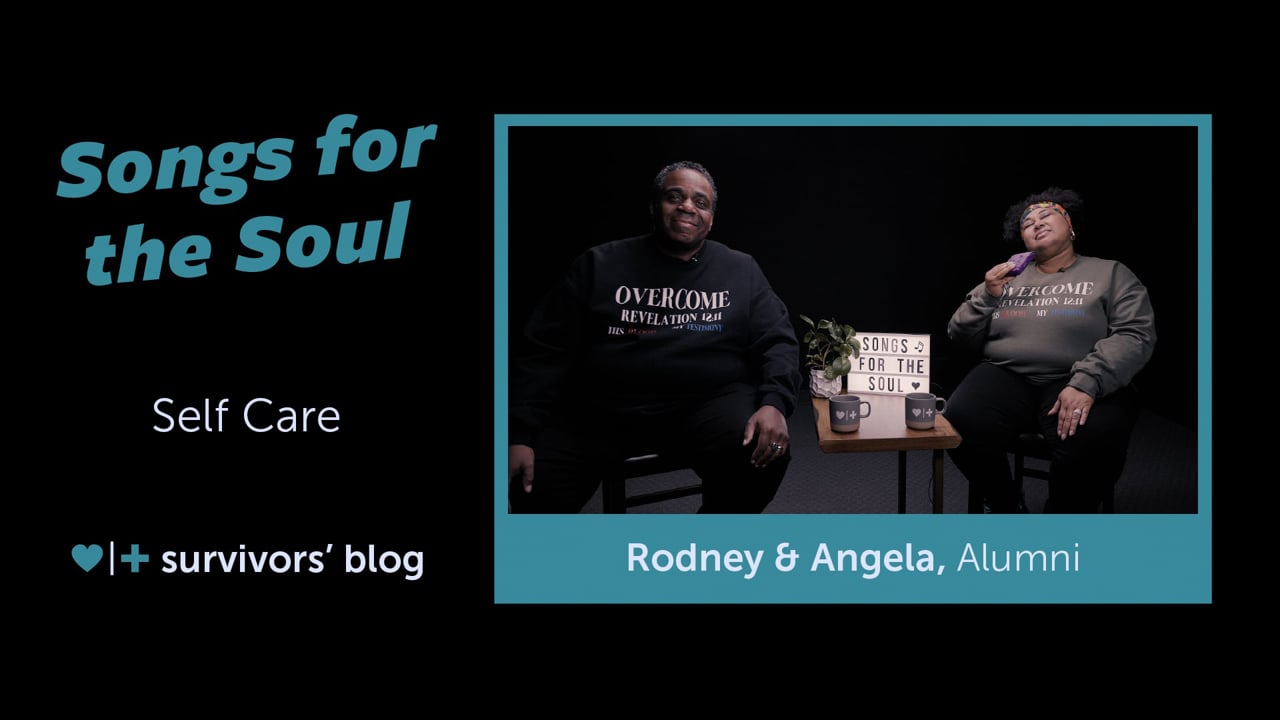
Let’s sing a fun, creative, and original song about self care (and discuss it too)! Rodney and Angela in this episode discuss the importance of self care, from the small things to the large. When your life is blown up from infidelity, self care is essential to ensure we don't lose ourselves while working through and recovering from infidelity. We hope you enjoy this Self Care Song!
Continue reading →
Group Leader Training Modules

Group Leader Resources
Welcome to our Group Leader's Training Modules page, select the section of our Leader Manual to review and watch our explainer video.
Module 1: Introduction
1.1 Introduction and Overview (3:07)
1.2 Who's Who and the Team (2:09)
1.3 Sobering Statistics (1:10)
1.4 How People find AR (1:27)
1.5 Our Foundation, Partnership, and Vision (1:14)
1.6 Our Beliefs (1:21)
Module 2: Leading Your Group
2.1 Leading Your Group Overview (1:57)
2.2 Leader's Role (1:13)
2.3 Creating a Successful Environment (2:16)
2.4 Tools along the Trail (2:41)
2.5 Handling Questions (3:41)
Module 3: Preparing to Lead
3.1 Our Courses (6:58)
3.2 Administrative Process (1:50)
3.3 Getting Ready to Lead (5:05)
3.4 Your First Call (5:37)
3.5 After the Call (3:43)
Module 4: Caring for Your Group
4.1 Caring for…
Continue reading →
