When Making the Right Decision Still Hurts: Healing from the Devastation of Infidelity
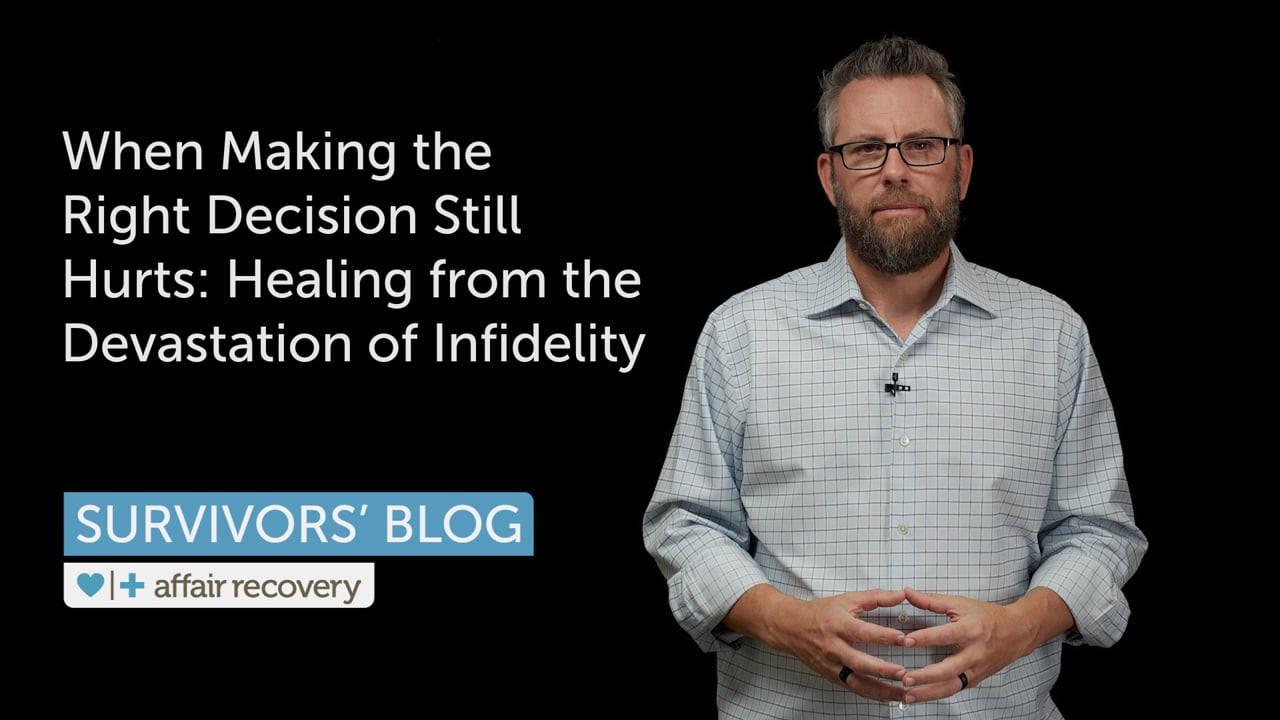
Samuel discusses doing hard things in repair work.
Continue reading →
The Gift of Forgiveness
 To forgive somebody is to say one way or another "You have done something unspeakable, and by all rights I should call it quits between us. Both my pride and my principles demand no less. However, although I make no guarantees that I will be able to forget what you have done, and though we will both carry the scars for life, I refuse to let it stand between us. One day, I still hope we can be friends".
-Frederick Buechner
This is one of my favorite definitions of forgiveness.
I don't know about you, but I don't think there is anything easy about forgiveness.
Neither the betrayed or unfaithful spouse can get very far into the recovery process without having to confront this issue. For the betrayed, they must choose to ultimately offer forgiveness for what seems unforgiveable. But what does a betrayed spouse do when they keep getting hurt? How do you forgive when someone seems to care less about you?
For the unfaithful (and that would be me), forgiveness gets pretty complicated because it requires me to look in the mirror. I have to choose to face all of the seemingly "unforgiveable" things I have done and said and ultimately choose to forgive myself.
I personally found the biggest stumbling block to my own forgiveness has been pride.
It took a long time (almost two years) for my husband to forgive what I have done to our marriage. He admits to me he has always wrestled with his pride. Pride told him that he did not deserve what was done to him. Pride also told him he shouldn't forgive me, because there was to be no guarantee I wouldn't do this again. Pride told him that he had a right to hold onto his anger and make me pay for what I had done. It was only God who quietly kept asking him to exchange his pride for forgiveness.
It has taken equally as long for me to accept and believe his gift of forgiveness. I first have had to forgive myself. Which looking at what I had done, seemed impossible. Because I have to admit, when I first started to accept the reality of the awfulness of my choices, all I wanted to do was run and hide. Shame was my ammunition to fight pride. It took a lot of months for the fog to lift and once I became curious about my own actions instead of judgmental towards them. Once I started to let go of some of the self-hatred, I was able to see and release myself all of those things I had actually been running from for so many years. Pride was the ugly little voice that kept whispering lies that I was somehow better than what I had done. Pride was behind the mask of my pretending.
Both the unfaithful and betrayed will wrestle deeply with pride. I think to be human is to be prideful. And I once heard, if you have no idea what your faults are, it is likely pride.
Like a cancer, pride can be a secret, destructive force that slowly eats away at our relationships…whether we stay married, we are separated or end up divorced. Pride is the ugly, silent, contemptuous whisper that says "I am really better than you because..."
You can have forgiveness or pride but you can't have both.
One of the reasons I can't wait to meet Jesus face to face someday is that I am fascinated by the idea that we will get to encounter someone that has absolutely zero pride and ego.
And another reason I can't wait to meet Him is that He is able to offer complete forgiveness. Scripture tells us that God is able to look at us and not remember our sins at all. He doesn't see them. While I thank God for that, it is unfathomable to me because as mere mortals, we each have this thing called a memory. We have all heard that you can forgive, but you can't forget.
Which is why one of the most helpful concepts I have learned of late has been the idea of "redemptive forgiveness". And this is the idea that we can (and must) simultaneously acknowledge what happened AND forgive. The memory of our affairs, the turmoil, the aftermath and the pain will always be with us. For all of us reading articles like these, infidelity is likely one of the most devastating things we will ever face in our lifetimes.
Only when I am able to forgive myself, I can say "never again to I want to be in such pain and agony nor cause such pain and agony". Therefore, I choose to offer forgiveness of self AND receive my husband's gift of forgiveness. Today I am really grateful for that gift.
Elizabeth
To forgive somebody is to say one way or another "You have done something unspeakable, and by all rights I should call it quits between us. Both my pride and my principles demand no less. However, although I make no guarantees that I will be able to forget what you have done, and though we will both carry the scars for life, I refuse to let it stand between us. One day, I still hope we can be friends".
-Frederick Buechner
This is one of my favorite definitions of forgiveness.
I don't know about you, but I don't think there is anything easy about forgiveness.
Neither the betrayed or unfaithful spouse can get very far into the recovery process without having to confront this issue. For the betrayed, they must choose to ultimately offer forgiveness for what seems unforgiveable. But what does a betrayed spouse do when they keep getting hurt? How do you forgive when someone seems to care less about you?
For the unfaithful (and that would be me), forgiveness gets pretty complicated because it requires me to look in the mirror. I have to choose to face all of the seemingly "unforgiveable" things I have done and said and ultimately choose to forgive myself.
I personally found the biggest stumbling block to my own forgiveness has been pride.
It took a long time (almost two years) for my husband to forgive what I have done to our marriage. He admits to me he has always wrestled with his pride. Pride told him that he did not deserve what was done to him. Pride also told him he shouldn't forgive me, because there was to be no guarantee I wouldn't do this again. Pride told him that he had a right to hold onto his anger and make me pay for what I had done. It was only God who quietly kept asking him to exchange his pride for forgiveness.
It has taken equally as long for me to accept and believe his gift of forgiveness. I first have had to forgive myself. Which looking at what I had done, seemed impossible. Because I have to admit, when I first started to accept the reality of the awfulness of my choices, all I wanted to do was run and hide. Shame was my ammunition to fight pride. It took a lot of months for the fog to lift and once I became curious about my own actions instead of judgmental towards them. Once I started to let go of some of the self-hatred, I was able to see and release myself all of those things I had actually been running from for so many years. Pride was the ugly little voice that kept whispering lies that I was somehow better than what I had done. Pride was behind the mask of my pretending.
Both the unfaithful and betrayed will wrestle deeply with pride. I think to be human is to be prideful. And I once heard, if you have no idea what your faults are, it is likely pride.
Like a cancer, pride can be a secret, destructive force that slowly eats away at our relationships…whether we stay married, we are separated or end up divorced. Pride is the ugly, silent, contemptuous whisper that says "I am really better than you because..."
You can have forgiveness or pride but you can't have both.
One of the reasons I can't wait to meet Jesus face to face someday is that I am fascinated by the idea that we will get to encounter someone that has absolutely zero pride and ego.
And another reason I can't wait to meet Him is that He is able to offer complete forgiveness. Scripture tells us that God is able to look at us and not remember our sins at all. He doesn't see them. While I thank God for that, it is unfathomable to me because as mere mortals, we each have this thing called a memory. We have all heard that you can forgive, but you can't forget.
Which is why one of the most helpful concepts I have learned of late has been the idea of "redemptive forgiveness". And this is the idea that we can (and must) simultaneously acknowledge what happened AND forgive. The memory of our affairs, the turmoil, the aftermath and the pain will always be with us. For all of us reading articles like these, infidelity is likely one of the most devastating things we will ever face in our lifetimes.
Only when I am able to forgive myself, I can say "never again to I want to be in such pain and agony nor cause such pain and agony". Therefore, I choose to offer forgiveness of self AND receive my husband's gift of forgiveness. Today I am really grateful for that gift.
Elizabeth
To forgive somebody is to say one way or another "You have done something unspeakable, and by all rights I should call it quits between us. Both my pride and my principles demand no less. However, although I make no guarantees that I will be able to forget what you have done, and though we will both carry the scars for life, I refuse to let it stand between us. One day, I still hope we can be friends".
-Frederick Buechner
This is one of my favorite definitions of forgiveness.
I don't know about you, but I don't think there is anything easy about forgiveness.
Neither the betrayed or unfaithful spouse can get very far into the recovery process without having to confront this issue. For the betrayed, they must choose to ultimately offer forgiveness for what seems unforgiveable. But what does a betrayed spouse do when they keep…
Continue reading →
Why We Run from the Consequences of Infidelity and Addiction
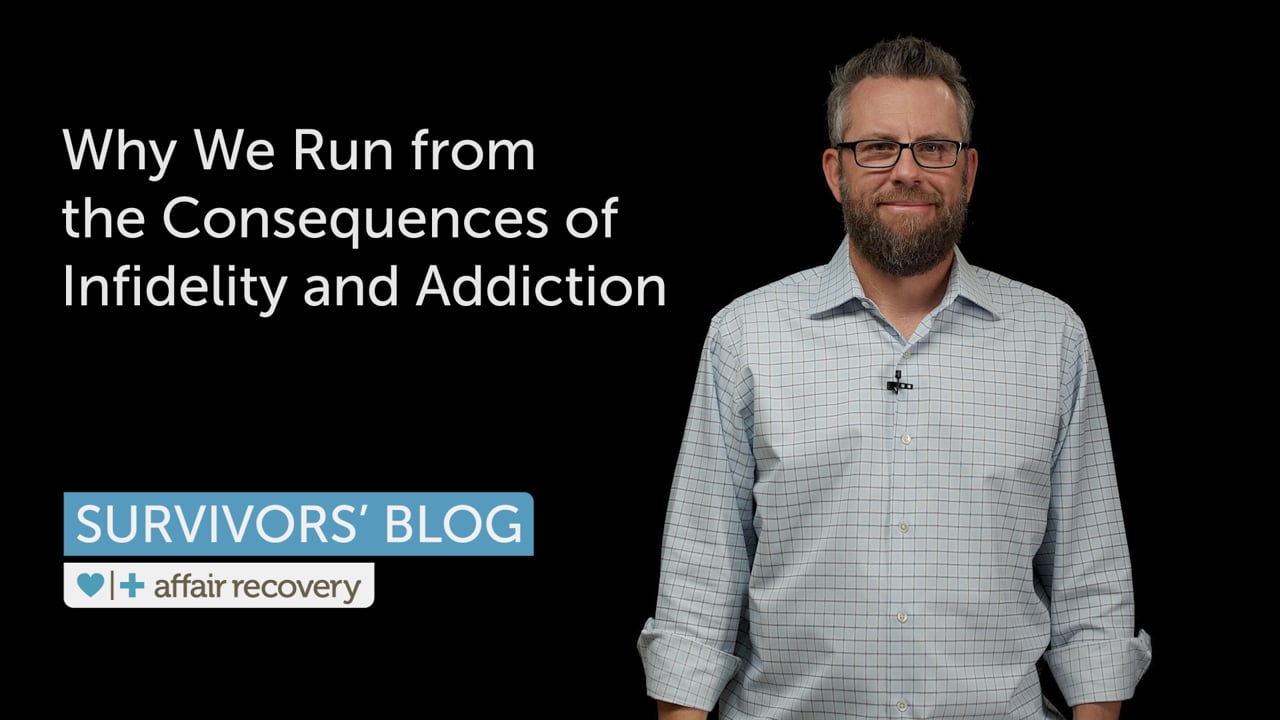
Samuel shares thoughts on why we would rather run from our pain than heal from it.
Continue reading →
31 Reasons to Stop an Affair: Part 3
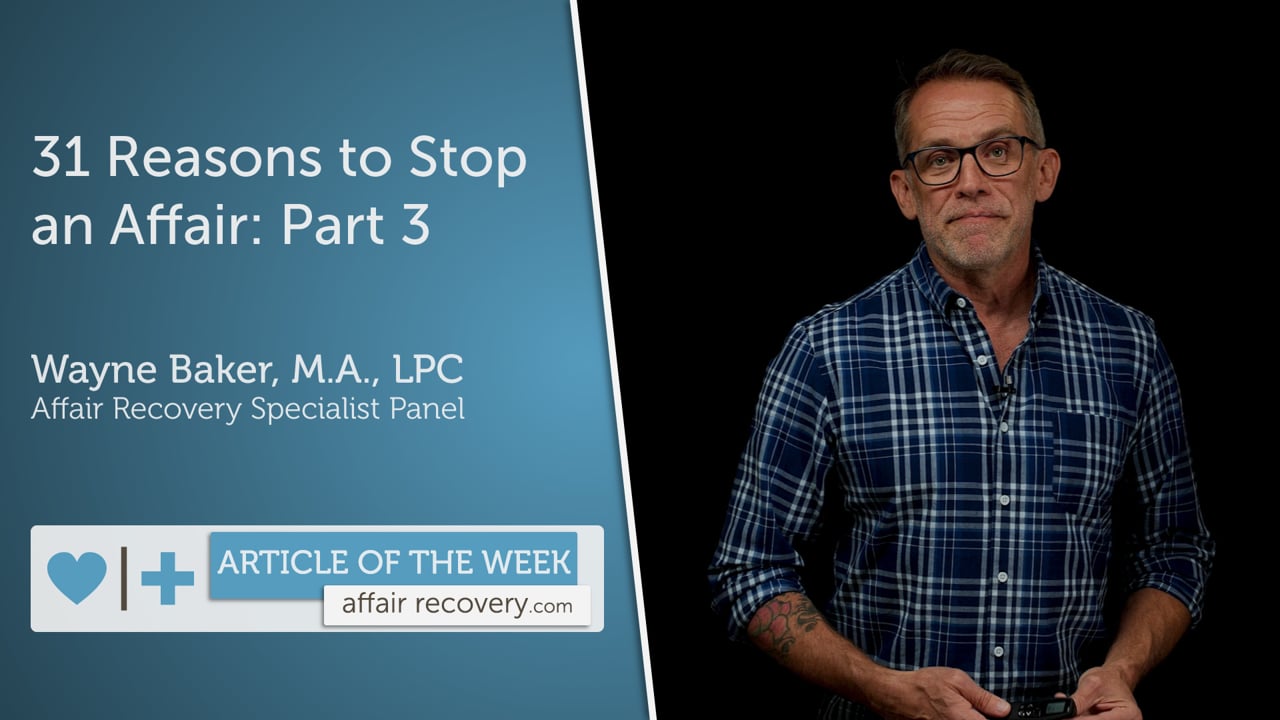
31 Reasons to Stop an Affair: A Three Part Series
Part 1: Reasons 1-10
Part 2: Reasons 11-20
Part 3: Reasons 21-31
Hope for Healing opens today. Space is limited.
Hope for Healing is our online course for the wayward to heal after infidelity. It often sells out within a few short hours
View Hope for Healing Registration Status
My staff and I have been inundated with positive feedback regarding our three part series: 31 Reasons to Stop an Affair. I'd like to thank each and every one of you that took time to comment, email, tweet, and post about our 31 Reasons series. The evidence and reasoning to end an affair is not only sound, but overwhelmingly reasonable and rational. I can tell you my staff and I have been there personally. As much as it may make sense to end an affair, it's not easy and…
Continue reading →
Who Am I, Now, after Infidelity?
Samuel shares pointed thoughts on rediscovering ourselves after infidelity.
Continue reading →
What Battle Are You Facing in Your Own Healing?
Samuel discusses personal battles we all face in recovery.
Continue reading →
31 Reasons to Stop an Affair: Part 2
31 Reasons to Stop an Affair: A Three Part Series
Part 1: Reasons 1-10
Part 2: Reasons 11-20
The easiest–and cheapest–way to start on this journey is to take our free First Steps Bootcamp. It's an online guide with 100+ pages of content and a full-length video of a mentor couple who was in as big of a mess as it can get. You'll take a big sigh of relief when you have a clear plan and learn that you're neither crazy nor alone in this journey, whichever side of the infidelity you find yourself on.
Start the Free First Steps Bootcamp Now!
If you're just joining us, we opened up the discussion of 31 Reasons to Stop an Affair last week with Part One. This week, we are continuing with Part 2: reasons 11 through 20 to end…
Continue reading →
One of the Biggest Communication Disasters an Unfaithful Spouse Can Commit
Samuel shares a humorous but life changing principle of communication post infidelity.
Continue reading →
31 Reasons to Stop an Affair: Part 1
31 Reasons to Stop an Affair: A Three Part Series
Part 1: Reasons 1-10
Part 2: Reasons 11-20
Harboring Hope registration opens at 12:00 PM Central Time (USA) today. Space is limited.
Harboring Hope is our online, anonymous course for betrayed partners. You can get your life back. It often sells out within a few hours.
View Harboring Hope Registration Status
Several years ago, I had a client named Harry, who had achieved six months of sobriety from cocaine. After a year of meeting with him, he entered my office and announced that this was the day he was going to use. I first met Harry after his wife had coerced him into entering treatment by threatening divorce. The first six months of treatment were frustrating for Harry as he discovered…
Continue reading →
How Does the Unfaithful Spouse Deal with Unforgiveness and Resentment toward the Betrayed?
Samuel tackles a touchy subject: helping the unfaithful spouse forgive.
Continue reading →
How to Deal With Grief
 Today I am sharing with you something that someone sent to me after my dad died years ago. I have never forgotten it, and I share it with you today for encouragement wherever you are within the waves and wreckage of infidelity.
(This was originally posted on the website thatericalper.com by someone unnamed)
"My friend just died. I don't know what to do."
A lot of people responded. Then there's one old guy's incredible comment that stood out from the rest that might just change the way we approach life and death.
"Alright, here goes. I'm old. What that means is that I've survived (so far) and a lot of people I've known and loved did not. I've lost friends, best friends, acquaintances, co-workers, grandparents, mom, relatives, teachers, mentors, students, neighbors, and a host of other folks. I have no children, and I can't imagine the pain it must be to lose a child. But here's my two cents."
"I wish I could say you get used to people dying. I never did. I don't want to. It tears a hole through me whenever somebody I love dies, no matter the circumstances. But I don't want it to "not matter". I don't want it to be something that just passes. My scars are a testament to the love and the relationship that I had for and with that person. And if the scar is deep, so was the love. So be it. Scars are a testament to life. Scars are a testament that I can love deeply and live deeply and be cut, or even gouged, and that I can heal and continue to live and continue to love. And the scar tissue is stronger than the original flesh ever was. Scars are a testament to life. Scars are only ugly to people that can't see."
"As for grief, you'll find it comes in waves. When the ship is first wrecked, you're drowning, with wreckage all around you. Everything floating around you reminds you of the beauty and the magnificence of the ship that it was, and is no more. And all you can do is float. You find some piece of the wreckage and you hang onto it for a while. Maybe it's some physical thing. Maybe it's a happy memory or a photograph. Maybe it's a person who is also floating. For a while, all you can do is float. Stay alive."
"In the beginning, the waves are 100 feet tall and crash over you without mercy. They come 10 seconds apart and don't even give you time to catch your breath. All you can do is hang on and float. After a while, maybe weeks, maybe months, you'll find the waves are still 100 feet tall, but they come further apart. When they come, they still crash all over you and wipe you out. But in between, you can breathe, you can function. You never know what's going to trigger the grief. It might be a song, a picture, a street intersection, the smell of a cup of coffee. It can be just about anything…and the wave comes crashing. But in between the waves, there is life."
"Somewhere down the line, and it's different for everybody, you'll find the waves are only 80 feet tall. Or 50 feet tall. And while they still come, they come further apart. You can see them coming. An anniversary, a birthday, or Christmas, or landing at O'Hare. You can see it coming, and for the most part, you prepare yourself. And when it washes over you, you know that somehow you will, again, come out on the other side. Soaking wet, sputtering, still hanging on to some tiny piece of the wreckage, but you'll come out."
"Take it from an old guy. The waves never stop coming, and somehow you don't really want them to. But you learn that you'll survive them. And other waves will come. And you'll survive them too. If you're lucky, you'll have lots of scars from lots of loves. And lots of shipwrecks."1
Here's to finding life between the waves.
-Elizabeth
originally posted on the website thatericalper.com by someone unnamed
Today I am sharing with you something that someone sent to me after my dad died years ago. I have never forgotten it, and I share it with you today for encouragement wherever you are within the waves and wreckage of infidelity.
(This was originally posted on the website thatericalper.com by someone unnamed)
"My friend just died. I don't know what to do."
A lot of people responded. Then there's one old guy's incredible comment that stood out from the rest that might just change the way we approach life and death.
"Alright, here goes. I'm old. What that means is that I've survived (so far) and a lot of people I've known and loved did not. I've lost friends, best friends, acquaintances, co-workers, grandparents, mom, relatives, teachers, mentors, students, neighbors, and a host of other folks. I have no children, and I can't imagine the pain it must be to lose a child. But here's my two cents."
"I wish I could say you get used to people dying. I never did. I don't want to. It tears a hole through me whenever somebody I love dies, no matter the circumstances. But I don't want it to "not matter". I don't want it to be something that just passes. My scars are a testament to the love and the relationship that I had for and with that person. And if the scar is deep, so was the love. So be it. Scars are a testament to life. Scars are a testament that I can love deeply and live deeply and be cut, or even gouged, and that I can heal and continue to live and continue to love. And the scar tissue is stronger than the original flesh ever was. Scars are a testament to life. Scars are only ugly to people that can't see."
"As for grief, you'll find it comes in waves. When the ship is first wrecked, you're drowning, with wreckage all around you. Everything floating around you reminds you of the beauty and the magnificence of the ship that it was, and is no more. And all you can do is float. You find some piece of the wreckage and you hang onto it for a while. Maybe it's some physical thing. Maybe it's a happy memory or a photograph. Maybe it's a person who is also floating. For a while, all you can do is float. Stay alive."
"In the beginning, the waves are 100 feet tall and crash over you without mercy. They come 10 seconds apart and don't even give you time to catch your breath. All you can do is hang on and float. After a while, maybe weeks, maybe months, you'll find the waves are still 100 feet tall, but they come further apart. When they come, they still crash all over you and wipe you out. But in between, you can breathe, you can function. You never know what's going to trigger the grief. It might be a song, a picture, a street intersection, the smell of a cup of coffee. It can be just about anything…and the wave comes crashing. But in between the waves, there is life."
"Somewhere down the line, and it's different for everybody, you'll find the waves are only 80 feet tall. Or 50 feet tall. And while they still come, they come further apart. You can see them coming. An anniversary, a birthday, or Christmas, or landing at O'Hare. You can see it coming, and for the most part, you prepare yourself. And when it washes over you, you know that somehow you will, again, come out on the other side. Soaking wet, sputtering, still hanging on to some tiny piece of the wreckage, but you'll come out."
"Take it from an old guy. The waves never stop coming, and somehow you don't really want them to. But you learn that you'll survive them. And other waves will come. And you'll survive them too. If you're lucky, you'll have lots of scars from lots of loves. And lots of shipwrecks."1
Here's to finding life between the waves.
-Elizabeth
originally posted on the website thatericalper.com by someone unnamed
Today I am sharing with you something that someone sent to me after my dad died years ago. I have never forgotten it, and I share it with you today for encouragement wherever you are within the waves and wreckage of infidelity.
(This was originally posted on the website thatericalper.com by someone unnamed)
"My friend just died. I don't know what to do."
A lot of people responded. Then there's one old guy's incredible comment that stood out from the rest that might just change the way we approach life and death.
"Alright, here goes. I'm old. What that means is that I've survived (so far) and a lot of people I've known and loved did not. I've lost friends, best friends, acquaintances, co-workers, grandparents, mom, relatives, teachers, mentors, students, neighbors, and a host of other folks. I have no children, and I can't imagine the pain it must be…
Continue reading →
If You Want to Heal from Infidelity You Have to Be Willing to Confront Yourself
Samuel shares a personal story of significant healing.
Continue reading →
Are You Forgivable? Part 3: Stupid Apologies
Are You Forgivable? A Three Part Series
Part 1: Self Assessment
Part 2: 7 Myths Undermining Forgiveness
Part 3: Stupid Apologies
EMS Online opens at 12:00 PM Central Time (USA) today. Space is limited.
EMS Online is our online course for couples to heal after infidelity. It often sells out within a few short hours
View EMS Online Registration Status
Senseless apologies not only fail to work, they usually make forgiveness even more difficult. As mentioned last week in the article "Are you Forgivable? Part 2," some of us believe myths about forgiveness. These myths can lead us to use some of the senseless apologies that we later list in this week's article.
I'd like to point out that this series on forgiveness isn't just…
Continue reading →
The Unfaithful Spouse and Isolation
Samuel discusses the need for the unfaithful spouse to have a team around them.
Continue reading →
How the Unfaithful Spouse Rediscovers Compassion
Samuel discusses the journey of the unfaithful spouse and compassion.
Continue reading →
Are You Forgivable? Part 2: 7 Myths Undermining Forgiveness
Are You Forgivable? A Three Part Series
Part 1: Self Assessment
Part 2: 7 Myths Undermining Forgiveness
Part 3: Stupid Apologies
Hope for Healing registration opens at 12:00 PM Central Time (USA) today. Space is limited.
Hope for Healing is our online, anonymous course for wayward partners. We'll help you develop a plan for healing. It often sells out within a few hours.
View Hope for Healing Registration Status
Forgiveness and reconciliation are two very different things, but reconciliation is not possible without forgiveness.
However, if you're not willing to explore why you may be difficult to forgive after infidelity, you'll sabotage the important relationships in your life while continuing to further injure your partner.
I believe there is a great deal of confusion…
Continue reading →
How Can the Unfaithful Give Themselves Permission to Live Again?
Samuel shares truths he's learned on how he forgave himself and chose to find healing.
Continue reading →
Death, Burial and Resurrection... An Interview with Tullian Tchividjian
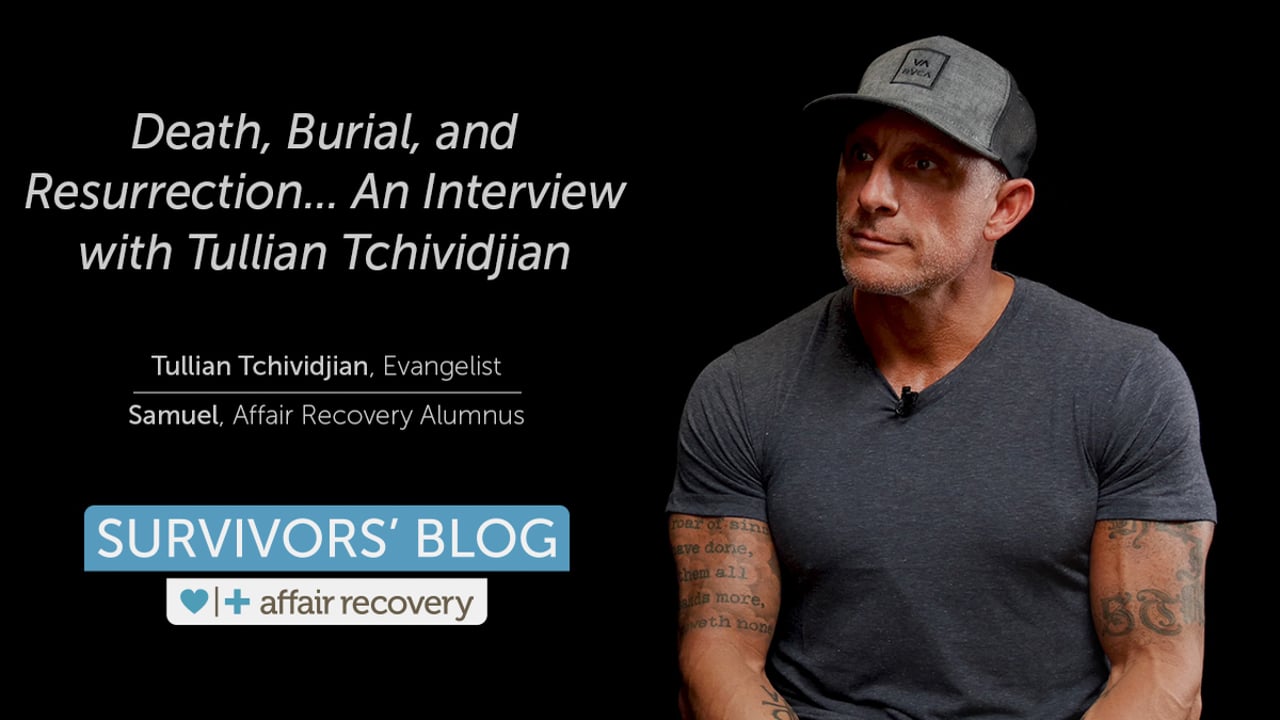
Samuel interviews Tullian Tchividjian about his personal journey before, during, and after infidelity.
Continue reading →
Are You Forgivable? Part 1: Self Assessment
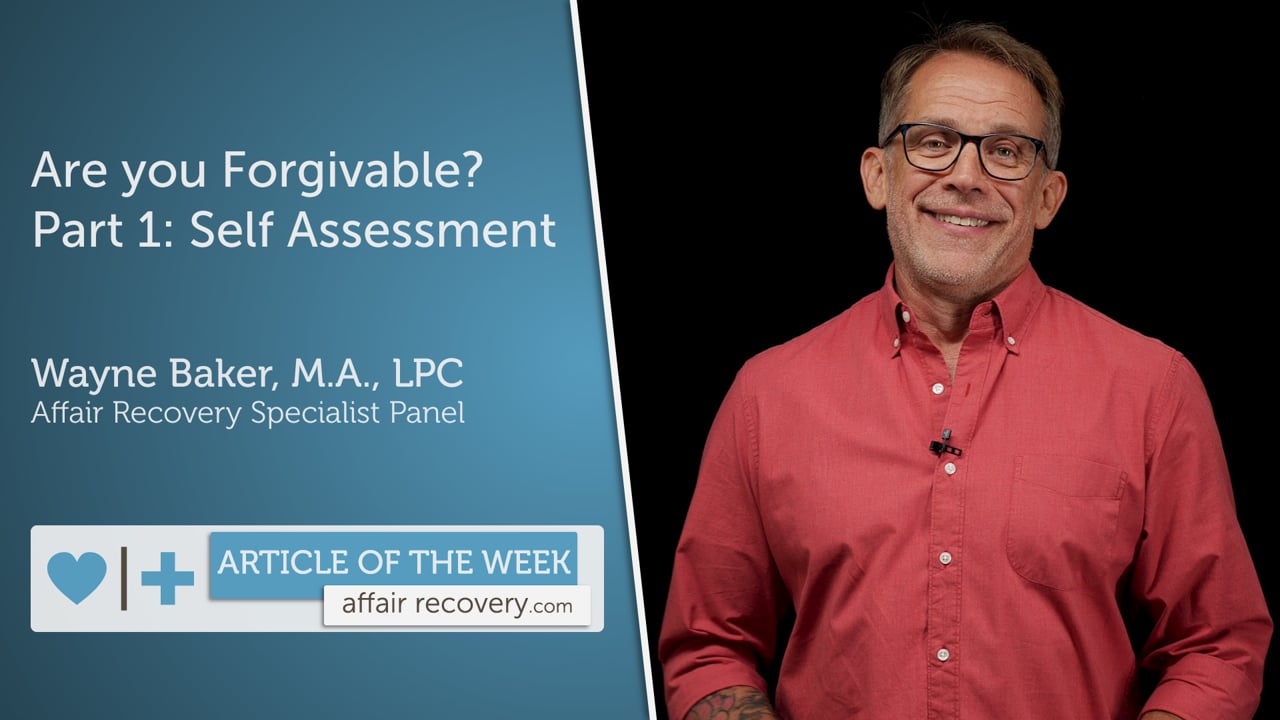
Are You Forgivable? A Three Part Series
Part 1: Self Assessment
Part 2: 7 Myths Undermining Forgiveness
Part 3: Stupid Apologies
Did you miss your chance for Hope Rising? We now have this year's conference available On-Demand. Experience what all our experts at Affair Recovery have to say about healing from infidelity.
Purchase On Demand Access Here!
When was the first time you ever really hurt your mate? Did you want them to forgive you? Did you just assume they would forgive you? Did it hurt you to hurt them?
For Stephanie and me, that first major wound was in July 1978, just a few weeks after our June 24th wedding. I've included a recap of that event below.
Hurting Steph - a personal story
Being…
Continue reading →
Healing from Infidelity Requires a Warrior's Approach
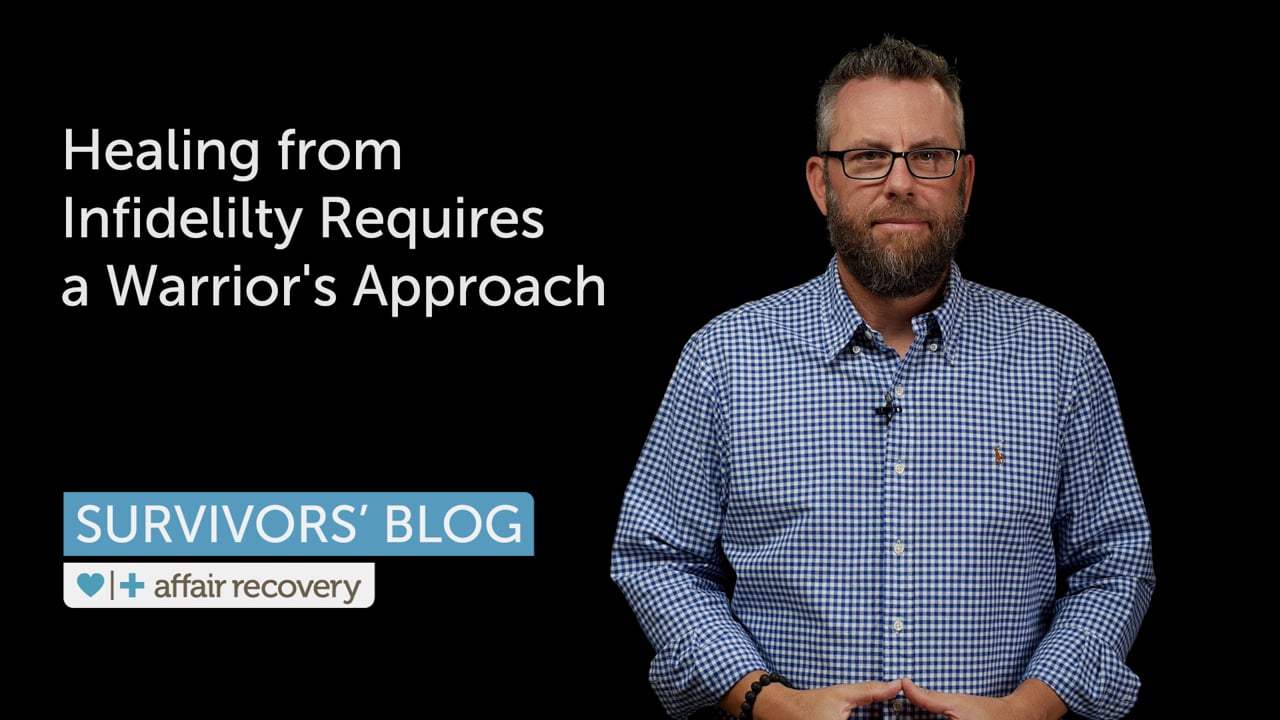
Samuel shares insight he and Samantha have used to heal both their hearts.
Continue reading →
Hope Rising 2019 On Demand
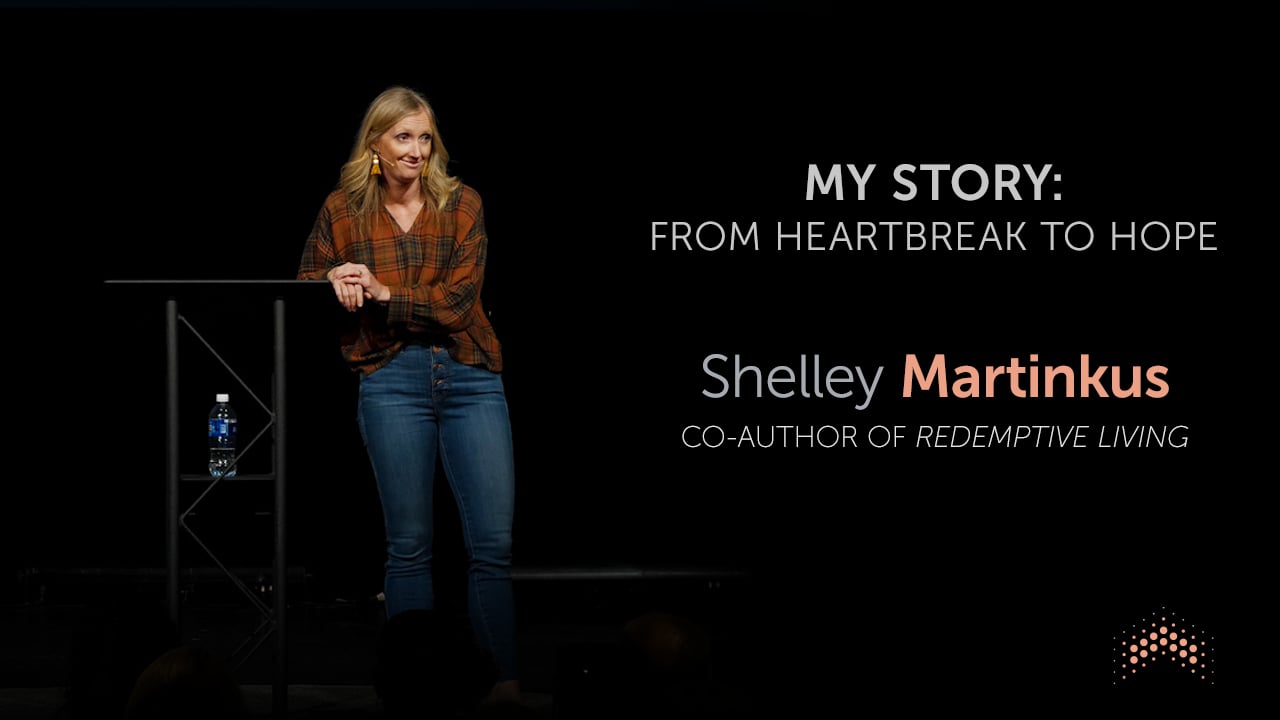
The following videos are from the sold out Second Annual Hope Rising Conference for betrayed spouses from Oct. 12th 2019. If you are interested in attending the next annual Hope Rising Conference, either in person or live streamed, learn more here: www.affairrecovery.com/hope-rising
Continue reading →
A Tool to Help the Unfaithful Spouse Fight off Shame and Self Hatred
Samuel shares a tool he used and still uses in healing from his own infidelity.
Continue reading →
Trauma from Infidelity: An Interview with a Specialist
Harboring Hope registration opens monthly. Subscribe to be notified.
Harboring Hope is our online course for betrayed spouses to heal after infidelity. It often sells out within a few short hours. Don't miss it!
Subscribe to Registration Notifications!
In 40-plus years of caring for those in crisis from infidelity and addiction, I've come to understand a thing or two about trauma. While there are many situations we're introduced to in life, very few are as traumatizing to man or woman like infidelity. It's life-altering. It changes you, regardless of what side you're on. In society, we're often times ostracized when a friend or family member learns of either ours or our spouse's infidelity. It's not IF we're going to feel traumatized, it's when.
Today I'm going to introduce you to MJ Denis, LMFT, LPC, AASECT-CST, APCATS-CCPS, one of our experts on…
Continue reading →
Key Ingredients to the Life of an Unfaithful Spouse
Samuel shares essential and necessary principles of safety for the unfaithful.
Continue reading →
Ways to Make a Betrayed Spouse Feel Safe
Samuel shares do's and don'ts to potentially win back the betrayed spouse.
Continue reading →
Social Shame Survey Results: What We Learned from Ashley Madison
EMS Weekend - Only a couple of spots left for 2019. Sign up now!
EMS Weekend Registration
**Disclaimer: The events discussed in this week's article can be triggering. If you or your spouse was affected by the Ashley Madison hack of 2015, I'd like to encourage you to use caution in reading this article as it is a hard-hitting article—addressing triggers, reminders, and shame associated with both infidelity and the Ashley Madison website. Please go slow and use wisdom with how much one reads in one sitting.
Thank you,
Rick Reynolds
Founder of Affairrecovery.com
The emotion of shame is so strong that it can drive us to take drastic actions under any circumstances, not just where infidelity has transpired.
Continue reading →
Couples in Crisis: When the Message Your Receiving Just Isn't Enough
Samuel discusses the journey couples go through when trying to heal from infidelity or addiction.
Continue reading →
Help for the Unfaithful: Identifying Your Self Destruct Button
Samuel discusses how every unfaithful spouse has a self destruct button and how to avoid it.
Continue reading →
Learning How to Be Alone
 I stink at being alone. I have never been alone; not even my time in my mother's womb was in solitude—I am a twin. I have always shared birthdays, rooms, busses, spotlights, cookies, bathrooms, etc.
When I first arrived at college, I remember sitting in my new dorm room by myself. My soon-to-be roommate would never show. Apparently she got cold feet and withdrew from the university. I remember for the first time in my life having a very primal panicky feeling of "aloneness." This was the first of many times in my life when realized I did not like that feeling and felt the desperation to rid myself of it.
Without a clue of how to deal with that desperate feeling within, I started to fill the emptiness with people. I was already an extrovert, so it wasn't too much of a stretch for me to start filling my time with boyfriends, bars, parties, friends, classmates, and people. In a college full of students, my fix was never far away. When I was with "people," I could be whoever they needed me to be.
Fast-forward to the discovery of my affairs. I began to feel that similar, primal sense of fear of abandonment. Which sounds ludicrous because I was the one who "left." In what seemed like an instant, I realized that it was a very real possibility that I could be alone. My affair partner was not going to leave his wife; my husband didn't want to even look at me.
I had no idea that there was a difference between being alone and being abandoned.
As I started pretty intensive and necessary therapy, I began to unravel my lifelong battle with my relationship to other people.
I still struggle with this. My natural and instinctive response to others is to placate and avoid conflict. I'm lousy at setting boundaries sometimes; at times, it still requires an act of God for me to simply utter the word, "No."
Today I share with you something written by an Indian Jesuit priest and therapist. When I find myself discouraged and not doing well, I have to read this and remind myself where to find my strength. People are not my god, but boy how easy it is for me to idolize them.
"Look at your life and see how you have filled its emptiness with people. As a result, they have a stranglehold on you. See how they control your behavior by their approval or disapproval. They hold the power to ease your loneliness with their company, to send your spirits soaring with their praise, to bring you down to the depths with their criticism and rejection.
Take a look at yourself spending almost every waking moment of your day placating and pleasing people, whether they are living or dead. You live by their norms, conform to their standards, seek their company, desire their love, dread their ridicule, long for their applause, meekly submit to the guilt they lay upon you; you dare not go against the fashion in the way you dress or speak or act or even think. And observe how even when you control them you depend on them and are enslaved by them. People have become so much a part of your being that you cannot imagine living a life that is unaffected or controlled by them."
-Anthony Demello
Here's to letting go and filling ourselves with something–or Someone–bigger and better.
Your fellow traveler in recovery,
Elizabeth
I stink at being alone. I have never been alone; not even my time in my mother's womb was in solitude—I am a twin. I have always shared birthdays, rooms, busses, spotlights, cookies, bathrooms, etc.
When I first arrived at college, I remember sitting in my new dorm room by myself. My soon-to-be roommate would never show. Apparently she got cold feet and withdrew from the university. I remember for the first time in my life having a very primal panicky feeling of "aloneness." This was the first of many times in my life when realized I did not like that feeling and felt the desperation to rid myself of it.
Without a clue of how to deal with that desperate feeling within, I started to fill the emptiness with people. I was already an extrovert, so it wasn't too much of a stretch for me to start filling my time with boyfriends, bars, parties, friends, classmates, and people. In a college full of students, my fix was never far away. When I was with "people," I could be whoever they needed me to be.
Fast-forward to the discovery of my affairs. I began to feel that similar, primal sense of fear of abandonment. Which sounds ludicrous because I was the one who "left." In what seemed like an instant, I realized that it was a very real possibility that I could be alone. My affair partner was not going to leave his wife; my husband didn't want to even look at me.
I had no idea that there was a difference between being alone and being abandoned.
As I started pretty intensive and necessary therapy, I began to unravel my lifelong battle with my relationship to other people.
I still struggle with this. My natural and instinctive response to others is to placate and avoid conflict. I'm lousy at setting boundaries sometimes; at times, it still requires an act of God for me to simply utter the word, "No."
Today I share with you something written by an Indian Jesuit priest and therapist. When I find myself discouraged and not doing well, I have to read this and remind myself where to find my strength. People are not my god, but boy how easy it is for me to idolize them.
"Look at your life and see how you have filled its emptiness with people. As a result, they have a stranglehold on you. See how they control your behavior by their approval or disapproval. They hold the power to ease your loneliness with their company, to send your spirits soaring with their praise, to bring you down to the depths with their criticism and rejection.
Take a look at yourself spending almost every waking moment of your day placating and pleasing people, whether they are living or dead. You live by their norms, conform to their standards, seek their company, desire their love, dread their ridicule, long for their applause, meekly submit to the guilt they lay upon you; you dare not go against the fashion in the way you dress or speak or act or even think. And observe how even when you control them you depend on them and are enslaved by them. People have become so much a part of your being that you cannot imagine living a life that is unaffected or controlled by them."
-Anthony Demello
Here's to letting go and filling ourselves with something–or Someone–bigger and better.
Your fellow traveler in recovery,
Elizabeth
I stink at being alone. I have never been alone; not even my time in my mother's womb was in solitude—I am a twin. I have always shared birthdays, rooms, busses, spotlights, cookies, bathrooms, etc.
When I first arrived at college, I remember sitting in my new dorm room by myself. My soon-to-be roommate would never show. Apparently she got cold feet and withdrew from the university. I remember for the first time in my life having a very primal panicky feeling of "aloneness." This was the first of many times in my life when realized I did not like that feeling and felt the desperation to rid myself of it.
Without a clue of how to deal with that desperate feeling within, I started to fill the emptiness with people. I was already an extrovert, so it wasn't too much of a stretch for me to start filling my time with boyfriends, bars, parties, friends, classmates, and people. In…
Continue reading →