
Help With Incessant Triggers and Reminders
Are you at a place where you can't seem to get away from the constant triggers and reminders of the affair? Are intrusive thoughts keeping you from sleep, work, or being able to function?
Did you know that in the early weeks following discovery, it is quite possible for the betrayed spouse to have several hundred of these a day? Will it ever get better? Will they lessen in frequency? Wayward spouses, does it seem that your mate can't do anything else but think about the affair and ask questions?
Even though I am extremely pragmatic by nature, I found myself needing many concepts simply and basically explained to me during my recovery from infidelity. Now that I am a Licensed Professional Counselor (LPC) and a member of Affair Recovery's Emergency Marriage Seminar (EMS) Weekend Specialist team, I must admit I made a LOT of mistakes in the…
Continue reading →
What is Healing?
Find guidance to healing after infidelity with EMS Online. This course is comprised of expert methodology honed from decades of experience exclusively in the field of infidelity to better serve couples as they address the betrayal, reconnect as partners and restore their lives.
Learn More | EMS Online
If you've ever read one of my emails, you may have noticed that my closing remark is always "To healing." Recently someone asked what that means to me? What is healing?
Webster's Dictionary says that it's "tending to cure or restore to health." All of us living on this planet are well aware of the wounds life brings and the need we all have for healing.
Healing enables me to wake each day feeling fortunate to be alive. It grants me freedom to live beyond the painful events of my past and…
Continue reading →
How to Heal the Anger That Won’t Let Go After Infidelity
The rage that comes after infidelity can make you feel like you've become someone you don't recognize — capable of words, actions, and emotional spirals you never thought possible. In Episode 16, our expert therapists, joined by EMS Weekend Clinical Contributor Brett Hart, LPC, open up with their own deeply personal stories of breaking down in anger, what they learned about the fear, shame, and grief that often sit beneath the rage, and the practical ways they channeled it without doing more damage to themselves or the people they love. If you're feeling stuck in anger you can't seem to shake, or watching it come out sideways in places it doesn't belong, this episode is a reminder that you're not crazy, you're not alone, and there is a way through.
Continue reading →
Understanding the Mind of the Unfaithful: Minimizing the Affair
To fully comprehend infidelity, we must acknowledge and understand many different influential components, not the least of which is secrecy. Secrecy plays a huge role in the wayward spouse's absence of guilt when violating commitments or morals. "No blood, no foul," right? When people pursue a course of action that benefits them but harms others, they try to minimize the consequences or altogether avoid looking at the harm they've caused. If minimization fails to work, then they will distort the consequences or choose not to believe the evidence. "As long as the harmful results of one's conduct are ignored, minimized, distorted, or disbelieved, there is little reason for self-censure to be activated."1
It takes a brave stubbornness to stay the course of truly believing you will never get caught. It's easier to harm others when their potential…
Continue reading →
Therapy, Groups, and Intensives: What Actually Works After an Affair?
Not all therapy is created equal – and after an affair, finding the right kind of help can feel like searching in the dark. In Episode 15, our expert therapists are joined by special guest, Candace, to talk about what quality care actually looks like, how to know if your therapist has the training your situation requires, what holistic care includes beyond the therapy room, and what to think about the rising trend of AI therapy. We live in a world overflowing with content — but discover why community is what actually heals.We created a resource to help you ask the questions and apply the principles talked about in this episode. Use our Finding Quality Care resource to discern your next step.
Continue reading →
10 Critical Recovery Mistakes to Avoid After an Affair
Most couples don't fail to heal from infidelity because they don't love each other; they fail because of 10 common mistakes that stall the recovery process and can even end it altogether.
We often make things worse because we’re operating out of shock and pain. I get it. I’ve been there, too. Whether you strayed or you were betrayed, today I’m giving you the manual we were never handed on our wedding day.
Don't Skip the Other List
You might be tempted to only read “your” list. That is a mistake in and of itself. If you’re the unfaithful spouse, you need to understand the betrayed partner's pitfalls so you can stop unintentionally triggering them! If you’re the betrayed, you need to hear the unfaithful’s list so you can understand why your partner is stonewalling.
Top 5 Mistakes: Unfaithful Partner
Unfaithful Partner Mistake #1
Not…
Continue reading →
The Hidden Cause of Affairs and Finding Answers with Jay Stringer
Whether you're an unfaithful spouse haunted by the desires that led you here, or a betrayed spouse grieving the unmet desires of a marriage that wasn't what you thought it was, your relationship with desire sits at the center of your recovery — even if you've never thought of it that way. In this bonus episode, therapist, author, and researcher Jay Stringer joins to talk about his new book Desire, why our culture's two dominant approaches to our core wants keep us stuck, and how getting curious about our desires — instead of condemning them — becomes the path toward real healing. If shame has been your primary tool for trying to recover, this conversation offers something different: a way through the pain that takes your desires seriously without letting them run your life.Jay Stringer is a licensed mental health counselor, researcher, and speaker who helps people uncover…
Continue reading →
Forgiving Infidelity: The Gift of Forgiveness
Join other betrayed mates on the path to healing with our life-changing Harboring Hope online course and start a better, brighter chapter.
Learn More | Harboring Hope
Long ago when I was first starting out in business, I had a friend who abused and misused me. The circumstance was simple. After committing to partner with me on a business plan, he told me he had found a more promising partner, took my idea and ran away. In the blink of an eye, I was on the outside, crushed by the fickle state of relationships. What I felt then were the same emotions many experience when first discovering infidelity. (Although, I recognize the intensity of the pain pales in comparison to what Stephanie experienced with my own betrayal over three decades ago).
When my business partner left me, at first, I felt devastated and alone. I wondered what was…
Continue reading →
Trauma, Trickle-Truth & Trust: Top Barriers to Recovery
Recovery after infidelity rarely follows a clean path — and sometimes the very things meant to bring healing become the barriers to it. In Episode 14, our expert therapists answer real listener questions on the trauma that doesn't fade with time, the compounding wound of trickle truth, the complication of an affair partner who's also family, and how to take responsibility without slipping into justification. Whether you're freshly in the pain or years into the journey — and whether your spouse is doing the work alongside you or not — we offer answers to help you accept agency and move forward.
Continue reading →
Infidelity Counseling: How Effective Is It?
In 2011, I was diagnosed with cancer. It's one of those events that changes everything. When it happened, I didn't go to my general practitioner and ask him to treat it. I found the best specialist here in Austin—and another one in Indiana—because I wanted the best care and the best chance of survival!
Infidelity is much like cancer. You don't want someone who isn't a specialist. The stakes are simply too high. And yet, people often go to a therapist with great intentions only to discover that their counselor—however well-meaning—doesn't really know how to help. Most graduate schools and seminaries fail to provide adequate training in the treatment of infidelity. At Affair Recovery, we constantly hear from couples who made little progress with untrained therapists who sometimes offered truly dangerous recommendations.
Cover more ground faster…
Continue reading →
Feeling Like a Zombie? How to Survive the Discovery of an Affair
 Shortly after discovering my husband’s affair, I was at Costco. I remember finding myself walking up and down the aisles aimlessly. I had no idea why I was there or what I was doing. I felt like the life had been drained out of me and I was nothing but a shell. Does this sound familiar?
I called my friend while standing in one of the aisles. I told her, “I just feel like a zombie — the walking dead.” My life, in the moment, felt like it had lost all meaning. I didn’t know what I was supposed to do, and I certainly didn’t know how to do it. I felt like I had no purpose.
My existence felt empty, void.
That sounds really drastic, I know. But if you are early on in your stage of learning of your spouse’s affair, you may be able to relate to this feeling of emptiness. I want you to know how sorry I am that you are going through this. It is awful.
I also want to give you hope. I can look back now, and although I can recollect that feeling, it is not my day to day existence. I have breathed again. I have felt life stir within me again. I no longer dread waking up and facing the day.
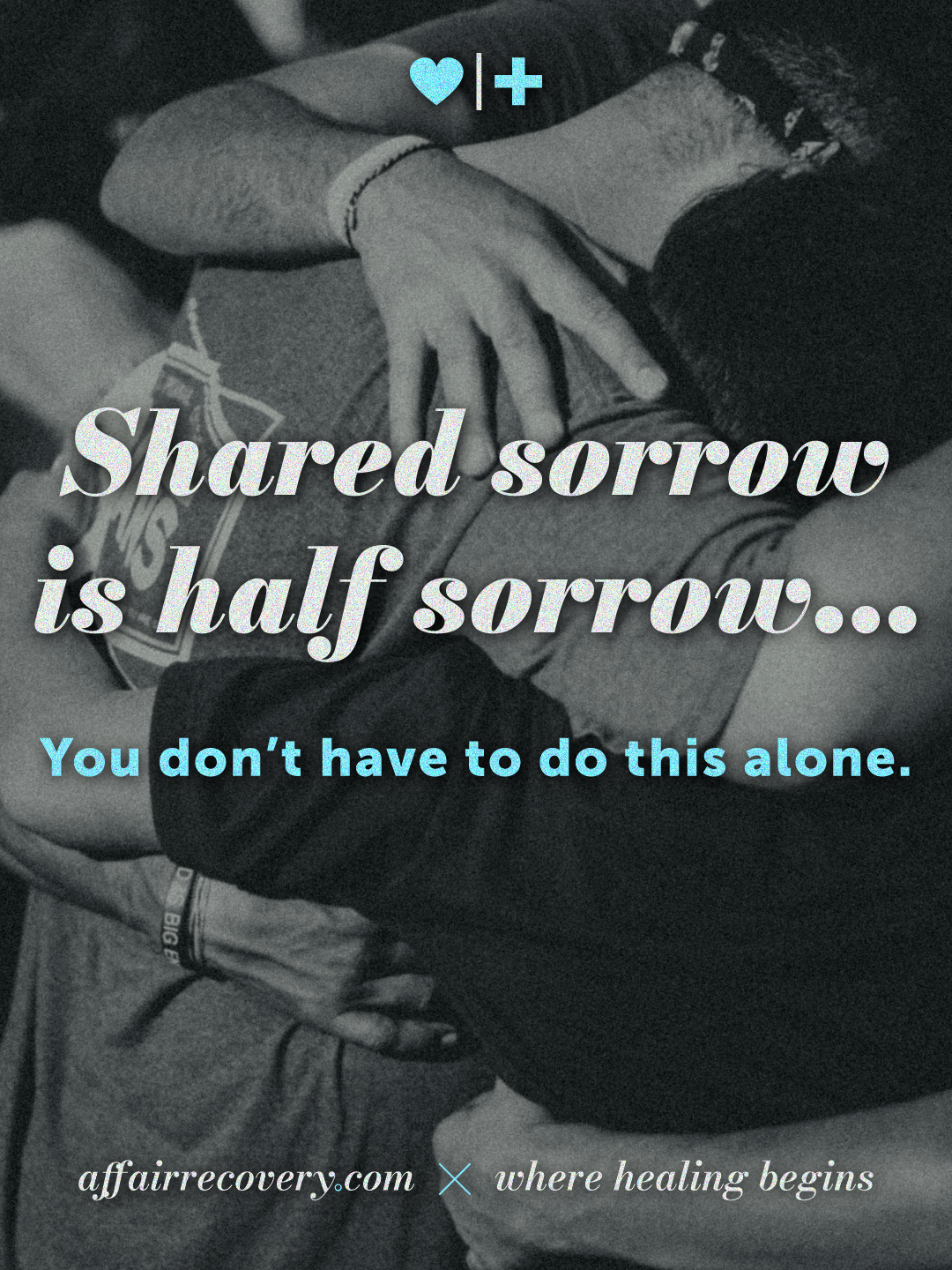
But if you are in that place, I want to share some things that helped me through it. First — a friend, one that I could call from the bustling aisles of Costco and tell them, “I don’t know what I am doing. Why am I here? I feel like a zombie. What should I do?” You need a friend who can speak truth over you and tell you, “You are not a zombie. You are a child of God, you will get through this.” This friend may not be walking the same road as you, but a true friend can listen to your heart, your pain, your agony. In being able to share our pain with others, it lightens our load. I listened to a book recently by Eddie Jaku, a holocaust survivor, titled The Happiest Man on Earth. One of the things he said really resonated with me:
“Shared sorrow is half sorrow…”
When we have the freedom to talk openly with others who are listening and leaning in, something powerful happens. Our load is lightened. It can’t really be explained. Honestly, by sharing my pain that day with a friend, nothing about my circumstances changed. But, I was reminded that I had a friend who cared about me. And that really did change things for me on the inside.
Secondly, I intentionally carved out space to let my feelings out. I would tell the kids I’d be in my room for a bit, make sure all five of them were occupied, then I would go into my room, lock the door, and get the tissue box. When I got to my closet and closed the door, I’d set a timer for about 20 minutes. I would allow myself to weep, and question, and wonder, and scream, and all the things — for a set period of time. When the timer went off I would get up and go to the bathroom to wash my face. Then I would continue on with my day as best as I could. As you know, this newfound reality was all consuming. I could think of nothing else. But the truth was that I had five children I was homeschooling. You may be a stay at home mom with a household to manage. You may have a job that you leave the home for and are expected to get things done. And so to manage the necessary parts of my day to day life, I had to find a way to manage my pain, my runaway thoughts, and my broken heart. This time in my closet gave me an allocated “safe place” to let it out for a bit. Releasing my pain opened up a little bit of space inside of me so I could manage the other things. Since I knew that I would do the same thing again tomorrow, I was able to set aside my crazy train of thoughts temporarily.
Friend, again I am so sorry that you are walking through this. I do know it’s awful. Take a baby step today towards coping with your pain. Maybe you are ready to sign up for Harboring Hope, a safe place to connect with others who understand this struggle, can listen with empathy, and speak truth over you. You don’t need to do this alone.
Shortly after discovering my husband’s affair, I was at Costco. I remember finding myself walking up and down the aisles aimlessly. I had no idea why I was there or what I was doing. I felt like the life had been drained out of me and I was nothing but a shell. Does this sound familiar?
I called my friend while standing in one of the aisles. I told her, “I just feel like a zombie — the walking dead.” My life, in the moment, felt like it had lost all meaning. I didn’t know what I was supposed to do, and I certainly didn’t know how to do it. I felt like I had no purpose.
My existence felt empty, void.
That sounds really drastic, I know. But if you are early on in your stage of learning of your spouse’s affair, you may be able to relate to this feeling of emptiness. I want you to know how sorry I am that you are going through this. It is awful.
I also want to give you hope. I can look back now, and although I can recollect that feeling, it is not my day to day existence. I have breathed again. I have felt life stir within me again. I no longer dread waking up and facing the day.
But if you are in that place, I want to share some things that helped me through it. First — a friend, one that I could call from the bustling aisles of Costco and tell them, “I don’t know what I am doing. Why am I here? I feel like a zombie. What should I do?” You need a friend who can speak truth over you and tell you, “You are not a zombie. You are a child of God, you will get through this.” This friend may not be walking the same road as you, but a true friend can listen to your heart, your pain, your agony. In being able to share our pain with others, it lightens our load. I listened to a book recently by Eddie Jaku, a holocaust survivor, titled The Happiest Man on Earth. One of the things he said really resonated with me:
“Shared sorrow is half sorrow…”
When we have the freedom to talk openly with others who are listening and leaning in, something powerful happens. Our load is lightened. It can’t really be explained. Honestly, by sharing my pain that day with a friend, nothing about my circumstances changed. But, I was reminded that I had a friend who cared about me. And that really did change things for me on the inside.
Secondly, I intentionally carved out space to let my feelings out. I would tell the kids I’d be in my room for a bit, make sure all five of them were occupied, then I would go into my room, lock the door, and get the tissue box. When I got to my closet and closed the door, I’d set a timer for about 20 minutes. I would allow myself to weep, and question, and wonder, and scream, and all the things — for a set period of time. When the timer went off I would get up and go to the bathroom to wash my face. Then I would continue on with my day as best as I could. As you know, this newfound reality was all consuming. I could think of nothing else. But the truth was that I had five children I was homeschooling. You may be a stay at home mom with a household to manage. You may have a job that you leave the home for and are expected to get things done. And so to manage the necessary parts of my day to day life, I had to find a way to manage my pain, my runaway thoughts, and my broken heart. This time in my closet gave me an allocated “safe place” to let it out for a bit. Releasing my pain opened up a little bit of space inside of me so I could manage the other things. Since I knew that I would do the same thing again tomorrow, I was able to set aside my crazy train of thoughts temporarily.
Friend, again I am so sorry that you are walking through this. I do know it’s awful. Take a baby step today towards coping with your pain. Maybe you are ready to sign up for Harboring Hope, a safe place to connect with others who understand this struggle, can listen with empathy, and speak truth over you. You don’t need to do this alone.
Shortly after discovering my husband’s affair, I was at Costco. I remember finding myself walking up and down the aisles aimlessly. I had no idea why I was there or what I was doing. I felt like the life had been drained out of me and I was nothing but a shell. Does this sound familiar?
I called my friend while standing in one of the aisles. I told her, “I just feel like a zombie — the walking dead.” My life, in the moment, felt like it had lost all meaning. I didn’t know what I was supposed to do, and I certainly didn’t know how to do it. I felt like I had no purpose.
My existence felt empty, void.
That sounds really drastic, I know. But if you are early on in your stage of learning of your spouse’s affair, you may be able to relate to this feeling of emptiness. I want you to know how sorry I am that you are going through this. It is awful.
Continue reading →
How to Overcome the 12 Most Common Fears after an Affair
Infidelity doesn't just break your heart; it holds you hostage. You feel trapped inside your own life, paralyzed by fear. But did you know you weren't born with this anxiety? You learned it.
Fear can trick us into believing life will always be like this. Today, we’re exploring the 12 most common fears that keep both betrayed and unfaithful spouses stuck in the trauma from infidelity.
Most Common Fears
Let’s start with the biggest fears of betrayed spouses: (I know I’m going to be in really good company with these…and I hear the first one the most often!)
I fear the unknown. There is often a deep fear that we don’t know the whole truth, that there’s more that is intentionally being kept from us. If there’s been multiple D-Days, it’s so hard to know if there’s another one lurking around the corner.
I fear they’ll relapse. A primary fear is that the…
Continue reading →
Being Stuck In the Pain, Grief and Loss of the Betrayal
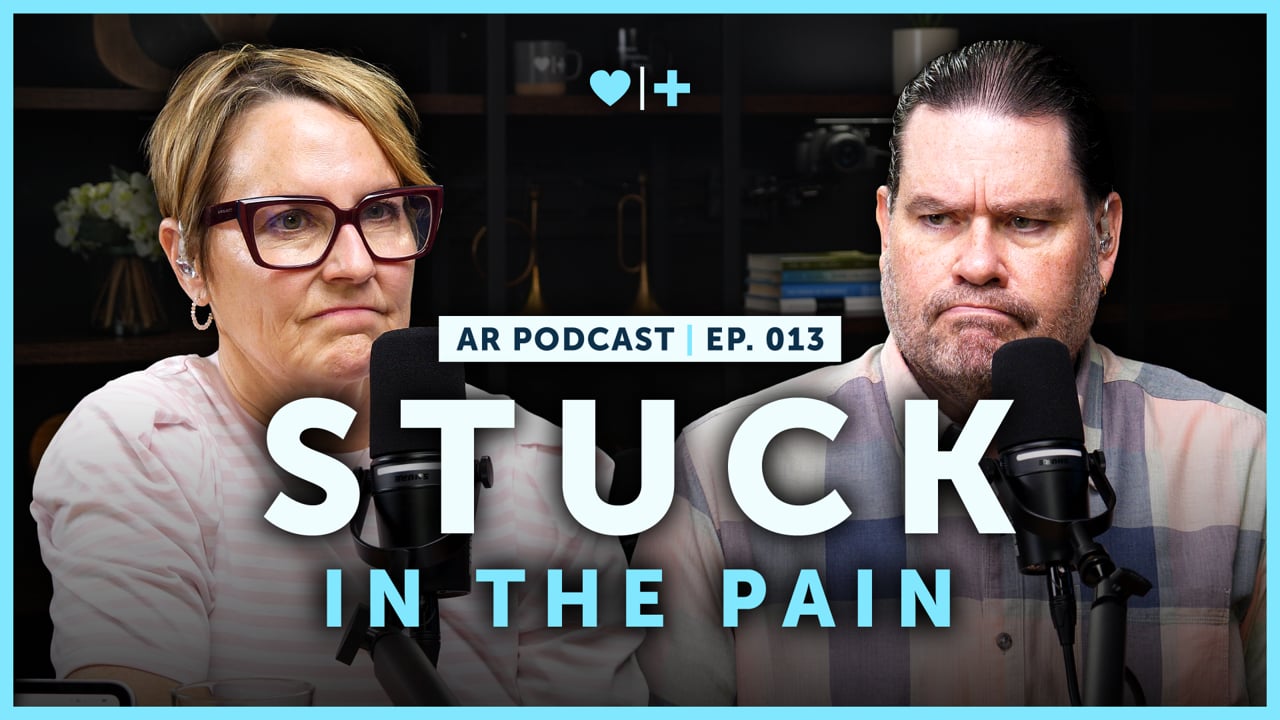
In the same way you never expected infidelity to be part of your story, you most likely didn't expect the immensity of the pain that comes with it — whether you're the one who was betrayed or the one who betrayed. In Episode 13, our expert therapists unpack why time alone doesn't heal this kind of wound, the unique loneliness of grief after betrayal (the kind there's no Hallmark card for), and the difference between grieving the loss and actually mourning it — the step most people miss. Whether you're freshly in the rawness of discovery or years out and still feeling stuck, we offer a path forward that doesn't ask you to bury the pain, but to face it in a way that can transform it.
Continue reading →
The Workplace Affair: Why the Office is the #1 Place for Infidelity
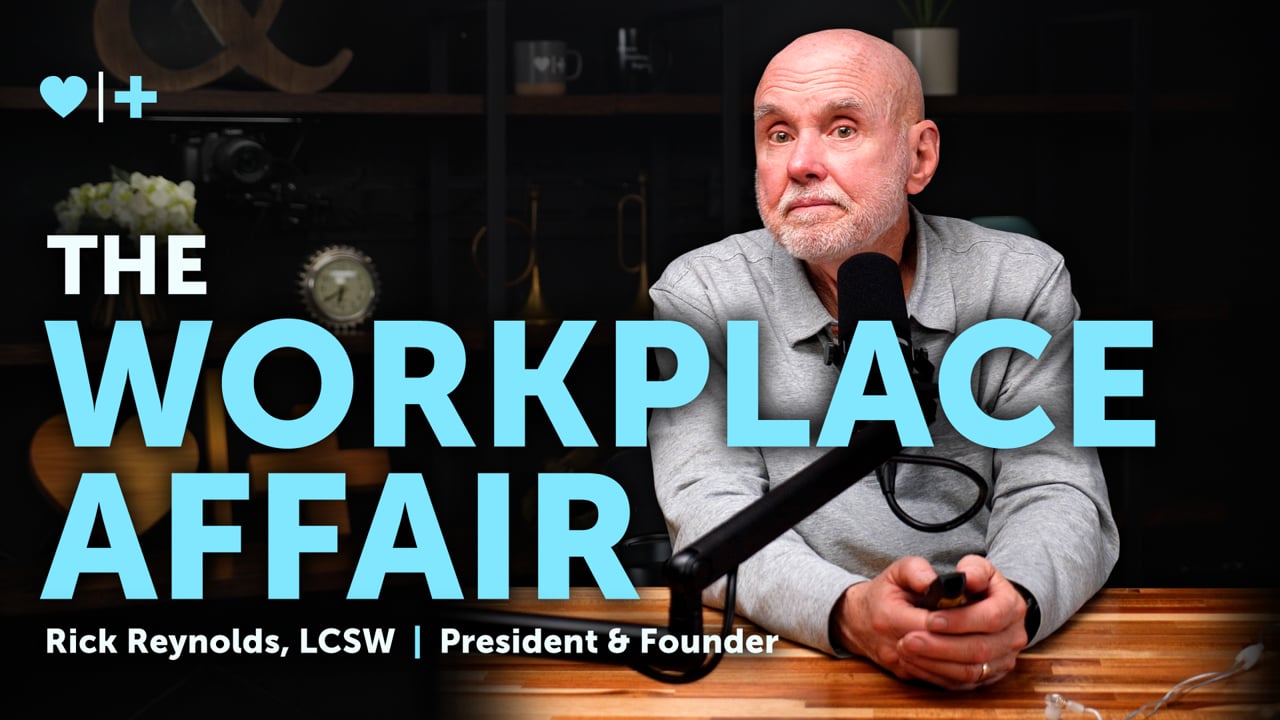
The survey that Rick mentions in the video has closed. To those that took time to fill it out, thank you for supporting others in the recovery community.
Do you know where affairs are most likely to occur? If you guessed the workplace, you're spot on! For many, the office is the "danger zone"—the place where professional proximity can transform into personal entanglement.
Why is the workplace such a high-risk environment? How do I prevent myself from becoming a statistic? How can I navigate the complexities of continuing to work with the AP (affair partner)? We'll even explore how a simple weather report once saved a marriage.
There are always pieces of our situation that are unique to us but so many other couples are also facing the complexity of workplace affairs. Recover and grow alongside other couples…
Continue reading →
Dealing with Reminders
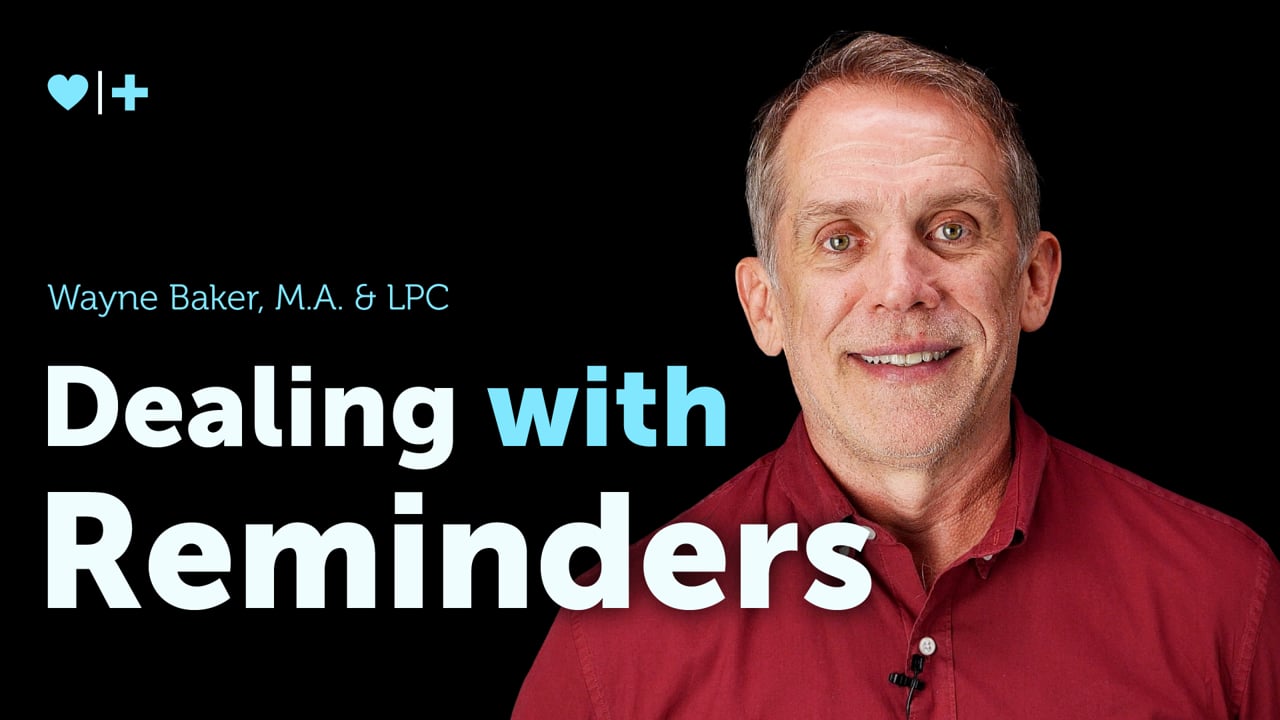
Back in the mid-eighties, I had a business fail. I guess that's not unusual in the world of business, but it was new to me. In fact, when I went down, I went down big. I lost just about everything as I desperately tried to save the business. I spent our savings, our retirement, even borrowed money, all in an attempt to hold out until the market turned.
The only problem was the market never turned, so we ran smack dab into financial ruin.
Thankfully, God was faithful. He met our needs and took us in a new direction. As usual, he was able to take the worst thing that ever happened to us and make it the best.
Now, you may be wondering why I'm sharing this story, or what this has to do with surviving an affair, but I have discovered that almost every crisis has stinging parallels. How we respond has little to do with the type of crisis…
Continue reading →
Does Porn Count As Cheating? Finding True Intimacy
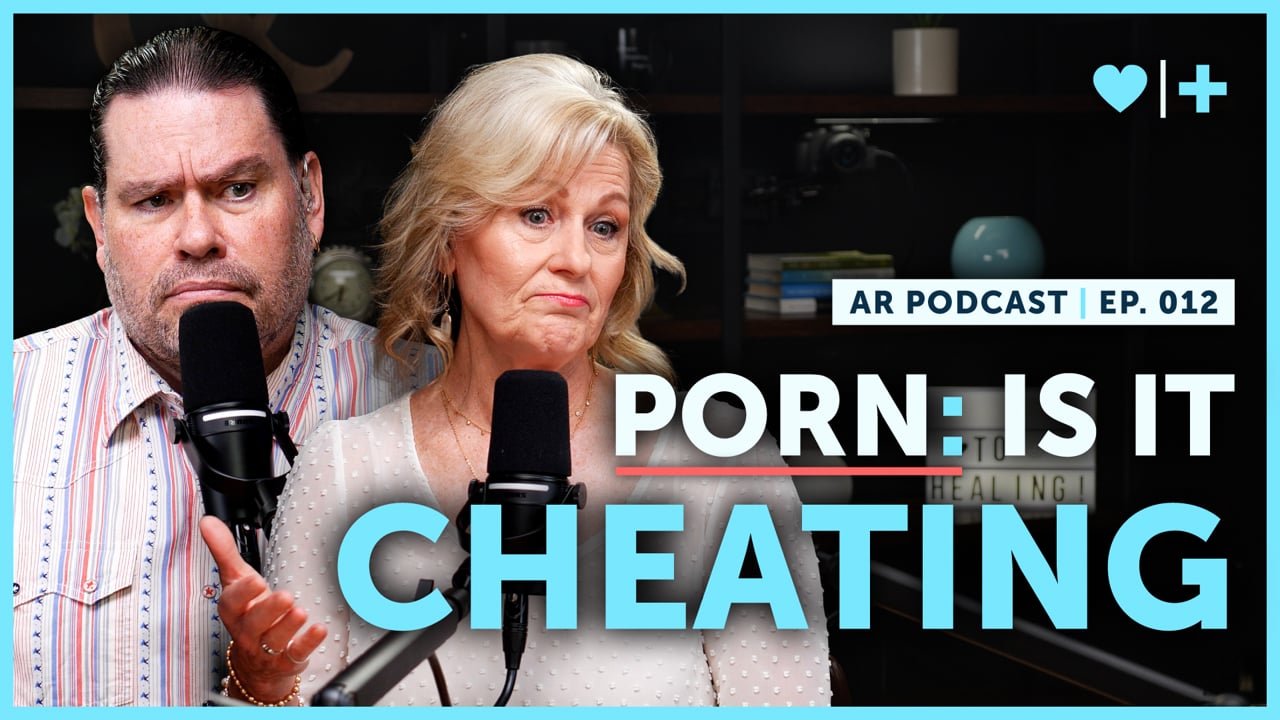
If you’ve discovered your spouse is using porn, you might be asking if your pain is valid or if it’s "really" infidelity. You’re not alone in this painful tension. In episode 12, our expert therapists dive into why porn is a "sanitized" yet still life-shattering form of betrayal, its impact on the relationship, and what true intimacy looks like. Whether you are struggling with a long-term addiction, a different type of infidelity altogether, or wondering if recovery looks different for porn than a physical affair, we offer a path for you to find true intimacy—perhaps even for the very first time.
Continue reading →
Is it Narcissism? Explaining Your Spouse's Behavior
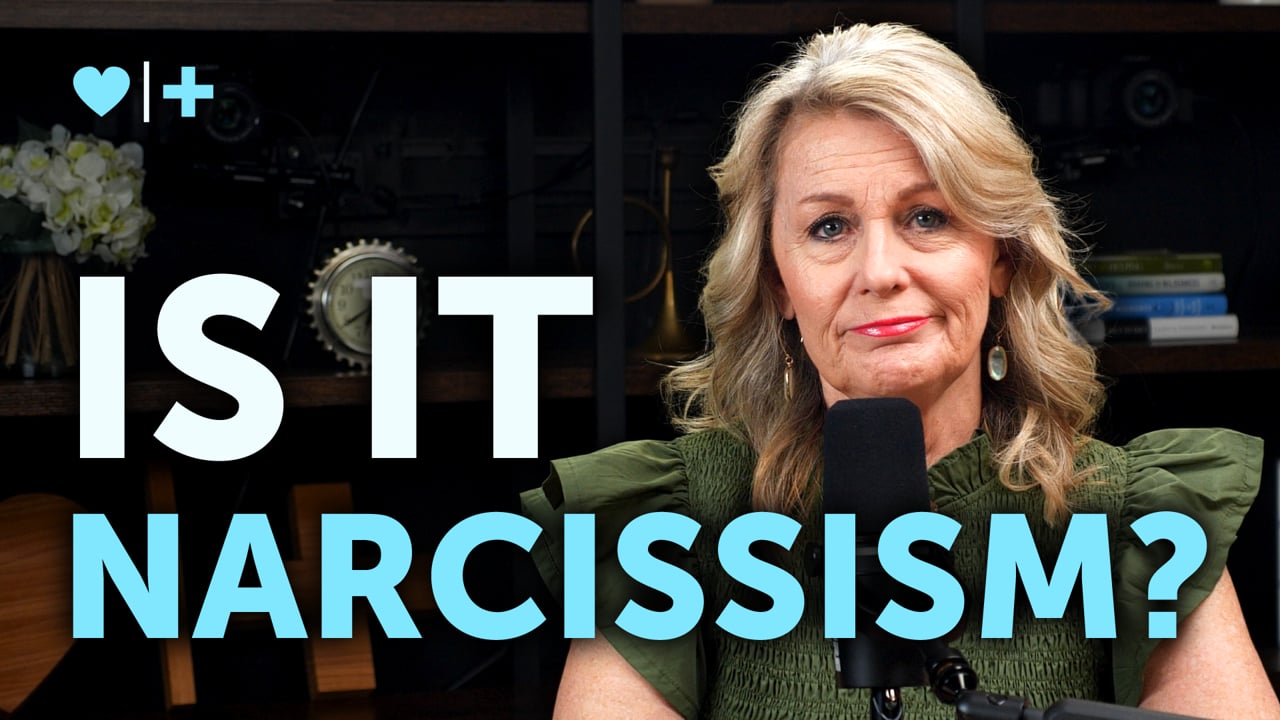
If you are the betrayed spouse, I want to ask you a question. Does talking to your partner about the infidelity feel like you're walking into a thick fog of confusion? Does it sometimes feel like a wrestling match where you always come out the loser?
You were the one betrayed, yet somehow, you end up labeled as the "bad guy" even though they were the one who cheated in the marriage. You get hooked into thinking they might really want to understand your experience, so you try to explain your pain, hoping for a moment of connection. But your words always seem to get twisted, thrown back on you, and suddenly, they are the victim. You are left wondering how the conversation went off the rails. If this "crazy cycle" feels familiar, even when you try to share feelings not related to the affair, you may be dealing with more than just the…
Continue reading →
The Antidote for Shame: Understanding the Unfaithful
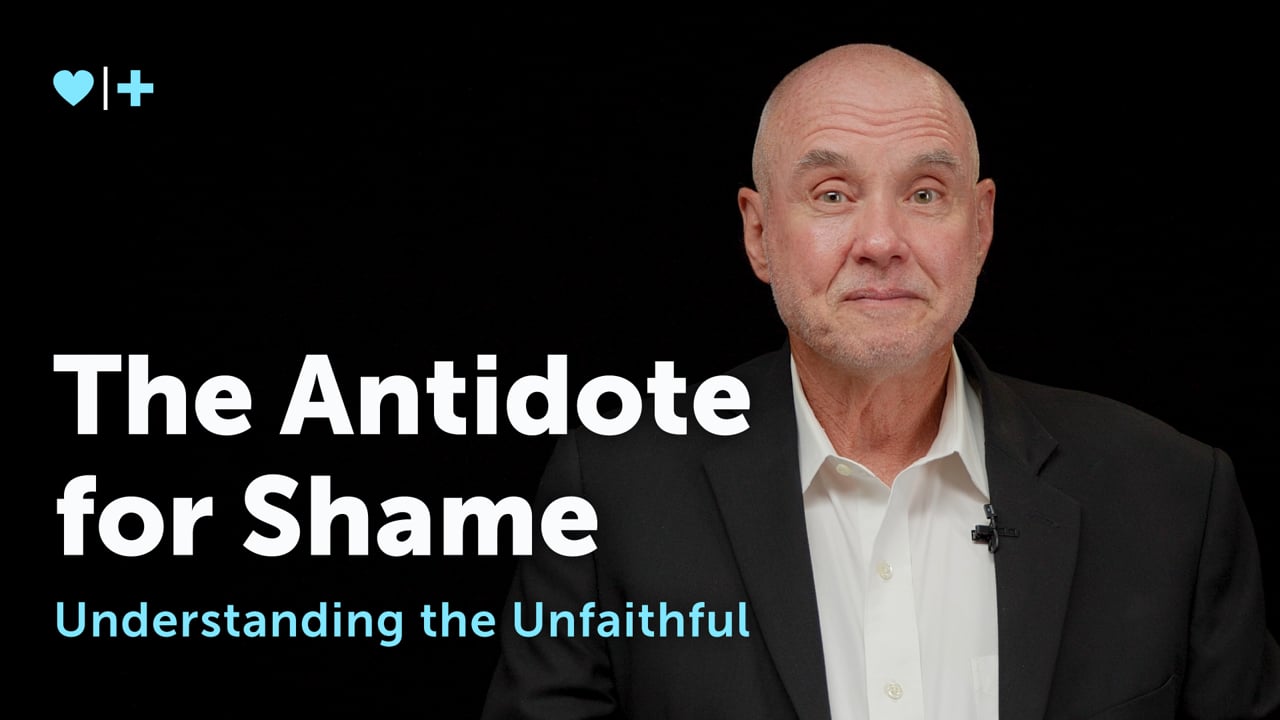
Shame is like mold: it thrives in the dark. It cannot be healed in isolation. Find a supportive group of other unfaithful spouses who are also facing their shame.
Sign Up for Hope For Healing
Are you struggling with shame after infidelity and have no idea how to break free from it? This week, I'd like to share material from our Hope for Healing course for wayward spouses. I believe with these tips and insights in hand, the wayward spouse can begin to assess their shame and make strides to overcome it. Additionally, these materials can be incredibly helpful for the betrayed spouse, as it's crucial in recovery work to empathize with and understand what the other person is going through.
How Does Ego Attack Our Happiness?
It's a safe assumption that, in many ways, the wayward spouse has made their life all about…
Continue reading →
Is My Spouse Being Honest? Truth, Lies & Polygraphs
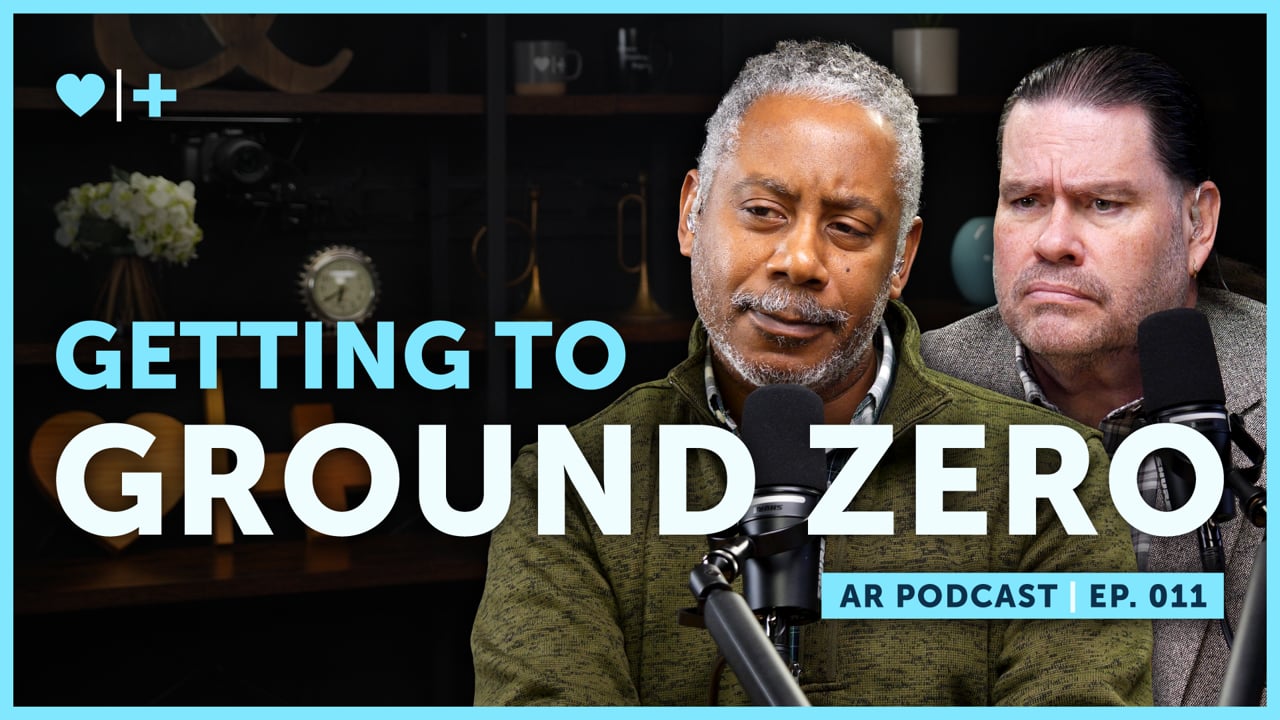
Reaching "ground zero" is the only way to build a new relationship after the old one has crumbled, but how do you know if your spouse is finally telling the whole truth? In Episode 11, Peter F Daniels III (MSEE, LCSW-S, CSAT) joins our experts to navigate the complex world of disclosure and discovery. They explore the clinical role of polygraphs, the trauma of "trickle truth," and coping with intrusive thoughts after learning the details of an affair. Whether you are wrestling with hidden details or unsure how to divulge the truth, this episode provides the tools to help both the betrayed and the unfaithful reach a solid foundation and begin rebuilding something new.
Continue reading →
Inside the Mind of the Unfaithful: Why We Lied, and How We Finally Stop
 Editor's Note: For the unfaithful spouse, the cycle of lying often begins long before the infidelity itself. In today's post, an unfaithful spouse shares her personal journey of untangling a lifetime of deception, facing her deepest fears of rejection, and doing the agonizing—but necessary—work of pulling the truth into the light.
"Liar." "Cheater."
Just reading those words probably makes your stomach drop. I know the feeling. It’s a sickening, heavy sensation that makes you want to bury your head and hide. When you are the one wearing those labels, the spiral of shame can feel like drowning. You don't have the strength to face the reality of your brokenness without also knowing that redemption is possible.
If you are an unfaithful spouse, I know where you are sitting. And I know you have to accept the possibility for change and repentance, or that shame will swallow you whole.
So, how did we get here?
Swimming in the Water of Deception
It’s hard to look back on my life and pinpoint the exact moment I started choosing lies over the truth. Like water is to a fish, dishonesty was just something I lived with.
That might sound strange to some, but a better way to explain it is that I was always living with fear. I was terrified that the truth was inherently ugly. I didn't see much repentance, acceptance, or forgiveness in my family of origin, so I learned early on to protect myself.
I remember being in first grade. I had a harsh, strict teacher who clicked her heels when she walked—she was the opposite of warm and nurturing. One day, out of pure boredom, I started doodling on the corner of my desk with a pencil. When my teacher caught me, I was immediately sent to the office. She wrote a note for me to give to my parents and assigned me to write "I WILL NOT WRITE ON MY DESK" 100 times.
It took me almost a week to hand that note to my parents. I was terrified, and I hated my teacher for exposing me.
To cope, I justified it. What’s the big deal? I can erase it. It’s just pencil. Justification became my defense mechanism of choice. My deeply defensive heart didn't start with infidelity; it started in first grade.
Why We Choose the Lie
Is this sin and shame inherent to my nature? Partly, yes. There is a deeply selfish, stubborn part of me that wants to point the finger and avoid responsibility.
Lying is wrong, and anyone who has ever been betrayed can testify to how thoroughly deception destroys a relationship. But here is the hard truth about the unfaithful heart: being told I was wrong was never a good motivator for me to change. In fact, it only deepened my resolve to bury and hide the guilt I felt.
What I desperately needed—but felt I didn't deserve—was acceptance and understanding.
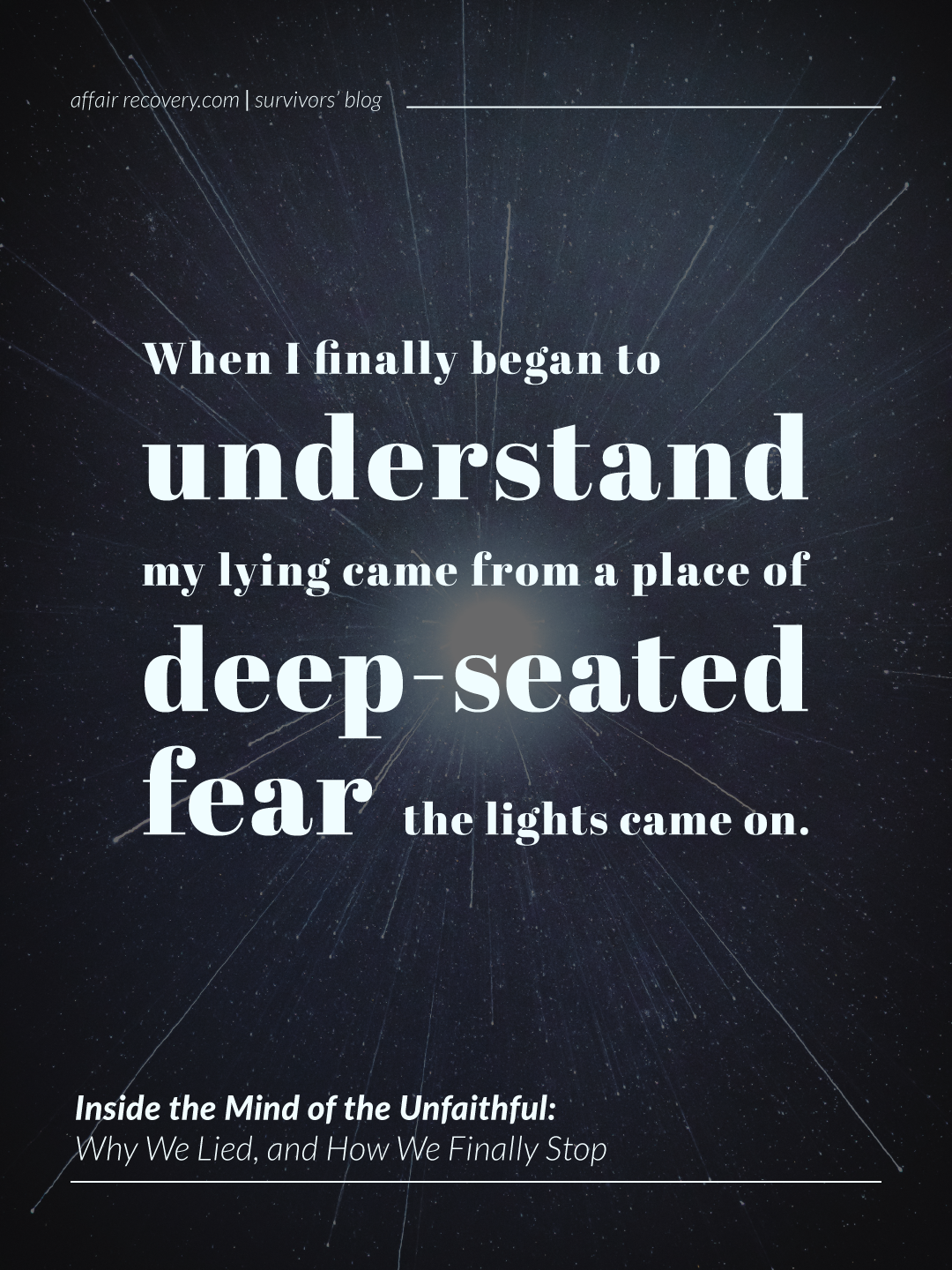
When I finally began to understand that my lying came from a place of deep-seated fear, the lights came on. I was terrified of conflict, afraid of losing people, and paralyzed by the thought of losing acceptance. Deep down, I wanted to be honest, but I never figured out how to do it—until Affair Recovery. It was just easier to lie.
Or so I thought.
The Cost of Hiding
I told myself my lies were keeping me safe. In reality, my lying kept me distant, unavailable, and hollow. Yes, my dishonesty devastated my husband and almost cost us our marriage, but it also completely crippled my own ability to be intimate.
Rehabilitation is possible. I am living proof of it. But it requires walking through the fire.
Telling my husband the entire, unfiltered truth about my infidelity and my past was the most difficult thing I have ever done. Working with a counselor to uncover those childhood defense mechanisms felt like pulling a rope of thorns and needles out of my chest, through my throat, and into the open air. It was agonizing.
But it was necessary.
What is not spoken, cannot be healed.
Choose Honesty
If you are the betrayed spouse reading this: you did not deserve to be lied to. On behalf of every unfaithful person out there, including me, we had no right to transfer our junk, our fear, and our shame onto you.
But if you are the liar reading this: choose reform. Stop justifying the pencil on the desk. Stop letting the fear of rejection dictate your life. Dig deep and figure out the sickness and the root of your deception. Do I still get the urge to lie today? Sometimes. I'll catch myself wanting to exaggerate or omit a detail to avoid a perceived rejection from my husband. But I aim to push through and share it anyway.
And that icky, heavy feeling in my chest? It always disappears the second the truth is spoken.
You can breathe again. But first, you have to choose honesty.
Are you looking to understand the why behind your affair? Our course, Hope for Healing, is designed to help you answer this question and find the healing you need in order to move forward and find freedom.
Editor's Note: For the unfaithful spouse, the cycle of lying often begins long before the infidelity itself. In today's post, an unfaithful spouse shares her personal journey of untangling a lifetime of deception, facing her deepest fears of rejection, and doing the agonizing—but necessary—work of pulling the truth into the light.
"Liar." "Cheater."
Just reading those words probably makes your stomach drop. I know the feeling. It’s a sickening, heavy sensation that makes you want to bury your head and hide. When you are the one wearing those labels, the spiral of shame can feel like drowning. You don't have the strength to face the reality of your brokenness without also knowing that redemption is possible.
If you are an unfaithful spouse, I know where you are sitting. And I know you have to accept the possibility for change and repentance, or that shame will swallow you whole.
So, how did we get here?
Swimming in the Water of Deception
It’s hard to look back on my life and pinpoint the exact moment I started choosing lies over the truth. Like water is to a fish, dishonesty was just something I lived with.
That might sound strange to some, but a better way to explain it is that I was always living with fear. I was terrified that the truth was inherently ugly. I didn't see much repentance, acceptance, or forgiveness in my family of origin, so I learned early on to protect myself.
I remember being in first grade. I had a harsh, strict teacher who clicked her heels when she walked—she was the opposite of warm and nurturing. One day, out of pure boredom, I started doodling on the corner of my desk with a pencil. When my teacher caught me, I was immediately sent to the office. She wrote a note for me to give to my parents and assigned me to write "I WILL NOT WRITE ON MY DESK" 100 times.
It took me almost a week to hand that note to my parents. I was terrified, and I hated my teacher for exposing me.
To cope, I justified it. What’s the big deal? I can erase it. It’s just pencil. Justification became my defense mechanism of choice. My deeply defensive heart didn't start with infidelity; it started in first grade.
Why We Choose the Lie
Is this sin and shame inherent to my nature? Partly, yes. There is a deeply selfish, stubborn part of me that wants to point the finger and avoid responsibility.
Lying is wrong, and anyone who has ever been betrayed can testify to how thoroughly deception destroys a relationship. But here is the hard truth about the unfaithful heart: being told I was wrong was never a good motivator for me to change. In fact, it only deepened my resolve to bury and hide the guilt I felt.
What I desperately needed—but felt I didn't deserve—was acceptance and understanding.
When I finally began to understand that my lying came from a place of deep-seated fear, the lights came on. I was terrified of conflict, afraid of losing people, and paralyzed by the thought of losing acceptance. Deep down, I wanted to be honest, but I never figured out how to do it—until Affair Recovery. It was just easier to lie.
Or so I thought.
The Cost of Hiding
I told myself my lies were keeping me safe. In reality, my lying kept me distant, unavailable, and hollow. Yes, my dishonesty devastated my husband and almost cost us our marriage, but it also completely crippled my own ability to be intimate.
Rehabilitation is possible. I am living proof of it. But it requires walking through the fire.
Telling my husband the entire, unfiltered truth about my infidelity and my past was the most difficult thing I have ever done. Working with a counselor to uncover those childhood defense mechanisms felt like pulling a rope of thorns and needles out of my chest, through my throat, and into the open air. It was agonizing.
But it was necessary.
What is not spoken, cannot be healed.
Choose Honesty
If you are the betrayed spouse reading this: you did not deserve to be lied to. On behalf of every unfaithful person out there, including me, we had no right to transfer our junk, our fear, and our shame onto you.
But if you are the liar reading this: choose reform. Stop justifying the pencil on the desk. Stop letting the fear of rejection dictate your life. Dig deep and figure out the sickness and the root of your deception. Do I still get the urge to lie today? Sometimes. I'll catch myself wanting to exaggerate or omit a detail to avoid a perceived rejection from my husband. But I aim to push through and share it anyway.
And that icky, heavy feeling in my chest? It always disappears the second the truth is spoken.
You can breathe again. But first, you have to choose honesty.
Are you looking to understand the why behind your affair? Our course, Hope for Healing, is designed to help you answer this question and find the healing you need in order to move forward and find freedom.
Editor's Note: For the unfaithful spouse, the cycle of lying often begins long before the infidelity itself. In today's post, an unfaithful spouse shares her personal journey of untangling a lifetime of deception, facing her deepest fears of rejection, and doing the agonizing—but necessary—work of pulling the truth into the light.
"Liar." "Cheater."
Just reading those words probably makes your stomach drop. I know the feeling. It’s a sickening, heavy sensation that makes you want to bury your head and hide. When you are the one wearing those labels, the spiral of shame can feel like drowning. You don't have the strength to face the reality of your brokenness without also knowing that redemption is possible.
If you are an unfaithful spouse, I know where you are sitting. And I know you have to accept the possibility for change and repentance, or…
Continue reading →
I Got the Truth About His Affair: Why it Didn’t Help
The soul-crushing shock, the anger, the questions that haunt you in your sleep—as if sleep is even possible—I get it. I lived it. You want to know WHY the affair happened.
Today, I want to share the specific breakthrough that moved my husband and I past the “why loop” and into actual safety. Whether your goal is reconciliation or just finding peace for your own future, exploring the “why” is ensuring that the past doesn’t repeat itself.
Honest and Accurate Answers Are Not Possibly Early On
Early into recovery, I kept begging my husband for an explanation. Something, anything, that would help me make sense of his insane choices. I didn’t know it then, but honest and accurate answers were not possible at that time. That’s because most unfaithful spouses are being driven by coping mechanisms, compulsions, false beliefs, and bad habits that run below the…
Continue reading →
Finding Safety in Numbers: Why an Affair Recovery Group is Vital for Healing
 The first time I remember knowing I didn’t belong to the group was in fifth grade.
Alyssa Packson was on the twirling team and head of the student council. Teachers doted on her because she made straight A’s, and the other girls worshiped her—she already had a boyfriend, which, at eleven automatically made her the coolest girl in class.
Two of my close friends were part of her inner circle, so I heard plenty of Alyssa-stories through them. I listened intently when they mentioned she’d be passing out invitations for her end-of-year party.
The next day, Alyssa and her posse strode out the metal doors to the recess yard. Her followers had doubled in size, and they moved across the field like an amoeba—one shifting organism—as she handed out pink folded invitations.
My friend mouthed, “Come here!” and motioned for me to join the group that had begun forming a circle. But as I stepped closer, Alyssa turned toward me. Her lips curved into her gorgeous smile as she said in a sing-song voice,
“Uh-uh, no, Rachel…you’re not in the group. Sorry.”
She turned her back and pulled the circle inward, leaving me motionless on the outside.
What We Carry Into the Circle
I hadn’t thought about that childhood memory in decades, but it came back with surprising force when I considered joining a partner group.
It wasn’t just the image of eleven-year-old Rachel awkwardly shuffling her feet in the dirt behind that circle of girls.
It was also the feeling that came back.
The hollowed-out space in my stomach.
The racing heartbeat.
The words that wouldn’t budge from my mouth.
That old fear of not belonging was still alive in my body.
Part of me felt ridiculous tracing my hesitation back to a pink invitation on a playground. That moment certainly wasn’t the sharpest rejection of my life.
And yet, I had joined countless circles since then–church groups, mom groups, sports teams, book clubs, study groups, even other recovery spaces. I knew how groups worked and how to find my seat.
But this group–this one with women who knew the sound of their world cracking–terrified me.
I was emotionally raw, my skin thin from everything that had happened in my marriage.
I couldn’t risk watching another circle close in front of me.
Not this time.
My husband carried a different fear, though.
His years in the military had given him a kind of belonging I couldn’t fully understand. For him, it wasn’t a fear of being rejected—it was a fear of being exposed.
“You know I don’t like my business being blasted out to a room full of strangers,” he told me, “Plus, I already feel enough shame as it is. I don’t need any more thrown at me.”
When it came to stepping into a group, there was a lot at stake for both of us.
For me—another potential closed circle.
For him—vulnerability that could cost him.
The Search for Safety
As we looked for places to heal, my husband and I quickly realized that not every group is a safe place to land.
There were groups that, quite frankly, did more harm than good. I remember sitting in a space where I left feeling smaller than when I walked in–where stories were compared like a scorecard and advice rushed in before any connection had been built. In those rooms, “fixing” replaced listening, and I felt that old fifth-grade part of me standing on the outside.
But then, we found the spaces that were different.
When my husband’s therapist encouraged him to join a specific men’s infidelity group, he reluctantly said yes. Week after week, he sat in a circle of men who told the raw truth about their lives. Some wept, some sat expressionless, but the collective honesty disarmed him. He discovered that the more he listened, the less the room felt like a firing squad and more like a mirror. He was finally allowing himself to be known, and in being known, the shame began to lose its grip.
For me, belonging grew quietly during my Harboring Hope group, beginning with the way our facilitator invited us to connect on the online wall before the weekly calls started. We shared a little about ourselves–our hobbies, our children, and the parts of our lives that existed outside the betrayal.
During our first meeting, we were each invited to give a five-minute overview of our story and what had brought us there. At the start of every call, we also revisited the group agreements: no interrupting, no fixing, and no cross-talk. Those commitments helped create safety and shaped the tone of the group.
When it was my turn to share my story, my voice shook as I spoke. But as the words came out, no one rushed to correct my story or offer advice. The group simply listened. I shouldn’t have been surprised–we had all agreed to offer that kind of space to one another–but when it was extended to me, it meant more than I expected.
Something in me settled.
The circle wasn’t closing on me.
It was widening.
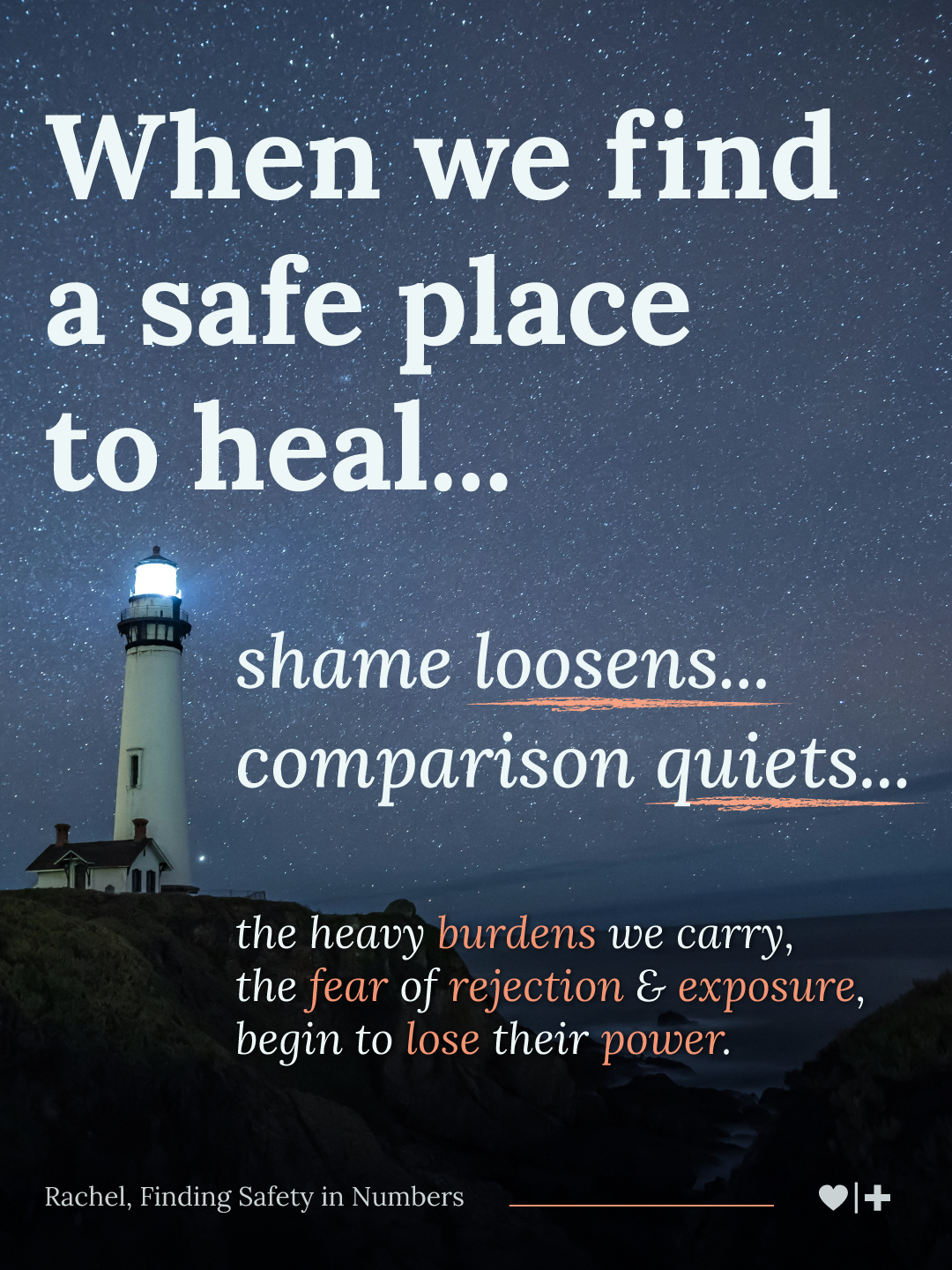
And when the circle stays open, the heavy burdens we carry–like the fear of rejection and exposure–begin to lose their power.
Shame loosens. Comparison quiets.
We remember we aren’t walking this path alone.
And sometimes, that’s where the real healing happens.
If you’ve been navigating recovery on your own–or if previous group experiences haven't felt safe–consider programs like Harboring Hope, Hope for Healing, and EMS Online. These are designed to create the kind of trauma-informed spaces where circles widen instead of close.
The first time I remember knowing I didn’t belong to the group was in fifth grade.
Alyssa Packson was on the twirling team and head of the student council. Teachers doted on her because she made straight A’s, and the other girls worshiped her—she already had a boyfriend, which, at eleven automatically made her the coolest girl in class.
Two of my close friends were part of her inner circle, so I heard plenty of Alyssa-stories through them. I listened intently when they mentioned she’d be passing out invitations for her end-of-year party.
The next day, Alyssa and her posse strode out the metal doors to the recess yard. Her followers had doubled in size, and they moved across the field like an amoeba—one shifting organism—as she handed out pink folded invitations.
My friend mouthed, “Come here!” and motioned for me to join the group that had begun forming a circle. But as I stepped closer, Alyssa turned toward me. Her lips curved into her gorgeous smile as she said in a sing-song voice,
“Uh-uh, no, Rachel…you’re not in the group. Sorry.”
She turned her back and pulled the circle inward, leaving me motionless on the outside.
What We Carry Into the Circle
I hadn’t thought about that childhood memory in decades, but it came back with surprising force when I considered joining a partner group.
It wasn’t just the image of eleven-year-old Rachel awkwardly shuffling her feet in the dirt behind that circle of girls.
It was also the feeling that came back.
The hollowed-out space in my stomach.
The racing heartbeat.
The words that wouldn’t budge from my mouth.
That old fear of not belonging was still alive in my body.
Part of me felt ridiculous tracing my hesitation back to a pink invitation on a playground. That moment certainly wasn’t the sharpest rejection of my life.
And yet, I had joined countless circles since then–church groups, mom groups, sports teams, book clubs, study groups, even other recovery spaces. I knew how groups worked and how to find my seat.
But this group–this one with women who knew the sound of their world cracking–terrified me.
I was emotionally raw, my skin thin from everything that had happened in my marriage.
I couldn’t risk watching another circle close in front of me.
Not this time.
My husband carried a different fear, though.
His years in the military had given him a kind of belonging I couldn’t fully understand. For him, it wasn’t a fear of being rejected—it was a fear of being exposed.
“You know I don’t like my business being blasted out to a room full of strangers,” he told me, “Plus, I already feel enough shame as it is. I don’t need any more thrown at me.”
When it came to stepping into a group, there was a lot at stake for both of us.
For me—another potential closed circle.
For him—vulnerability that could cost him.
The Search for Safety
As we looked for places to heal, my husband and I quickly realized that not every group is a safe place to land.
There were groups that, quite frankly, did more harm than good. I remember sitting in a space where I left feeling smaller than when I walked in–where stories were compared like a scorecard and advice rushed in before any connection had been built. In those rooms, “fixing” replaced listening, and I felt that old fifth-grade part of me standing on the outside.
But then, we found the spaces that were different.
When my husband’s therapist encouraged him to join a specific men’s infidelity group, he reluctantly said yes. Week after week, he sat in a circle of men who told the raw truth about their lives. Some wept, some sat expressionless, but the collective honesty disarmed him. He discovered that the more he listened, the less the room felt like a firing squad and more like a mirror. He was finally allowing himself to be known, and in being known, the shame began to lose its grip.
For me, belonging grew quietly during my Harboring Hope group, beginning with the way our facilitator invited us to connect on the online wall before the weekly calls started. We shared a little about ourselves–our hobbies, our children, and the parts of our lives that existed outside the betrayal.
During our first meeting, we were each invited to give a five-minute overview of our story and what had brought us there. At the start of every call, we also revisited the group agreements: no interrupting, no fixing, and no cross-talk. Those commitments helped create safety and shaped the tone of the group.
When it was my turn to share my story, my voice shook as I spoke. But as the words came out, no one rushed to correct my story or offer advice. The group simply listened. I shouldn’t have been surprised–we had all agreed to offer that kind of space to one another–but when it was extended to me, it meant more than I expected.
Something in me settled.
The circle wasn’t closing on me.
It was widening.
And when the circle stays open, the heavy burdens we carry–like the fear of rejection and exposure–begin to lose their power.
Shame loosens. Comparison quiets.
We remember we aren’t walking this path alone.
And sometimes, that’s where the real healing happens.
If you’ve been navigating recovery on your own–or if previous group experiences haven't felt safe–consider programs like Harboring Hope, Hope for Healing, and EMS Online. These are designed to create the kind of trauma-informed spaces where circles widen instead of close.
The first time I remember knowing I didn’t belong to the group was in fifth grade.
Alyssa Packson was on the twirling team and head of the student council. Teachers doted on her because she made straight A’s, and the other girls worshiped her—she already had a boyfriend, which, at eleven automatically made her the coolest girl in class.
Two of my close friends were part of her inner circle, so I heard plenty of Alyssa-stories through them. I listened intently when they mentioned she’d be passing out invitations for her end-of-year party.
The next day, Alyssa and her posse strode out the metal doors to the recess yard. Her followers had doubled in size, and they moved across the field like an amoeba—one shifting organism—as she handed out pink folded invitations.
My friend mouthed, “Come here!” and motioned for me to join the group that had begun forming…
Continue reading →
Did You Marry the Wrong Person?
Did you marry the wrong person? A whopping 30% of divorced women believe they did, at least according to Jennifer Gauvain.1 How can so many people be getting it wrong? Was the other party so deceptive that they were fooled into marrying the wrong person? Or perhaps they failed to listen to their own intuition and chose to marry anyway, only to discover later that they made a grievous, life-alterning mistake? Perhaps it isn't about who you married but rather your expectations of the marriage.
Years ago, a friend told me, "To keep from getting in trouble with your landlord, use straight pins to hang your pictures. That way, when it's time to move, the holes will not be nearly as noticeable." But when my newly hung pictures began crashing to the floor, I learned a valuable lesson: Don't hang your pictures on something unless you're…
Continue reading →
The #1 Question: WHY Did the Affair Happen?
The question of "WHY" is often the greatest source of anguish for couples reeling from infidelity, yet it can also be the very path toward lasting healing. In episode 10, our expert therapists explore how understanding the root causes of an affair allows the betrayed to find a way to trust again and helps the unfaithful avoid relapse by learning from the past. While you may never fully comprehend every detail, discovering the "why" is a critical step to getting your life and marriage back.
Continue reading →
Is Childhood Trauma Affecting Your Recovery After an Affair?
Your entire world has been shaken. Whether you're the one who has been betrayed or the one who has been unfaithful, you are likely living in a storm of very loud, very painful thoughts.
If you've experienced betrayal, maybe you've felt and even said out loud, "This proves I'm not important," "I am not enough," or "You can't trust anyone but yourself." Maybe the heaviest thought of all is, "I am not worthy of love."
And if you're the one who has been unfaithful, your mind might be trying to protect you with thoughts like, "I have to take care of myself because no one else will," "I deserve to feel wanted or loved," or the dangerous whisper, "What they don't know won't hurt them."
I want to show you how these deep-seated beliefs and the intense reactions that come with them did not just start with the infidelity. We're going to look at…
Continue reading →
You are Beautiful (And Why That’s Hard to Hear after Infidelity)
 Brave, beautiful, warrior.
I shared with you previously how I was inspired by my daughter's choice of the three silver tiles. I talked about “being brave” and how I was able to resist the urge to be fearful, and chose to be brave. I also shared about the call I answered to rise up and be a warrior, to choose how I would respond to a trigger.
Today, ladies, I want to tell you something that may be hard to hear.
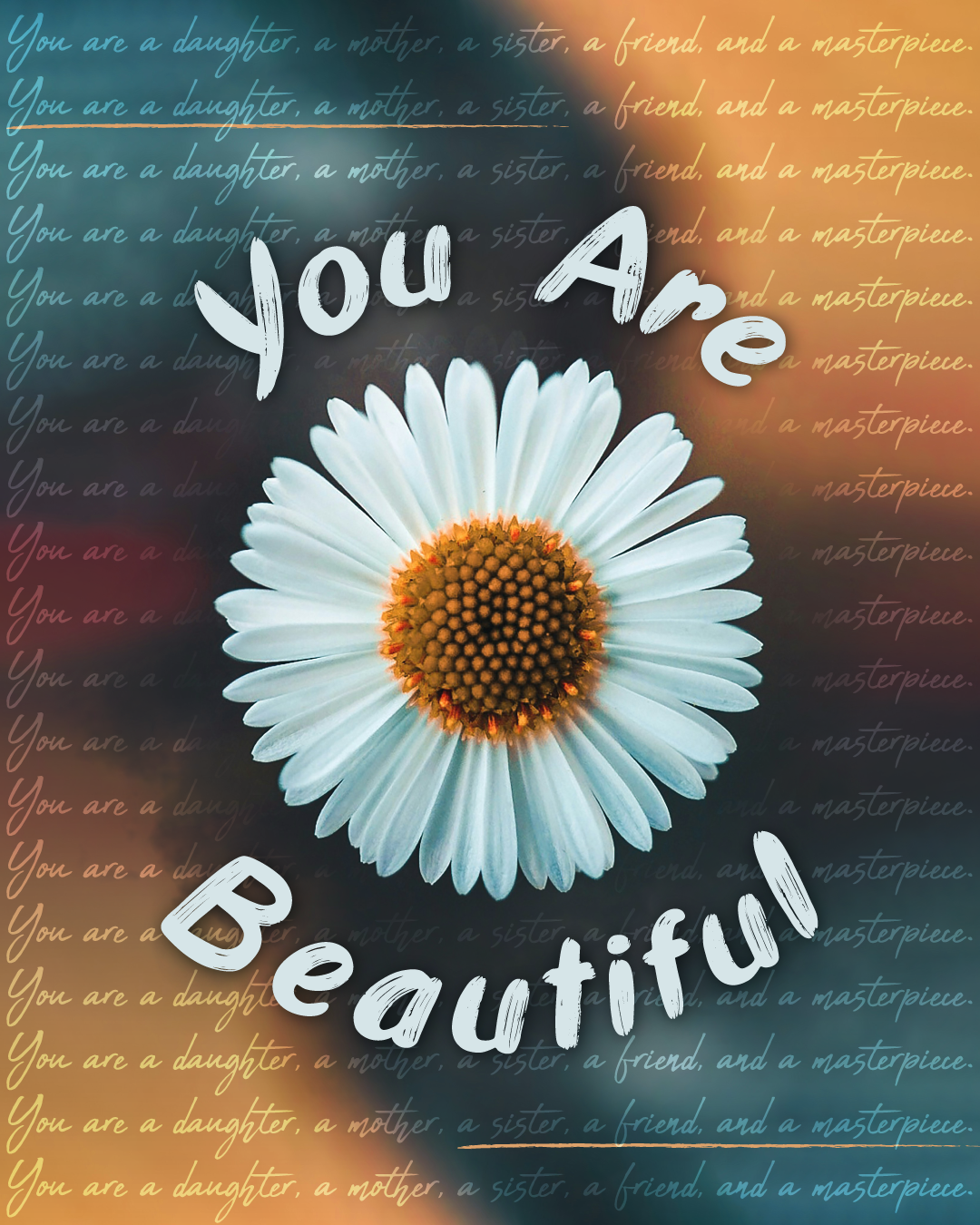
You are beautiful.
If you are here reading this blog you know how difficult it is to feel beautiful after having found out about your husband's infidelity. But, his choices do not define who you are. Nor do they determine if you are beautiful or not.
I was challenged to look at myself through a different lens. And I want to challenge you in the same way.
I will admit, after 5 children in seven years, sure…my body wasn’t what it used to be. But really, was it simply outward appearance that drew my husband’s attention to another woman? I’m not proud of this, but perhaps you can relate — I tracked down this woman on social media. And then I asked myself, “Really? You pursued her over me?” This challenged me to look at the much bigger picture. I paused to consider — what were some of the other issues going on? I was able to see that he was feeling unsatisfied in his career. He felt like there was never enough time in the day to do the things he wanted to do. There were a slew of other things. And now, years later, I have even more things I can add to that list. For your situation — are there issues with addiction - pornography, alcohol, drugs? Is there a history of past abuse: emotional, physical, or sexual? All of these things and more may be at play in the “why” of the affair.
Looking back now, hindsight is 20/20. But then, I was able to at least recognize a couple of issues that were going on - it wasn’t simply about my outward appearance.
It's so easy to feel beautiful at the beginning of our love story, those early days of falling in love and feeling like all is good and right with the world. It's easy to feel beautiful when you're held near and dear to your husband's heart and when you're looked at with adoration.
I want to remind you, as I had to remind myself, that you are beautiful, with or without your husband’s love or affection.
We so often see ourselves through the eyes of man. But there is one greater than a man who looks at me, and you, and says, “You are beautiful. I have created you. You are my chosen one. You are my daughter and I love you.” God in heaven, Creator of the Universe, He Himself looks at me and sees the beauty that is inherent in who He has created me to be.
But I am human. And I am hurt. And my perspective gets skewed. And so I need to return again and again to the fount of Living Water. I had to immerse myself in the Truth of God’s Word. Daily. You see, the thing is, there are a lot of things about me that fall short — I lose my temper with my kids, I get aggravated at the person in the checkout in front of me, etc, etc, etc. And yet, despite that — whether I see my beauty or not — is not what it's about. It's about taking hold of God's abundant grace and fully leaning into THAT. I don't measure up, and WILL NEVER measure up. And that’s okay. That's why Jesus came. So, the question becomes more about “Do I have the faith to take God at His word. Will I trust Him? Or will I rely on my perception of how others see me?”
This is where being vulnerable with other women is so important. Let them into your thoughts. They can help redirect you to the truth of who you are — and it is not dependent on how a man sees you. You are a wife, a partner, a daughter, a mother, a sister, a friend, a neighbor. You are so much more than you may think.
There are many things that can “make” us beautiful in others' eyes. And yet, just simply WHO you are — you are a woman who is made in the image of God — is enough. HE declares your worth. HE is the only One who has the authority to even issue that statement. And He does. YOU, dear woman, hurt and broken, God looks at you and loves you. He longs to draw you close to His heart, and hold you near. He whispers to your tender, fragile heart, “I have redeemed you, I have called you by name. I love you, you are Mine.”
So, please, when you look at yourself in the mirror - know that you are seen, valued, and honored by the Maker of the Universe. He declares you as beautiful. The question is — will you believe what your Creator says about you? Or will you believe the lies that have surfaced in light of the infidelity. Hold fast to the truth.
Brave, beautiful, warrior.
I shared with you previously how I was inspired by my daughter's choice of the three silver tiles. I talked about “being brave” and how I was able to resist the urge to be fearful, and chose to be brave. I also shared about the call I answered to rise up and be a warrior, to choose how I would respond to a trigger.
Today, ladies, I want to tell you something that may be hard to hear.
You are beautiful.
If you are here reading this blog you know how difficult it is to feel beautiful after having found out about your husband's infidelity. But, his choices do not define who you are. Nor do they determine if you are beautiful or not.
I was challenged to look at myself through a different lens. And I want to challenge you in the same way.
I will admit, after 5 children in seven years, sure…my body wasn’t what it used to be. But really, was it simply outward appearance that drew my husband’s attention to another woman? I’m not proud of this, but perhaps you can relate — I tracked down this woman on social media. And then I asked myself, “Really? You pursued her over me?” This challenged me to look at the much bigger picture. I paused to consider — what were some of the other issues going on? I was able to see that he was feeling unsatisfied in his career. He felt like there was never enough time in the day to do the things he wanted to do. There were a slew of other things. And now, years later, I have even more things I can add to that list. For your situation — are there issues with addiction - pornography, alcohol, drugs? Is there a history of past abuse: emotional, physical, or sexual? All of these things and more may be at play in the “why” of the affair.
Looking back now, hindsight is 20/20. But then, I was able to at least recognize a couple of issues that were going on - it wasn’t simply about my outward appearance.
It's so easy to feel beautiful at the beginning of our love story, those early days of falling in love and feeling like all is good and right with the world. It's easy to feel beautiful when you're held near and dear to your husband's heart and when you're looked at with adoration.
I want to remind you, as I had to remind myself, that you are beautiful, with or without your husband’s love or affection.
We so often see ourselves through the eyes of man. But there is one greater than a man who looks at me, and you, and says, “You are beautiful. I have created you. You are my chosen one. You are my daughter and I love you.” God in heaven, Creator of the Universe, He Himself looks at me and sees the beauty that is inherent in who He has created me to be.
But I am human. And I am hurt. And my perspective gets skewed. And so I need to return again and again to the fount of Living Water. I had to immerse myself in the Truth of God’s Word. Daily. You see, the thing is, there are a lot of things about me that fall short — I lose my temper with my kids, I get aggravated at the person in the checkout in front of me, etc, etc, etc. And yet, despite that — whether I see my beauty or not — is not what it's about. It's about taking hold of God's abundant grace and fully leaning into THAT. I don't measure up, and WILL NEVER measure up. And that’s okay. That's why Jesus came. So, the question becomes more about “Do I have the faith to take God at His word. Will I trust Him? Or will I rely on my perception of how others see me?”
This is where being vulnerable with other women is so important. Let them into your thoughts. They can help redirect you to the truth of who you are — and it is not dependent on how a man sees you. You are a wife, a partner, a daughter, a mother, a sister, a friend, a neighbor. You are so much more than you may think.
There are many things that can “make” us beautiful in others' eyes. And yet, just simply WHO you are — you are a woman who is made in the image of God — is enough. HE declares your worth. HE is the only One who has the authority to even issue that statement. And He does. YOU, dear woman, hurt and broken, God looks at you and loves you. He longs to draw you close to His heart, and hold you near. He whispers to your tender, fragile heart, “I have redeemed you, I have called you by name. I love you, you are Mine.”
So, please, when you look at yourself in the mirror - know that you are seen, valued, and honored by the Maker of the Universe. He declares you as beautiful. The question is — will you believe what your Creator says about you? Or will you believe the lies that have surfaced in light of the infidelity. Hold fast to the truth.
Brave, beautiful, warrior.
I shared with you previously how I was inspired by my daughter's choice of the three silver tiles. I talked about “being brave” and how I was able to resist the urge to be fearful, and chose to be brave. I also shared about the call I answered to rise up and be a warrior, to choose how I would respond to a trigger.
Today, ladies, I want to tell you something that may be hard to hear.
You are beautiful.
If you are here reading this blog you know how difficult it is to feel beautiful after having found out about your husband's infidelity. But, his choices do not define who you are. Nor do they determine if you are beautiful or not.
I was challenged to look at myself through a different lens. And I want to challenge you in the same way.
I will admit, after 5 children in seven years, sure…my body wasn’t what…
Continue reading →
Relapse: Why Can't You Stop?
About ten years ago, I had a client who seemed to be "the king of relapse." Week after week he'd faithfully come to his session, and week after week he'd tell me how he had screwed up. About eight weeks into the process, I finally asked, " Do you really believe it's important to avoid these behaviors?"
"Absolutely," he replied.
"Then I'm confused. I've always believed behaviors are a far better indicator of a person's belief system than words, and looking at your behaviors, I'd have to say that your actions don't match what you say you believe. Looking at your behaviors, it seems you've got to believe there are times when the behavior is acceptable. What do your actions really say about your belief system?"
"Well," he said, "it seems my behaviors say that I believe it's okay as long as I'm really miserable and…
Continue reading →
You Asked, We Answered: Trauma, Forgiveness & Anxiety
How do you move forward when your marriage feels permanently tainted? In Episode 9, our experts answer a diverse set of questions: exploring forgiveness, the trap of comparing yourself to the affair partner, navigating anxiety and safety during recovery and how to pursue your own healing even when your spouse refuses to do the work. Learn to navigate the grief of a shattered past while building a new, hopeful future.
Continue reading →
Are You Too Far Gone? Recovery After Multiple D-Days
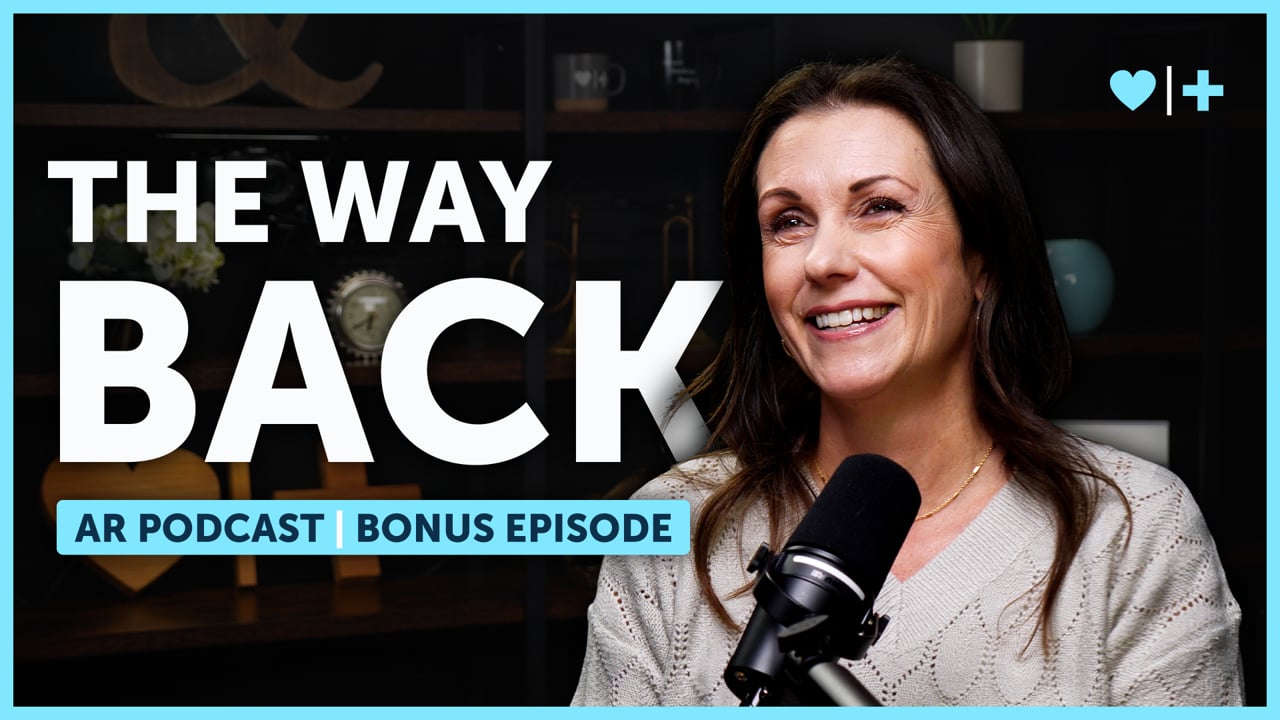
In this honest podcast interview, you get to hear from the other half of Candace. Her and her husband’s story is a raw, heart-wrenching journey through years of recovery. From the pain of multiple D-Days and a "fraudulent recovery" to the miraculous rebuilding of their marriage, they are a powerful testament to the possibility of healing even from the basement of rock bottom.It wasn’t just the information that changed their path but the relationships that came alongside them. If you’ve been missing that critical piece of community, consider joining EMS Online for couples, Hope For Healing for unfaithful spouses, and Harboring Hope for betrayed spouses – all three courses provided critical components of community that were needed to move forward.
Continue reading →
Are You Too Far Gone? Recovery After Multiple D-Days
In this honest interview, you get to hear from the other half of Candace. Her and her husband’s story is a raw, heart-wrenching journey through years of recovery. From the pain of multiple D-Days and a "fraudulent recovery" to the miraculous rebuilding of their marriage, they are a powerful testament to the possibility of healing even from the basement of rock bottom.
It wasn’t just the information that changed their path but the relationships that came alongside them. If you’ve been missing that critical piece of community, consider joining EMS Online for couples, Hope For Healing for unfaithful spouses, and Harboring Hope for betrayed spouses – all three courses provided critical components of community that were needed to move forward.
Continue reading →