
How Do You Deal With Anger After Infidelity?
Today, I'd like to begin by reflecting on a conversation I once had with an angry, wayward spouse. He had been trying to gain his wife's forgiveness ever since his affair two years prior. Sadly, he wasn't making much progress. The sad part in this particular situation wasn't her inability to forgive him, it was the fact that the bitterness and anger after infidelity were unmanaged and destroying them both.
For the betrayed spouse, the journey after betrayal can be absolutely excruciating. Rather than letting go and choosing to walk through the pain in order to move past it, her antidote to dealing with the betrayal was to try to hurt him as badly as he hurt her. I fear she might have succeeded.
Due to his choices, the devastating betrayal, the lack of help they received, and the way she was treating him, recovering from the affair seemed nearly impossible. He…
Continue reading →
Six Truths I Would Tell Myself Looking Back
 The night I found out the truth about my marriage is one I’ll never forget. Our new living room was cluttered with moving boxes and packing paper. I had just come from the pool with my daughters, and the cool water hadn’t been enough to clear the fog I felt. Revelations had been trickling forth for days. My husband and I had planned to talk after the girls went to sleep. Deep within, I knew something big was coming as the truth was uncovered.
Each summer, as the anniversary of that night nears, I reflect on what life was like before and all that has transpired since. This past year was year six. Coincidentally, we were traveling to a city he had visited with his affair partner, and old memories stirred. I began to think about what I needed to hear back then—what might have carried me through those first painful steps.
If I could go back to that summer night and speak to the woman whose heart split wide open, I’d whisper these six truths I’ve come to believe in the six years since.
His choices weren’t a reflection of me.
After D-Day, I first blamed my husband, which was warranted and natural. But soon, that blame turned inward.
"This wouldn't have happened if I were enough. If I were smarter. Younger. More desirable. Had my life together. If only..."
This thinking blurred the lines of responsibility. My body felt betrayal trauma full force, and my mind spiraled, replaying old conversations and studying myself like a crime scene. I picked apart flaws, convinced they were the cause of it all.
But the truth was simple: My imperfections didn’t cause his betrayal. His choices were about him, not me.
Betrayal is a different kind of grief.
This grief felt unlike any I had known. Four years before D-Day, I lost a loved one. When that happened, an army of friends showed up, offering space to talk. Death produces a grief most people understand.
But betrayal grief is different.
It’s disenfranchised, and the kind society doesn’t fully acknowledge. There are no rituals, no casseroles from a neighbor in black, no bereavement leave. I had people in my corner, but those who hadn’t experienced this kind of grief could only offer so much. It was messy, tangled with shame and blame, and often left others unsure how to respond.
It lived differently in my body, too. It didn't sit heavy on my chest like death grief. It simmered beneath my skin, surfacing without warning. I kept trying to grieve it the same way—through talking and tears—but it wouldn't move.
Only when I accepted that betrayal grief required its own terrain could I begin to move forward. Until then, it felt like an invisible choke collar.
Taking care of myself was worth it.
Before the rupture, I was well-versed in caring for others: my kids, my husband, family, and friends. But caring for myself felt foreign. I was used to placing my own needs behind everyone else's.
Betrayal jolted me awake. I could no longer ignore how overextending myself—back-bending and contorting to keep others comfortable—was depleting my energy, well-being, and sanity.
At first, tending to myself felt selfish. I had so deeply identified as a caregiver that I didn't know where to begin. But slowly, I learned what my spirit and body needed. It began with small, non-negotiable acts: resting for 15 minutes, nourishing myself with foods that love me back, walking outdoors. I also sought communities that valued honest conversation.
Learning to care for myself became a cornerstone of my recovery.
Expect healing to be nonlinear.
Every book, article, and podcast I turned to echoed the same truth: healing is a long and non-linear journey.
For someone who prefers a clear path through discomfort, this was disorienting news. I wanted steps, markers, and a timeline—assurance that with each passing day, the pain would lessen.
But I also knew something about myself that’s been true since childhood: I’ve always been drawn to overcomers. Some days, I felt sure I’d be one of them. Then, two hours later, I’d be curled in a corner, sobbing, wondering how my life included infidelity.
The emotional whiplash was real. The pendulum of hope and despair left me exhausted. I often questioned whether I was actually healing or just circling the same drain.
But once I stopped rushing the process and accepted that healing comes in waves–not straight lines—I began to meet myself with more grace and compassion.
The words of Robert Frost proved true: “The only way out is through.”
I have agency in my recovery.
In my Harboring Hope group, we talked about how recovery was a full-time job—and that we had agency in how we chose to pursue it. When so much felt out of my hands, I clung to this truth.
Even as my husband made his own recovery choices, I began choosing what was best for me. An older friend reminded me: when I change, everyone around me changes. As my responses shifted, so did his.
I began to see the value of my own healing. My growth and resilience weren’t tied to his timeline. The most important change was within me. And I realized I had a choice: this experience could either diminish me or slowly become a catalyst for growth.
Owning my recovery gave me back my footing. I could reclaim my sense of self, move forward, and keep healing—regardless of what he chose to do.
I can hold joy and sorrow at the same time.
I once heard it’s essential to surround ourselves with as much beauty as possible during trauma recovery. I found myself craving it—the way trees bend with the wind, the warmth of sun on my skin, sunrises sprawling across the sky, and the sound of my daughters' laughter. These small moments offered calm and grounding.
Therapist and author Deb Dana calls them glimmers—small moments of safety that help bring the nervous system into balance. As I began to notice and chase these glimmers, I discovered something surprising: I could hold both joy and sorrow at once.
Beauty didn’t erase the grief I carried, but it widened my view. There was more to my life than the pain of betrayal. Learning this didn’t mean the sorrow vanished. It meant I no longer let it define my story.
Six years later, these truths are no longer distant lessons. They’ve become companions, guiding me in ways both subtle and profound. And if you’re standing where I once stood, heartbroken and uncertain, know that healing may not come as quickly or clearly as you’d like, but it does come. One truth at a time.
The night I found out the truth about my marriage is one I’ll never forget. Our new living room was cluttered with moving boxes and packing paper. I had just come from the pool with my daughters, and the cool water hadn’t been enough to clear the fog I felt. Revelations had been trickling forth for days. My husband and I had planned to talk after the girls went to sleep. Deep within, I knew something big was coming as the truth was uncovered.
Each summer, as the anniversary of that night nears, I reflect on what life was like before and all that has transpired since. This past year was year six. Coincidentally, we were traveling to a city he had visited with his affair partner, and old memories stirred. I began to think about what I needed to hear back then—what might have carried me through those first painful steps.
If I could go back to that summer night and speak to the woman whose heart split wide open, I’d whisper these six truths I’ve come to believe in the six years since.
His choices weren’t a reflection of me.
After D-Day, I first blamed my husband, which was warranted and natural. But soon, that blame turned inward.
"This wouldn't have happened if I were enough. If I were smarter. Younger. More desirable. Had my life together. If only..."
This thinking blurred the lines of responsibility. My body felt betrayal trauma full force, and my mind spiraled, replaying old conversations and studying myself like a crime scene. I picked apart flaws, convinced they were the cause of it all.
But the truth was simple: My imperfections didn’t cause his betrayal. His choices were about him, not me.
Betrayal is a different kind of grief.
This grief felt unlike any I had known. Four years before D-Day, I lost a loved one. When that happened, an army of friends showed up, offering space to talk. Death produces a grief most people understand.
But betrayal grief is different.
It’s disenfranchised, and the kind society doesn’t fully acknowledge. There are no rituals, no casseroles from a neighbor in black, no bereavement leave. I had people in my corner, but those who hadn’t experienced this kind of grief could only offer so much. It was messy, tangled with shame and blame, and often left others unsure how to respond.
It lived differently in my body, too. It didn't sit heavy on my chest like death grief. It simmered beneath my skin, surfacing without warning. I kept trying to grieve it the same way—through talking and tears—but it wouldn't move.
Only when I accepted that betrayal grief required its own terrain could I begin to move forward. Until then, it felt like an invisible choke collar.
Taking care of myself was worth it.
Before the rupture, I was well-versed in caring for others: my kids, my husband, family, and friends. But caring for myself felt foreign. I was used to placing my own needs behind everyone else's.
Betrayal jolted me awake. I could no longer ignore how overextending myself—back-bending and contorting to keep others comfortable—was depleting my energy, well-being, and sanity.
At first, tending to myself felt selfish. I had so deeply identified as a caregiver that I didn't know where to begin. But slowly, I learned what my spirit and body needed. It began with small, non-negotiable acts: resting for 15 minutes, nourishing myself with foods that love me back, walking outdoors. I also sought communities that valued honest conversation.
Learning to care for myself became a cornerstone of my recovery.
Expect healing to be nonlinear.
Every book, article, and podcast I turned to echoed the same truth: healing is a long and non-linear journey.
For someone who prefers a clear path through discomfort, this was disorienting news. I wanted steps, markers, and a timeline—assurance that with each passing day, the pain would lessen.
But I also knew something about myself that’s been true since childhood: I’ve always been drawn to overcomers. Some days, I felt sure I’d be one of them. Then, two hours later, I’d be curled in a corner, sobbing, wondering how my life included infidelity.
The emotional whiplash was real. The pendulum of hope and despair left me exhausted. I often questioned whether I was actually healing or just circling the same drain.
But once I stopped rushing the process and accepted that healing comes in waves–not straight lines—I began to meet myself with more grace and compassion.
The words of Robert Frost proved true: “The only way out is through.”
I have agency in my recovery.
In my Harboring Hope group, we talked about how recovery was a full-time job—and that we had agency in how we chose to pursue it. When so much felt out of my hands, I clung to this truth.
Even as my husband made his own recovery choices, I began choosing what was best for me. An older friend reminded me: when I change, everyone around me changes. As my responses shifted, so did his.
I began to see the value of my own healing. My growth and resilience weren’t tied to his timeline. The most important change was within me. And I realized I had a choice: this experience could either diminish me or slowly become a catalyst for growth.
Owning my recovery gave me back my footing. I could reclaim my sense of self, move forward, and keep healing—regardless of what he chose to do.
I can hold joy and sorrow at the same time.
I once heard it’s essential to surround ourselves with as much beauty as possible during trauma recovery. I found myself craving it—the way trees bend with the wind, the warmth of sun on my skin, sunrises sprawling across the sky, and the sound of my daughters' laughter. These small moments offered calm and grounding.
Therapist and author Deb Dana calls them glimmers—small moments of safety that help bring the nervous system into balance. As I began to notice and chase these glimmers, I discovered something surprising: I could hold both joy and sorrow at once.
Beauty didn’t erase the grief I carried, but it widened my view. There was more to my life than the pain of betrayal. Learning this didn’t mean the sorrow vanished. It meant I no longer let it define my story.
Six years later, these truths are no longer distant lessons. They’ve become companions, guiding me in ways both subtle and profound. And if you’re standing where I once stood, heartbroken and uncertain, know that healing may not come as quickly or clearly as you’d like, but it does come. One truth at a time.
The night I found out the truth about my marriage is one I’ll never forget. Our new living room was cluttered with moving boxes and packing paper. I had just come from the pool with my daughters, and the cool water hadn’t been enough to clear the fog I felt. Revelations had been trickling forth for days. My husband and I had planned to talk after the girls went to sleep. Deep within, I knew something big was coming as the truth was uncovered.
Each summer, as the anniversary of that night nears, I reflect on what life was like before and all that has transpired since. This past year was year six. Coincidentally, we were traveling to a city he had visited with his affair partner, and old memories stirred. I began to think about what I needed to hear back then—what might have carried me through those first painful steps.
If I could go back to that summer night and speak to the…
Continue reading →
Surviving Infidelity: Three Types of Reconciliation
"I'm afraid we'll never achieve the AffairRecovery dream" a couple told me.
What are you talking about?" I asked.
"We're not sure we can make it or that we'll ever find a new life of meaning and purpose," they replied.
In my years of treating infidelity, I've seen couples take many paths after the initial disclosure—and not all to good end. I've often wondered if there's something we could do to help increase the probability of couples achieving a better life—together. How can we help them be more resilient after experiencing the trauma of relationship betrayal. Why are some individuals and couples more resilient than others in these situations?
I agree with psychotherapist, Esther Perel, that there are three basic paths couples seem to travel, and I want to credit some of her thinking for some of the concepts in this…
Continue reading →
Should I Talk to the Affair Partner?
Should you confront the affair partner? What are the reasons to do this? Should you tell their spouse about the affair? Does the unfaithful spouse owe an apology to the affair partner's (AP's) betrayed spouse?
As someone who went into these conversations motivated by vengeance, I am going to share my story and perspective on how you can approach these issues in your own situation.
You're not the only one wrestling with these types of questions. Explore Harboring Hope, a course for betrayed spouses where you can journey alongside other betrayed spouses towards healing
Sign Up | Harboring Hope
For betrayed spouses, the motivations can range from curious to vindictive:
You want answers to questions.
You want to reclaim power.
You want to set the record…
Continue reading →
Why Couples Fail After an Affair | Part 1 - Not Knowing What Happened
Why Couples Fail After an Affair: A Four Part Series
Part 1: Not Knowing What Happened
Part 2: Not Getting It
Part 3: Denying Your Reality
Part 4: Failure to Grieve
How to Practically Obliterate Any Opportunity for Restoration
When a spouse is kept in the dark regarding the details of their spouse's affair, it's similar to feeling trapped in darkness, trying to find their way out. People naturally try to understand the events of their life. Until we are able to make sense of these events, a part of us continues trying to solve the mystery. If a spouse withholds information regarding their secret life, how long do you think someone who's been devastated by betrayal will spend trying…
Continue reading →
Are Silence, Avoidance and Frustration Killing Your Recovery?
Are silence, avoidance, and frustration killing your recovery?
One of my first jobs was working logistics for a barge company. If you have no idea what a barge even is, you've likely seen a towboat on a river with a string of containers that look like railway box cars floating behind.
Most of us may have never given much thought to the importance of this type of freight that moves massive quantities of grain, steel, and other commodities throughout the inland waterways of our country, however, one thing is important to remember.
All rivers flow downstream towards the ocean.
With moving barge freight, whether empty or full, it always takes twice as much time to move cargo up a river than down a river. What would take only one day to go down river will take two days to go back inland.
Journey with others who are also attempting to break free…
Continue reading →
The Pain of Infidelity Won't Always Feel This Way
 Rewind to Valentine's Day 1999.
Envision a blanket spread with a mountaintop picnic, complete with Martinelli’s, fluted glasses, and chocolate-covered strawberries. The official “Will you marry me?” complete with an engagement ring. One of the most joyous days of my life.
The dreams and expectations for our future were as wide and big as the view from that mountaintop. I couldn’t wait to start that journey.
Fast Forward to Valentine's Weekend 2021.
I just finished work at the warehouse. I was stopping at the grocery store on my way home. Feeling exhausted, dingy, and just plain down in the dumps. My husband and I were separated, and he was at the house spending some time with the kids. As I was walking into the store, you can imagine my shock upon seeing my husband—arm wrapped around his affair partner, laughing and talking with her as they walked away from the checkout. We made eye contact, but no words were shared. I was literally in a state of shock and disbelief.
I managed to make it through the store, gathering the few things the kids and I needed. Passing helium heart balloons, bouquets of flowers, chocolate-covered strawberries, and stuffed teddy bears holding hearts. Men stood in line with flowers and chocolates.
When I got to my car, I screamed my lungs out. Deep guttural cries of extreme anguish. Deep bellows of pain pouring out of my heart. Screams of anger because I literally told my husband, if you move in with her, DON’T do it there. I DO NOT want to run into her at the grocery store. And lo and behold—there she is, with MY husband’s arm draped over her, laughing together and having a grand ol’ time. I called my friend, and she talked me down. It took quite a bit of listening and patience on her part.
Fast Forward Again - Valentine’s Celebration 2024
I’m thinking about last year around this time. My (second) husband took me out of town for a weekend. He had been out of town for a couple of months due to his mom’s fight with cancer and work. When he came back, he talked to my kids about taking me away for a weekend. They graciously agreed, and off we went. He found a lovely little place with a hot tub, walking distance to Main Street. He purchased all kinds of charcuterie so we wouldn’t even have to leave the place if we didn’t want to. Oh my goodness, it was a wonderful time.
Return to the Present - Valentine’s Weekend 2025
Now, here I am—Valentine’s weekend 2025—serving at EMS (Emergency Marital Seminar) Weekend, Affair Recovery's weekend retreat for couples who want to heal from infidelity. How about that for a twist?! Who would have EVER guessed I would be helping others to find hope in the midst of their damaged marriages? Yet, here I am. Witnessing the determination of scores of couples doing the work to heal from infidelity.
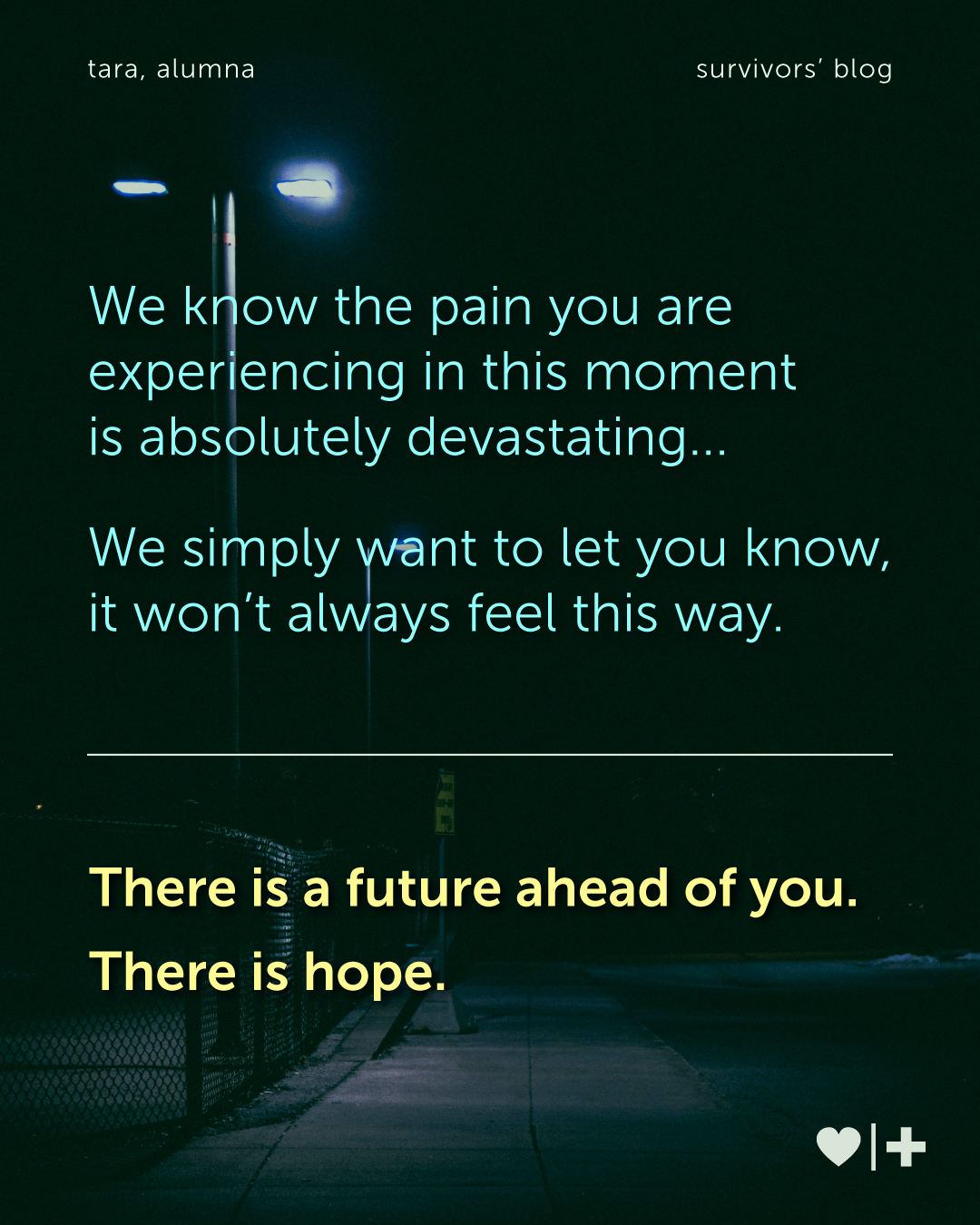
My point is this—it won’t always feel this way. I know the pain you are experiencing in this moment is absolutely devastating. I don’t deny it. My heart aches for you in your pain. I don’t want to diminish what you are facing. I simply want to let you know—it won’t always feel this way. There is a future ahead of you. There is hope.
When I was in the midst of it, I likely would not have believed anyone telling me that I could ever feel differently. Those feelings of sadness, devastation, and anger (just to name a few) were entirely consuming. Nowadays, there are moments that will remind me of those emotions, and it’s strange. It almost feels like that was another life. But they don’t overtake me and dominate my life.
You may not believe me. Nonetheless, I want to encourage you in this. Look up, look around. Sometimes simply getting your eyes off yourself and your particular situation can help. Getting outdoors just for a walk to see the sunrise or sunset can literally help. If you have the chance to see something new, this can help you remember there is a world beyond the pain you are in now.
So, hold on, friend. Keep pressing on. Set your eyes above. Reach out to those around you for help, wisdom, and comfort. And keep going. You will see beautiful again.
Rewind to Valentine's Day 1999.
Envision a blanket spread with a mountaintop picnic, complete with Martinelli’s, fluted glasses, and chocolate-covered strawberries. The official “Will you marry me?” complete with an engagement ring. One of the most joyous days of my life.
The dreams and expectations for our future were as wide and big as the view from that mountaintop. I couldn’t wait to start that journey.
Fast Forward to Valentine's Weekend 2021.
I just finished work at the warehouse. I was stopping at the grocery store on my way home. Feeling exhausted, dingy, and just plain down in the dumps. My husband and I were separated, and he was at the house spending some time with the kids. As I was walking into the store, you can imagine my shock upon seeing my husband—arm wrapped around his affair partner, laughing and talking with her as they walked away from the checkout. We made eye contact, but no words were shared. I was literally in a state of shock and disbelief.
I managed to make it through the store, gathering the few things the kids and I needed. Passing helium heart balloons, bouquets of flowers, chocolate-covered strawberries, and stuffed teddy bears holding hearts. Men stood in line with flowers and chocolates.
When I got to my car, I screamed my lungs out. Deep guttural cries of extreme anguish. Deep bellows of pain pouring out of my heart. Screams of anger because I literally told my husband, if you move in with her, DON’T do it there. I DO NOT want to run into her at the grocery store. And lo and behold—there she is, with MY husband’s arm draped over her, laughing together and having a grand ol’ time. I called my friend, and she talked me down. It took quite a bit of listening and patience on her part.
Fast Forward Again - Valentine’s Celebration 2024
I’m thinking about last year around this time. My (second) husband took me out of town for a weekend. He had been out of town for a couple of months due to his mom’s fight with cancer and work. When he came back, he talked to my kids about taking me away for a weekend. They graciously agreed, and off we went. He found a lovely little place with a hot tub, walking distance to Main Street. He purchased all kinds of charcuterie so we wouldn’t even have to leave the place if we didn’t want to. Oh my goodness, it was a wonderful time.
Return to the Present - Valentine’s Weekend 2025
Now, here I am—Valentine’s weekend 2025—serving at EMS (Emergency Marital Seminar) Weekend, Affair Recovery's weekend retreat for couples who want to heal from infidelity. How about that for a twist?! Who would have EVER guessed I would be helping others to find hope in the midst of their damaged marriages? Yet, here I am. Witnessing the determination of scores of couples doing the work to heal from infidelity.
My point is this—it won’t always feel this way. I know the pain you are experiencing in this moment is absolutely devastating. I don’t deny it. My heart aches for you in your pain. I don’t want to diminish what you are facing. I simply want to let you know—it won’t always feel this way. There is a future ahead of you. There is hope.
When I was in the midst of it, I likely would not have believed anyone telling me that I could ever feel differently. Those feelings of sadness, devastation, and anger (just to name a few) were entirely consuming. Nowadays, there are moments that will remind me of those emotions, and it’s strange. It almost feels like that was another life. But they don’t overtake me and dominate my life.
You may not believe me. Nonetheless, I want to encourage you in this. Look up, look around. Sometimes simply getting your eyes off yourself and your particular situation can help. Getting outdoors just for a walk to see the sunrise or sunset can literally help. If you have the chance to see something new, this can help you remember there is a world beyond the pain you are in now.
So, hold on, friend. Keep pressing on. Set your eyes above. Reach out to those around you for help, wisdom, and comfort. And keep going. You will see beautiful again.
Rewind to Valentine's Day 1999.
Envision a blanket spread with a mountaintop picnic, complete with Martinelli’s, fluted glasses, and chocolate-covered strawberries. The official “Will you marry me?” complete with an engagement ring. One of the most joyous days of my life.
The dreams and expectations for our future were as wide and big as the view from that mountaintop. I couldn’t wait to start that journey.
Fast Forward to Valentine's Weekend 2021.
I just finished work at the warehouse. I was stopping at the grocery store on my way home. Feeling exhausted, dingy, and just plain down in the dumps. My husband and I were separated, and he was at the house spending some time with the kids. As I was walking into the store, you can imagine my shock upon seeing my husband—arm wrapped around his affair partner, laughing and talking with her as they walked…
Continue reading →
Affair Recovery Timeline for Healing After Betrayal
When the pain is intense and life is undone, the process of recovery can seem as slow as pouring thick molasses on a cold winter day! Actions can be taken that help facilitate healing, but it still takes time. It is immensely helpful to lay out the timeline, although hypothetical, for what healing looks like. Each couple travels through this process at their own pace, but this will give a general rule of thumb. Also, as you look at the timeline, don't get discouraged. The intensity of the pain and the frequency of the intrusive thoughts should subside over time. The following diagram reflects the stages of the recovery process.
In a perfect world, and I'm afraid we are far too complex to let that happen, here are the general timelines for a couple's recovery.
The Discovery Stage: 0 to 6 weeks
This stage is frequently…
Continue reading →
Embracing Intimacy After Infidelity Part 1: How to Reengage
Embracing Intimacy After Infidelity: A 2 Part Series
Part 1: How to Reengage
Part 2: The Importance of Cherishing
Returning to sexual intimacy after an affair is often an intense and emotionally charged experience. Just thinking about reengaging sexually after the revelation of an affair can fill both partners with anticipation and longing, fear and anxiety, and sometimes even dread. To address this aspect of recovery, one thing is for sure: We have to spend some time looking deep within ourselves and gently but directly face our fears, anxiety, and shame.
At the beginning of this journey, many people think it is impossible to heal from the psychic wounds of infidelity. But we know that the physical body can heal, and your emotional body can heal too. In order to heal emotional wounds and rekindle physical desire, however, you…
Continue reading →
How I Started to Heal from Infidelity
My life changed forever almost eight years ago when I decided to jump out of a perfectly good airplane. Now, before you think I'm about to tell you some crazy cool skydiving story, it's not about that. It's about what happened when I arrived back home.
It was D-Day and I didn't know it. My wife disclosed to me that she had been unfaithful.
I was sitting on our white IKEA couch when my world flipped upside down. We had dated for six years and were just a couple of years into our marriage. I believed we were deeply enjoying life together. I didn't even have a category for the words my wife spoke that day. What made it worse was that the betrayal was with a friend of mine, adding layers of hurt and complexity to the already painful situation.
As I began to process, instances from the past month that seemed slightly abnormal started to…
Continue reading →
Rewriting the Story You Tell
"I can't believe this is my story."
Perhaps you've had a similar thought or even said some version of this aloud. It's an unfortunately natural response amongst those who have found themselves grappling with the life-shattering impact of infidelity. This is true for a betrayed spouse trying to make sense of events after a disclosure, and for a wayward spouse who recognizes that, despite their intentions, they have strayed very far from "I do."
We are all "living a story" with our everyday lives. We constantly share, tell, and listen to others' stories as a way to make sense of our own life and the world around us — especially when we are in the midst of intense suffering. We cling onto other experiences of hope and healing like a person gasping for fresh air after being held underwater for too long.
Yet, what we tend to forget is that the …
Continue reading →
When Should You Stop Talking About the Affair?
Couples often ask: "When should we stop talking about this?" For the unfaithful spouse, the question can be rooted in confusion and impatience as they're emotionally exhausted from having to relive the pain of their betrayal. For the betrayed spouse, the question can be rooted in a desire to know they aren't crazy for continually going back to repeated conversations in the past, as they continue to make sense of it all in the present.
An unfaithful alumnus of our program answered this question in this way: "She gets to do that as long as she wants; I have forever lost the right to say, 'Why can't you get over this yet?'" This is one of my favorite quotes from one of our EMS alumni couples. What struck me about these words was the fact that he wasn't asking "when do we stop talking about it" but rather was concerned and wanted to provide a safe place…
Continue reading →
Top 10 Things NOT to Say to a Betrayed Spouse
#10 "Why are you asking me about this again? I've already answered that."
The frustration. The agitation. The internal scream from wayward spouses: Please, God, will they ever stop asking these damn questions? You're not wrong, you probably have answered that question before. Maybe 19 times to be exact.
I remember doing this myself, relentlessly, obsessively, heartbreakingly. I asked my husband the same gut-wrenching questions over and over again for months. And I had my reasons.
Sometimes I was testing him. I wanted to see if his answers were consistent or if I could find any discrepancies. These interrogations came from a place of deep fear and shattered trust.
Other times, I genuinely couldn't remember what he said. Trauma does strange things to the brain…
Continue reading →
Moving from Self-Hatred to Self-Compassion
Have you ever wanted to fix something so badly that you'd trade anything to figure out how to undo the damage? Those who have been caught in an affair know what this place feels like.
When their affair or addiction is discovered, the pain and shock on the betrayed mate's face and the sound of their voice – whether it's screams, cries or silence – is something that neither will soon forget. All of the secrets and lies come out of the woodwork and are on full display.
In that moment, there is nowhere to hide and it is an understatement to say that for both the betrayed and the wayward, it can feel like the world is closing in around you.
Up until discovery, most wayward spouses have been living under the illusion that no one would ever know. Most also carry a false and naive arrogance that they can somehow escape the harsh reality of consequences.
…
Continue reading →
Will I Ever Feel Chosen?
In the third grade, I was placed in leg braces. For the first time in my young life, I felt different—isolated, set apart, and alone. The worst part of my new reality came each day at recess with the dreaded game of kickball. Mrs. Anderson would appoint team captains who would take turns selecting team members. I vividly recall standing there, eagerly hoping to be picked, only to be chosen last, every time.
Many of us carry echoes from the past. Perhaps you remember a time, like in third grade, feeling awkward or different—maybe it was braces, or orthopedic shoes, or just not fitting the mold. Maybe you have memories like mine of being on the playground, waiting and hoping to be picked for the team, only to find yourself chosen last or not at all. That sting of feeling unchosen creates a wave of shame, and raises the question: "Will I ever be first?…
Continue reading →
Forgiving Yourself: A Healing Necessity for Both Spouses
What does it mean to forgive yourself—especially in the wake of infidelity? Is self-forgiveness only for the wayward spouse, or is it an assignment for all of us? If you'd asked me that question before Discovery Day (D-Day), I would've said without hesitation: "Self-forgiveness? That's on the unfaithful partner to do that!"
Not because I saw myself as the oh-so-perfect wife, but because I believed the person who chose to stray was the only one needing to seek forgiveness. While I suppose it may be the case in some marriages that self-forgiveness is only applicable to the wayward spouse, that was not true in my case.
Struggling to forgive yourself and unsure of how to break free from the shame? This process is most transformative when walking alongside others on the same journey. Sign up for Hope for Healing and…
Continue reading →
Movies & Infidelity: Why Hollywood Seems Obsessed with Sex & Secrets
It's hard to escape it: cheating, affairs, and broken trust seem to be everywhere. Infidelity provides an endless source of drama for Hollywood filmmakers. But for those who've lived through it, a constant reminder of their deepest wounds does not feel like entertainment!
It seems to be a universal plot line and unless you are watching the Netflix series, The Great British Baking Show or the latest animal documentary on Animal Planet, chances are really high that every time you grab that remote, you will see a scene that contains a reference to cheating.
Sadly, anyone who has survived infidelity knows that when you're in the midst of the heartache and pain, having that very thing romanticized in your face can be extremely upsetting.
A huge day for movie releases is Christmas Day, and one year, the lineup included a Nicole…
Continue reading →
The Crucial Role of Disclosure in Healing (Survey)
What is disclosure?
If you're reading this, you likely understand the immense pain and confusion that secrets of infidelity bring. At Affair Recovery, we know that navigating the aftermath of betrayal is one of the hardest journeys a couple can face. One of the most challenging, yet critical, steps on the path to healing is disclosure, which is why we're conducting this brief survey. We want to be better equipped to help others through what is often described as the most painful part of a very painful process.
Infidelity is, by nature, the keeping of secrets, and those secrets rob the betrayed spouse of their reality and choice. But bringing the truth into the light, through a guided and safe disclosure process, is where true healing can begin. Will you take a few minutes to fill out our anonymous Disclosure Survey? Your personal experience, whether you…
Continue reading →
The Number One Question and How to Answer It
Do you know the number one question couples ask in recovery?
I'll let you know in a moment, but first I want to share with you a story. When my middle daughter was in high school, she decided to be a cheerleader. I was fine with it; what type of trouble could she get into leading cheers, right?
I remember sitting in the stands for the first game, waiting for her début as a cheerleader. What I failed to consider in my risk assessment was her size. Sopping wet, she might have tipped the scale at 90 pounds, which made her the perfect candidate for the “team flyer.” When they threw my munchkin into the air, Stephanie had to use restraints to keep me from running out to catch her. Now don't get me wrong; it's not the fact that the activity was risky. Since she was a feather weight, I had thrown her high in the air thousands of times. It’s just that I was the…
Continue reading →
The Brain’s Hidden Wound of Betrayal Trauma
Have you ever wondered: Why can't I just get over this? Do you feel like you're constantly re-living the betrayal, even when you don't want to? Intrusive thoughts keep coming back and won't seem to go away. One minute you are ready to cut ties and move on, the next you're ready to fight for your relationship and work it out. Later that same day, you are kicking yourself for being caught up in the exact same mental and emotional roller coaster, yet again. You deeply desire to understand what happened and why it happened but can't keep your heart rate down when you think or talk about it. You wish you could move on, but it seems like something is holding you back.
It can feel like you're going crazy but rest assured, you're not. Infidelity isn't just about broken trust; it can disrupt the way your brain processes emotions and memories. There is a physiological…
Continue reading →
Who I Should (and Shouldn't) Tell About the Affair
Who should you tell about the infidelity? Who shouldn't you? Why or why not?
This topic comes up at least once a week when I'm speaking with people just like you.
Some people will rush out and tell everyone and their mother, while others suffer in silence, afraid to tell a single soul.
No matter which side of the affair you are on, we suggest finding some middle ground. Pause, and consider what you need right now, and consider who can provide that for you. Let me share my personal experience of who I told and how THAT went, as well as relay some expert advice on how to navigate what can be a very anxiety-producing decision.
There were a couple friends, a doctor, and a priest. No, that's not the start of a joke. That's the order of who I told about the infidelity.
I decided quickly that I was going to wait on telling our…
Continue reading →
How Do I Know I Am Not “Plan B?”
How many of you have heard of others questioning or thought yourself: If I stay in the marriage after an affair, how will I ever know I'm not just "Plan B"? If so, you are not alone. After finding out that one partner in a committed relationship has had a secret life with another person, it is very natural and common to question this exact thing. Like it or not, the partner who has to discover the affair will receive an automatic one-way ticket to feeling rejected—for a long time. Most certainly, you find yourselves at a destination you never saw coming and a place you never wanted to be.
An ugly truth about rejection. It always feels personal.
Our emotions, particularly the most painful ones, cut so deeply. These emotions, such as rejection, do not allow us much room to rationalize. Like an emotional vending machine, when we take…
Continue reading →
Grappling with Disappointment from an Affair
Ever lost something that's really important to you? I'm not talking about a phone or even a job. I'm talking about something really important, like a child or a marriage. I've lost something like that. What's worse, my most passionate and sincere efforts to keep it from happening totally failed. I didn't cause it, but I did everything in my power (at least from my perspective) to stop it. And all my effort resulted in a big fat disappointment and a whole heap of pain.
How do we deal with significant failure or loss, especially when infidelity has already caused us so much pain? Odds are, if you're reading this, you know exactly what I'm talking about. Anyone who's really screwed up their marriage (or found themselves in a state of betrayal) and then discovered how powerless they were to stop the resulting devastation, knows…
Continue reading →
Do’s & Don’ts of Emotional Flooding
Emotional flooding (or dysregulation) is natural in the aftermath of infidelity. Judith Herman says relational trauma, such as infidelity, is "a violation of human connection."1 The attachment rupture that occurs is likely the most painful event the betrayed spouse has ever experienced. They've lost all sense of safety.
The impact is so significant that it creates traumatic memories. As time passes, normal memories fade into the past and lose their emotional intensity, but traumatic memories are a different cognitive entity. When they are triggered, the betrayed spouse re-experiences that memory as if it's happening right now, not in the past. That part of the brain can't tell time.
When a reminder, such as a song, smell, name, or memory triggers a traumatic memory, there's rage, tears, and accusations; it can feel like Groundhog Day, where…
Continue reading →
Deciding to Stay: Practical Ways to Rebuild Safety
Has infidelity left you feeling irrelevant or expendable? Candace understands that pain. Now an invaluable member of our Affair Recovery team, she speaks with people weekly to help them take a first step toward healing through our courses. Candace is involved in group leadership, alongside her husband, drawing from their own experience. Her deep well of empathy, wisdom, and knowledge is invaluable to those navigating the healing journey. - Rick Reynolds
Two Words
Irrelevant and expendable. Those are the two words I chose to describe how my husband's infidelity made me feel.
Four years, two months, and twelve days, that's the amount of time between my first Discovery Day (D-day) in 2020 and the moment I told my husband I wanted to stay married to him while standing on the beach in late 2024.
Yes, that's over four years!…
Continue reading →
The True Definition of Love and Its Role In Surviving An Affair
Love is a funny thing.
To the couple in crisis due to infidelity or addiction, it can also be a very confusing thing.
In our culture, love is most frequently portrayed as an overwhelming feeling of attraction and desire. In the land of make believe, love is a magical force that propels the couple to "happily ever after." Our souls resonate with this theme, and we long for our chance to experience that kind of true love and never-ending passion. This universal desire reveals our desperate need to be loved and to feel wanted.
The only problem is that this fairy tale style of love exists only in movies and in the initial stages of a budding relationship.
Those fledgling feelings are never sustained over a lifetime of marriage. Married people know this. Movies don't typically portray this…
Continue reading →
The Myth of Greener Grass in Marriage
Ever catch yourself staring over that fence, thinking the grass is so much greener on the other side?
I did, and it nearly cost me my marriage. This experience ultimately led me to start programs at Affair Recovery, like Hope For Healing, that help people understand why we tend to look for greener grass in the first place.
I'm an old guy who's lived long enough to make some really dubious choices. Trust me, I've got the scars to prove it. But here's the one lesson I've learned after 46 years of marriage: The grass is NOT always greener.
To those of you who strayed from your marriage or are wondering if you should. Let me ask you a question: Is the grass really greener on the other side of that fence?
2 Types of Greener Grass
Greener grass comes in two types. First, there's the grass that looks so perfectly green, but…
Continue reading →
Lies We Believe About Our Spouse
Spouses Want to Be Chosen
A while back, a woman named, Sue, sat in my office complaining about her husband, Joe. (That's not unusual; both men and women are forever in my office complaining about their mate.) Sue's complaint was about never feeling chosen. She gave example after example of Joe choosing something (or someone) besides her.
After about twenty minutes, Sue stopped, took a breath, and asked, "Am I the problem?"
Without a second's hesitation, I said, "Absolutely, you are."
Shock and disbelief flooded her face as she said, "How can that be?"
"The problem is the way you view your marriage," I responded. "Before you think I'm crazy for saying this, let me help you understand."
Before we go further, dear reader, please understand, Sue is NOT the only…
Continue reading →
Ending An Affair: Throw Away the Key
Ending An Affair: A 6 Part Series
Make the Decision
Close the Door
Lock the Door - Part 1
Lock the Door - Part 2
Throw Away the Key
Letting Go and Moving On
On the day I married Stephanie, I swore I would love her till death do us part. I wanted to be a man who loved his wife, a man who would protect her and provide for her. I wanted to be a good father and a man of great integrity. I never fathomed that I would ever dishonor or disrespect Stephanie. My heart was to love her to the best of my ability. That sentiment reflects my true heart. At the core of my being is a heart that loves and is compassionate, kind, concerned, and caring. However, I have other parts of my being that want and need to be loved. I want and need to feel good…
Continue reading →
Revenge: Responding to an Affair
When responding to an affair, two wrongs never make a right. It's tempting, but by doing this, a betrayed spouse will wound themselves even further.
As C.S. Lewis says in The Four Loves:
"To love at all is to be vulnerable. Love anything and your heart will be wrung and possibly broken. If you want to make sure of keeping it intact you must give it to no one, not even an animal. Wrap it carefully round with hobbies and little luxuries; avoid all entanglements. Lock it up safe in the casket or coffin of your selfishness. But in that casket, safe, dark, motionless, airless, it will change. It will not be broken; it will become unbreakable, impenetrable, irredeemable. To love is to be vulnerable.” He goes on to say, “The only place outside of heaven where you can be perfectly safe from all dangers and perturbations of…
Continue reading →