
What Are Some Practical Steps to Take to Forgive My Spouse?
Recently Stephanie was perusing the Recovery Library and said to me, "Betrayed spouses need some practical suggestions on forgiveness." My first thought was that forgiveness isn't practical; it's actually rather extravagant. But Stephanie was willing to offer some do's and don'ts for those who have been betrayed. I've rounded out the discussion by offering suggestions for the wayward spouse.
Cover more ground faster with the life-changing experience of EMS Weekend for couples.
Learn More | EMS Weekend
For the sake of our discussion, allow me to clarify who this is intended for and give some definition to some of the terms.
Beyond Discovery
To begin, let me stress that these suggestions are for couples who have moved beyond (or who are ready to move beyond) discovery and determine how to live with…
Continue reading →
How To Survive an Affair: How Much Should I Share with My Spouse?
My family–everyone except me–loves puzzles. One year, they worked on a 1000-piece jigsaw puzzle called "Will the Real Santa...". It was made up of over 32 Santas who all looked basically the same. Each had a white beard and red costume. For hours, my family sat around the table taking each of the thousand pieces, comparing them to the picture on the lid and trying to distinguish slight differences that would help them decide where to put that piece. My family claims it is rewarding when they are able to make just one more piece fit. They find fulfilling what I consider to be torture.
Understanding the Puzzle
Imagine trying to assemble a 1000-piece puzzle with no picture on the box to reference. Even the most determined person would find this task incredibly difficult. Now imagine several extra, total-nonsense…
Continue reading →
Is My Mate Truly Committed to Recovery?
How do I know if my spouse is truly committed to recovery?
When you are trying to put your life back together in the aftermath of infidelity and addiction, it's important to "stay in your own lane." When it comes to our marriage relationship, it is very natural to question from time to time what IS happening on the other side of the street, so to speak. This is a kind way to remind us all that we need to focus on our own work.
Join other betrayed mates on the path to healing with our life-changing Harboring Hope online course and start a better, brighter chapter.
Learn More | Harboring Hope
Today, we are going to focus on a very short (not exhaustive) list of what we GENERALLY see when an individual is truly doing the work to heal after infidelity. If your mate is doing even half of what we are discussing…
Continue reading →
Making Your Recovery Easier
For more on thriving in a group environment read: The Power of Small Groups.
Would you be interested in expediting your recovery?
Imagine that you have a heavy chair to carry up three flights of stairs. Did you know your brain's going to estimate how much energy that's going to take and begin to divert blood flow from different organs and put hormones in your body such as adrenaline, to ensure you have sufficient energy to complete that task? Now, imagine as you're picking up that chair, a friend comes along and offers to help. Can you sense the relief you'd feel knowing you don't have to do it by yourself? Think about how much lighter that load's going to be.
Now, imagine that there's a plane crash, and you survive, but you're over a hundred miles away from civilization in a dangerous wilderness. What do you think your…
Continue reading →
How to Make Recovery Easier
For more on thriving in a group environment read: The Power of Small Groups.
Imagine that you have a heavy chair to carry up three flights of stairs. Can you feel the dread? Now, imagine as you're picking up that chair, a friend walks up and offers to help. Think about how much lighter that load is going to be.
Now, I'd like you to see yourself in the wilderness after a plane crash that you've survived. You're all alone, hundreds of miles away from civilization, in a wilderness filled with deadly predators. How does that feel? What do you think your chances of survival are?
Next, see yourself in that same situation, but instead of being alone, there are eight other survivors that want to navigate that journey with you. Does that feel more hopeful?
Finally, imagine someone is trying to explain to you how to…
Continue reading →
Destructive Patterns in Communication
"I can't believe a married woman with kids could do this. Can't you see how devious she was?!!" Steph yelled.
"I'm 100% responsible," I said. "I won't minimize my responsibility by saying someone tricked me or made me do it. If I'm going to face my issues, I have to take 100% of the responsibility."
"Why do you keep defending her?" This time, she screamed!
"I'm not defending her; I'm taking 100% responsibility. It's my screwed-up choices that got us here. She didn't make me do anything. And I'm not going to blame somebody else for my failure."
"Every time you do that, you defend her!"
"I'm not defending her. I'm trying to take 100% responsibility for what happened."
"You always do that; you always make me think I'm wrong when I get upset with someone. And if there was ever a time I had a right to be upset with someone, it's now! STOP DEFENDING HER!…
Continue reading →
What's Your Next Best Step?
The easiest–and cheapest–way to start on this journey is to take our free First Steps Bootcamp. It's an online guide with 100+ pages of content and a full-length video of a mentor couple who was in as big of a mess as it can get. You'll take a big sigh of relief when you have a clear plan and learn that you're neither crazy nor alone in this journey, whichever side of the infidelity you find yourself on.
Start the Free First Steps Bootcamp Now!
Thank you for entrusting us with this part of your journey.
I know when Steph and I were going through this back in 1984, we were in desperate need of guidance: somebody who had been through this, who knew what to do. We were floundering through the details of disclosure, and flooded conversations were the norm. We couldn't communicate, and we couldn't…
Continue reading →
Emotions Running Wild? Why You Lose Control After Infidelity
Have you ever found yourself so frustrated, so enraged, so overwhelmed, or so out of control that you snapped? This is not a pleasant place to be, but chances are you've been there.
One thing about the aftermath of infidelity is the explosion of not only chaos and uncertainty, but also the many extreme and scary emotions.
For those who find out they have been betrayed, the response is often anger, followed by rage. Rage can get out of control, however. It is a natural and normal human emotional response to betrayal.
For those who have been wayward, you most likely faced (or will face) a very powerful sense of a spiraling loss that is out of control, and the desperation you feel can cause an enormous sense of fear and shame.
The most difficult aspect of all of these negative emotions is that they are – negative. Negative emotions feel heavier, more…
Continue reading →
Recovery Tips to Face the New Year
How do you face a new year after an affair? I want to share four recovery tips with you as you start the new year. No matter where you are in your recovery from infidelity, there was probably a time when it felt like you wouldn't make it. But let me start by inviting you to notice that you did. The overwhelm, grief, anger, and despair have not swallowed you whole, even though it may have felt that way. So take a moment to notice: You made it to a new year!
While the new year symbolizes a fresh start, it can also come with pressures and disappointments, reminding us of unmet goals or the way the previous year didn't turn out as expected. So take a deep breath with me and let's discuss how you can make the most of the New Year, full of healing and wholehearted living.
Consider joining Hope for Healing where you'll find community for isolation and healing for…
Continue reading →
Parenting Through Infidelity: A Father/Daughter Perspective
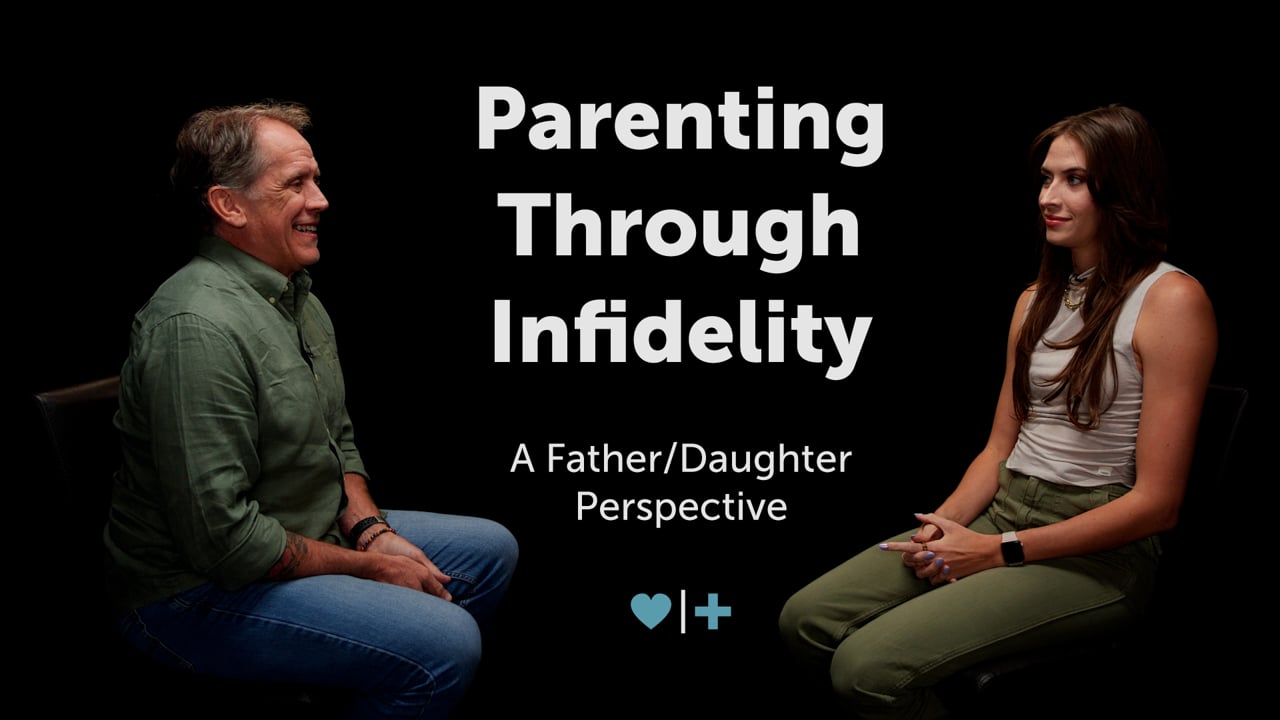
Wayne: Hey, everybody. Welcome back. So glad you're with us. This week is special for me because we have a very special guest–one of my favorite people on the planet for almost 29 years now! I want to introduce you to my favorite (and only) daughter, Karen Baker, who is a newly minted psychotherapist herself.
Today we're going to talk about infidelity from a different perspective: what to tell the kids, what not to tell the kids, what Karen's journey has been like, and how we have dealt with some of our more challenging father/daughter conversations. I'm looking forward to talking with you about how we've navigated this road together, especially in the last 7 or 8 years.
Find guidance to healing after infidelity with EMS Online. This course is comprised of expert methodology honed from decades of experience exclusively in the field of infidelity to…
Continue reading →
How to Prevent Relapse After Infidelity
A couple of years ago, Steph and I went canoeing with friends on the Guadalupe River in Texas. It was a picture-perfect spring day. Wildflowers streaked the banks in a kaleidoscope of colors and spring showers had the river running high. We stopped for lunch on a grassy bank and soaked in the beauty all around us. All agreed that it doesn't get any better than this. It was the perfect day... or so we thought.
We Never Saw It Coming
The next day, my skin began to break out, not just a little...A LOT. I've known for years that I'm deathly allergic to poison ivy, which is why I can normally spot the stuff 100 yards away! But on that day, I must have missed it. The rash was all over, and that's no exaggeration. I never knew this level of itch and pain was possible! While I knew that scratching off the top layer of my skin was…
Continue reading →
From Fearful to Brave After Betrayal
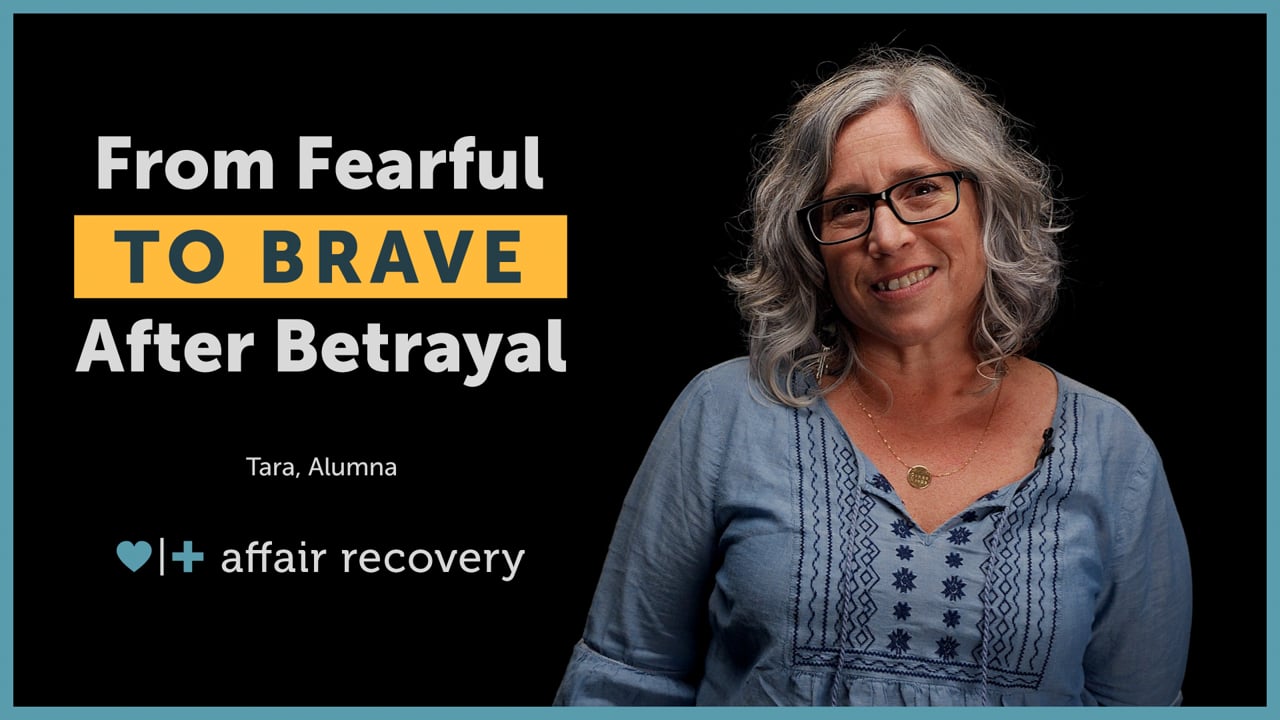
Brave. Beautiful. Warrior. Scarcely words I would ever consider using to describe myself after my husband’s affair.
Fearful. Scarred. Defeated.
These words suited me best at this point in life.
Nonetheless, my teenage daughter bought me these three silver tiles. Word tiles. Brave. Beautiful. Warrior.
With five children I was caring for, to think that one of them viewed me as brave? Beautiful? Even a warrior? It was laughable.
And yet, my daughter’s perspective, that she saw those qualities in me, inspired me to lean into those things.
These three little silver tiles gave me something to hold onto. They were pieces to be put together into your own personalized piece of jewelry or accessory. I had some earring hooks left over from one of our quick passing hobbies of jewelry making. These three earrings quickly became part of my daily attire.
…
Continue reading →
Were They Thinking of Me?
"What were you thinking?"
"Did you even consider the consequences?"
"I just don't understand how you could ever do this without thinking about me and the kids!"
Carol's eyes burned into Tim's soul like laser beams.
Tim, her unfaithful spouse, hung his head in order to avoid her gaze.
"I don't know," he stammered.
"Liar!" she screamed.
Unpacking the Story
Carol and Tim came to see me after the discovery of Tim's four-month affair with a co-worker. Discovery had occurred when the two of them were rearranging their living room furniture. Tim handed his phone to Carol while he moved the couch. That's the moment when the affair partner's text popped up saying,
…
Continue reading →
The Fantasyland of an Affair
In one succinct phrase, L. Frank Baum perfectly describes the feeling of suddenly finding yourself physically and emotionally lost.
"I don't think we're in Kansas anymore," Dorothy quipped to her dog Toto.
When it comes to infidelity, regardless of the type, this statement couldn't be truer. In Dorothy's mind, mediocrity defined her life.
Consider joining Hope for Healing where you'll find community for isolation and healing for shame —and that's just the beginning.
Learn More | Hope For Healing!
Maybe you've felt like Dorothy. There was allegedly no color in her life. There was no excitement to be found in her prosaic little town in the middle of Kansas. The drudgery of farm life left her feeling hopelessly chained to a life of misery and unfulfilled expectations. Didn't she…
Continue reading →
Grieving What Once Was
 Some days, everything can seem like too much to handle, and this can really take a toll on your energy. I spent many sleepless nights wishing, hoping, and praying to wake up to find that all my pain had disappeared. The pain seemed to rot in my gut and would then turn to anger, followed by sadness. Ironically, most days, the pain wasn’t even about the state of my marriage, but rather trying to cope with the loss of my “first marriage.” I was still married to the same person, but I was grieving the loss of the way it was. You see, in the months following the discovery of my wife’s infidelity, I did not realize I was going through the stages of grief. It wasn’t until later that a therapist I was working with said, “Give yourself some grace as you're still grieving the loss of your marriage.” I remember thinking, "How can I be grieving the loss of my marriage when I am still married?"
At the time, I had no idea why some days I was angry, other days sad, and still others filled with denial about what had happened. The rapid cycling of emotions was a lot to handle in the months post affair and there were times when I didn’t know where to turn to get the help I needed. It wasn’t until I took the initiative to look up the five stages of grief, that I realized I was repeatedly cycling through the steps of the grieving process. In retrospect, I was somewhat oblivious to what “grieving” a loss even entailed as I was guilty of filling my life with work, extracurriculars, family, stress, and a nonstop daily agenda.
A few years prior to my wife’s affair, I lost my father prematurely. I share this because of its relevance to the aftermath of the affair and how it correlates to grieving. Up until the infidelity, I had never given myself the time and space to go through the grieving process, and this includes the passing of my father. A few days after the funeral, I was back at work buried in tasks, working long hours, and staying as busy as possible to make things go back to the way they were before his passing. Work was comforting to me. I tried so hard to do the exact same thing after the infidelity, but as hard as I tried, I couldn’t suppress the emotions I was having. These feelings and emotions eventually started to create a mental turmoil so severe that it manifested as physical ailments.
Grieving looks different for everyone, and there is no right or wrong way with how you cope, but I found a great amount of peace and serenity when I finally understood it was okay to grieve. Affair Recovery played a huge role in this transformational mindset of giving myself permission to have these various emotions.
As the betrayed, it's excruciatingly difficult to allow yourself the time to process while not getting caught in the memories of what once was. I struggled with letting go of what our marriage was and if it ever had any validity at all during the first seven years leading up to the infidelity. I questioned every aspect of my marriage and, almost seemingly at the same time, yearned for it to go back to what it was before the infidelity so I wouldn’t have to deal with all the emotional turmoil I was feeling inside. I can recall the anger, denial, and depression I fought on a daily basis.
Affair Recovery was the first platform where I saw other individuals publicly sharing their stories and how they too went through a period of grieving. One video clip that really resonated with me was a couple who spoke about how “their second marriage” was so much better than “their first.” They hadn’t been married twice, rather they were speaking about starting over and letting go of the first part of their marriage before the affair.
The toughest part of working to rebuild my relationship with my wife was learning how to let go. It seems almost counterintuitive, but for the longest time I was clinging to the idea of restoring my marriage so it could go back to the way it was. It wasn’t until I started to release this mindset, that things seemed to turn a corner. It is human nature to want to go back to something that is familiar as this provides security and comfort for both of us.
Undoubtedly, I was trying to hold onto my marriage and refused to grieve it for the longest time. Subconsciously, I was trying to protect myself from the unknown next steps we’d have to take to build a new and better marriage. I was looking for safety and security in the familiar, but the entire time I was looking, it was no longer there. In doing this, I was stuck trying to suppress all my emotions and ended up in a perpetual state of fight or flight response.
My heartfelt plea for other betrayed spouses is to ask for help. There are resources to help you get through the grieving process in a healthy way with the support you need and deserve. As a betrayed husband, I can say that as a man, grieving was particularly troubling at times. It can be very hard to express emotions due to societal expectations that men remain steadfast and strong at all times. I admittedly struggled with this mindset for a good long time, as I felt reluctant to show emotion as my internal dialogue insisted it was a sign of weakness.
Going to the EMS Weekend in Texas with my wife was a turning point for me regarding my reluctance to show emotions. I was comforted to see other men that weekend who were also the betrayed spouse, as it often happens the other way around. It offered me a sense of acceptance and comfort, knowing I wasn’t alone in my journey.
I cannot express enough how significant hope can be in those times of anger, sadness, and pain. It can be daunting at times, but my hope for healing pushed me forward each and every day, even if I hit a low point and wanted to waive the white flag. The Harboring Hope course at Affair Recovery is such a gift for betrayed spouses. I am so thankful that there is a resource like this for betrayed spouses. It felt insurmountable at times in the recovery process, but having this resource specifically for a betrayed spouse is truly amazing. When I started my endless internet search in the days after the infidelity, I found countless articles, blogs, books, and websites offering opinions on how to deal with an affair, but it wasn’t until I found Harboring Hope that it felt relevant to what I was truly experiencing. HOPE has been instrumental in my journey, and I pray that you too can find this same level of hope in your healing.
Some days, everything can seem like too much to handle, and this can really take a toll on your energy. I spent many sleepless nights wishing, hoping, and praying to wake up to find that all my pain had disappeared. The pain seemed to rot in my gut and would then turn to anger, followed by sadness. Ironically, most days, the pain wasn’t even about the state of my marriage, but rather trying to cope with the loss of my “first marriage.” I was still married to the same person, but I was grieving the loss of the way it was. You see, in the months following the discovery of my wife’s infidelity, I did not realize I was going through the stages of grief. It wasn’t until later that a therapist I was working with said, “Give yourself some grace as you're still grieving the loss of your marriage.” I remember thinking, "How can I be grieving the loss of my marriage when I am still married?"
At the time, I had no idea why some days I was angry, other days sad, and still others filled with denial about what had happened. The rapid cycling of emotions was a lot to handle in the months post affair and there were times when I didn’t know where to turn to get the help I needed. It wasn’t until I took the initiative to look up the five stages of grief, that I realized I was repeatedly cycling through the steps of the grieving process. In retrospect, I was somewhat oblivious to what “grieving” a loss even entailed as I was guilty of filling my life with work, extracurriculars, family, stress, and a nonstop daily agenda.
A few years prior to my wife’s affair, I lost my father prematurely. I share this because of its relevance to the aftermath of the affair and how it correlates to grieving. Up until the infidelity, I had never given myself the time and space to go through the grieving process, and this includes the passing of my father. A few days after the funeral, I was back at work buried in tasks, working long hours, and staying as busy as possible to make things go back to the way they were before his passing. Work was comforting to me. I tried so hard to do the exact same thing after the infidelity, but as hard as I tried, I couldn’t suppress the emotions I was having. These feelings and emotions eventually started to create a mental turmoil so severe that it manifested as physical ailments.
Grieving looks different for everyone, and there is no right or wrong way with how you cope, but I found a great amount of peace and serenity when I finally understood it was okay to grieve. Affair Recovery played a huge role in this transformational mindset of giving myself permission to have these various emotions.
As the betrayed, it's excruciatingly difficult to allow yourself the time to process while not getting caught in the memories of what once was. I struggled with letting go of what our marriage was and if it ever had any validity at all during the first seven years leading up to the infidelity. I questioned every aspect of my marriage and, almost seemingly at the same time, yearned for it to go back to what it was before the infidelity so I wouldn’t have to deal with all the emotional turmoil I was feeling inside. I can recall the anger, denial, and depression I fought on a daily basis.
Affair Recovery was the first platform where I saw other individuals publicly sharing their stories and how they too went through a period of grieving. One video clip that really resonated with me was a couple who spoke about how “their second marriage” was so much better than “their first.” They hadn’t been married twice, rather they were speaking about starting over and letting go of the first part of their marriage before the affair.
The toughest part of working to rebuild my relationship with my wife was learning how to let go. It seems almost counterintuitive, but for the longest time I was clinging to the idea of restoring my marriage so it could go back to the way it was. It wasn’t until I started to release this mindset, that things seemed to turn a corner. It is human nature to want to go back to something that is familiar as this provides security and comfort for both of us.
Undoubtedly, I was trying to hold onto my marriage and refused to grieve it for the longest time. Subconsciously, I was trying to protect myself from the unknown next steps we’d have to take to build a new and better marriage. I was looking for safety and security in the familiar, but the entire time I was looking, it was no longer there. In doing this, I was stuck trying to suppress all my emotions and ended up in a perpetual state of fight or flight response.
My heartfelt plea for other betrayed spouses is to ask for help. There are resources to help you get through the grieving process in a healthy way with the support you need and deserve. As a betrayed husband, I can say that as a man, grieving was particularly troubling at times. It can be very hard to express emotions due to societal expectations that men remain steadfast and strong at all times. I admittedly struggled with this mindset for a good long time, as I felt reluctant to show emotion as my internal dialogue insisted it was a sign of weakness.
Going to the EMS Weekend in Texas with my wife was a turning point for me regarding my reluctance to show emotions. I was comforted to see other men that weekend who were also the betrayed spouse, as it often happens the other way around. It offered me a sense of acceptance and comfort, knowing I wasn’t alone in my journey.
I cannot express enough how significant hope can be in those times of anger, sadness, and pain. It can be daunting at times, but my hope for healing pushed me forward each and every day, even if I hit a low point and wanted to waive the white flag. The Harboring Hope course at Affair Recovery is such a gift for betrayed spouses. I am so thankful that there is a resource like this for betrayed spouses. It felt insurmountable at times in the recovery process, but having this resource specifically for a betrayed spouse is truly amazing. When I started my endless internet search in the days after the infidelity, I found countless articles, blogs, books, and websites offering opinions on how to deal with an affair, but it wasn’t until I found Harboring Hope that it felt relevant to what I was truly experiencing. HOPE has been instrumental in my journey, and I pray that you too can find this same level of hope in your healing.
Some days, everything can seem like too much to handle, and this can really take a toll on your energy. I spent many sleepless nights wishing, hoping, and praying to wake up to find that all my pain had disappeared. The pain seemed to rot in my gut and would then turn to anger, followed by sadness. Ironically, most days, the pain wasn’t even about the state of my marriage, but rather trying to cope with the loss of my “first marriage.” I was still married to the same person, but I was grieving the loss of the way it was. You see, in the months following the discovery of my wife’s infidelity, I did not realize I was going through the stages of grief. It wasn’t until later that a therapist I was working with said, “Give yourself some grace as you're still grieving the loss of your marriage.” I remember thinking, "How can I be grieving the loss of my marriage when I am still…
Continue reading →
Where Do I Go From Here?
In the weeks and months following the discovery of my husband’s affair, I most often would find myself going through the motions of daily life. Being a stay at home mom of five homeschooled children, I didn’t have a “break” from my kids. My break from daily life would often be found in the seclusion of my vehicle.
On one occasion I found myself driving aimlessly. I felt like I woke up from my daze to find myself…wait, where? “Where am I?” I asked myself. I was supposed to be picking up my son. From a friend’s house I’ve been to countless times. And yet, I had no idea where I was. I literally had to pull over, open google maps and get directions. That’s how lost I was. My mind was a million miles away. My brain had checked out. I had slipped into oblivion.
Does that sound familiar? I’m guessing you’ve been there. More than once. The new reality you're facing has…
Continue reading →
Stop Faking It: A Woman’s View on Sex After Infidelity
Today we are going to have a conversation about sex and intimacy. If you are anything like me, this is a difficult conversation to have, especially with our mate.
No other part of our lives is more personal than sex.
As a female, it still baffles me that in this very century and decade, we are STILL trying to undo so many myths out there regarding our female gender, our bodies, and our view of sexuality.
Only as females do we know the complexity of our bodies, experiences, and our sexuality. There is a piece of me that gets frustrated, even angry, that so much of the research out there about a woman's body and her sexuality has been conducted and written by men. This is not because men aren't helpful, nor do they not have our best interest at heart. I love some of the wisdom they pour into us, and I know we can learn from what…
Continue reading →
Living in Denial
 My aunt was radiantly beautiful in colored head scarves and rocked GI Jane length hair throughout the three years of her battle with cancer. She remained joyful and full of life, even in the midst of multiple rounds of treatment. When she was unable to travel to a family gathering last fall, I missed her, but simply assumed this was just one more round of chemo, and I’d see her again. That did not happen.
When she passed, I remember wondering why I had not even considered the fact that this might happen. A gentle inside voice that often reminds me of recovery literature whispered, “What about denial?”
Denial is avoidance of reality or a blindness to the obvious or the inevitable. For me, a long time user of fantasy thinking to self-medicate, I see denial as another form of fantasy thinking. No, I am not beating myself up for not going to see my Aunt Jane; she did not desire visitors mid-treatment anyway. When she communicated that she was ready to stop trying, we arrived just in time for a beautiful passing of a spirit from this life to the next. I do recognize now that I was in denial of the possibility of any outcome other than treatment working. The return of my aunt’s health and vitality was the only thing I expected. I was not thinking realistically or accepting the reality of her situation.
As I grieved my aunt’s passing, that little word “denial” kept resurfacing in the back of my mind, and I began to think of all the other times I used denial to deal with uncomfortable situations in my life. I had never framed my thinking in early recovery as denial before, but in looking back at the disclosure of the affair that brought my husband and me to AR, it was absolutely denial – a total avoidance of reality – that drove me to my almost-unbreakable attachment to the AP, as well as my inability to clearly see the horror of my choices.
Denial, like all good coping mechanisms, served me at one time. As AR founder Rick Reynolds says, denial is a God-given ability humans (particularly children) involuntarily use to survive certain situations that would be too difficult to face head-on. In addition, avoidance of discomfort is innate to our human bodies and minds. When overheated, our bodies are designed to regulate temperature. When injured, our nerves may temporarily stop sending pain messages while the brain has a few seconds or minutes to react and process. Sometimes, when facing trauma, we create an alternate reality so we don’t feel the pain.
And… like all good coping mechanisms, once denial of my reality was no longer needed, I still held onto it.
I had quite an active fantasy life from a very young age, both romantic and otherwise. I denied the reality that it is impossible to avoid conflict or to keep everyone happy. I denied the reality that not everyone could like me. I denied the reality that I could not juggle the needs, wants, approval, and problems of everyone around me. I denied any critique that came my way. I denied the fact that I was living more life in my head than in my life itself. I denied the reality that I couldn’t control everything. I denied the existence of my own emotions, needs, and wants in order to maintain the peace. I denied myself basic information, exploration, and curiosity, for fear of being wrong. I denied the consequences of my actions and embraced rationalization. In short, I told myself whatever I needed to hear in order to avoid the obvious or the inevitable: my humanness and my fallibility.
In the process of separating from the AP, I clung to my denial story for dear life. I insisted there was real love and care. I lamented the story that “If not for this, I could be happy with that.” I obsessed about the man and ignored important information, as well as the ramifications of staying with him. I told myself it was “meant to be.”
I clung to that version of reality for many reasons, but there are two big ones that I recognize today. One, I could not face any possible outcome other than the fantasy outcome I had created in my head. Though it was the fantasy of an insane mind, the idea that everyone would not come out better and happier with this new life was unthinkable. The other was that I could not face the reality of the danger I had put myself, my family, and another person in. Surely, not me, the one who always had the best intentions, who always cared, who always wanted what was best for others and bent over backwards to keep the peace and ensure happiness! Was I really that selfish, self-serving, careless, and untrustworthy? I could not face it. The one person I would be with forever was me, and if I could not trust me, then I’d never be safe. I could not possibly expect me or anyone else to accept me if I had actually used these other people instead of loving them. I needed that make-believe story of my actions, and I clung to the fantasy version of that affair for much longer than anyone could believe. I literally felt like my life depended on it continuing on.
There is much more to the “why” behind the affair, why that person, and why did I need coping mechanisms in the first place, but I know for sure that denial is an important piece of my story! Reality would have been too much to bear at first, and only by the grace of God did my husband stay with me while a loving recovery community helped me clear the debris of the past, face the present reality, and eventually envision a better future. It is also through God’s grace and love for me that I was able to face and accept the non-fantasy version of myself, my actions, and my childhood.
Contemplation of the role of denial in my life continues. Since my aunt’s passing, I’ve continued to ask myself where I see denial in my life? I see it sometimes. I know it’s important to keep looking for signs of denial entering my mind. I don’t want to go back to those days when it had such a grip on me. It’s a self-protective mechanism, I know, but I want to be content with things like getting older or accepting the fact that my parents won’t be with me forever. I don’t want this inevitability to promote fear, but rather to promote the preciousness of today!
Denial can only get us so far. Eventually, the weight of reality sets in, and we are confronted with the consequences of our destructive thought patterns. If you are stuck in denial, if you cling to a version of reality that simply does not stand up to rational thinking, I encourage you to keep pushing for clarity. Keep seeking to align your inner voice and your outer behaviors.
If you are ready to break free, we are ready to help you, just like we’ve helped thousands of courageous individuals who have walked this road before you. We’ve been there. We get it. And we know the freedom and peace that comes when you choose to reject denial and start living an authentic life. Join Hope for Healing today and begin your recovery journey in a safe, encouraging community.
To Reality!
Amber
My aunt was radiantly beautiful in colored head scarves and rocked GI Jane length hair throughout the three years of her battle with cancer. She remained joyful and full of life, even in the midst of multiple rounds of treatment. When she was unable to travel to a family gathering last fall, I missed her, but simply assumed this was just one more round of chemo, and I’d see her again. That did not happen.
When she passed, I remember wondering why I had not even considered the fact that this might happen. A gentle inside voice that often reminds me of recovery literature whispered, “What about denial?”
Denial is avoidance of reality or a blindness to the obvious or the inevitable. For me, a long time user of fantasy thinking to self-medicate, I see denial as another form of fantasy thinking. No, I am not beating myself up for not going to see my Aunt Jane; she did not desire visitors mid-treatment anyway. When she communicated that she was ready to stop trying, we arrived just in time for a beautiful passing of a spirit from this life to the next. I do recognize now that I was in denial of the possibility of any outcome other than treatment working. The return of my aunt’s health and vitality was the only thing I expected. I was not thinking realistically or accepting the reality of her situation.
As I grieved my aunt’s passing, that little word “denial” kept resurfacing in the back of my mind, and I began to think of all the other times I used denial to deal with uncomfortable situations in my life. I had never framed my thinking in early recovery as denial before, but in looking back at the disclosure of the affair that brought my husband and me to AR, it was absolutely denial – a total avoidance of reality – that drove me to my almost-unbreakable attachment to the AP, as well as my inability to clearly see the horror of my choices.
Denial, like all good coping mechanisms, served me at one time. As AR founder Rick Reynolds says, denial is a God-given ability humans (particularly children) involuntarily use to survive certain situations that would be too difficult to face head-on. In addition, avoidance of discomfort is innate to our human bodies and minds. When overheated, our bodies are designed to regulate temperature. When injured, our nerves may temporarily stop sending pain messages while the brain has a few seconds or minutes to react and process. Sometimes, when facing trauma, we create an alternate reality so we don’t feel the pain.
And… like all good coping mechanisms, once denial of my reality was no longer needed, I still held onto it.
I had quite an active fantasy life from a very young age, both romantic and otherwise. I denied the reality that it is impossible to avoid conflict or to keep everyone happy. I denied the reality that not everyone could like me. I denied the reality that I could not juggle the needs, wants, approval, and problems of everyone around me. I denied any critique that came my way. I denied the fact that I was living more life in my head than in my life itself. I denied the reality that I couldn’t control everything. I denied the existence of my own emotions, needs, and wants in order to maintain the peace. I denied myself basic information, exploration, and curiosity, for fear of being wrong. I denied the consequences of my actions and embraced rationalization. In short, I told myself whatever I needed to hear in order to avoid the obvious or the inevitable: my humanness and my fallibility.
In the process of separating from the AP, I clung to my denial story for dear life. I insisted there was real love and care. I lamented the story that “If not for this, I could be happy with that.” I obsessed about the man and ignored important information, as well as the ramifications of staying with him. I told myself it was “meant to be.”
I clung to that version of reality for many reasons, but there are two big ones that I recognize today. One, I could not face any possible outcome other than the fantasy outcome I had created in my head. Though it was the fantasy of an insane mind, the idea that everyone would not come out better and happier with this new life was unthinkable. The other was that I could not face the reality of the danger I had put myself, my family, and another person in. Surely, not me, the one who always had the best intentions, who always cared, who always wanted what was best for others and bent over backwards to keep the peace and ensure happiness! Was I really that selfish, self-serving, careless, and untrustworthy? I could not face it. The one person I would be with forever was me, and if I could not trust me, then I’d never be safe. I could not possibly expect me or anyone else to accept me if I had actually used these other people instead of loving them. I needed that make-believe story of my actions, and I clung to the fantasy version of that affair for much longer than anyone could believe. I literally felt like my life depended on it continuing on.
There is much more to the “why” behind the affair, why that person, and why did I need coping mechanisms in the first place, but I know for sure that denial is an important piece of my story! Reality would have been too much to bear at first, and only by the grace of God did my husband stay with me while a loving recovery community helped me clear the debris of the past, face the present reality, and eventually envision a better future. It is also through God’s grace and love for me that I was able to face and accept the non-fantasy version of myself, my actions, and my childhood.
Contemplation of the role of denial in my life continues. Since my aunt’s passing, I’ve continued to ask myself where I see denial in my life? I see it sometimes. I know it’s important to keep looking for signs of denial entering my mind. I don’t want to go back to those days when it had such a grip on me. It’s a self-protective mechanism, I know, but I want to be content with things like getting older or accepting the fact that my parents won’t be with me forever. I don’t want this inevitability to promote fear, but rather to promote the preciousness of today!
Denial can only get us so far. Eventually, the weight of reality sets in, and we are confronted with the consequences of our destructive thought patterns. If you are stuck in denial, if you cling to a version of reality that simply does not stand up to rational thinking, I encourage you to keep pushing for clarity. Keep seeking to align your inner voice and your outer behaviors.
If you are ready to break free, we are ready to help you, just like we’ve helped thousands of courageous individuals who have walked this road before you. We’ve been there. We get it. And we know the freedom and peace that comes when you choose to reject denial and start living an authentic life. Join Hope for Healing today and begin your recovery journey in a safe, encouraging community.
To Reality!
Amber
My aunt was radiantly beautiful in colored head scarves and rocked GI Jane length hair throughout the three years of her battle with cancer. She remained joyful and full of life, even in the midst of multiple rounds of treatment. When she was unable to travel to a family gathering last fall, I missed her, but simply assumed this was just one more round of chemo, and I’d see her again. That did not happen.
When she passed, I remember wondering why I had not even considered the fact that this might happen. A gentle inside voice that often reminds me of recovery literature whispered, “What about denial?”
Denial is avoidance of reality or a blindness to the obvious or the inevitable. For me, a long time user of fantasy thinking to self-medicate, I see denial as another form of fantasy thinking. No, I am not beating myself up for not going to see my Aunt Jane;…
Continue reading →
What's Your Plan for Recovery?
For more on how to move forward in recovery read: Does Time Heal All Wounds?
Is it possible to not only heal, but to have a better life than before?
Thank you so much for giving me your time. Over the past four decades of treating infidelity, I've worked with thousands of individuals and couples who have stalled in their recovery process simply because they didn't know what to do. They didn't have the necessary support to heal or even know what was possible.
In the early 80s, I became a Marriage and Family therapist, but not long after that, I actually betrayed my wife, Stephanie, and I had to face the fact I was an amazing hypocrite. I was playing the part of someone helping marriages, when in fact, I was wrecking marriages. I decided a career change was in order. I had to do whatever was…
Continue reading →
Mistakes Families Make After an Affair
The effects of infidelity extend far beyond the couple in crisis; it also impacts friends and family as they navigate these choppy waters. It's natural to want to help, but what support is beneficial to a couple's recovery process, and what is detrimental? Here are the most common mistakes families and close friends make during their loved one's recovery.
Find guidance to healing after infidelity with EMS Online. This course is comprised of expert methodology honed from decades of experience exclusively in the field of infidelity to better serve couples as they address the betrayal, reconnect as partners and restore their lives.
Learn More | EMS Online
Withdrawing from the couple. Taking a hands-off approach, like it's their problem and none of your business can leave your loved one feeling unsupported…
Continue reading →
Comparison: What Did They Have That I Don’t?
 There I was sitting at my dining room table.
I was three days removed from “D-Day” and as the betrayed spouse, in a bit of a rough spot. My wife had left to go stay with friends for the week so we could both take some time to determine our next steps individually and as a couple.
As I was sitting at the same table where our family had eaten countless meals together, the thoughts of comparison kept creeping up in my mind. It was like a bad nightmare that I couldn’t wake up from. For two days, I had been trying to find things to do around the house to occupy my mind, and I was tired. The inner voice was relentless: What did her affair partner have that I don’t?
I was in a state of denial about what was happening and how this all could have transpired. At that moment, I did what seemed right and turned to the internet for comfort. In my scrolling, I found a few articles and blogs about infidelity. Most of the information I found was not of a positive tone nor was it helpful in nature from a betrayed spouse’s point of view. Therefore, I just couldn’t seem to shake this amplifying question of what my wife’s affair partner possessed that I didn’t.
So there, at the dining room table, three days removed from discovering my wife’s infidelity, I couldn’t resist it anymore. About to erupt with emotion, I picked up my phone and fired off several texts to my wife in a fit of resentment: “What did he have that I didn’t?” “What did he provide you that I couldn’t?” “Do you love him more than me?”
I had no idea what response I was going to get, but I asked the questions anyway. Consequently, the response I got did not provide me the relief I was seeking, in fact it caused me a lot of pain. My wife shared a long list of things about her affair partner that she preferred as compared to me at that time. Unfortunately, this opened the door for me to compare every aspect of the affair to our marriage and every aspect of myself to my wife’s affair partner.
I would stay up at night wondering if everything we had in our years of marriage were as “happy” as the moments they shared throughout the affair. I became swept away by constant thoughts of comparison. Even during random times like watching TV or at my work desk typing, I would catch myself trailing off into thoughts of comparing our marriage to my assumptions about the affair. It was as if the affair voided all legitimate happiness or meaning throughout our entire marriage.
Comparison robbed me of so much joy and even made me question my best qualities as an individual in the weeks and months following D-Day. I found myself giving up all my personal power and even let my wife’s affair partner determine my self-worth at times. I compared every aspect of myself to the affair partner as if he were a proverbial measuring stick of who I should be as a person. I even lamented the fact that he was a bit younger than myself, as if reversing my age would somehow make me a more worthy husband. I spent endless months in a self-imposed comparison loop.
My hope is that this will help other betrayed spouses in this same position find some comfort. I encourage you to take some time in those moments of comparison and sincerely question if what you’re telling yourself is helpful. I was very hesitant to start seeing a therapist, but once I did, I found it incredibly helpful to speak with someone who was impartial and could help me work through my thoughts and emotions. I would suggest sharing your infidelity with a select few friends and family who you trust to support you throughout your healing. This support can be the single greatest asset during times of great internal turmoil.
Finally, I want to share some advice based on what I’ve learned from my own experience.
Take some time to do something fun or find joy. It can be easy to fall into the same loop of negative thought patterns. If you can interrupt these thoughts by trying a new activity, hanging out with friends, reading a new book, or finding something that is new and exciting, this will help retrain your mind that it doesn’t need to remain in a heightened state of alertness. I wish I had infused more joy into my healing sooner as it truly did help reshape my recovery for the better.
Don’t lose sight of who you are as a person. Being the betrayed spouse in an affair will undoubtedly make you question aspects of yourself at times and comparison will be a catalyst for this. As a betrayed spouse, I encourage other betrayed spouses to not lose sight of who you are as a person. In the end, it took me some time to realize that neither my spouse nor her affair partner can determine my self-worth as a person. That’s my job. It’s your job too.
Regardless of the outcome of your infidelity experience, you are valuable, and no event or person can change that! I am proud to say that after much focus on healing and personal work, I no longer fight this internal battle with comparison. It is possible to get through this and come out even better on the other side.
There I was sitting at my dining room table.
I was three days removed from “D-Day” and as the betrayed spouse, in a bit of a rough spot. My wife had left to go stay with friends for the week so we could both take some time to determine our next steps individually and as a couple.
As I was sitting at the same table where our family had eaten countless meals together, the thoughts of comparison kept creeping up in my mind. It was like a bad nightmare that I couldn’t wake up from. For two days, I had been trying to find things to do around the house to occupy my mind, and I was tired. The inner voice was relentless: What did her affair partner have that I don’t?
I was in a state of denial about what was happening and how this all could have transpired. At that moment, I did what seemed right and turned to the internet for comfort. In my scrolling, I found a few articles and blogs about infidelity. Most of the information I found was not of a positive tone nor was it helpful in nature from a betrayed spouse’s point of view. Therefore, I just couldn’t seem to shake this amplifying question of what my wife’s affair partner possessed that I didn’t.
So there, at the dining room table, three days removed from discovering my wife’s infidelity, I couldn’t resist it anymore. About to erupt with emotion, I picked up my phone and fired off several texts to my wife in a fit of resentment: “What did he have that I didn’t?” “What did he provide you that I couldn’t?” “Do you love him more than me?”
I had no idea what response I was going to get, but I asked the questions anyway. Consequently, the response I got did not provide me the relief I was seeking, in fact it caused me a lot of pain. My wife shared a long list of things about her affair partner that she preferred as compared to me at that time. Unfortunately, this opened the door for me to compare every aspect of the affair to our marriage and every aspect of myself to my wife’s affair partner.
I would stay up at night wondering if everything we had in our years of marriage were as “happy” as the moments they shared throughout the affair. I became swept away by constant thoughts of comparison. Even during random times like watching TV or at my work desk typing, I would catch myself trailing off into thoughts of comparing our marriage to my assumptions about the affair. It was as if the affair voided all legitimate happiness or meaning throughout our entire marriage.
Comparison robbed me of so much joy and even made me question my best qualities as an individual in the weeks and months following D-Day. I found myself giving up all my personal power and even let my wife’s affair partner determine my self-worth at times. I compared every aspect of myself to the affair partner as if he were a proverbial measuring stick of who I should be as a person. I even lamented the fact that he was a bit younger than myself, as if reversing my age would somehow make me a more worthy husband. I spent endless months in a self-imposed comparison loop.
My hope is that this will help other betrayed spouses in this same position find some comfort. I encourage you to take some time in those moments of comparison and sincerely question if what you’re telling yourself is helpful. I was very hesitant to start seeing a therapist, but once I did, I found it incredibly helpful to speak with someone who was impartial and could help me work through my thoughts and emotions. I would suggest sharing your infidelity with a select few friends and family who you trust to support you throughout your healing. This support can be the single greatest asset during times of great internal turmoil.
Finally, I want to share some advice based on what I’ve learned from my own experience.
Take some time to do something fun or find joy. It can be easy to fall into the same loop of negative thought patterns. If you can interrupt these thoughts by trying a new activity, hanging out with friends, reading a new book, or finding something that is new and exciting, this will help retrain your mind that it doesn’t need to remain in a heightened state of alertness. I wish I had infused more joy into my healing sooner as it truly did help reshape my recovery for the better.
Don’t lose sight of who you are as a person. Being the betrayed spouse in an affair will undoubtedly make you question aspects of yourself at times and comparison will be a catalyst for this. As a betrayed spouse, I encourage other betrayed spouses to not lose sight of who you are as a person. In the end, it took me some time to realize that neither my spouse nor her affair partner can determine my self-worth as a person. That’s my job. It’s your job too.
Regardless of the outcome of your infidelity experience, you are valuable, and no event or person can change that! I am proud to say that after much focus on healing and personal work, I no longer fight this internal battle with comparison. It is possible to get through this and come out even better on the other side.
There I was sitting at my dining room table.
I was three days removed from “D-Day” and as the betrayed spouse, in a bit of a rough spot. My wife had left to go stay with friends for the week so we could both take some time to determine our next steps individually and as a couple.
As I was sitting at the same table where our family had eaten countless meals together, the thoughts of comparison kept creeping up in my mind. It was like a bad nightmare that I couldn’t wake up from. For two days, I had been trying to find things to do around the house to occupy my mind, and I was tired. The inner voice was relentless: What did her affair partner have that I don’t?
I was in a state of denial about what was happening and how this all could have transpired. At that moment, I did what seemed right and turned to the internet for comfort. In my scrolling, I found a few…
Continue reading →
Was the Sex So Much Better in Their Affair?
Many of you out there have struggled or are struggling with the thought of comparing the intimacy or sex between your spouse and the affair partner versus the intimacy or sex you had as married spouses.
One of the most difficult and painful parts of working through the fallout after an affair is this idea that somehow sex within an affair is "so much better" than what you had or experienced in your marriage.
These thoughts can be overwhelming for different reasons.
The affair partner's age. If the affair partner is younger, there is an illusion that their youth, energy, and vibrancy made it better. If the affair partner is older, there is an illusion that there is more experience and wisdom. This doesn't make it true, but it does create an image that the sex was somehow better with them.
The perceived image or…
Continue reading →
How Long is This Going to Take?
 I sat in the therapist's office for the first time after my husband finally confessed his affair. I wasn’t sure what I was doing. Surely I did not belong here, did I?
She introduced herself, we had some preliminary conversation, and I told her my story. I didn’t know what people actually did following betrayal, but I knew I needed help and I needed it now. The pain I was experiencing was excruciating and I could barely move through the day. My head was spinning and I desperately wanted to move past this as quickly as possible. I was willing to do absolutely anything to find some relief.
“It takes most people about two years to recover,” she said.
What? Are you kidding me? No, that wasn’t going to work for me. I came into her office thinking more along the lines of maybe two months of living like this. Maybe three. That’s it. I couldn’t deal with this for one minute longer. I was in total disbelief of her words, so I told myself I would just do it faster than all those other people.
In early recovery, most of us are in a hurry to just get through it.. No matter what side of the equation you're on, no one wants to linger one minute longer in this mess than absolutely necessary.
My husband was equally unprepared when I shared the therapist’s prediction. Neither of us really believed it, and we wondered if maybe she didn’t know what she was talking about. As the months went on and I continued to struggle, he sometimes gently noted the time that had elapsed, as though pointing it out would make me snap out of it and feel differently.
“Jen, it’s been 100 days.”
I was also frustrated, believing I must not be working hard enough or I would be doing much better by now. He was genuinely repentant, very understanding and supportive. Neither of us understood why I wasn’t starting to feel better. How could I possibly feel this terrible day after day?
“Jen, it’s been 6 months.”
We actually laugh about this now, but it was not at all funny at the time. I felt I was doing it all wrong and I would never recover. I assumed it meant I was doomed to fail. His intentions were good, he just really didn’t understand and neither did I, so I was not able to explain it to him. I thought I would magically feel better over time, and when I didn’t, I went searching for resources and encountered a few references to timelines that reflected similarities to my therapist’s remarks. Various sources described what “should” be happening 3 months following D-day, then 6 months, 9 months, at the one year mark, and so on.
I waited for the days and weeks to pass, just trying to hold on until I reached that magical marker on the timeline that said I would start to feel better. I told myself that when I got there, something would be different. It just had to. And then when the date on the calendar came and went? Nothing. I was crushed. Of course, it doesn’t make any sense that something would spontaneously change on some random date, but I had hung my hopes on it because frankly, I didn’t know what else to do. So when it didn’t materialize, I felt even more lost than before. I just wanted someone to tell me when the pain would end, so that I could crawl into my bed and just hibernate until it was time to come out and be healed.
As I passed each mile marker, I felt more and more discouraged that I wasn’t where I was “supposed” to be. I felt like I was falling behind, like I must not have the capacity to heal like “other people” did, and this conclusion only added to my feelings of hopelessness. The more time that passed without any real improvement, the less I believed there was an actual end to this pain and confusion. I lost all confidence this was going to get any better. My fear increased about being stuck indefinitely in this Recovery Purgatory, and the fear fed on itself the longer it went on. The more time that passed, the more fearful I became that I would never heal, and then more time would pass and feed that fear, and so on.
The reality is that time does not heal all wounds. Time itself really doesn’t matter as much as what we do with that time. In reality, I spent much of that time just waiting. Waiting for him to fix it, waiting for him to make it better. He was also waiting - waiting for me to be healed. Time alone was not going to do it, but neither of us really understood the work that was needed. I wasted a lot of time either trying to avoid the work, or telling myself I didn’t need it. I would do bits and pieces here and there and thought that should be enough, but it wasn’t until I really jumped into my recovery wholeheartedly that I began to experience a significant shift, and things started to really change. Time became much less important as I started to experience glimmers of healing and hope for the future.
I know we all want to look for answers and realistic expectations, but I really don’t like any of the purported timelines, since every one of us is as unique as our situations. I also think there are too many subjective variables that create a wide spectrum when it comes to how each of us even would define “healed,” so it further complicates those predictions. I know some people who are satisfied with just getting to a point of relative peace and stability, and others who won’t stop going until they truly thrive. There is no right or wrong, and sometimes the goal posts move along the way.
Now that I’m no longer in the midst of the trauma, I prefer to look at healing in seasons rather than specific time frames. The initial season of recovery is awful. There’s just no way around that. There are triggers and reminders everywhere and everything feels very raw, scary, and overwhelming. There is little peace. Speaking for myself, what came next was a season of searching. I searched for hope, for guidance, for someone to tell me what to do.
One very important thing to note is that even though it takes time to walk through recovery, the experience is not static. The pain and complete overwhelm I felt the first week is not the same as what I felt months and years later, even if it was still hard. Admittedly it may have taken me longer to gain traction than it might for others, so I was in pretty rough shape for a while. That supposed two year timeline to heal was not even close for me. I wish it had been. Even so, I can see there were shifts over time. Affair Recovery recommends taking an assessment at defined intervals (ie: every 3 to 6 months) to gauge progress since it can be really hard to discern any difference in the day to day.
For me, one straightforward gauge of progress was the impact of a “trigger” over time. Initially, triggers were truly debilitating, causing intense physical symptoms that often took me down for days at a time. A bit later on, triggers were still present and painful, but they only took me offline for an hour, then only for a few minutes, and so on. The intensity lessened. Then the meaning and impact changed. While I wasn’t yet “healed,” my experience when I got triggered was not the same in later seasons as it was in the beginning. It’s important for me to say that here, because I remember when I first started out, I heard about people having triggers years down the road, and I was horrified to think that they felt the same as I did just a couple months after D-day. That wasn’t the case at all. And it wasn’t just about learning to suck it up and put on a brave face. It was a true lessening of emotional and physical response as I continued to do the work of recovery.
So how long does it take to recover from infidelity? The exact amount of time is different for everyone, but the short answer is - it definitely takes longer than anyone would like. There is no way around it - only through it. Winston Churchill is quoted as saying, “If you’re going through Hell, keep going.” That’s all we can do. Just keep going. One day you will look back and be surprised to see how far you’ve come in your healing journey. It does get better - much better. But it also takes time. In the meantime, try to be patient, give yourself some grace, keep doing the work, and just keep going. We all get there in our own time.
I sat in the therapist's office for the first time after my husband finally confessed his affair. I wasn’t sure what I was doing. Surely I did not belong here, did I?
She introduced herself, we had some preliminary conversation, and I told her my story. I didn’t know what people actually did following betrayal, but I knew I needed help and I needed it now. The pain I was experiencing was excruciating and I could barely move through the day. My head was spinning and I desperately wanted to move past this as quickly as possible. I was willing to do absolutely anything to find some relief.
“It takes most people about two years to recover,” she said.
What? Are you kidding me? No, that wasn’t going to work for me. I came into her office thinking more along the lines of maybe two months of living like this. Maybe three. That’s it. I couldn’t deal with this for one minute longer. I was in total disbelief of her words, so I told myself I would just do it faster than all those other people.
In early recovery, most of us are in a hurry to just get through it.. No matter what side of the equation you're on, no one wants to linger one minute longer in this mess than absolutely necessary.
My husband was equally unprepared when I shared the therapist’s prediction. Neither of us really believed it, and we wondered if maybe she didn’t know what she was talking about. As the months went on and I continued to struggle, he sometimes gently noted the time that had elapsed, as though pointing it out would make me snap out of it and feel differently.
“Jen, it’s been 100 days.”
I was also frustrated, believing I must not be working hard enough or I would be doing much better by now. He was genuinely repentant, very understanding and supportive. Neither of us understood why I wasn’t starting to feel better. How could I possibly feel this terrible day after day?
“Jen, it’s been 6 months.”
We actually laugh about this now, but it was not at all funny at the time. I felt I was doing it all wrong and I would never recover. I assumed it meant I was doomed to fail. His intentions were good, he just really didn’t understand and neither did I, so I was not able to explain it to him. I thought I would magically feel better over time, and when I didn’t, I went searching for resources and encountered a few references to timelines that reflected similarities to my therapist’s remarks. Various sources described what “should” be happening 3 months following D-day, then 6 months, 9 months, at the one year mark, and so on.
I waited for the days and weeks to pass, just trying to hold on until I reached that magical marker on the timeline that said I would start to feel better. I told myself that when I got there, something would be different. It just had to. And then when the date on the calendar came and went? Nothing. I was crushed. Of course, it doesn’t make any sense that something would spontaneously change on some random date, but I had hung my hopes on it because frankly, I didn’t know what else to do. So when it didn’t materialize, I felt even more lost than before. I just wanted someone to tell me when the pain would end, so that I could crawl into my bed and just hibernate until it was time to come out and be healed.
As I passed each mile marker, I felt more and more discouraged that I wasn’t where I was “supposed” to be. I felt like I was falling behind, like I must not have the capacity to heal like “other people” did, and this conclusion only added to my feelings of hopelessness. The more time that passed without any real improvement, the less I believed there was an actual end to this pain and confusion. I lost all confidence this was going to get any better. My fear increased about being stuck indefinitely in this Recovery Purgatory, and the fear fed on itself the longer it went on. The more time that passed, the more fearful I became that I would never heal, and then more time would pass and feed that fear, and so on.
The reality is that time does not heal all wounds. Time itself really doesn’t matter as much as what we do with that time. In reality, I spent much of that time just waiting. Waiting for him to fix it, waiting for him to make it better. He was also waiting - waiting for me to be healed. Time alone was not going to do it, but neither of us really understood the work that was needed. I wasted a lot of time either trying to avoid the work, or telling myself I didn’t need it. I would do bits and pieces here and there and thought that should be enough, but it wasn’t until I really jumped into my recovery wholeheartedly that I began to experience a significant shift, and things started to really change. Time became much less important as I started to experience glimmers of healing and hope for the future.
I know we all want to look for answers and realistic expectations, but I really don’t like any of the purported timelines, since every one of us is as unique as our situations. I also think there are too many subjective variables that create a wide spectrum when it comes to how each of us even would define “healed,” so it further complicates those predictions. I know some people who are satisfied with just getting to a point of relative peace and stability, and others who won’t stop going until they truly thrive. There is no right or wrong, and sometimes the goal posts move along the way.
Now that I’m no longer in the midst of the trauma, I prefer to look at healing in seasons rather than specific time frames. The initial season of recovery is awful. There’s just no way around that. There are triggers and reminders everywhere and everything feels very raw, scary, and overwhelming. There is little peace. Speaking for myself, what came next was a season of searching. I searched for hope, for guidance, for someone to tell me what to do.
One very important thing to note is that even though it takes time to walk through recovery, the experience is not static. The pain and complete overwhelm I felt the first week is not the same as what I felt months and years later, even if it was still hard. Admittedly it may have taken me longer to gain traction than it might for others, so I was in pretty rough shape for a while. That supposed two year timeline to heal was not even close for me. I wish it had been. Even so, I can see there were shifts over time. Affair Recovery recommends taking an assessment at defined intervals (ie: every 3 to 6 months) to gauge progress since it can be really hard to discern any difference in the day to day.
For me, one straightforward gauge of progress was the impact of a “trigger” over time. Initially, triggers were truly debilitating, causing intense physical symptoms that often took me down for days at a time. A bit later on, triggers were still present and painful, but they only took me offline for an hour, then only for a few minutes, and so on. The intensity lessened. Then the meaning and impact changed. While I wasn’t yet “healed,” my experience when I got triggered was not the same in later seasons as it was in the beginning. It’s important for me to say that here, because I remember when I first started out, I heard about people having triggers years down the road, and I was horrified to think that they felt the same as I did just a couple months after D-day. That wasn’t the case at all. And it wasn’t just about learning to suck it up and put on a brave face. It was a true lessening of emotional and physical response as I continued to do the work of recovery.
So how long does it take to recover from infidelity? The exact amount of time is different for everyone, but the short answer is - it definitely takes longer than anyone would like. There is no way around it - only through it. Winston Churchill is quoted as saying, “If you’re going through Hell, keep going.” That’s all we can do. Just keep going. One day you will look back and be surprised to see how far you’ve come in your healing journey. It does get better - much better. But it also takes time. In the meantime, try to be patient, give yourself some grace, keep doing the work, and just keep going. We all get there in our own time.
I sat in the therapist's office for the first time after my husband finally confessed his affair. I wasn’t sure what I was doing. Surely I did not belong here, did I?
She introduced herself, we had some preliminary conversation, and I told her my story. I didn’t know what people actually did following betrayal, but I knew I needed help and I needed it now. The pain I was experiencing was excruciating and I could barely move through the day. My head was spinning and I desperately wanted to move past this as quickly as possible. I was willing to do absolutely anything to find some relief.
“It takes most people about two years to recover,” she said.
What? Are you kidding me? No, that wasn’t going to work for me. I came into her office thinking more along the lines of maybe two months of living like this. Maybe three. That’s it. I couldn’t deal with this…
Continue reading →
Facing Your Triggers: Finding Freedom on a Dance Floor
I conquered a trigger last week, and I couldn’t wait to get home from my vacation and share it with you!
One of the assignments in EMS Online is to list your triggers. When I took EMS Online about 3 1/2 years ago, I remember thinking, “How many can I list? How much time do I get? We could be here all night!”
Somewhere near the bottom of my list, but still significant enough for me to note, was a song. It was a song my husband had confessed he and the affair partner really liked and had enjoyed listening to together.
Ever since I learned about their connection to this song, I’ve never been able to listen to it. The minute it comes on the radio, I can’t turn it off fast enough.
Well, picture this: I was on a beautiful cruise ship in the middle of the Caribbean, en-route to Aruba. I had just finished a decadent dinner with my husband and twin daughters,…
Continue reading →
How Do We Silence Shame?
SHAME!!!!!
Shame is loud and debilitating. It can alter the trajectory of your life. I want to share one step you can take to silence shame and to do so, let me share one quick story about how shame affected my life.
Many years ago, when I returned home from college, my friends threw a party, and after it was over, I crashed at my best friend's house for the night. Unfortunately, in the early hours of the morning, I was jolted out of a deep sleep. The first thing I saw was the clock on the nightstand. It was 3:17 a.m. It was then that I realized someone was sexually fondling me. Instantly going into fight or flight mode, I rolled off the bed and spun around to confront my perpetrator, only to find the perpetrator was my best friend.
What just happened? I was completely disoriented and confused. I felt shocked, hurt, violated,…
Continue reading →
Hope Rising 2024 On Demand
The following videos are from the Seventh Annual Hope Rising Conference
for betrayed spouses from October 5th 2024. If you are interested in attending the next Hope Rising Conference, learn more here: www.affairrecovery.com/hope-rising
Download Speaker Notes
Session 1
Session 2
Session 3
Session 4
…
Continue reading →
Should I Get a Divorce? Am I Being Naive?
Should I Get a Divorce? A Two Part Series
Part 1: Am I Being Naive?
Part 2: Life After Divorce: How the Unfaithful Sees It
I love premarital counseling. It's so easy. I don't mean to be sarcastic or condescending here, but I'm sure you'll get my drift as I continue on. The reason premarital counseling is so easy is that you've got two people believing they have found the one person in the entire human race who can truly make them happy. They are definitely NOT asking the question, "At what point should I get a divorce?" They are consumed with bliss and willing to make the necessary sacrifice just to have the opportunity to travel the road of life with their chosen, cherished person. Together, they feel they can conquer the world and experience …
Continue reading →
Common Justifications for Why Women Cheat
Understanding the reason behind infidelity is crucial to recovery. Without a basic understanding of why someone cheated, it's difficult for the betrayed spouse to determine the probability of future safety. The task of understanding the "why" behind their mate's infidelity is further complicated by gender differences.
Get a plan for healing by joining EMS Online. This course is comprised of expert methodology honed from decades of experience exclusively in the field of infidelity to better serve couples as they address the betrayal, reconnect as partners and restore their lives.
Learn More | EMS Online
One of the biggest mistakes betrayed spouses fall prey to is mistakenly assuming their mate's motivations for cheating are similar to what their motivations would be. It’s usually not the case.
…
Continue reading →
Are They Thinking About the Other Person?
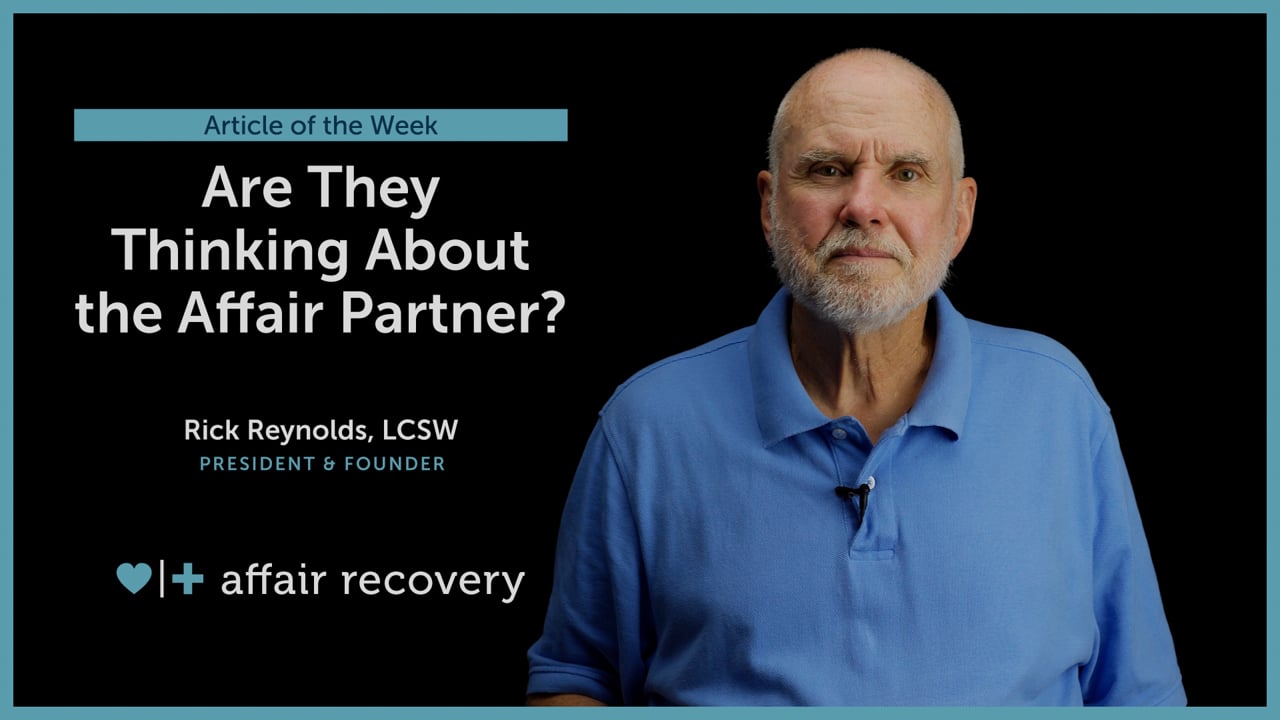
And the answer is... a definite maybe, but odds are they don't think about the other person nearly as often as you do. The three primary factors driving how often the wayward spouse might think of the other person: 1) the focus of their recovery, 2) the nature of the relationship, and 3) the frequency at which the betrayed spouse brings up the topic of the affair partner. The driving force behind the frequency the betrayed spouse thinks of the Affair Partner (AP) is betrayal trauma.
Cover more ground faster with the life-changing experience of EMS Weekend for couples.
Learn More | EMS Weekend
The Focus of Recovery:
When the focus of recovery is personal growth and a pursuit to live according to their values, integrity, and dignity, then thoughts of the AP are quick to fade. This is where programs like Hope for Healing can…
Continue reading →
Hope Rising 2024 Dress Rehearsal - Not Live
Times are in Central Time (GMT-5:00)
1-888-527-2367 | [email protected] | #hoperising
Type a Name into the Name field below and press "Join audience" to join the Live Chat. This will be visible publicly when you send messages so we recommend you choose your name carefully.
LUNCH DETAILS
Women & Men Lunch Small Groups
12:10pm - 1:10pm CT
No spouses please. The Women's Lunch Small Groups are for women only and vice versa for the Men's.
WOMEN'S LUNCH GROUPS
MEN'S LUNCH GROUPS
Lunch Discussion Questions
We recommend that someone volunteer to be the group facilitator and lead the discussion.
Your group may decide to have the facilitator call on individuals to share. You could also go in
alphabetical order. Your group might also choose to spend more or less time on any given
question. This group is for YOU, so make it your own!
Share your first name and how long since discovery/disclosure.
In two minutes or less, share why you are joining the Hope Rising conference this year.
What is something from the morning sessions that inspires you or gives you hope?
What have you done that helped you get through an intrusive thought, trigger, or reminder?
What have you learned about yourself during the recovery process?
What is something you want to start doing that you're not currently doing?
How will you continue to find support and seek healing after this conference?
Important Note: If you would like to share any contact information, you may do so now. In order to maintain confidentiality, Affair Recovery will not be able to give out personal or contact information.
PROGRAM
Presentation Notes, Speaker Bios, and Agenda can all be found here!
View Program
(printable)
AGENDA
8:45 Livestream Starts
9:00am Session One
Leslie Hardie - Managing Intrusive Thoughts, Triggers, & Reminders
Jeremy - The Power of Healing Moments
Break
10:35am Session Two
Job & Julie Lopez - Brain Science and Betrayal
JR - Emotions and Curiosity
Jenn Howie - Help! I've Gone Missing!
Lunch
12:05am Lunch Discussion Groups over Zoom
Break
1:20pm Session Three
Candace - A Lawyer, a Priest, and an Accountant
Matt - The Man's Journey
Brad & Kristen Warren - Overcoming Betrayal from Sexual Addiction
Break
2:50pm Session Four
Rachel - Overcoming Betrayal Trauma's Physical Effects
Leslie Hardie & Dr. John Mark Haney - Live Q&A Session with Harboring Hope Co-Authors
Dr. John Haney - Healing Your Sexual Self After Betrayal
Harboring Hope Online Course
Join The Notification List
Learn About Harboring Hope
This course is a lifeline for betrayed spouses. Authored by Leslie Hardie LCSW and Dr. John Haney PhD LPC-s, it sells out very quickly each month so join the email notification list, so you don't miss out when registration opens!
Learn About Harboring Hope
`
Donate To The Scholarship Program
Help us raise funds for those who can't afford to get help!
Donate Here
SPEAKERS
 Leslie Hardie
Keynote Speaker, LCSW, Co-Author of Harboring Hope
Managing Intrusive Thoughts, Triggers, & Reminders
After discovering your partner's infidelity, the onslaught of triggers and reminders is overwhelming. Unwelcome intrusive thoughts seemingly come out of nowhere and hijack one's mind and emotions. It is hard to live life - sleeping and eating are elusive, and daily functioning feels largely impossible. Learn more about yourself and how to manage some of the biggest mental and emotional challenges on this healing journey.
Jeremy
Alumnus
The Power of Healing Moments
It can be difficult to imagine, in the midst of a fresh betrayal, what life might look like seven years from now. Jeremy shares about his own journey, the marker moments along the way over the last seven years that led to him experiencing a wound eventually healing into a scar. It can be difficult to imagine but there is a new normal available to all of us if we are willing to look inward, do the work and look outward, relying on those around us as we navigate the roller coaster ride of betrayal and healing.
Leslie Hardie
Keynote Speaker, LCSW, Co-Author of Harboring Hope
Managing Intrusive Thoughts, Triggers, & Reminders
After discovering your partner's infidelity, the onslaught of triggers and reminders is overwhelming. Unwelcome intrusive thoughts seemingly come out of nowhere and hijack one's mind and emotions. It is hard to live life - sleeping and eating are elusive, and daily functioning feels largely impossible. Learn more about yourself and how to manage some of the biggest mental and emotional challenges on this healing journey.
Jeremy
Alumnus
The Power of Healing Moments
It can be difficult to imagine, in the midst of a fresh betrayal, what life might look like seven years from now. Jeremy shares about his own journey, the marker moments along the way over the last seven years that led to him experiencing a wound eventually healing into a scar. It can be difficult to imagine but there is a new normal available to all of us if we are willing to look inward, do the work and look outward, relying on those around us as we navigate the roller coaster ride of betrayal and healing.
 Job & Julie Lopez
M.A., LPC, EMS Weekend Specialist
Brain Science and Betrayal
Understanding the impact of betrayal on the brain can give us greater understanding of why discovery of infidelity causes symptoms of trauma. Job and Julie answer some of the most common questions and give insights on how to heal.
JR
Alumnus
Emotions and Curiosity
Job & Julie Lopez
M.A., LPC, EMS Weekend Specialist
Brain Science and Betrayal
Understanding the impact of betrayal on the brain can give us greater understanding of why discovery of infidelity causes symptoms of trauma. Job and Julie answer some of the most common questions and give insights on how to heal.
JR
Alumnus
Emotions and Curiosity
 Jenn Howie
PSAP, ERCEM, Betrayal Recovery Coach
Help! I've Gone Missing!
"I just want the old me back." These words have echoed in my mind and resonate with many healing from betrayal. Together we will delve into the profound interconnectedness of relationships and identity, exploring how betrayal impacts our sense of self. Join me to learn how to reclaim and strengthen your identity after experiencing betrayal.
Jenn Howie
PSAP, ERCEM, Betrayal Recovery Coach
Help! I've Gone Missing!
"I just want the old me back." These words have echoed in my mind and resonate with many healing from betrayal. Together we will delve into the profound interconnectedness of relationships and identity, exploring how betrayal impacts our sense of self. Join me to learn how to reclaim and strengthen your identity after experiencing betrayal.
 Candace
Alumna
A Lawyer, a Priest, and an Accountant
Candace is honored to be a member of the Affair Recovery team, where she serves as a Customer Care & Course Coordinator. In this role, she passionately supports and encourages participants as they embark on their healing journeys. Having begun her own recovery in late 2020, Candace is proud to walk alongside others through the drama and trauma caused by infidelity. As a Vlogger, she combines her personal experiences with a splash of humor, offering relatable and uplifting content to those in need.
Matt
Alumnus
The Man's Journey
Candace
Alumna
A Lawyer, a Priest, and an Accountant
Candace is honored to be a member of the Affair Recovery team, where she serves as a Customer Care & Course Coordinator. In this role, she passionately supports and encourages participants as they embark on their healing journeys. Having begun her own recovery in late 2020, Candace is proud to walk alongside others through the drama and trauma caused by infidelity. As a Vlogger, she combines her personal experiences with a splash of humor, offering relatable and uplifting content to those in need.
Matt
Alumnus
The Man's Journey
 Brad & Kristen Warren
MS, LPC, EMS Weekend Specialist
Overcoming Betrayal from Sexual Addiction
Recovery from your partner's sexual addiction can sometimes seem overwhelming. Join Brad and Kristen as they answer some of the most common questions and provide insight to healing by sharing their own recovery journey.
Brad & Kristen Warren
MS, LPC, EMS Weekend Specialist
Overcoming Betrayal from Sexual Addiction
Recovery from your partner's sexual addiction can sometimes seem overwhelming. Join Brad and Kristen as they answer some of the most common questions and provide insight to healing by sharing their own recovery journey.
 Rachel
NBC-HWC & Alumna
Overcoming Betrayal Trauma’s Physical E ects
Rachel, a survivor of infidelity and Certified Wellness Coach, invites you to explore the intricate relationship between betrayal and our health. This presentation will explore how betrayal trauma affects your nervous system and can manifest in various physical symptoms. We'll delve into practical strategies for managing these reactions, focusing on nervous system regulation and lifestyle medicine that can help you regain your balance and sense of well-being. You're not losing it—you're just human. Discover hope and healing for your physical health.
Rachel
NBC-HWC & Alumna
Overcoming Betrayal Trauma’s Physical E ects
Rachel, a survivor of infidelity and Certified Wellness Coach, invites you to explore the intricate relationship between betrayal and our health. This presentation will explore how betrayal trauma affects your nervous system and can manifest in various physical symptoms. We'll delve into practical strategies for managing these reactions, focusing on nervous system regulation and lifestyle medicine that can help you regain your balance and sense of well-being. You're not losing it—you're just human. Discover hope and healing for your physical health.
 Leslie Hardie & Dr. John Mark Haney
Harboring Hope Co-Authors
Live Q&A Session
Experts John and Leslie answer your questions LIVE!
Leslie Hardie & Dr. John Mark Haney
Harboring Hope Co-Authors
Live Q&A Session
Experts John and Leslie answer your questions LIVE!
 Dr. John Mark Haney
PhD, LPC, Harboring Hope Co-Author, Affair Recovery Expert Panel Member
Healing Your Sexual Self After Betrayal
Let's face it, having a loving and healthy sense of our bodies and sexual selves and a vibrant sex life with our partner can be challenging even when we are not facing the most painful rejection of our lives. Of the many homecomings that we must face post infidelity, claiming and loving our sexual selves, and if we choose, reengaging sexually with our unfaithful partner is perhaps the most difficult and nuanced journey we experience. For many, the foundation was never that strong to begin with, but hidden in the wreckage is a chance to claim more lovingly the God-given gift of our sexuality.
Follow Us!
Twitter
Instagram
YouTube
Facebook
Times are in Central Time (GMT-5:00)
1-888-527-2367 | [email protected] | #hoperising
Dr. John Mark Haney
PhD, LPC, Harboring Hope Co-Author, Affair Recovery Expert Panel Member
Healing Your Sexual Self After Betrayal
Let's face it, having a loving and healthy sense of our bodies and sexual selves and a vibrant sex life with our partner can be challenging even when we are not facing the most painful rejection of our lives. Of the many homecomings that we must face post infidelity, claiming and loving our sexual selves, and if we choose, reengaging sexually with our unfaithful partner is perhaps the most difficult and nuanced journey we experience. For many, the foundation was never that strong to begin with, but hidden in the wreckage is a chance to claim more lovingly the God-given gift of our sexuality.
Follow Us!
Twitter
Instagram
YouTube
Facebook
Times are in Central Time (GMT-5:00)
1-888-527-2367 | [email protected] | #hoperising
Leslie Hardie
Keynote Speaker, LCSW, Co-Author of Harboring Hope
Managing Intrusive Thoughts, Triggers, & Reminders
After discovering your partner's infidelity, the onslaught of triggers and reminders is overwhelming. Unwelcome intrusive thoughts seemingly come out of nowhere and hijack one's mind and emotions. It is hard to live life - sleeping and eating are elusive, and daily functioning feels largely impossible. Learn more about yourself and how to manage some of the biggest mental and emotional challenges on this healing journey.
Jeremy
Alumnus
The Power of Healing Moments
It can be difficult to imagine, in the midst of a fresh betrayal, what life might look like seven years from now. Jeremy shares about his own journey, the marker moments along the way over the last seven years that led to him experiencing a wound eventually healing into a scar. It can be difficult to imagine but there is a new normal available to all of us if we are willing to look inward, do the work and look outward, relying on those around us as we navigate the roller coaster ride of betrayal and healing.
Job & Julie Lopez
M.A., LPC, EMS Weekend Specialist
Brain Science and Betrayal
Understanding the impact of betrayal on the brain can give us greater understanding of why discovery of infidelity causes symptoms of trauma. Job and Julie answer some of the most common questions and give insights on how to heal.
JR
Alumnus
Emotions and Curiosity
Jenn Howie
PSAP, ERCEM, Betrayal Recovery Coach
Help! I've Gone Missing!
"I just want the old me back." These words have echoed in my mind and resonate with many healing from betrayal. Together we will delve into the profound interconnectedness of relationships and identity, exploring how betrayal impacts our sense of self. Join me to learn how to reclaim and strengthen your identity after experiencing betrayal.
Candace
Alumna
A Lawyer, a Priest, and an Accountant
Candace is honored to be a member of the Affair Recovery team, where she serves as a Customer Care & Course Coordinator. In this role, she passionately supports and encourages participants as they embark on their healing journeys. Having begun her own recovery in late 2020, Candace is proud to walk alongside others through the drama and trauma caused by infidelity. As a Vlogger, she combines her personal experiences with a splash of humor, offering relatable and uplifting content to those in need.
Matt
Alumnus
The Man's Journey
Brad & Kristen Warren
MS, LPC, EMS Weekend Specialist
Overcoming Betrayal from Sexual Addiction
Recovery from your partner's sexual addiction can sometimes seem overwhelming. Join Brad and Kristen as they answer some of the most common questions and provide insight to healing by sharing their own recovery journey.
Rachel
NBC-HWC & Alumna
Overcoming Betrayal Trauma’s Physical E ects
Rachel, a survivor of infidelity and Certified Wellness Coach, invites you to explore the intricate relationship between betrayal and our health. This presentation will explore how betrayal trauma affects your nervous system and can manifest in various physical symptoms. We'll delve into practical strategies for managing these reactions, focusing on nervous system regulation and lifestyle medicine that can help you regain your balance and sense of well-being. You're not losing it—you're just human. Discover hope and healing for your physical health.
Leslie Hardie & Dr. John Mark Haney
Harboring Hope Co-Authors
Live Q&A Session
Experts John and Leslie answer your questions LIVE!
Dr. John Mark Haney
PhD, LPC, Harboring Hope Co-Author, Affair Recovery Expert Panel Member
Healing Your Sexual Self After Betrayal
Let's face it, having a loving and healthy sense of our bodies and sexual selves and a vibrant sex life with our partner can be challenging even when we are not facing the most painful rejection of our lives. Of the many homecomings that we must face post infidelity, claiming and loving our sexual selves, and if we choose, reengaging sexually with our unfaithful partner is perhaps the most difficult and nuanced journey we experience. For many, the foundation was never that strong to begin with, but hidden in the wreckage is a chance to claim more lovingly the God-given gift of our sexuality.
Follow Us!
Twitter
Instagram
YouTube
Facebook
Times are in Central Time (GMT-5:00)
1-888-527-2367 | [email protected] | #hoperising
Times are in Central Time (GMT-5:00)
1-888-527-2367 | [email protected] | #hoperising
Type a Name into the Name field below and press "Join audience" to join the Live Chat. This will be visible publicly when you send messages so we recommend you choose your name carefully.
LUNCH DETAILS
Women & Men Lunch Small Groups
12:10pm - 1:10pm CT
No spouses please. The Women's Lunch Small Groups are for women only and vice versa for the Men's.
WOMEN'S LUNCH GROUPS
MEN'S LUNCH GROUPS
Lunch Discussion Questions
We recommend that someone volunteer to be the group facilitator and lead the discussion.
Your group may decide to have the facilitator call on individuals to share. You could also go in
alphabetical order. Your group might also choose to spend…
Continue reading →
