
Signs There Could Be Abusive Behaviors in Your Relationship
Hello. My name is Laurie Bryson and one of the roles I have at Affair Recovery is that I get to be part of the three-day EMS Weekend intensives that we offer both in person and virtually.
One of the most misunderstood concepts in the journey of recovering from infidelity is the concept of abuse.
Today, I'd like to help shed some light on this concept in a way that can help you navigate what you're dealing with in your relationship.
For those of us who have made it through to the other side of recovery, I can assure you that none of us want to go back to the first weeks and months after the discovery of an affair or some other type of infidelity. The "wild, wild West" barely begins to describe how primitive and intense our emotions can be in the wake of such devastating news.
Join other betrayed mates on the path to…
Continue reading →
Sharing Infidelity: Do We Tell Our Friends and Family?
To Tell or Not to Tell…Our Friends and Family
People struggle with the decision of whether to tell friends and family and, particularly their children, about the infidelity that occurred in their marriage. For some, the ugly truth comes out before they consider it. Sometimes, kids are collateral damage in the ensuing chaos, overhearing or directly witnessing the arguments and drama by parents overwhelmed with their emotions.
I’ve heard both sides of this dilemma declare with certainty that their perspective is the only right choice for one reason or another, but I’ve also heard people regret how they handled it and wish they could go back and do it differently. Some feel it is inherently wrong and deceptive to keep a secret like this within a family, and the truth should be shared no matter what, while others argue there are no circumstances in which children should ever learn of their parent’s betrayal, even as adults.
In my time spent on the Affair Recovery forums, I have heard from many people whose children learned of the infidelity amid the discovery alongside the betrayed partner or overheard enough to put the pieces together. Sometimes, an overwhelmed spouse blurts it out to friends or family as they begin the free fall into shock and confusion, often regretting it later. Some affairs are made very public, and everyone knows, whether you want them to. In those instances, choosing whether to tell is moot, and the path forward is more about damage control. But for those that still have that choice, which is correct? Do we tell our friends and family, or not? What about our kids? What do we do?
There is no single right answer to this question. People are unique, and situations differ. There are many variables and nuances between families, spouses, betrayal stories, and other factors, so each situation is individual. Family and friends vary in their emotional capacity and stability; of course, age is a factor in whether (and how) to discuss something so difficult with children. There is no single “best” way to handle this, but I can tell you what we decided to do and how it worked out for us.
First, some background. During my husband’s affair, I told no one of my suspicions. Not a word. I accused him directly, and he denied it, but I never said anything to anyone else and kept all my fears and feelings to myself.
Over ten years passed before my husband finally confessed. During all that time, I never told anyone, and he had certainly never told anyone - other than the affair partner, of course.
After he confessed, I didn’t know what to do about sharing this nuclear bomb that had just been dropped in my lap. My world crumbled around me and I was very alone. Neither of us wanted to share this news with our family or friends. I needed support, but I couldn’t get past the shame (mine and his) to open up to anyone I knew. I had already carried it alone for a long time and didn’t even know if I could get the words out of my mouth.
My husband’s affair had ended years earlier, so it felt punitive for me to want to tell anyone. Initially, I believed that I should just be able to “get over it” since it was a long time ago and that there was something wrong with me for feeling so much pain. I did not immediately understand the magnitude of the impact this would have or the benefit of having someone to talk to. I was ashamed of his infidelity, and I felt worthless. I thought sharing it would just highlight my deficits for all to see, and then they would also know I was not enough.
Eventually, I told one longtime coworker, but I soon regretted it and otherwise kept it hidden. I heard someone describe the feeling of hiding a dead body while trying to heal. That’s pretty much what it felt like, and I put a lot of energy into keeping our secret. It was nearly impossible to keep my emotions in check and pretend everything was fine day after day, but that is exactly what I did, at work and home. So much so that it was hard to devote time and space to healing, and it was counterproductive in that regard. Over and over each day, I would leave the room to cry and return with a fake smile and pretend to be okay. I felt fake. I felt disconnected from my kids, my friends, and my family, and they had no idea I was in any distress at all. As time went on, I spent more and more time separating the two lives, the public façade and my private reality.
I made many mistakes along the way, and I wish I had done many things differently, but for the most part, I don’t regret keeping this from our children, family, and friends during this very raw time. It was very hard and lonely.
However, I felt very unsettled about lying to everyone. They only knew the fake mom/friend/daughter who pretended to be okay. It felt really unfair and kept me from feeling connected to them, which was just another loss I experienced because of the infidelity. I also worried about the potential that our kids might have overheard our conversations and possibly already knew and felt we were intentionally keeping a secret from them or worried about our family. But there was no way to find that out without asking, and I wasn’t ready to open that can of worms.
People I had met through AR forums and groups told me I should tell my kids, who were teens / young adults at the time. They offered perspectives from their situations, but for most of them, the disclosure had negatively impacted their relationships with their kids, and it scared me. But their situations were not mine, and telling my kids felt wrong. And yet, I also felt deceitful for hiding this “thing” in plain sight in the middle of our family. It was a conundrum, and I could not predict the outcome if we decided to share the truth. If we told anyone, we couldn’t take it back again. So, I felt more comfortable just holding off, maybe forever, to avoid having it go badly.
Over time, as I began to heal slowly, I revisited this question here and there in my mind. I still had all the same hesitations, but I also felt resentful for feeling like I had to keep a significant part of my life hidden from the people closest to me. I felt they didn’t even know me anymore.
After several years of recovery and finally getting to a more stable place, I revisited the idea of telling our children and discussed it with my husband. I was not looking for a pound of flesh, nor did I want to damage my kids' relationships with their father. I was also concerned about how they would navigate the information and how it might impact them individually. However, I was wrestling with the inauthenticity of all of my close relationships, as the real me, the most gut wrenching parts, remained hidden. Not only do they not know about the infidelity and the resulting trauma, but they don’t know that for a while, I was so depressed I struggled just to stay alive. To be present. To be a parent, a daughter, and a friend. I wondered if my kids thought I just lost interest in them or didn’t care. They also did not know about the strength it took to face this and the deep respect, partnership, and support my husband and I have since found in each other. My husband held me together when I couldn’t do it for myself and showed strength and humility my kids knew nothing about.
I also started to think about my kids as they entered into adulthood. I wondered about their expectations for marriage and if they would share their struggles or face them alone and in secret as we had done. I didn’t want that for them. I didn’t want my kids to have the fake Instagram standard for marriage where everyone looks happy and shiny on the outside, and the viewer is left feeling like they are the only ones facing hard things. That isn’t real and can be so isolating. I wanted my kids to know marriage is hard and everyone will endure things they didn’t expect, even if it isn’t to the level of infidelity. I wanted them to know that even if everyone else’s marriage looks easy and perfect, they hide the reality of any relationship between two imperfect people. Some people may have very little trouble in their marriage, but it gets hard for everyone at some point, which is just reality. (To be clear, I don’t consider infidelity to be a routine part of marital hardship; it is in a category of its own and carries more pain than any other relational situation. However, in general, all marriages will face some hardship, and unfortunately, some of those will include betrayal.)
I wanted my kids to know how to be resilient and see a living example that marriage can survive difficult and painful things and is important enough to put forth the effort. In our marriage, our tendency has always been to keep all marital conflicts hidden from our children when possible, but doing that can send the message that there isn’t any conflict, which is just not real. I didn’t want to get into the weeds with them about any of our issues. Still, I wanted to acknowledge that we are flawed, have endured a lot of hardship and heartache, and can be a safe and understanding resource when they someday face trouble in their marriages.
I certainly didn’t know what to do or what the right decision was, but my biggest fear was hurting my children in the process. My therapist assuaged some of those fears when she said - if your kids know or even suspect there was an affair. Still, they see you leaning into each other and showing love toward one another, even amidst tense moments, then you are showing them love and forgiveness. And that model is even stronger if they know what has happened.
After much thought, my husband and I created a narrative to share. We did this together. The narrative was entirely truthful but selective about what we included. We didn’t include specifics about an affair being part of our marriage history, but we did talk about the hurt that has happened - before, during, and after the affair, and how we have worked together to overcome it.
We spent a few days writing out what we wanted to say, and once we had agreed to the general sentiment, we sat them down together and shared it. We didn’t read it verbatim but took turns talking about pain and humility and being unable to make good and loving decisions when we were focused on our individual hurts. We described in very general ways how we had felt misunderstood and hurt each other over the years. My husband took ownership of hurting me very deeply and being grateful for my forgiveness.
We talked about communication, or the lack thereof, as well as sadness, depression and bitterness, and I shared for the first time that I had been going to therapy for quite a while and that we had also started couples counseling. The faces of my children revealed their surprise. I told them I didn't want to keep the therapy a secret, but for a season, I did need to keep it private as I dealt with some things. I wanted to normalize getting help so they didn’t ever have to feel like they needed to suffer in solitude like we did.
In the end, our advice to them was: When things are hard, don’t stay isolated. We hadn’t sought help before because we didn’t know what to do; we felt alone and we thought no one would understand. But you don’t have to keep “hard” hidden. God put us in community for a reason. I wish we had recognized that years ago.
We described what we have learned about God and ourselves in the healing process. Before sharing this, I suspect if they had their own marital troubles, they would have been unlikely to share them. I hope now that we normalize struggle, heartache, therapy, resilience, and openness so they will feel open to seeking support when needed.
They didn’t have much to say that night, but they did ask a few questions over the days that followed, which allowed for a little more general conversation about therapy and relationships. We had also decided to include our son’s fiancé in the conversation, and I was initially worried she might feel uncomfortable with such an intimate conversation. However, she commented that she appreciated the openness.
I hope they can learn from our mistakes, and I felt liberated by sharing this with them. We didn’t tell them there was infidelity, and we didn’t get into specifics. This was enough. Unexpectedly, having this conversation released me from my lingering resentment at feeling fake and having to keep his secret. I hadn’t realized it was still there until I could let it go.
I don’t know what it would have looked like if we had tried this early in our recovery. I honestly don’t know if I would have been satisfied to leave it at that without having the full story be known so they could truly understand the depth of my pain. But I am at a place now where this was enough for me.
It was truly liberating without causing relational damage. I can’t say if this approach is right for anyone else, but it was right for us. My husband’s partnership and humility have been crucial in our progress, and this narrative was a joint venture.
Infidelity’s impact extends beyond the marriage to the family. So does healing.
To Tell or Not to Tell…Our Friends and Family
People struggle with the decision of whether to tell friends and family and, particularly their children, about the infidelity that occurred in their marriage. For some, the ugly truth comes out before they consider it. Sometimes, kids are collateral damage in the ensuing chaos, overhearing or directly witnessing the arguments and drama by parents overwhelmed with their emotions.
I’ve heard both sides of this dilemma declare with certainty that their perspective is the only right choice for one reason or another, but I’ve also heard people regret how they handled it and wish they could go back and do it differently. Some feel it is inherently wrong and deceptive to keep a secret like this within a family, and the truth should be shared no matter what, while others argue there are no circumstances in which children should ever learn…
Continue reading →
The Power of Active Support in Healing From Betrayal
Freedom begins in a community of “me too” people, people committed to helping you carry your burden. ~ Sheila Walsh
When a person experiences a loss or tragedy, those around them often offer support differently. People say things like, “Let me know if you need anything,” or “I’m here for you.” This can be genuine and well-meaning, but to the person amid crisis or grief, they’re not especially helpful. That is passive support, meaning if the grieving person comes to me and asks for something specific, I will provide it.
Active support looks like this: “I have two hours free on Tuesday evening. I’d like to bring you dinner and babysit your kids. Would that be helpful?”
Both offers are genuine and well meaning. One is more helpful to a person who is overwhelmed and in crisis.
Caring people often don’t know how to support a person in crisis. We don’t know what is helpful, so we extend this open-ended invitation for that person to identify their needs and then reach out and advocate to meet those needs. If you have ever been on the grief side of this equation, you know you often don’t even know what you need, and the last thing you want to do is reach out of your isolated shell of grief to ask someone for anything.
In my experience, this applies to betrayal recovery as well. As a betrayed partner, there is often so much shame surrounding the discovery of infidelity that the last thing we want to do is tell someone about it and then ask for something, particularly from people who don’t understand what it feels like.
This can apply within marriage relationships recovering from infidelity as well. Early on, my very well-meaning husband often said, “I’m here for you,” but I felt totally alone. He did not read books or search the internet to understand what I was experiencing or to find ideas or programs that might be helpful. Instead, he waited for me to tell him what I needed. I was drowning in shock, trauma, shame, and depression, and I had no idea what to do to move forward. In that state of being, I was not in a condition to use reasoning and thoughtfulness to research recovery tools and treatments. I was in crisis: a constant state of hypervigilance and distress, and my critical thinking skills were mostly offline.
My brain was trying so desperately to stay afloat amidst all the chaos that it mostly just tried to minimize the reality of the infidelity to survive. This was not a conscious decision. I did not realize how damaging and skewed this thinking was. I wasn’t seeking or expecting much of anything from my husband. I figured that I was not enough since he had wanted someone else. Therefore, I must be the problem. I saw this as my issue to solve, and I was alone. When I couldn’t just “get over it,” I again saw myself as the problem. Being “stuck” was just another indicator of my deficiency as a person, which is why he wanted someone else in the first place…and the twisted merry-go-round continued from there. (This was obviously all very unhealthy thinking, but that was the reality of my experience for quite a while.)
With all that in mind, I was uncomfortable asking him to do anything for me. I felt ashamed and rejected, so I did not have any confidence that my needs mattered to him. His actions had shown me I was dispensable. Why would I say, “I need…” and assume he would care?
I knew my repentant husband genuinely meant well, but I didn’t find it helpful. I didn’t know what I needed when we first began untangling everything after the betrayal. He didn’t either, but his approach was to encourage me to not think about it and move forward. I understand why this made sense to him then, but ignoring does not equal healing, so this was neither helpful nor possible. I share this not to point fingers but to hopefully help someone else learn from our mistakes.
Over time, I sporadically tried therapy and various programs, and while my husband said he supported whatever I needed, he was sometimes clearly uncomfortable with it. He did not understand the purpose and sometimes believed my efforts were making it worse. And at times, it did make it worse. Sometimes, even good recovery work can cause temporary instability, but I also tried some pretty unhelpful and really terrible programs, so it was probably a little of both. I also did not know what I was doing or what I needed, so I tried a lot of things; some were good, and others were not. It was like throwing spaghetti at the wall and waiting to see what would stick. There is no rule book for this stuff, so sometimes you have to try something and see if it helps before you know whether to continue it or bail and try something else.
My husband was always very genuine about wanting to be there for me; over time, he figured out how to do that. He went from being available to listen (though the conversation was tough for me to initiate) to directly asking me if I wanted to talk, especially when he could see I was struggling. That difference is huge. One was passively waiting to see if I brought anything up, and the other was actively asking if there was something I wanted to discuss, even knowing it might be unpleasant. It was a huge relief to me, and while I didn’t always choose to talk at that moment, knowing that he really meant it was very comforting.
When we avoid difficult conversations, we trade short-term discomfort for long-term dysfunction. ~ Peter Bromberg
Part of the exasperation in healing from betrayal is trying to get the unfaithful partner to understand the impact. The whole experience made me feel crazy, and it was hard to express everything I felt. Before I could see that he really grasped the depth of how his affair had impacted me, I felt I needed to justify my pain and triggers over and over again and somehow prove they were legitimate. Rick Reynolds captures this well by explaining, “Until the betrayed spouse believes their unfaithful spouse "gets it," they experience an internal pressure to keep talking about it until their mate understands. Many unfaithful spouses interpret this behavior to be a tactic to shame them, torture them, or manipulate them. The betrayed spouse actually has the opposite intent: they continue to ask questions in an attempt to heal their wounds and to actually reconnect again. If the unfaithful spouse will accept responsibility for their self-centeredness and dysfunction early on, their spouse will feel safer earlier and begin to grieve.”
I definitely saw this play out, and once my husband started to actively support me in the ways I have described, I could see that he “got it.” My compulsion to “prove” my pain began to noticeably subside, which allowed us to have more productive and healing conversations.
He began to ask, “How are you?” with genuine curiosity and without defensiveness toward my answer. This was a wonderful way to actively provide support, especially if my response was “not great,” which it often was.
Over time, he broadened the scope of his active support. If we passed through locations he knew were triggering, he would take my hand and say, “I know, I’m sorry.” It was validating and comforting, making me feel seen and understood. We often didn’t need to discuss it further in those moments because he demonstrated that he knew and cared about what was impacting me.
After his affair was revealed, I had become hypervigilant and very guarded, but the more he provided active support, the more relaxed I became. Slowly, it started to feel more like we were on the same team, dealing with this thing together, rather than me feeling like I was completely alone. But it took a long time, and a lot of patience and consistency. I know it wasn’t easy, and he took risks, knowing he would not always get a warm and fuzzy response from me. He created safety by doing these things; ultimately, it was what I needed, and over time it made a big difference in our relationship.
Sometimes he would hug me, let me cry, and say, "It's okay; you can tell me anything," even if it was the same stuff he'd heard 1,000 times already. He would say, "We will get there. We will do this as many times as we need to." He held onto hope for both of us when I didn’t have any.
Those things made me feel safe and seen. At first, I often didn’t tell him what was on my mind, as I had such a hard time doing it and was still very wary. But knowing he was willing to listen and cared about what I was experiencing felt very comforting and supportive, whether I shared my thoughts or not.
If you are the unfaithful spouse and you really want to support your partner, be there, and be truthful - 100% truthful - every single time. Tell him or her every day how sorry you are, how much you want to be with them, and how grateful you are that they are still here. Reassure them that you want to know their thoughts and feelings, even the ugly ones, because you are in this together, and you don't want them to be alone.
You should consider taking the initiative to show your support rather than waiting for your overwhelmed, betrayed partner to figure it all out. Recovery involves risk for both parties. It is not easy for a betrayed spouse to extend any measure of trust and vulnerability toward a person who willingly hurt them so deeply. Conversely, for the unfaithful partner, it is a risk to tell the truth and then be open to the full impact and consequences. But in the end, truth is the only way to have a meaningful relationship with your spouse. Real intimacy cannot be found without truth; every marriage deserves to experience that.
Love is providing a safe place for loss and pain to heal. And for hope and joy to grow. ~Topher Kearby
Freedom begins in a community of “me too” people, people committed to helping you carry your burden. ~ Sheila Walsh
When a person experiences a loss or tragedy, those around them often offer support differently. People say things like, “Let me know if you need anything,” or “I’m here for you.” This can be genuine and well-meaning, but to the person amid crisis or grief, they’re not especially helpful. That is passive support, meaning if the grieving person comes to me and asks for something specific, I will provide it.
Active support looks like this: “I have two hours free on Tuesday evening. I’d like to bring you dinner and babysit your kids. Would that be helpful?”
Both offers are genuine and well meaning. One is more helpful to a person who is overwhelmed and in crisis.
Caring people often don’t know how to support a person in crisis. We don’t know…
Continue reading →
Creating Healing Spaces
In my private practice as a psychotherapist of almost 20 years, I've seen firsthand the devastation, pain, and havoc infidelity causes. But I've also been able to witness the strength and resilience of couples who choose to work through this crisis, and sometimes other wounds from their relationship or childhood years, and then go on to rebuild a relationship that they had only previously dreamed about.
If it weren't for the transformation that I get to witness firsthand, I'd probably be still teaching middle school math or even before that, selling computers. For the wayward spouse, understanding how to create a safe environment for the betrayed spouse is crucial for healing and moving forward.
And this week, I just want to explore a few strategies to foster a safe space to support the healing process for both of you. Understanding the depth…
Continue reading →
Details - How Much Do I Want to Know?
As I first ventured into the world of betrayal recovery, I listened to several experts advise against asking too many questions and getting too many details about their spouse’s betrayal. They cautioned that the details can be damaging and cause lingering intrusive thoughts. The predominant advice is to stick to the basic information of timeframe and generic summary of events but otherwise to steer clear of anything that could be considered a question related to comparison, like physical appearance, body type, specific sexual experiences, etc. The advice was that these things don’t serve to promote healing, and it is better to keep them unknown. (A list of suggested questions to consider asking instead can be found here.)
Not asking for details is very sound advice, and if that works for you, I agree that would probably be best. It made logical sense and I really tried not to want to know. But that is just not who I am. My perspective may not be the same as yours or anyone else’s, but I found myself needing to know everything. I couldn’t live with my husband having any lingering secrets with the affair partner. The years of secrets made me feel like he was protecting her or preserving something special between them. So now that the truth was out, I needed to know anything she knew. Unless you've experienced it yourself, it is hard to find the words to express the unique feeling of being an outsider in your own marriage.
Initially, I tried the suggested “24-hour rule” many times. The 24-hour rule is where you consider a question that might be harmful to ask, write it down, wait 24 hours, and then see if you still feel the need to ask. I did this on a number of occasions and had a literal notebook full of all the things I wanted to know. Not once did the passage of time make any difference in my need to know the answers to those questions. I wrestled with it internally for a while, like I was a bad person or doing this wrong by still wanting to know. Eventually I realized this is who I am, and I would never rest without all of the information. My first therapist said I was a “nooks and crannies” type of person. I needed to get into the weeds to process things, including the details of the affair.
If you are like me and not knowing eats you alive, then you may want to consider asking for the details. What is the downside? You have the details. They can paint full color images in your head you will never be able to “unsee”, but for me, the images were there anyway, and most of those in my imagination were worse than those he eventually shared. The mental movies I envisioned before I had the details were already embellished with music, lights, sound, and thematic elements that weren’t actually part of the real story. Still, my brain romanticized it and made connections to make sense of it, even if they weren’t true. When there are gaps in details, our brains often confabulate - using our imagination to fill in the blanks. In this case, I concluded how it must have played out since the affair seemed to be so important and carried on for so long. This led to many scenarios I assumed to be true, but in reality, they were not even close.
I needed every detail, and in a few specific instances, I needed to hear them over and over again to overwrite the narrative I had long held in my head. I had a long time to sit with my version of events going unchallenged in my imagination, so they were hard to unravel. It was traumatizing, but the reality was I was already traumatized, and this process was going to be difficult no matter what those details were.
Every person is unique in terms of what they need, but I also think the type of affair or betrayal may make a difference in the potential helpfulness of details. If it was a highly limerent affair, details may not prove beneficial. But if it was a more rudimentary affair it might be helpful. My husband’s affair was sexual but not particularly connective, and that is not uncommon. It was ongoing but not romantic. It was clumsy and haphazard and much less “sexy” than what I envisioned. It was still completely wrong and devastating to me, so I am not minimizing it in any way, but it wasn’t the twitterpated, steamy, romance novel scenario I assumed it to be. It was more of a series of rushed, awkward, unconnected encounters that happened to include sex. John Haney often refers to this as “masturbation with a partner”, which conveys the selfish, meaningless, unconnected, and often mechanical sex that is common in affairs. They barely knew each other in any authentic way. They were very familiar on a surface level and obviously in a rudimentary physical sense, but most of their conversation was flirtation and fluff. Nothing deep was shared. No meaningful plans were made.
On the receiving end of the betrayal, I obviously assumed there was a deep, passionate, and romantic connection underlying all of this. Why else would he have an affair? So all of my “mind movies” and images were along those lines, with perfectly choreographed Hollywood-type sensual scenes running through my head.
It turns out that in reality, there was little conversation, no beautiful scenery, little warmth, and no real passion. It was just hurry-up-and-get-it-done kind of stuff, like teenagers trying to get away with something before they get caught. It was not a particularly coordinated or beautiful experience.
In my case, the pain caused by learning the details was less than the pain caused by my runaway imagination. It helped me to create context for what my husband’s affair was - and wasn’t.
The truth and my husband’s commitment to what I needed to heal were a huge factor in our ability to grow closer through this experience. The process was challenging for him, too, but he patiently shared anything I asked, as often as I asked it. I know I could not have felt safe otherwise. It is not the right choice for everyone, and I acknowledge those details are painful, but I do think about them. But for me, they demystified so much of what I had imagined, and living with those imaginary scenarios would be much worse.
I feel like the typical advice is not to ask too many questions about the details, and I felt shame in wanting to know, like there was something wrong with me or if I was being petty. The stronger I got in this process, the more I understood that we are all unique and that there is no “right” way to do it. Sometimes, seeking more and more information gives the false perception that it will all eventually make sense, but in reality most of us will never fully understand the betrayal. Part of the healing process is learning to accept that fact, but that is not easy and comes much later than we would like.
Not every betrayed spouse needs or wants to know everything, but some do. While it was painful, it was the right choice for me. I would only caution you to consider whether you are ready to hear the answer before you ask a question. You can always wait and ask at a later time - there is no expiration date on questions.
The betrayed spouse must be given the control over how much and when they need to know. Even if a betrayed spouse doesn’t want all the details, they need to know that if they want to know, they can, and that the unfaithful spouse would be willing to share anything the betrayed spouse felt was necessary for their own sanity and potential healing.
I wanted to know what I was forgiving and never look back and wonder about what I didn’t know. I don’t regret my decision, and I appreciate my husband’s willingness to share everything with me and then sit with me while I was in the pain it caused. It showed me he prioritized me over his secrets which was an important piece of our recovery.
As I first ventured into the world of betrayal recovery, I listened to several experts advise against asking too many questions and getting too many details about their spouse’s betrayal. They cautioned that the details can be damaging and cause lingering intrusive thoughts. The predominant advice is to stick to the basic information of timeframe and generic summary of events but otherwise to steer clear of anything that could be considered a question related to comparison, like physical appearance, body type, specific sexual experiences, etc. The advice was that these things don’t serve to promote healing, and it is better to keep them unknown. (A list of suggested questions to consider asking instead can be found here.)
Not asking for details is very sound advice, and if that works for you, I agree that would probably be best. It made logical sense and I really tried not to…
Continue reading →
Songs for the Soul | In The Shepherd's Care
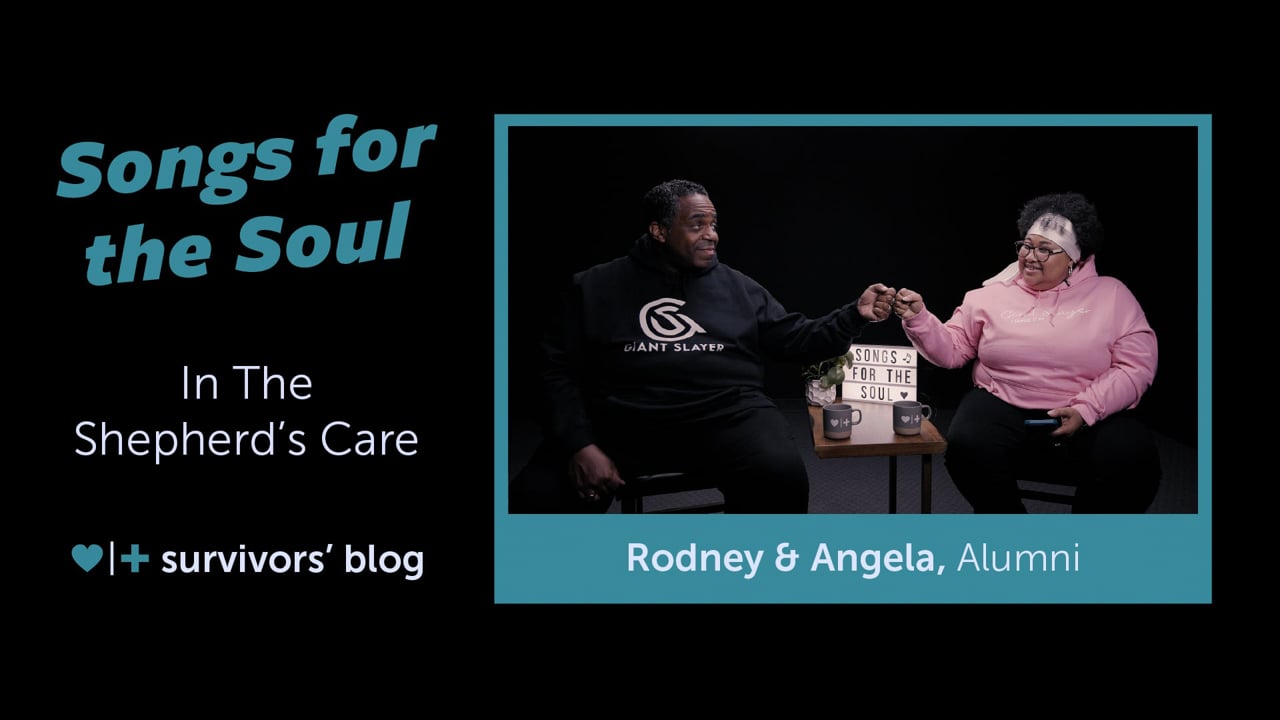
Today Rodney and Angela will share with you an original song written from Psalm 23. Find a quiet place, close your eyes and listen as they testify of the Shepherd’s provision, peace, protection, presence, prosperity, and promises. In spite of the pain and trauma of infidelity, we can find solace in the arms of our mighty God as He holds us in His comfort and care.
In this episode, Rodney and Angela celebrate 26 years of marriage, and 10 years of their new “Marriage 2.0.” By God’s grace, they have walked through the valley of the shadow of death, and have come out with a testimony that we have no reason to fear, because we are never alone in the Shepherd’s care.
Continue reading →
Understanding Codependency and Betrayal: An Excerpt from Harboring Hope
Below is information taken directly from our Harboring Hope1 Online Course.
"Bad marriages don't cause infidelity; infidelity causes bad marriages."
- Frank Pittman
If you've ever joined a support group or been to see a counselor, you may have heard others talking about "codependency." The term might be unfamiliar to many individuals recovering from betrayal. It can be extremely confusing during a time when someone is in desperate need of support. Codependency is one of those terms that can cause people confusion, shame, and humiliation. The truth is that codependency is not something someone should feel shame about, but it is very important to understand it.
Join other betrayed mates on the path to healing with our life-changing Harboring Hope online…
Continue reading →
What You Say to Yourself and About Yourself Matters
Hi. My name is Rachel. Infidelity not only impacts our relationship with our partners, but it also affects the relationship we have with ourselves, as we're grappling with a new reality that we didn't expect or ask for.
We may also notice some negative messages, words, thoughts, and beliefs about ourselves. This inner bullying voice only seems to add more pain to the stress, emotions, and trauma that we're already navigating. This voice may tell us things and remind us of all of the ways that we've failed, missed warning signs, or red flags. It may even tell us that we weren't enough to keep our partners satisfied, or that we're never going to heal through this.
The way we talk to ourselves matters. Our inner voice can keep us stuck in patterns of self-loathing and fuel feelings of low self-worth. Our ability to recover and heal can be influenced by the words that…
Continue reading →
The Affair Causing Habit
It was a strange name that pricked my curiosity, but I questioned the thought. Why was I so interested about her name? I was out to eat with my wife and our waitress had just stopped by the table to introduce herself. My normal routine would've been to ask how she came by her unusual and beautifully unique name. This was the first time I stopped to ponder, why would I do that?
A quick glance told me the restaurant was short staffed, and the waitress was responsible for too many tables. How will my asking her about her name benefit her? It would only cost her time which would not only make her job more difficult, but it would negatively impact how quickly other customers were served. How would it make Stephanie feel if I began chatting with our cute waitress about the origin of her name? Thankfully, after 45 years of…
Continue reading →
Secret Life and Timely Death of a Cell Phone
Hello. My name is Candace. I have something to share with you today that was submitted to Affair Recovery by an EMS Online participant just about one year ago. It’s a piece about the secret life and timely death of her husband’s cell phone.
In this post I am going to read what she wrote and then I am going to share some pro tips to help create safety surrounding cell phone use.
My husband purchased a new cell phone yesterday. The disdain I felt towards his old phone would be considered totally irrational if it wasn’t so relatable to those who have been betrayed.
I could write a tragic novel personifying the life of his former phone.
It went on dates disguised as rounds of golf by day and poker games by night.
It went on romantic getaways masquerading as legitimate business trips.
It charged on night tables of hotel rooms shared with another man’s wife.
…
Continue reading →
Lessons Learned For Surviving Infidelity
Healing from betrayal trauma isn’t just about moving beyond triggers and reminders, it also requires changing how you see the world. Betrayed partners feel like life has been stolen from them and darkness is their only friend. Positive emotions such as joy and hope — even the feeling of being alive — can evaporate in the blink of an eye! Healing from this altered perception of life is hard and requires rewiring your brain. You must fight the negative messages that were imprinted by the betrayal trauma and replace them with truths. One approach to accomplish this goal to record and journal about the truths you discovery on your journey to healing. Focusing on these truths will help reset how you see the world.
Join other betrayed mates on the path to healing with our life-changing Harboring Hope online course and start a…
Continue reading →
Guided Relaxation to Quiet the Flooding
Hi. My name's Karen Baker, and I'm the graduate counseling intern at Crossroad Counseling Associates, being supervised by Rick Reynolds. Experiencing betrayal trauma is incredibly jarring. Your whole system becomes dysregulated and flooded at a moment's notice. In this video, I'm going to lead you through a short, guided meditation to help you come back to the present moment and feel more grounded.
If you can't follow along now, bookmark this video to listen to later. So, take a moment to pause this video and adjust your space and find a comfortable position for you to relax in.
In a comfortable position, laying down or seated, I invite you to close your eyes. And imagine that you are a bright light, gracefully suspended in the vastness of space. And in your mind's eye you see Earth slowly turning below you.
Inhale deeply as you watch the Earth rotate. Watching…
Continue reading →
Diaphragmatic Breathing for Emotional Regulation
Hi, my name is Karen Baker. I’m the graduate counseling intern for Crossroad Counseling
Associates, supervised by Rick Reynolds. In this video, I will teach you several different
diaphragmatic breathing exercises that you can use to emotionally regulate and tone your Vagus Nerve.
Your breath is the first place to connect with your body, stay present, and become more
grounded. To quickly recap a previous video, the autonomic nervous system has two parts: the
parasympathetic and the sympathetic nervous systems. The sympathetic nervous system
triggers the fight, flight, and freeze response when something threatens us or we perceive it as
threatening.
The parasympathetic nervous system oversees homeostasis, or what we call rest and digest, basically helping us calm down after we are no longer under threat. Every aspect of the autonomic nervous system functions…
Continue reading →
Guided Meditation for Coping with Betrayal Trauma
Hi. My name is Karen Baker, and I'm the graduate counseling intern for Crossroad Counseling Associates, being supervised by Rick Reynolds. Experiencing infertility is an incredibly jarring experience, and that's why we call it betrayal trauma. In a previous video, I discussed why and how we become dysregulated, as well as the importance of emotional regulation.
In this video, I'm going to lead you through a short guided meditation.
You can follow along now or bookmark this video to listen to it later.
So take a moment to pause this video if you need to, and adjust your space and find a comfortable position for you to relax.
And now I invite you to find a comfortable position lying down or seated, eyes opened or closed.
Remember, if your mind wanders, it's okay. You're human. If distressing or intrusive thoughts arise, lovingly invite those thoughts to step…
Continue reading →
Songs for the Soul | Turn Your Eyes
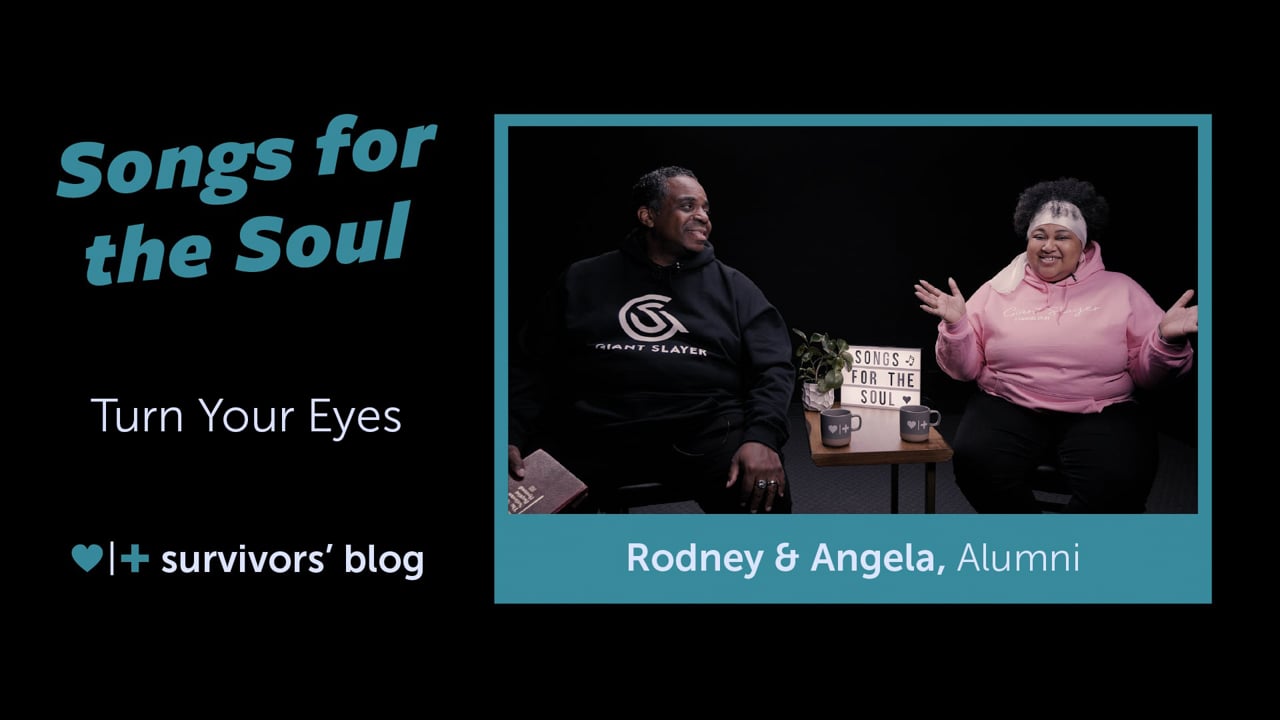
In this episode Rodney and Angela share the profound change they experienced following his D-Day on March 8th, 2014. Amidst the death of the old, a new marriage and new hearts emerged. They share how they navigated this journey with gratitude and grace. Through transparency and healing, they discovered the power of God's promise to restore and uplift.
Scripture became more than words on a page; it became their anchor, guiding and reminding them to fix their eyes on Jesus. Just as Peter was able to walk on water when he focused on Jesus, they held to that and became “Water Walkers”.
They encourage others facing their own versions of "D-Day" to turn to Christ for endurance and hope, finding contentment in His peace amidst chaos.
Continue reading →
The Truth About Lying
We define infidelity as the keeping of secrets; it's a breach of trust that can lead to the collapse of even the strongest relationships. Infidelity is a complex issue with many underlying causes, and it creates a cascade of inter- and intra-relational turmoil. The most common and difficult elements for the betrayed spouse to work through are any kind of lie and deception that the wayward partners tell themselves and their partner about their behavior.
In the context of romantic partnerships, infidelity is a tortuous and baffling problem to deal with. The act itself is generally seen as unethical and destructive, but the reasons and self-deceptions that led to it remain a convoluted mystery that take time and hard work to unravel. We need to look further into the psycho-emotional roots of lying, betrayal, and deceit in order to have a better…
Continue reading →
Unveiling Infidelity: Who to Tell?
Hello, Kristin S. here. If you're watching this video, it means that you've experienced infidelity in some way in your life. You've either discovered that your partner has cheated on you, or maybe you have been unfaithful to your partner.
No matter which side of this equation that you're on, it's likely that you can appreciate how entirely lonely this time in your life is. You're caught in quite the pickle. Talking about the affair to other people potentially leaves you open for misunderstanding, judgment, criticism, unwanted opinions, and gossip. Keeping the affair to yourself represents its own challenge, leaving you in the horrendous cycle of ruminating thoughts.
Let me tell you how I handled this challenging time in my life. I was the wayward partner. I told everyone, like everyone. We had a tight-knit circle of friends, and my AP and his spouse were part of it…
Continue reading →
Transformative Love and Respect After Betrayal: Part 2
 “If I get pregnant, I’ll just have an abortion.” When asked if she was safe
Threatening to have me arrested for child abuse
Using kids’ social media accounts to contact and stalk men
Sleeping with a man she met two hours earlier on Facebook….. unprotected
Setting up dating apps while in the parking lot waiting for our therapy appointment
Wearing different clothes and hairstyles
Sneaking off to the bathroom to text APs while at Disneyland with the family
These and many others are examples of my wife’s behavior while still in her multiple affairs. It made me physically sick. I could not wrap my head around how my sweet, innocent, God-fearing wife had become the monster in front of me. I wanted to lash out at her. I wanted her to hurt as much as I was hurting. In fact, I wanted to see her in a gutter with a needle in her arm (A direct quote from my journal at the time).
In Transformative Love and Respect After Betrayal Part 1, I wrote about how my thinking changed while in recovery and how God’s Word had helped me see things differently. We are told to love “anyway” and not “because.” How could I love my wife with everything she was doing at the time? This began a journey of discovery.
Drug addicts will steal, injure, or even sometimes prostitute themselves to get the next hit of drugs.
Dopamine and other brain pleasure chemicals are dumped into our bodies in abundance during “lust” and “infatuation.” Both are powerful drugs and addicting. God designed us that way to assist with the “bonding” process. Today, we are seeing numerous negative effects of these chemicals in people who are addicted to “likes'' on Instagram or other platforms. There are also many reports of higher suicide rates for those in withdrawal from the chemical hits. My wife was madly in “lust,” “limerence,” and “infatuation” with these guys, and her body was being flooded with these pleasure chemicals with every text or thought. She didn’t want that feeling to end and would do just about anything to make it continue.
Recognizing some of the realities of my situation allowed me to rationalize some of my behaviors. If my wife was instead addicted to painkillers and had drained our bank account to pay for them, how would I react? Would I divorce her immediately? Would I leave her in a gutter with a needle in her arm? Or would I do anything in my power to help her recover? Not to be a doormat or excuse her behavior but to provide support, love, and care wherever I could. Making sure she stays accountable and can see the effects of her behavior but hoping and praying for the best and, being there when the guy inevitably leaves and holding her close when the withdrawal begins, and the weight of her actions hit.
I’m not a saint. It took me a long time to work through this. Why would God ask me to do this? Did he want me to suffer? Did I deserve the pain? Even Jesus struggled with this.
In Matthew 26, verse 39, Jesus fell with his face to the ground and prayed, “My Father, if it is possible, may this cup be taken from me. Yet not as I will, but as you will.” (Matthew 26:39 NIV)
After some time, I began to realize that God was trying to teach me a new type of love—a love that He shows us daily.
Jesus chose to love us “anyway”. I chose to love my wife “anyway”.
I chose to love my wife by finding and insisting on personal and individual counseling for us both.
I chose to love by searching out help from Affair Recovery (EMS Weekend, Harboring Hope, Hope for Healing).
I chose to love her by working on myself and not trying to control her.
I chose to love her by doing my best to keep her safe while she was in the depth of her affairs.
I chose to love her by trying to keep her in contact with our Small Group and other women who could help navigate the withdrawals.
I chose to love her by giving her time to recover. I couldn’t expect an immediate change of heart. I gave her a year to begin the process of recovery and committed to no long term decisions for that time period.
I chose to love her by committing to working on myself and my relationship with God. A healthy marriage requires two healthy individuals and I definitely had my own demons to address (codependency, porn addictions).
I chose to love her by removing the burden for her recovery from myself and allowing God to work his miracles.
I chose to love her by being that soft, safe spot she could land when the world fell out beneath her.
That was 15 years ago and we just celebrated our 34th wedding anniversary.
And please know, regardless of my story, the pain is real. It is raw. There may be no recovery. You may choose to distance yourself from the addiction and pain. Loving your spouse may mean loving them from a distance. There is no one correct answer. For those who divorce, remember that is a very valid decision in some cases. All I can ask is to step back and try to change your perspective. Don’t rush or make long-term decisions based on short-term circumstances. Our recovery took over a year and continues to this day as we learn and discover more about ourselves and that no matter where you are on the road, you are still only three feet from the ditch.
“If I get pregnant, I’ll just have an abortion.” When asked if she was safe
Threatening to have me arrested for child abuse
Using kids’ social media accounts to contact and stalk men
Sleeping with a man she met two hours earlier on Facebook….. unprotected
Setting up dating apps while in the parking lot waiting for our therapy appointment
Wearing different clothes and hairstyles
Sneaking off to the bathroom to text APs while at Disneyland with the family
These and many others are examples of my wife’s behavior while still in her multiple affairs. It made me physically sick. I could not wrap my head around how my sweet, innocent, God-fearing wife had become the monster in front of me. I wanted to lash out at her. I wanted her to hurt as much as I was hurting. In fact, I wanted to see her in a gutter with a needle in her arm (A direct quote from my journal at the time).
In Transformative Love and Respect After Betrayal Part 1, I wrote about how my thinking changed while in recovery and how God’s Word had helped me see things differently. We are told to love “anyway” and not “because.” How could I love my wife with everything she was doing at the time? This began a journey of discovery.
Drug addicts will steal, injure, or even sometimes prostitute themselves to get the next hit of drugs.
Dopamine and other brain pleasure chemicals are dumped into our bodies in abundance during “lust” and “infatuation.” Both are powerful drugs and addicting. God designed us that way to assist with the “bonding” process. Today, we are seeing numerous negative effects of these chemicals in people who are addicted to “likes'' on Instagram or other platforms. There are also many reports of higher suicide rates for those in withdrawal from the chemical hits. My wife was madly in “lust,” “limerence,” and “infatuation” with these guys, and her body was being flooded with these pleasure chemicals with every text or thought. She didn’t want that feeling to end and would do just about anything to make it continue.
Recognizing some of the realities of my situation allowed me to rationalize some of my behaviors. If my wife was instead addicted to painkillers and had drained our bank account to pay for them, how would I react? Would I divorce her immediately? Would I leave her in a gutter with a needle in her arm? Or would I do anything in my power to help her recover? Not to be a doormat or excuse her behavior but to provide support, love, and care wherever I could. Making sure she stays accountable and can see the effects of her behavior but hoping and praying for the best and, being there when the guy inevitably leaves and holding her close when the withdrawal begins, and the weight of her actions hit.
I’m not a saint. It took me a long time to work through this. Why would God ask me to do this? Did he want me to suffer? Did I deserve the pain? Even Jesus struggled with this.
In Matthew 26, verse 39, Jesus fell with his face to the ground and prayed, “My Father, if it is possible, may this cup be taken from me. Yet not as I will, but as you will.” (Matthew 26:39 NIV)
After some time, I began to realize that God was trying to teach me a new type of love—a love that He shows us daily.
Jesus chose to love us “anyway”. I chose to love my wife “anyway”.
I chose to love my wife by finding and insisting on personal and individual counseling for us both.
I chose to love by searching out help from Affair Recovery (EMS Weekend, Harboring Hope, Hope for Healing).
I chose to love her by working on myself and not trying to control her.
I chose to love her by doing my best to keep her safe while she was in the depth of her affairs.
I chose to love her by trying to keep her in contact with our Small Group and other women who could help navigate the withdrawals.
I chose to love her by giving her time to recover. I couldn’t expect an immediate change of heart. I gave her a year to begin the process of recovery and committed to no long term decisions for that time period.
I chose to love her by committing to working on myself and my relationship with God. A healthy marriage requires two healthy individuals and I definitely had my own demons to address (codependency, porn addictions).
I chose to love her by removing the burden for her recovery from myself and allowing God to work his miracles.
I chose to love her by being that soft, safe spot she could land when the world fell out beneath her.
That was 15 years ago and we just celebrated our 34th wedding anniversary.
And please know, regardless of my story, the pain is real. It is raw. There may be no recovery. You may choose to distance yourself from the addiction and pain. Loving your spouse may mean loving them from a distance. There is no one correct answer. For those who divorce, remember that is a very valid decision in some cases. All I can ask is to step back and try to change your perspective. Don’t rush or make long-term decisions based on short-term circumstances. Our recovery took over a year and continues to this day as we learn and discover more about ourselves and that no matter where you are on the road, you are still only three feet from the ditch.
“If I get pregnant, I’ll just have an abortion.” When asked if she was safe
Threatening to have me arrested for child abuse
Using kids’ social media accounts to contact and stalk men
Sleeping with a man she met two hours earlier on Facebook….. unprotected
Setting up dating apps while in the parking lot waiting for our therapy appointment
Wearing different clothes and hairstyles
Sneaking off to the bathroom to text APs while at Disneyland with the family
These and many others are examples of my wife’s behavior while still in her multiple affairs. It made me physically sick. I could not wrap my head around how my sweet, innocent, God-fearing wife had become the monster in front of me. I wanted to lash out at her. I wanted her to hurt as much as I was hurting. In fact, I wanted to see her in a gutter with a needle in her arm (A direct quote from my…
Continue reading →
Psychological Abuse Within Infidelity
This week's video is addressed to wayward men, but the abuse associated with infidelity isn't gender or role specific. Infidelity can elicit both physical abuse and emotional abuse. Emotional abuse is when one person tries to make another person responsible for their emotional regulation or well-being in a manner that is detrimental to the other. Or when a person treats or exposes another person to behaviors that may result in psychological trauma. The attachment rupture created by betrayal destroys any sense of psychological safety. Whether you are the wayward spouse or the betrayed spouse, the tendency is to move into self-protect mode rather than relational mode. As mentioned in the video, abusive behaviors can be intentional or unintentional, but the damage done is the same regardless of intent. My goal in this article is to briefly discuss abusive…
Continue reading →
Shame: The Two Sides of the Coin - Side 2: The Betrayed Spouse
Hello. This is Kristin. As an unfaithful spouse, one may argue that the shame I experienced post affair was expected, while unhelpful to my healing. One would expect that I would be feeling shame, guilt after what happened. I had betrayed the trust of my spouse, of my family, my friends, and maybe most importantly, myself. This type of shame is pretty standard.
However, there are two sides to the shame coin equally damaging, but one is much less understood. The shame a betrayed spouse may be feeling is a real and potentially crippling emotion. Thoughts are flying through your head a mile a minute. Why did this happen to me? What is it about me that caused them to cheat? Why was I not enough?
What are people going to think? What could I have done differently? To be clear, I hope you are not feeling this way. But based on my own experience and in speaking with other…
Continue reading →
Transformative Love and Respect After Betrayal Part 1
 Steve just filed for divorce from his wife Stacey. The reason listed on the decree was “adultery”. They had been married for 7 years and recently Steve had discovered that Stacey had secretly been seeing an old boyfriend. His life was shattered. The pain was overwhelming. He only wanted to forget and move on with his life.
Of course, no one would fault Steve for his choice. Even the Bible would justify his decision. He was free to go and marry again.
Today I’d like to offer a different perspective on love and respect. During my own experience with betrayal, I had to reconcile the world's view of love and respect versus what God has revealed in His Word. I wanted the pain to go away. I wanted to punish my wife for her actions. I had the power to ruin her life like she ruined mine. The world told me she deserved it. God gave me the right to divorce her.
One day at church soon after D-Day I was listening to a sermon on Ephesians 5. Some of the words struck me hard and influenced me to dig deeper.
Eph 5:25 “husbands love your wives just as Christ loved the church and gave himself up for her”.
Eph 5:33 “…wives must respect her husband”.
Notice there are no “because(s)”. “I love my wife because she deserves it”. “I respect my husband because he deserves it”.
There are no conditions. “I love my wife as long as she stays thin and attractive”. “I respect my husband as long as he is an elder at church”.
God instructs us to love and respect “anyway”. Love her even if she is an alcoholic. Respect him even if he is addicted to pornography. Love her when she doesn’t deserve to be loved. Respect him when he doesn’t deserve to be respected. Wow. A lot different than what the world tells us about love and respect. The world tells us love and respect is conditional, that we include “because”, “if”, “when”, “only” and other conditional words in our statements. How often do we include conditional words about our spouse or even our kids?
In fact for husbands it goes even further. “just as Christ loved the church and gave himself up for her”. God asks us to love our wives even when she is the one crucifying us. Jesus did not have to die for us. He had the power to stop it. He chose not to. He chose to love those who were crucifying him and He asks us to do the same.
At the time these words really impacted my view of my circumstances. I didn’t have to rush to divorce my wife. I wasn’t weak for giving her the opportunity to recover.
I chose to love my wife even when she didn’t deserve it. I hope husbands here can make the same decision. My wife chose to respect me when I didn’t deserve it. I hope wives here can make the same decision.
Steve just filed for divorce from his wife Stacey. The reason listed on the decree was “adultery”. They had been married for 7 years and recently Steve had discovered that Stacey had secretly been seeing an old boyfriend. His life was shattered. The pain was overwhelming. He only wanted to forget and move on with his life.
Of course, no one would fault Steve for his choice. Even the Bible would justify his decision. He was free to go and marry again.
Today I’d like to offer a different perspective on love and respect. During my own experience with betrayal, I had to reconcile the world's view of love and respect versus what God has revealed in His Word. I wanted the pain to go away. I wanted to punish my wife for her actions. I had the power to ruin her life like she ruined mine. The world told me she deserved it. God gave me the right to divorce her.
One day at church soon after D-Day I was listening to a sermon on Ephesians 5. Some of the words struck me hard and influenced me to dig deeper.
Eph 5:25 “husbands love your wives just as Christ loved the church and gave himself up for her”.
Eph 5:33 “…wives must respect her husband”.
Notice there are no “because(s)”. “I love my wife because she deserves it”. “I respect my husband because he deserves it”.
There are no conditions. “I love my wife as long as she stays thin and attractive”. “I respect my husband as long as he is an elder at church”.
God instructs us to love and respect “anyway”. Love her even if she is an alcoholic. Respect him even if he is addicted to pornography. Love her when she doesn’t deserve to be loved. Respect him when he doesn’t deserve to be respected. Wow. A lot different than what the world tells us about love and respect. The world tells us love and respect is conditional, that we include “because”, “if”, “when”, “only” and other conditional words in our statements. How often do we include conditional words about our spouse or even our kids?
In fact for husbands it goes even further. “just as Christ loved the church and gave himself up for her”. God asks us to love our wives even when she is the one crucifying us. Jesus did not have to die for us. He had the power to stop it. He chose not to. He chose to love those who were crucifying him and He asks us to do the same.
At the time these words really impacted my view of my circumstances. I didn’t have to rush to divorce my wife. I wasn’t weak for giving her the opportunity to recover.
I chose to love my wife even when she didn’t deserve it. I hope husbands here can make the same decision. My wife chose to respect me when I didn’t deserve it. I hope wives here can make the same decision.
Steve just filed for divorce from his wife Stacey. The reason listed on the decree was “adultery”. They had been married for 7 years and recently Steve had discovered that Stacey had secretly been seeing an old boyfriend. His life was shattered. The pain was overwhelming. He only wanted to forget and move on with his life.
Of course, no one would fault Steve for his choice. Even the Bible would justify his decision. He was free to go and marry again.
Today I’d like to offer a different perspective on love and respect. During my own experience with betrayal, I had to reconcile the world's view of love and respect versus what God has revealed in His Word. I wanted the pain to go away. I wanted to punish my wife for her actions. I had the power to ruin her life like she ruined mine. The world told me she deserved it. God gave me the right to divorce her.
One day at church…
Continue reading →
Regulating Our Stress Response During Recovery
Hi. My name is Karen, and I am the graduate counseling intern at Crossroad Counseling Associates. My work is supervised by Rick Reynolds, and I am in the home stretch of my master's program. I've learned so much this past year and had the opportunity to co-facilitate several Harboring Hope Groups. Today, I am delighted to share some information with you on a topic I am deeply passionate about and teach many of my own clients: Emotional Regulation. Emotional regulation or self-regulation is the ability to observe and respond to a range of emotions in a manner that is tolerable and flexible enough to allow for spontaneous reactions as well as the decision to delay those spontaneous reactions.
I have been teaching people breathing, meditation, and emotional regulation techniques now for over a decade through my work as a yoga instructor. The additional…
Continue reading →
Answering Questions Post D-Day
Hello. My name is Candace. Let's spend some time talking today about answering questions. Post D-Day. I know some of you just broke out into a cold sweat. In this post, I will address both the unfaithful and the betrayed when it comes to answering questions. I'll be discussing a few key rules to follow to keep things constructive versus leading to greater destruction.
First to the unfaithful. Allow me to set the scene. You've either confessed to your partner or your partner has discovered your infidelity immediately after. Here comes the onslaught of rapid fire questions which appear to have no end in sight. And these questions are starting to create a shame storm. You feel like you're drowning. Unfaithful friends, please try to understand.
All of these questions are coming from the betrayed trying to wrap their head around. What the heck happened? You know…
Continue reading →
Winner and Still Undisputed Champion
 In my years of being a part of Affair Recovery I have had the privilege of mentoring numerous groups of Men through the Harboring Hope program. One of the best parts of this program discusses the 20 Most Common Mistakes of the Betrayed Spouse. Within the groups I lead, and going through this section I have learned that I currently still hold the record for committing the highest amount of the 20 mistakes in my own recovery process. In my case I committed 18 of the 20 mistakes noted.
In this 2-Part Blog I thought I would go into some details of the errors I made and some of the ramifications that occurred. First of all please remember that these are the most COMMON errors. Don’t beat yourself up over these. Recognize that a lot of spouses struggle with these, committed some (or most), and your “score” does not necessarily mean you have failed in your recovery. These are mistakes. We learn from them. We grow. And we use them to enhance our own recovery journey.
This list is based on the original article “The 20 Most Common Mistakes of the Betrayed Spouse” authored by Leslie Hardie and John Haney. I would encourage you to read this article for their professional advice and insight as licensed therapists.
1. Believing that once your spouse agrees to end the affair or the behavior, it is truly ended.
One of the biggest mistakes I made while my wife was deep in the affair was believing I was dealing with a rational person. My wife made all kinds of promises. One of the biggest was that “It is over”. Another was “I know I have to end it. I just need closure”. Remember that the chemical rush of the affair is similar to an opiate high. The Unfaithful spouse will say or do just about anything to keep the affair going (the chemical rush continuing).
2. Demanding that your spouse pledge 100% commitment to the marriage right at the moment of disclosure.
After my first attempts at pleading with my wife to end the affair failed I tried forcing my wife to end it. I tried shame, fear, yelling and threats. None worked and in fact made things worse. My wife was looking for justifications to continue the affair. My threats reinforced her belief that I was controlling and had anger issues.
3. Bludgeoning your spouse with guilt, thinking that this will be helpful.
Similar to #1. At first I believed that my wife’s conscience would win over her bad actions. We had been married for 19 years and she had never fallen off the deep end like she did during the affair. I thought the more “truth” or “shame” I heaped on her, it would break her out of the fog. It only made things worse. It just reinforced her belief that I was a horrible spouse and God “wanted her to be happy”.
4. Drawing too much security from changed phone numbers and email addresses.
I had a little bit of tech savvy so I was able to track a lot of her movements and monitor her online activity. I thought that if I could stop her from communicating that she would have time to recover and break the addictions. In fact she just got smarter and got a burner phone and used work computers to communicate.
5. Believing that you can keep your mate safe and away from temptation.
I was her husband. It was my job to keep her safe. She definitely was NOT being safe. She was communicating with the seedy creeps that stalk social media looking for lonely women. She really had no idea the filth and danger that was out there. She sent intimate photos to guys she didn’t even know. I tried everything to stop her from getting hurt. I tried to block email addresses and put website blocks on our internet. I tried keeping her too busy to communicate. Again she just found ways around the blocks to get her next high.
6. Trying to compete with the affair partner, pornography, or other behavior.
Wow! Big one for me. I was convinced that if I hit the gym and started to act like the scum she was interacting with she may come back to me. My personality changed. I told her I was going to buy a Harley. I hate motorcycles (sorry Harley fans). Not sure why I thought I could live that lie for the rest of my life just to try and live up to her insane expectations.
7. Trashing the affair partner.
All of the AP’s my wife was interacting with were scum. Most were stalkers on Facebook and MySpace. All knew she was married. A lot were drug users. About half were married. In early phases of the affairs I tried my best to convince my wife that these people were dangerous and not interested in any “relationship”. What I learned was that was what my wife was looking for at the time. No more routine or boring life for her. She actively searched for the “bad guys”.
8. Trying to convince your spouse that nobody will ever love him/her as much as you do.
In the beginning of the affairs I did my best to talk sense into my spouse. Unfortunately what looked back at me was crazy. There was a shell of my wife but the actions and demeanor were of an alien. Rational discussions were not possible at the time and even our counselors suggested we stop couples counseling and work on ourselves.
9. Using your children or grandchildren as pawns.
Big Mistake! In my desperation to get through to my wife I tried using the kids to break through to my wife. Even though we didn’t initially discuss the situation with the kids, they knew. They knew that their mother was checked out and doing crazy things. She actually tried to use their social media accounts so that I couldn’t find out. What a tough place to be in for kids. They loved us both and refused to pick sides. My wife at one time threatened to get a restraining order because I was “abusing” the kids. Horrible situation for them. Although I believe that any children need to have age appropriate information on what's happening, never force them into the middle.
10. Beating up the unfaithful mate with guilt, shame, or the opinions of others to keep them from leaving.
While the affairs were in progress I was really struggling to live day to day. I lost 20 lbs and struggled to sleep. My work suffered. In desperation I reached out to mutual friends for support and advice. Again horrible to place our friends in the middle of our hurricane. Most were supportive and agreed that my spouse was in the wrong but they had their own lives to live and my desperation was causing them to suffer in their own families. What I really needed to figure out was that I was not allowing God into my mess. I learned later in Harboring Hope that the best thing I could do was let God work on my wife. Me trying to control and force the issue was only making things worse.
Thank you for joining me here in Part 1 and reviewing the first 10 of the 20 mistakes.
In part 2 I will go into the other 10 mistakes and reveal the only 2 that I didn’t commit.
In my years of being a part of Affair Recovery I have had the privilege of mentoring numerous groups of Men through the Harboring Hope program. One of the best parts of this program discusses the 20 Most Common Mistakes of the Betrayed Spouse. Within the groups I lead, and going through this section I have learned that I currently still hold the record for committing the highest amount of the 20 mistakes in my own recovery process. In my case I committed 18 of the 20 mistakes noted.
In this 2-Part Blog I thought I would go into some details of the errors I made and some of the ramifications that occurred. First of all please remember that these are the most COMMON errors. Don’t beat yourself up over these. Recognize that a lot of spouses struggle with these, committed some (or most), and your “score” does not necessarily mean you have failed in your recovery. These are mistakes. We learn from them. We grow. And we use them to enhance our own recovery journey.
This list is based on the original article “The 20 Most Common Mistakes of the Betrayed Spouse” authored by Leslie Hardie and John Haney. I would encourage you to read this article for their professional advice and insight as licensed therapists.
1. Believing that once your spouse agrees to end the affair or the behavior, it is truly ended.
One of the biggest mistakes I made while my wife was deep in the affair was believing I was dealing with a rational person. My wife made all kinds of promises. One of the biggest was that “It is over”. Another was “I know I have to end it. I just need closure”. Remember that the chemical rush of the affair is similar to an opiate high. The Unfaithful spouse will say or do just about anything to keep the affair going (the chemical rush continuing).
2. Demanding that your spouse pledge 100% commitment to the marriage right at the moment of disclosure.
After my first attempts at pleading with my wife to end the affair failed I tried forcing my wife to end it. I tried shame, fear, yelling and threats. None worked and in fact made things worse. My wife was looking for justifications to continue the affair. My threats reinforced her belief that I was controlling and had anger issues.
3. Bludgeoning your spouse with guilt, thinking that this will be helpful.
Similar to #1. At first I believed that my wife’s conscience would win over her bad actions. We had been married for 19 years and she had never fallen off the deep end like she did during the affair. I thought the more “truth” or “shame” I heaped on her, it would break her out of the fog. It only made things worse. It just reinforced her belief that I was a horrible spouse and God “wanted her to be happy”.
4. Drawing too much security from changed phone numbers and email addresses.
I had a little bit of tech savvy so I was able to track a lot of her movements and monitor her online activity. I thought that if I could stop her from communicating that she would have time to recover and break the addictions. In fact she just got smarter and got a burner phone and used work computers to communicate.
5. Believing that you can keep your mate safe and away from temptation.
I was her husband. It was my job to keep her safe. She definitely was NOT being safe. She was communicating with the seedy creeps that stalk social media looking for lonely women. She really had no idea the filth and danger that was out there. She sent intimate photos to guys she didn’t even know. I tried everything to stop her from getting hurt. I tried to block email addresses and put website blocks on our internet. I tried keeping her too busy to communicate. Again she just found ways around the blocks to get her next high.
6. Trying to compete with the affair partner, pornography, or other behavior.
Wow! Big one for me. I was convinced that if I hit the gym and started to act like the scum she was interacting with she may come back to me. My personality changed. I told her I was going to buy a Harley. I hate motorcycles (sorry Harley fans). Not sure why I thought I could live that lie for the rest of my life just to try and live up to her insane expectations.
7. Trashing the affair partner.
All of the AP’s my wife was interacting with were scum. Most were stalkers on Facebook and MySpace. All knew she was married. A lot were drug users. About half were married. In early phases of the affairs I tried my best to convince my wife that these people were dangerous and not interested in any “relationship”. What I learned was that was what my wife was looking for at the time. No more routine or boring life for her. She actively searched for the “bad guys”.
8. Trying to convince your spouse that nobody will ever love him/her as much as you do.
In the beginning of the affairs I did my best to talk sense into my spouse. Unfortunately what looked back at me was crazy. There was a shell of my wife but the actions and demeanor were of an alien. Rational discussions were not possible at the time and even our counselors suggested we stop couples counseling and work on ourselves.
9. Using your children or grandchildren as pawns.
Big Mistake! In my desperation to get through to my wife I tried using the kids to break through to my wife. Even though we didn’t initially discuss the situation with the kids, they knew. They knew that their mother was checked out and doing crazy things. She actually tried to use their social media accounts so that I couldn’t find out. What a tough place to be in for kids. They loved us both and refused to pick sides. My wife at one time threatened to get a restraining order because I was “abusing” the kids. Horrible situation for them. Although I believe that any children need to have age appropriate information on what's happening, never force them into the middle.
10. Beating up the unfaithful mate with guilt, shame, or the opinions of others to keep them from leaving.
While the affairs were in progress I was really struggling to live day to day. I lost 20 lbs and struggled to sleep. My work suffered. In desperation I reached out to mutual friends for support and advice. Again horrible to place our friends in the middle of our hurricane. Most were supportive and agreed that my spouse was in the wrong but they had their own lives to live and my desperation was causing them to suffer in their own families. What I really needed to figure out was that I was not allowing God into my mess. I learned later in Harboring Hope that the best thing I could do was let God work on my wife. Me trying to control and force the issue was only making things worse.
Thank you for joining me here in Part 1 and reviewing the first 10 of the 20 mistakes.
In part 2 I will go into the other 10 mistakes and reveal the only 2 that I didn’t commit.
In my years of being a part of Affair Recovery I have had the privilege of mentoring numerous groups of Men through the Harboring Hope program. One of the best parts of this program discusses the 20 Most Common Mistakes of the Betrayed Spouse. Within the groups I lead, and going through this section I have learned that I currently still hold the record for committing the highest amount of the 20 mistakes in my own recovery process. In my case I committed 18 of the 20 mistakes noted.
In this 2-Part Blog I thought I would go into some details of the errors I made and some of the ramifications that occurred. First of all please remember that these are the most COMMON errors. Don’t beat yourself up over these. Recognize that a lot of spouses struggle with these, committed some (or most), and your “score” does not necessarily mean you have failed in your recovery. These are…
Continue reading →
How to Survive Infidelity
The discovery of infidelity severely disrupts your life. It is a violation unlike any other. Most experts who deal with infidelity say that the betrayed spouse deals with anywhere from 50 to 100 reminders and triggers per day about their spouse's infidelity. But we have a God who is far bigger than our circumstances.
Start Now for FREE!
Those of us who have traveled this road and have experienced true restoration can attest, the marriage we now experience is far better than what we once had or even thought we could have. What I heard Rick Reynolds say some time ago is absolutely true: you can never predict the end…
Continue reading →
For the Betrayed: It Is OK to Disappoint Others - Healing from Infidelity
Hi, my name is Rachel, and I want to talk about why letting others down and disappointing others is a necessary part of your recovery. Now, listen, I know that this seems like a silly topic, and it's not going to be relevant to all of you, but I really wanted to reach out to my sisters and my brothers who do struggle with the idea of letting other people down who hate the idea of disappointing another human who may tend to say yes often. And who have some people pleasing tendencies, but in recovery is a time in which your mental, physical, emotional, spiritual well-being is just kind of in upheaval, right?
I mean, there's just so much going on. Your world has been flipped on its axis, the rug pulled out from under your feet. And so it may seem ludicrous to think that something like people pleasing or avoiding disappointment will even be a thing during your recovery. But…
Continue reading →
Songs for the Soul | Triggers
The Triggers Song. Triggers - They can be anything and come from anywhere. Triggers rob us of our time, peace, and sometimes sanity. They are real and a very big deal when navigating the recovery journey of cheating/infidelity/affairs.
In this episode Rodney and Angela start by discussing triggers, how they felt them, how they managed them, how they replaced them, and overall how they navigated them in the journey of recovery. Through her testimony and harmony Angela shares this inspiring, encouraging, and even a little fun song.
Continue reading →
Can We Believe Again? Part 3: Maintaining Status Quo
 During his affair, when faced with hard questions about his relationship with the AP, my husband lied. Every. Single. Time. After D-day when I asked him about that, he acknowledged he feared if he ever admitted the truth he would lose me, so he resigned to take the truth to his grave. When I asked how he could lie to my face during all those years even after the affair ended, his explanation was pretty simple. He said he knew if he played dumb and consistently denied everything, the conversation would end and we could go back to “normal” relatively quickly. In his mind, that meant very little disruption to our life. However, he definitely wasn’t thinking about why I kept asking those questions all those years, and what kind of turmoil I was in to continue to bring it up. He was just thinking about saving himself, preserving the marriage, and getting back to “normal” as soon as possible.
During those years, it felt to me as though he was protecting his alliance with his affair partner, and that was why he wouldn’t tell me the truth. It said to me that he prioritized his AP over me. He now understands why I felt this way, but said it was not like that at all. He was just protecting himself and did not want to face any disruption to our relationship. He just wanted things to be “normal.”
None of these explanations make any of his actions ok. At all. But it does help me understand, to the extent that is possible from my side of the street. I still struggle with the intentionality and meaning behind the affair and all the manipulation involved, but these perspectives are helpful for me to better understand his motivations at the time, which he describes as far less calculated than they felt. In no way am I suggesting anyone give their partner a pass for these actions. But in the process of trying to foster empathy, to better understand an unfaithful partner, and potentially building trust and repairing the marriage, these insights have been helpful. It doesn’t come easily, but over time I have seen many similar examples in others’ stories that help soften my cynicism and replace some of my doubts with curiosity.
False Reassurance
There have been times during our recovery when my husband has “reassured” me of something, and it has really hit me the wrong way. Things he said that on the surface should have provided comfort, but actually made me more anxious. At first I couldn’t figure out why, but I had a strong physical reaction to these reassurances.
My very wise counselor explained to me these are because of his previous false reassurances-. What does that mean? Here’s an example. During his affair, I would question my husband about the affair partner and his relationship with her. I was very direct about my suspicions that they were having an affair. She was his boss, so I knew he spent time with her every day at work, but he would often complain about her in a variety of ways, and tell me flat out that he did not find her attractive and he would never be interested in her. And yet…he was simultaneously carrying on an affair with her. He often went into detail about many of their day to day conversations and interactions as though he was being transparent with me. All of that was to normalize their relationship to make me feel “safer” and let down my guard, when in fact it was just smoke and mirrors - manipulation to throw me off track about what was really going on, to stop all of my questions. So now, after D-day, if I am feeling unsettled about a female coworker, for example, statements about her unattractiveness, his disinterest, or “you don’t need to worry” don’t feel comforting like they should. I’ve heard it all before, and they were lies. So, those kinds of “reassurances” don't feel reassuring now. Those same words were used to deceive my fragile heart that wanted so desperately to believe him, and now they just make me very anxious.
There are never any guarantees in life, but at this point I don’t truly fear he would cheat on me again. However, I have found that connecting my brain with my gut is a tricky business, and it can be slow to get the message. So while my logical brain does not believe he would betray me again or would even desire to do so, my emotional response is often fearful and guarded. After all, I never thought he would do it in the first place. As a result, these “reassurances” just don’t feel very reassuring.
The skepticism is normal, understandable, and healthy as a person who has been betrayed. Trying to forcefully override those feelings has not been helpful or effective - I’ve tried. It may be hard for the unfaithful partner to understand, as he or she knows if they are now being truthful, but from the betrayed spouse perspective, you only know by what you see, and that takes a lot of repetitive trustworthy behavior. Trust is shattered in a moment, but takes diligence and time to restore.
The unfortunate reality is that when you cry wolf too many times, no one will believe you. That’s just how it goes. It’s not my fault that I don’t blindly believe words that were previously used to deceive me. That is just me protecting myself. The problem is, my hard earned defenses smash up against his genuine commitment to the truth in our current relationship. That is hard on both of us, but it helps to understand how we got here, and that my hesitance isn’t coming from stubbornness. My gut is just doing its job to keep me safe, so when it hears things that ring familiar to those that were disingenuously used against me, it says, “Nice try, but we’re not falling for that again.” It’s not a personal judgment against my husband. I believe he has been completely truthful since D-day, and I also know it must be exasperating for him when I don’t - or can’t - believe something he tells me. I am now starting to be able to separate my husband’s intentions from the impact it had on me. I viewed intention and impact as intertwined, assuming he intended to hurt me and made his decisions with that in mind. He obviously knew it was wrong, but had no idea how it would impact me because he never made the effort to think about it.
If you were the unfaithful spouse, please know that we really do want to believe you. We just might not be able to... yet. As frustrating as it might feel to you, please keep being honest and open, and with time and healing, it is possible for trust to be restored. It is not an easy process, and the deeper the deception, the harder it will be, but it is worth the effort if you want a chance at restoration of your marriage.
“The weight of the things that remained unspoken, built up so much it crushed us everyday." ~Maroon 5
Can We Believe Again? Part 1: Crying Wolf
Can We Believe Again? Part 2: Reinforced Walls
During his affair, when faced with hard questions about his relationship with the AP, my husband lied. Every. Single. Time. After D-day when I asked him about that, he acknowledged he feared if he ever admitted the truth he would lose me, so he resigned to take the truth to his grave. When I asked how he could lie to my face during all those years even after the affair ended, his explanation was pretty simple. He said he knew if he played dumb and consistently denied everything, the conversation would end and we could go back to “normal” relatively quickly. In his mind, that meant very little disruption to our life. However, he definitely wasn’t thinking about why I kept asking those questions all those years, and what kind of turmoil I was in to continue to bring it up. He was just thinking about saving himself, preserving the marriage, and getting back to “normal” as soon as possible.
During those years, it felt to me as though he was protecting his alliance with his affair partner, and that was why he wouldn’t tell me the truth. It said to me that he prioritized his AP over me. He now understands why I felt this way, but said it was not like that at all. He was just protecting himself and did not want to face any disruption to our relationship. He just wanted things to be “normal.”
None of these explanations make any of his actions ok. At all. But it does help me understand, to the extent that is possible from my side of the street. I still struggle with the intentionality and meaning behind the affair and all the manipulation involved, but these perspectives are helpful for me to better understand his motivations at the time, which he describes as far less calculated than they felt. In no way am I suggesting anyone give their partner a pass for these actions. But in the process of trying to foster empathy, to better understand an unfaithful partner, and potentially building trust and repairing the marriage, these insights have been helpful. It doesn’t come easily, but over time I have seen many similar examples in others’ stories that help soften my cynicism and replace some of my doubts with curiosity.
False Reassurance
There have been times during our recovery when my husband has “reassured” me of something, and it has really hit me the wrong way. Things he said that on the surface should have provided comfort, but actually made me more anxious. At first I couldn’t figure out why, but I had a strong physical reaction to these reassurances.
My very wise counselor explained to me these are because of his previous false reassurances-. What does that mean? Here’s an example. During his affair, I would question my husband about the affair partner and his relationship with her. I was very direct about my suspicions that they were having an affair. She was his boss, so I knew he spent time with her every day at work, but he would often complain about her in a variety of ways, and tell me flat out that he did not find her attractive and he would never be interested in her. And yet…he was simultaneously carrying on an affair with her. He often went into detail about many of their day to day conversations and interactions as though he was being transparent with me. All of that was to normalize their relationship to make me feel “safer” and let down my guard, when in fact it was just smoke and mirrors - manipulation to throw me off track about what was really going on, to stop all of my questions. So now, after D-day, if I am feeling unsettled about a female coworker, for example, statements about her unattractiveness, his disinterest, or “you don’t need to worry” don’t feel comforting like they should. I’ve heard it all before, and they were lies. So, those kinds of “reassurances” don't feel reassuring now. Those same words were used to deceive my fragile heart that wanted so desperately to believe him, and now they just make me very anxious.
There are never any guarantees in life, but at this point I don’t truly fear he would cheat on me again. However, I have found that connecting my brain with my gut is a tricky business, and it can be slow to get the message. So while my logical brain does not believe he would betray me again or would even desire to do so, my emotional response is often fearful and guarded. After all, I never thought he would do it in the first place. As a result, these “reassurances” just don’t feel very reassuring.
The skepticism is normal, understandable, and healthy as a person who has been betrayed. Trying to forcefully override those feelings has not been helpful or effective - I’ve tried. It may be hard for the unfaithful partner to understand, as he or she knows if they are now being truthful, but from the betrayed spouse perspective, you only know by what you see, and that takes a lot of repetitive trustworthy behavior. Trust is shattered in a moment, but takes diligence and time to restore.
The unfortunate reality is that when you cry wolf too many times, no one will believe you. That’s just how it goes. It’s not my fault that I don’t blindly believe words that were previously used to deceive me. That is just me protecting myself. The problem is, my hard earned defenses smash up against his genuine commitment to the truth in our current relationship. That is hard on both of us, but it helps to understand how we got here, and that my hesitance isn’t coming from stubbornness. My gut is just doing its job to keep me safe, so when it hears things that ring familiar to those that were disingenuously used against me, it says, “Nice try, but we’re not falling for that again.” It’s not a personal judgment against my husband. I believe he has been completely truthful since D-day, and I also know it must be exasperating for him when I don’t - or can’t - believe something he tells me. I am now starting to be able to separate my husband’s intentions from the impact it had on me. I viewed intention and impact as intertwined, assuming he intended to hurt me and made his decisions with that in mind. He obviously knew it was wrong, but had no idea how it would impact me because he never made the effort to think about it.
If you were the unfaithful spouse, please know that we really do want to believe you. We just might not be able to... yet. As frustrating as it might feel to you, please keep being honest and open, and with time and healing, it is possible for trust to be restored. It is not an easy process, and the deeper the deception, the harder it will be, but it is worth the effort if you want a chance at restoration of your marriage.
“The weight of the things that remained unspoken, built up so much it crushed us everyday." ~Maroon 5
Can We Believe Again? Part 1: Crying Wolf
Can We Believe Again? Part 2: Reinforced Walls
During his affair, when faced with hard questions about his relationship with the AP, my husband lied. Every. Single. Time. After D-day when I asked him about that, he acknowledged he feared if he ever admitted the truth he would lose me, so he resigned to take the truth to his grave. When I asked how he could lie to my face during all those years even after the affair ended, his explanation was pretty simple. He said he knew if he played dumb and consistently denied everything, the conversation would end and we could go back to “normal” relatively quickly. In his mind, that meant very little disruption to our life. However, he definitely wasn’t thinking about why I kept asking those questions all those years, and what kind of turmoil I was in to continue to bring it up. He was just thinking about saving himself, preserving the marriage, and getting back to “normal” as…
Continue reading →
Manifestation of Shame Part 1: The Unfaithful
Keyword definitions:
Shame: a self-perception of being unacceptable that overwhelms the nervous system when triggered by emotional distress. Shame is associated with judgment, comparison, social isolation, impaired empathy, and self-harm.
Guilt: an experience of regret or remorse that can lead the individual to take reparative actions for their behavior. Guilt is associated with sadness, repair, and is relational by nature.
"I just want to talk about the affair, but you just get angry at me or dismiss what I am going through."
"I just want to talk about what I'm feeling, but it is like you aren't even here."
"Your voice sounds robotic, and it seems like you don't care."
These are a few examples of what my wife would say at times during our recovery, especially during the early phases…
Continue reading →
Can We Believe Again? Part 2: Reinforced Walls
 My emotional walls went up when his affair began, and had been reinforced from all the deception and mistrust. There was no easy way to sandblast them down; instead, they were chipped away as trust was built - trust in him and trust in myself. I didn’t trust myself anymore after having “allowed” everything that happened. I felt stupid and weak for not having done more to catch him in his lies, stop the affair, and protect myself. His repeated false reassurances (more on those later) only reinforced the walls.
I felt very guilty about this for a long time.
He demonstrated in many ways that he is now a very trustworthy man. So I shamed myself for not just dropping my defenses, but it didn't matter - I just couldn’t let him get too close. I was continually guarded, waiting for the next shoe to drop. If it took so long for him to admit the affair even happened, if I waited it out I might get more truth, right?
My counselor helped me understand that my defenses were put in place at a time I needed them. They served a purpose and protected me, and I should not be mad at myself for doing what I needed to do. I should appreciate my gut response (that even now continues to remind me of potential danger), for protecting me when I needed it, but I also need to stop bashing myself for developing necessary and healthy defenses at a time when it was critically needed. Taking down those walls is hard and that is where I am now, but not blaming myself and feeling like a failure/loser/whatever for not easily dropping those defenses is crucial for my well-being. I don't do this well at all. The more I talk to my counselor, the more she normalizes me having a hard time letting the defenses go. Maybe that will help you; I don't know. We are all dealing with competing realities of betrayal recovery and trying to sort it all out on some level.
“Honesty is the highest form of intimacy." ~Nicole LePera
Why do they lie?
So why do people lie? It isn’t always what it seems. Lying creates power and control over a situation. If I lie to you about something, you are unable to make an accurate assessment, so I am essentially controlling your reality. Yes, it is manipulative and hurtful, but it may not have the intentionality we might assign to it.
It feels like my husband intentionally manipulated and controlled me to ensure the affair could continue uninterrupted. The lies and cover ups were deliberate ways to ensure I had no autonomy to make good decisions about our marriage or my own well being. He and his AP both had to know that, but it seemed that my life was not as important as their ability to maintain the freedom to continue the affair.
After D-day when I presented my perceptions to my husband, he saw it very differently and said he was not intentionally manipulative like that. Yes, of course he was intentionally lying to protect his secret, but not with the conscious purpose of robbing me of freedom. He never thought it through that far. The lies were basically a response to each immediate threat of being found out. Just kicking that can down the road until another lie was needed to keep the cover up intact.
People generally lie to avoid consequences. When they lie, it turns away the focus so they don't have to really face - and feel - what they're doing, and who they really are. It protects their image, not only to others, but to themselves. It is more than just wanting to deceive others, it's also about deceiving themselves. By keeping things hidden they don’t see the pain they are causing, so it’s easy to convince themselves they aren’t actually hurting anyone. Most unfaithful partners justify their behaviors to feel better about what they are doing. Often, they tell themselves they are lying to spare their partner from pain, so it is ok or even noble. Over time the behaviors become normalized and seem less harmful - it is no longer shocking to lie, so it gets easier and more routine. The reality, of course, is that deception is not about sparing the feelings of the betrayed partner, it is about avoiding consequences and controlling the situation.
People cheating in their marriage also lie to avoid risking something they don’t want to lose. I found numerous examples to support the irony that they often lie because the marriage is important. It sounds crazy, but if they didn’t want to preserve the marriage, they would probably just openly admit the betrayal, leave, and move on. Right? There are exceptions, of course. There are people who have different motives and then there are actual sociopaths, but most who lie are doing so to avoid losing something they value - even though the actions they are taking certainly don’t convey value at all. From my perspective as a betrayed spouse, it certainly felt like my husband was willing to risk our marriage and family because it had no value, but he wasn’t. Ironically, he lied because he didn’t want to lose it. He didn’t want to change his “real” life for the AP; otherwise, he would have just gone ahead and done so.
Thank you for reading Part 2. I hope this series has provided validation for the experience of the betrayed spouse and perspectives to consider about deceit. Last up is Part 3 where I will close out the series and discuss more of the distorted thinking that can perpetuate deception, as well as the echoes that can linger in the betrayed spouse as a result.
Can We Believe Again? Part 1: Crying Wolf
Can We Believe Again? Part 3: Maintaining Status Quo
My emotional walls went up when his affair began, and had been reinforced from all the deception and mistrust. There was no easy way to sandblast them down; instead, they were chipped away as trust was built - trust in him and trust in myself. I didn’t trust myself anymore after having “allowed” everything that happened. I felt stupid and weak for not having done more to catch him in his lies, stop the affair, and protect myself. His repeated false reassurances (more on those later) only reinforced the walls.
I felt very guilty about this for a long time.
He demonstrated in many ways that he is now a very trustworthy man. So I shamed myself for not just dropping my defenses, but it didn't matter - I just couldn’t let him get too close. I was continually guarded, waiting for the next shoe to drop. If it took so long for him to admit the affair even happened, if I waited it out I might get more truth, right?
My counselor helped me understand that my defenses were put in place at a time I needed them. They served a purpose and protected me, and I should not be mad at myself for doing what I needed to do. I should appreciate my gut response (that even now continues to remind me of potential danger), for protecting me when I needed it, but I also need to stop bashing myself for developing necessary and healthy defenses at a time when it was critically needed. Taking down those walls is hard and that is where I am now, but not blaming myself and feeling like a failure/loser/whatever for not easily dropping those defenses is crucial for my well-being. I don't do this well at all. The more I talk to my counselor, the more she normalizes me having a hard time letting the defenses go. Maybe that will help you; I don't know. We are all dealing with competing realities of betrayal recovery and trying to sort it all out on some level.
“Honesty is the highest form of intimacy." ~Nicole LePera
Why do they lie?
So why do people lie? It isn’t always what it seems. Lying creates power and control over a situation. If I lie to you about something, you are unable to make an accurate assessment, so I am essentially controlling your reality. Yes, it is manipulative and hurtful, but it may not have the intentionality we might assign to it.
It feels like my husband intentionally manipulated and controlled me to ensure the affair could continue uninterrupted. The lies and cover ups were deliberate ways to ensure I had no autonomy to make good decisions about our marriage or my own well being. He and his AP both had to know that, but it seemed that my life was not as important as their ability to maintain the freedom to continue the affair.
After D-day when I presented my perceptions to my husband, he saw it very differently and said he was not intentionally manipulative like that. Yes, of course he was intentionally lying to protect his secret, but not with the conscious purpose of robbing me of freedom. He never thought it through that far. The lies were basically a response to each immediate threat of being found out. Just kicking that can down the road until another lie was needed to keep the cover up intact.
People generally lie to avoid consequences. When they lie, it turns away the focus so they don't have to really face - and feel - what they're doing, and who they really are. It protects their image, not only to others, but to themselves. It is more than just wanting to deceive others, it's also about deceiving themselves. By keeping things hidden they don’t see the pain they are causing, so it’s easy to convince themselves they aren’t actually hurting anyone. Most unfaithful partners justify their behaviors to feel better about what they are doing. Often, they tell themselves they are lying to spare their partner from pain, so it is ok or even noble. Over time the behaviors become normalized and seem less harmful - it is no longer shocking to lie, so it gets easier and more routine. The reality, of course, is that deception is not about sparing the feelings of the betrayed partner, it is about avoiding consequences and controlling the situation.
People cheating in their marriage also lie to avoid risking something they don’t want to lose. I found numerous examples to support the irony that they often lie because the marriage is important. It sounds crazy, but if they didn’t want to preserve the marriage, they would probably just openly admit the betrayal, leave, and move on. Right? There are exceptions, of course. There are people who have different motives and then there are actual sociopaths, but most who lie are doing so to avoid losing something they value - even though the actions they are taking certainly don’t convey value at all. From my perspective as a betrayed spouse, it certainly felt like my husband was willing to risk our marriage and family because it had no value, but he wasn’t. Ironically, he lied because he didn’t want to lose it. He didn’t want to change his “real” life for the AP; otherwise, he would have just gone ahead and done so.
Thank you for reading Part 2. I hope this series has provided validation for the experience of the betrayed spouse and perspectives to consider about deceit. Last up is Part 3 where I will close out the series and discuss more of the distorted thinking that can perpetuate deception, as well as the echoes that can linger in the betrayed spouse as a result.
Can We Believe Again? Part 1: Crying Wolf
Can We Believe Again? Part 3: Maintaining Status Quo
My emotional walls went up when his affair began, and had been reinforced from all the deception and mistrust. There was no easy way to sandblast them down; instead, they were chipped away as trust was built - trust in him and trust in myself. I didn’t trust myself anymore after having “allowed” everything that happened. I felt stupid and weak for not having done more to catch him in his lies, stop the affair, and protect myself. His repeated false reassurances (more on those later) only reinforced the walls.
I felt very guilty about this for a long time.
He demonstrated in many ways that he is now a very trustworthy man. So I shamed myself for not just dropping my defenses, but it didn't matter - I just couldn’t let him get too close. I was continually guarded, waiting for the next shoe to drop. If it took so long for him to admit the affair even happened, if I waited it…
Continue reading →
