
Revenge is Not a Remedy
 I can remember how heavy my brow would get, yet not realize how angry and scary I looked storming through the house... more than likely unpleasant to just be around, let alone speak to. I can imagine my whole family just mirroring how unhappy I was. And that they did.
I was too busy in my misery to even notice that my kids were sliding into a downward spiral along with me. Where was their nurturing mom now? And when I was my loving self and happy, fun, and laughing mom, it was short lived and I was almost unrecognizable, or I was not fooling anyone. It was just too hard to hide the cracks.
New baby, new and gigantic wound from an explosion beyond anything imaginable. But I've been through so much in life already; how can this compare or be worse? And he just shrugs it off like nothing. A shrug! Not only is my pride destroyed, I am suddenly beyond repose, past shocked and disgusted. I have to repay the agony, disrespect and disregard. I gave my all, my time, myself! He asked me to sacrifice all that I had worked for and while I was climbing toward the top of my career, he dragged me down to hell with him and left me there to rot.
And so, my life goal was to pay him tenfold so that he would feel my pain deeper and not only just regret it. I was fueled by anger, bitterness, hate, disgust, rage, darkness, destruction, you name it. Suffering was my aim, and suffer he did. For all the love I had before, after this, he felt the most hate a person could ever contain in their body radiating out of me. He didn't know whether to regret, to hurt, to hate me back, to have sorrow, to fear, to retaliate. But he did know how to do one thing well, and that he did. He reverted back.
I always watched as he looked at other women. I still had nightmares for years, and still treated him with no respect, put him down, accused him, destroyed his masculinity, and deprived him of being a man and leader. I didn't have proof, but was certain he was unfaithful again. I didn't find out for years. We tried to get help, but never stuck it through. All I wanted was to watch him hurt for the rest of our lives.
He was willing to stay with me until the end. I was willing to stay and make him suffer forever. I was miserable, so was he, and so were our children. Something had to change.
This last time, it was the last straw for me. I knew I had to change. I wasn't who I truly was for so long; I had deprived myself of that and I refused to live that way any longer. Revenge did nothing for me. It only brought me more misery and more pain and more destruction. I knew it was time to change, time to let God, time to decide if I really wanted to stay with him or just let go and walk away.
The pain was still agonizing. I would imagine it was like waiting for poison to be extracted out of my body. I got help and they said it was a type of PTSD, a trauma, and I refused to accept it. I couldn't be that severe. I couldn't be that broken. I didn't want there to be a name for it because that would make it so serious. Too serious... dark. But it is dark, it is serious. But that's where God is, always. He is always there with us when we are cold, lost, alone, in despair, only left with our hate and anger and sadness and hopelessness and agony. He is there. We can find Him there.
Revenge is His alone. For it says in Romans 12:17-21: Repay no one evil for evil, but give thought to do what is honorable in the sight of all. If possible, so far as it depends on you, live peaceably with all. Beloved, never avenge yourselves, but leave it to the wrath of God, for it is written, "Vengeance is mine, I will repay, says the Lord." To the contrary, "if your enemy is hungry, feed him; if he is thirsty, give him something to drink; for in so doing you will heap burning coals on his head." Do not be overcome by evil, but overcome evil with good.
So I have done the opposite of what I did for years. I have practiced forgiveness and given grace to him, showed him love and accepted his love. I have felt the freedom that comes from letting go of my desire for revenge. I have journeyed in recovery with him and worked in our relationship TOGETHER, and even married this man under the eyes of God.
I have gone against the pain and hurt and hate and bitterness and revenge and I have held strong to God's promise, and the results have been drastic. Drastic beyond what destruction was done initially? Yes. Indescribable creation. Imagine a tiny seed buried in the ground, in the darkness and cold and wet, bursting through that very dirt to grow into a beautiful blossoming flower. God is an artist; He truly is. He makes no mistakes.
Isaiah 43:19 "See, I am doing a new thing! Now it springs up; do you not perceive it? I am making a way in the wilderness and streams in the wasteland."
I can remember how heavy my brow would get, yet not realize how angry and scary I looked storming through the house... more than likely unpleasant to just be around, let alone speak to. I can imagine my whole family just mirroring how unhappy I was. And that they did.
I was too busy in my misery to even notice that my kids were sliding into a downward spiral along with me. Where was their nurturing mom now? And when I was my loving self and happy, fun, and laughing mom, it was short lived and I was almost unrecognizable, or I was not fooling anyone. It was just too hard to hide the cracks.
New baby, new and gigantic wound from an explosion beyond anything imaginable. But I've been through so much in life already; how can this compare or be worse? And he just shrugs it off like nothing. A shrug! Not only is my pride destroyed, I am suddenly beyond repose, past shocked and disgusted. I have to repay the agony, disrespect and disregard. I gave my all, my time, myself! He asked me to sacrifice all that I had worked for and while I was climbing toward the top of my career, he dragged me down to hell with him and left me there to rot.
And so, my life goal was to pay him tenfold so that he would feel my pain deeper and not only just regret it. I was fueled by anger, bitterness, hate, disgust, rage, darkness, destruction, you name it. Suffering was my aim, and suffer he did. For all the love I had before, after this, he felt the most hate a person could ever contain in their body radiating out of me. He didn't know whether to regret, to hurt, to hate me back, to have sorrow, to fear, to retaliate. But he did know how to do one thing well, and that he did. He reverted back.
I always watched as he looked at other women. I still had nightmares for years, and still treated him with no respect, put him down, accused him, destroyed his masculinity, and deprived him of being a man and leader. I didn't have proof, but was certain he was unfaithful again. I didn't find out for years. We tried to get help, but never stuck it through. All I wanted was to watch him hurt for the rest of our lives.
He was willing to stay with me until the end. I was willing to stay and make him suffer forever. I was miserable, so was he, and so were our children. Something had to change.
This last time, it was the last straw for me. I knew I had to change. I wasn't who I truly was for so long; I had deprived myself of that and I refused to live that way any longer. Revenge did nothing for me. It only brought me more misery and more pain and more destruction. I knew it was time to change, time to let God, time to decide if I really wanted to stay with him or just let go and walk away.
The pain was still agonizing. I would imagine it was like waiting for poison to be extracted out of my body. I got help and they said it was a type of PTSD, a trauma, and I refused to accept it. I couldn't be that severe. I couldn't be that broken. I didn't want there to be a name for it because that would make it so serious. Too serious... dark. But it is dark, it is serious. But that's where God is, always. He is always there with us when we are cold, lost, alone, in despair, only left with our hate and anger and sadness and hopelessness and agony. He is there. We can find Him there.
Revenge is His alone. For it says in Romans 12:17-21: Repay no one evil for evil, but give thought to do what is honorable in the sight of all. If possible, so far as it depends on you, live peaceably with all. Beloved, never avenge yourselves, but leave it to the wrath of God, for it is written, "Vengeance is mine, I will repay, says the Lord." To the contrary, "if your enemy is hungry, feed him; if he is thirsty, give him something to drink; for in so doing you will heap burning coals on his head." Do not be overcome by evil, but overcome evil with good.
So I have done the opposite of what I did for years. I have practiced forgiveness and given grace to him, showed him love and accepted his love. I have felt the freedom that comes from letting go of my desire for revenge. I have journeyed in recovery with him and worked in our relationship TOGETHER, and even married this man under the eyes of God.
I have gone against the pain and hurt and hate and bitterness and revenge and I have held strong to God's promise, and the results have been drastic. Drastic beyond what destruction was done initially? Yes. Indescribable creation. Imagine a tiny seed buried in the ground, in the darkness and cold and wet, bursting through that very dirt to grow into a beautiful blossoming flower. God is an artist; He truly is. He makes no mistakes.
Isaiah 43:19 "See, I am doing a new thing! Now it springs up; do you not perceive it? I am making a way in the wilderness and streams in the wasteland."
I can remember how heavy my brow would get, yet not realize how angry and scary I looked storming through the house... more than likely unpleasant to just be around, let alone speak to. I can imagine my whole family just mirroring how unhappy I was. And that they did.
I was too busy in my misery to even notice that my kids were sliding into a downward spiral along with me. Where was their nurturing mom now? And when I was my loving self and happy, fun, and laughing mom, it was short lived and I was almost unrecognizable, or I was not fooling anyone. It was just too hard to hide the cracks.
New baby, new and gigantic wound from an explosion beyond anything imaginable. But I've been through so much in life already; how can this compare or be worse? And he just shrugs it off like nothing. A shrug! Not only is my pride destroyed, I am suddenly beyond repose, past…
Continue reading →
Songs for the Soul | The Angry GIFTS Song
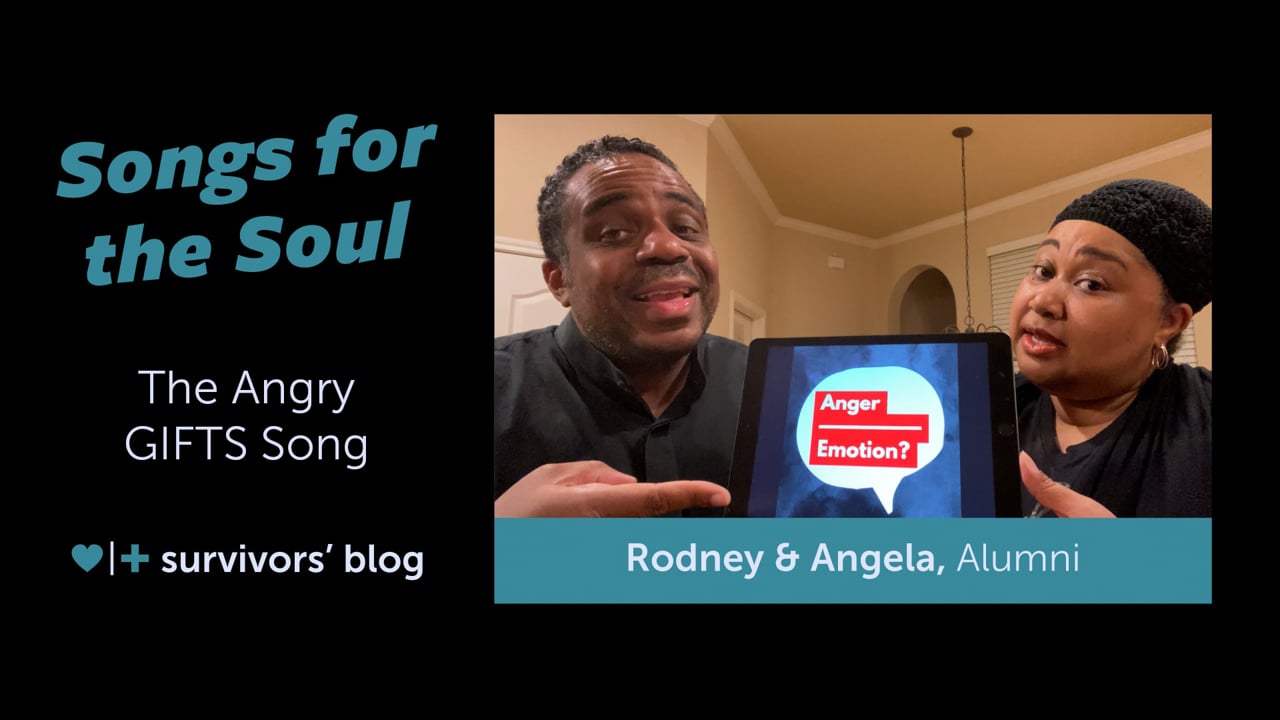
Here is a quick audio version of the song: The Angry GIFTS Song
Today we will present a fun one-minute original song to help pull back the curtain of anger to uncover the primary emotions beneath. Using the GIFTS acronym from the EMS Curriculum, we're able to practice self-awareness, self-expression, and self-management. Ephesians 4:26a instructs us to, "Be angry but do not sin." Anger, as with fire, can create danger if it's not managed well. However, with proper boundaries, as fire within the safety of a fireplace, it can assist in creating an environment of warmth, intimacy, and vulnerability. How are you dealing with your anger - and how is it dealing with you? Is it being used as fuel to enhance your relationships and improve communication, or is there destruction from uncontrollable implosions or explosions? Maybe a first step for you…
Continue reading →
Infidelity, Betrayal Trauma and Sexual Abuse
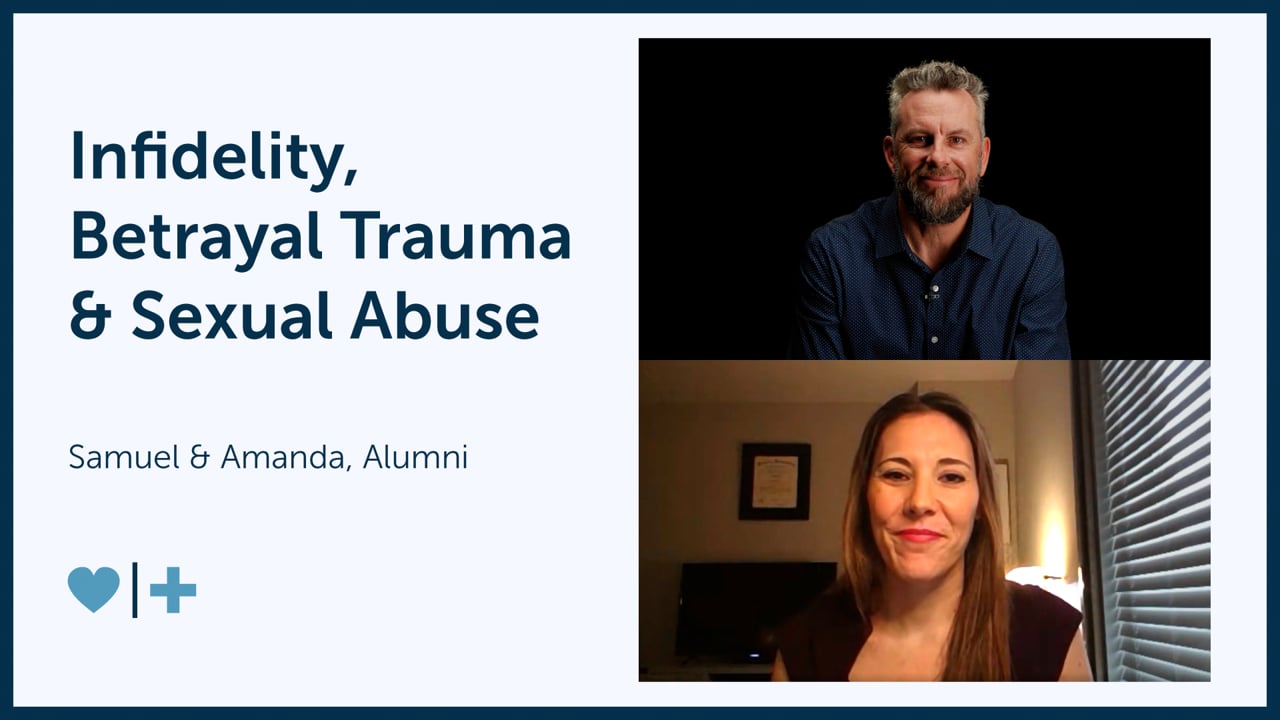
Healing from infidelity requires expert care in every facet of both personal and marital restoration. However, a nebulous area of healing can be found in addressing childhood wounds like neglect, abuse, and abandonment. Without an understanding of what wounds and pain we've experienced as children, we can find that the timeline for us is not only confusing, but also longer and more erratic. When we tap into the help of true trauma experts who have been through their own timeline of infidelity and childhood trauma, we not only find light at the end of the tunnel, but a concrete explanation of what's happening inside of us. Today you'll meet Amanda, a trauma expert of precisely this kind who shares practical and life-changing information about how to address our childhood wounds, and how they continue to affect our attempts to heal from infidelity and/or…
Continue reading →
Songs for the Soul | Rodney & Angela Uncut
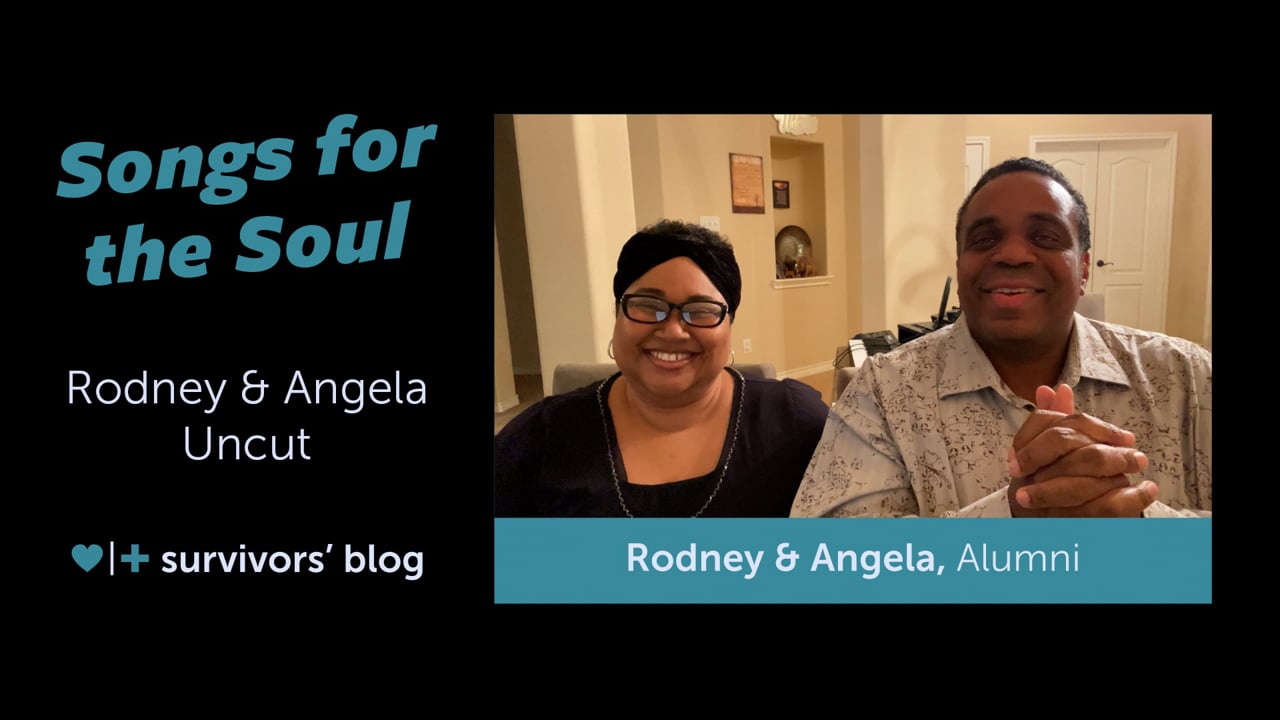
Today, eight years after disclosure and discovery (D-Day), in celebration of completing ten episodes, totalling over 10,000 views - Rodney and Angela present to us a raw, uncut, unplugged, and unleashed ‘Songs for the Soul’ experience! From start to finish, there’s no telling what will happen between these two. God’s grace has taken them from lamenting to laughter, and from turmoil to triumph. He has given them beauty for ashes. While we know there’s nothing funny about the trauma of infidelity, triggers, reminders, and betrayal - tune in for a little joy and laughter to brighten up your day. Scripture teaches that a merry heart does good like a medicine, but a broken spirit dries the bones (Proverbs 17:22). Well, in the world of recovery, we’ve all had plenty of dry bone experiences - every now and then, give yourself permission to laugh a little - in…
Continue reading →
Why Does the Unfaithful Spouse Blame Their Betrayed Spouse for Their Affair & Then Retreat in Shame?
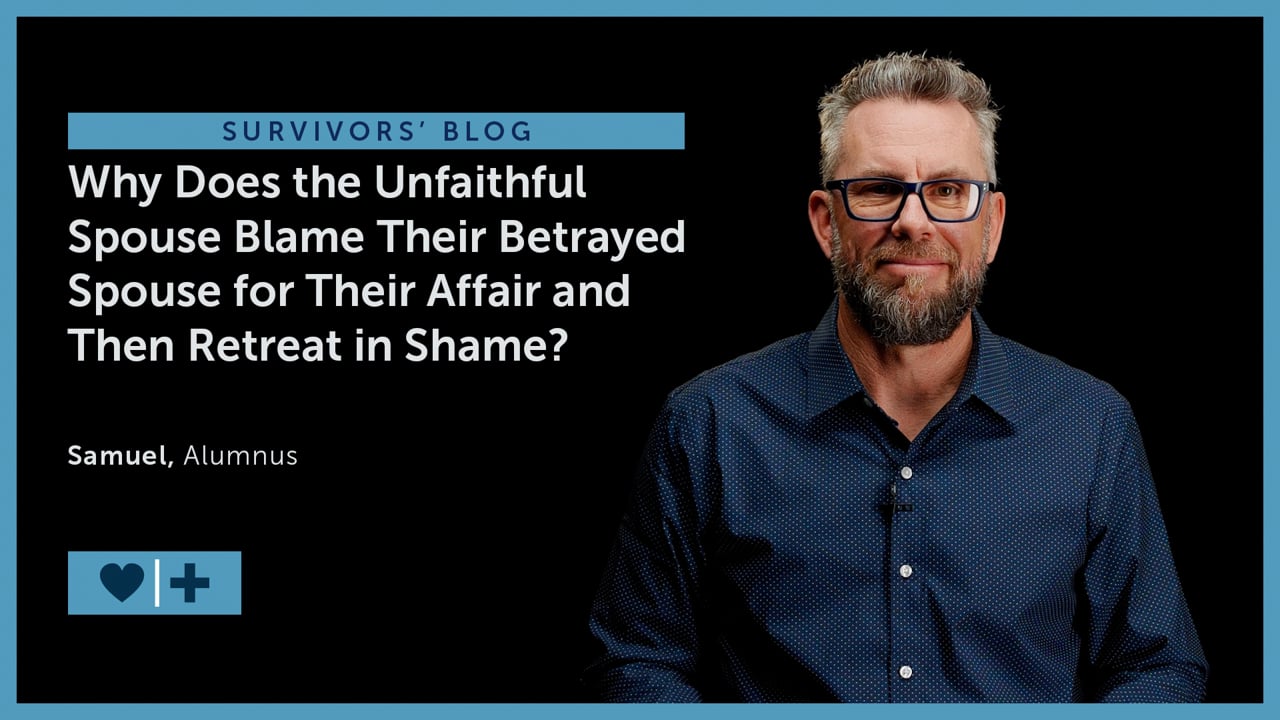
Have you ever had your unfaithful spouse blame you for their infidelity or addiction? Perhaps they've rattled off statements like "if you would have done your job, I wouldn't have had to go find love elsewhere?" Or, "if you didn't neglect me, I wouldn't have had to go somewhere else for attention, love, and sex." It's a coping mechanism the unfaithful uses to justify their actions, and one of the main problems with this thinking is that we, the unfaithful, think it's absolute truth. What's more truthful is the fact that we don't realize how unresolved childhood trauma affects the way we see our spouse, our infidelity and our recovery efforts. If we do not heal what so deeply traumatized us as a child, we'll miss out on a quality of life and recovery that, while it may seem elusive, is more joyful and rewarding than we can imagine. Join me today for a…
Continue reading →
A Crack in the Concrete
 Today, I came across a picture that was posted on our group's GroupMe wall a while back. A depiction of hope, a moment captured by a camera, a view of grace, healing, and growth, revealing a glimmer of rescue and new life. You've probably seen something like it, or the one I'm referring to, where determined little white flowers are growing out of a crack in an otherwise lifeless slab of concrete sidewalk.
At the time this was shared with me, and when I wrote this journal entry, feelings of hope finally started to emerge, much like the ray of light and the new life, emerging with these little flowers through the slab. Where my heart was once in a place consumed with hopelessness, absent of joy, with no healing in sight (to the human eye), time and faith now uncovered proof that change and healing were not only possible, but certain.
May this writing be a reminder to you, that a season of hope is emerging. Just a drop or a hint of hope can bring great faith and thus, change.
I pray a spirit of hope and comfort overwhelms you today.
Sept 2020 (4 years post D-Day)
It's been such a long journey of uncertainty and fear and trying to right all the wrongs. For several years I feel like I've walked on a dark broken road, with very little hope, to a destination I'm not sure where. I have been carrying the burden of shame on my shoulders, holding the blame for someone else's pain, and limping along suffering from my own unattended wounds.
At about the 3-year mark, I had already begun to let go of saving our marriage. Things were the same kind of awful for so long that I knew we had to make a change for any smidgen of hope left for reconciling. But that took a long time to figure out what that change was going to be. We dreaded making any drastic decisions, but we were miserable just the same. At this point, I just wanted peace. I was tired. Tired of wanting things to be different. And I just wanted our kids to have two parents that could execute a civil conversation about regular things, even if that meant we were no longer married.
At the beginning of our separation, for about eight months, my husband did not do anything we had agreed upon prior to the separation. Looking back, it was absurd to think he would. He was not reasonable, he was still in so much pain and had so much anger, and he had to go deal with all of it. By himself, without me. I also had to let him go. I had to separate my progress from his, and his from mine.
I had to let go of the idea that my worth and value was somehow tied to the resolution, the reconciliation, the forgiveness (by him) of what I had done.
I had to set a lot of hard boundaries. By hard, I mean hard to enforce and hard not to feel awful by doing something as uncomfortable as that is. As suggested by my counselor, I also had to set a boundary about how we talked about my affair. This didn't give me permission to dismiss his need to bring it up, or excuse myself from conversations, but it gave us a platform to discuss without looping back to destruction and transmitting pain. It gave us an "in" to begin healthy conversations. We had to do things differently. And we had to heal.
This took time. It took many prayers and intentional work to change my heart. It took faith that something good was coming. (Isaiah 40:31)
I am not dismissing the pain I caused or the price tag on my choices. There are certainly (no less than) 100 things I would have done differently. Knowing now just how badly I acted toward my husband, then the shame that had wrapped itself around me once it all unraveled, it was a perfect formula of destruction and prolonged misery. The way I did things stunted my surrender and repentance, and only prolonged pain for my husband. Living in this reality for all these years nearly destroyed us.
I had so much peace when I could let it all go. There was room for God to work and for my heart (and my husband's) to heal. (Matthew 11:28)
Come to me, all who labor and are heavy laden, and I will give you rest. Take my yoke upon you, and learn from me, for I am gentle and lowly in heart, and you will find rest for your souls. For my yoke is easy, and my burden is light.
(Matthew 11:28-30)
It took 10 months being separated for us to be able to sit and start having conversations. But we did it. I fought back my need for him to ease my pain. I fought back my need to be heard or known by him. I left that to God, and God alone.
We began to hear one another, and I found the ability to keep my mouth shut without FEELING bound to do so but listening from a loving and understanding place. BUT I absolutely could not have gotten here if there had not been that time away, that rearranging, that intentional time apart from each other, and time reserved with God.
I lived peacefully for over a year, though I have cried and had many sleepless nights, healing is happening. My husband and I have had meaningful conversations and even took a family trip together at the end of June. We spent so much time together as a family over the summer and my husband started making some huge leaps, putting effort into our relationship, versus just with the kids. We do not argue, we discuss. We have changed a lot (not all) of our old patterns. The space is the BEST thing that could have happened for us. It allowed us fewer opportunities to hurt each other further; it allowed us to heal wounds apart from each other and seek God alone for that, and allowed opportunities (after a while) for us to start showing up for each other in ways we hadn't seen in a long time, or ever.
The Lord has a plan for you and already knows how He will use your own story.
The seeds of healing and new life have already been planted, even if you cannot see it now.
The good news is that God loves to sustain those who are fainting and give life to those who feel completely depleted. Wait for the Lord and he will give you life. He has promised to renew your strength even though you don't feel it now. He has good things in store for you.
...but they who wait for the Lord shall renew their strength; they shall mount up with wings like eagles; they shall run and not be weary; they shall walk and not faint.
(Isaiah 40:31)
Trust the process. Your heart will be restored and your story will be redeemed.
You are His beloved, gifted in so many ways, worthy, and forgiven. Continue to be repentant and steadfast in renewing your heart, mind and soul. I pray He will give you a nudge to keep your hope alive and to keep putting one foot in front of the other.
~Nicole
Today, I came across a picture that was posted on our group's GroupMe wall a while back. A depiction of hope, a moment captured by a camera, a view of grace, healing, and growth, revealing a glimmer of rescue and new life. You've probably seen something like it, or the one I'm referring to, where determined little white flowers are growing out of a crack in an otherwise lifeless slab of concrete sidewalk.
At the time this was shared with me, and when I wrote this journal entry, feelings of hope finally started to emerge, much like the ray of light and the new life, emerging with these little flowers through the slab. Where my heart was once in a place consumed with hopelessness, absent of joy, with no healing in sight (to the human eye), time and faith now uncovered proof that change and healing were not only possible, but certain.
May this writing be a reminder to you, that a season of hope is emerging. Just a drop or a hint of hope can bring great faith and thus, change.
I pray a spirit of hope and comfort overwhelms you today.
Sept 2020 (4 years post D-Day)
It's been such a long journey of uncertainty and fear and trying to right all the wrongs. For several years I feel like I've walked on a dark broken road, with very little hope, to a destination I'm not sure where. I have been carrying the burden of shame on my shoulders, holding the blame for someone else's pain, and limping along suffering from my own unattended wounds.
At about the 3-year mark, I had already begun to let go of saving our marriage. Things were the same kind of awful for so long that I knew we had to make a change for any smidgen of hope left for reconciling. But that took a long time to figure out what that change was going to be. We dreaded making any drastic decisions, but we were miserable just the same. At this point, I just wanted peace. I was tired. Tired of wanting things to be different. And I just wanted our kids to have two parents that could execute a civil conversation about regular things, even if that meant we were no longer married.
At the beginning of our separation, for about eight months, my husband did not do anything we had agreed upon prior to the separation. Looking back, it was absurd to think he would. He was not reasonable, he was still in so much pain and had so much anger, and he had to go deal with all of it. By himself, without me. I also had to let him go. I had to separate my progress from his, and his from mine.
I had to let go of the idea that my worth and value was somehow tied to the resolution, the reconciliation, the forgiveness (by him) of what I had done.
I had to set a lot of hard boundaries. By hard, I mean hard to enforce and hard not to feel awful by doing something as uncomfortable as that is. As suggested by my counselor, I also had to set a boundary about how we talked about my affair. This didn't give me permission to dismiss his need to bring it up, or excuse myself from conversations, but it gave us a platform to discuss without looping back to destruction and transmitting pain. It gave us an "in" to begin healthy conversations. We had to do things differently. And we had to heal.
This took time. It took many prayers and intentional work to change my heart. It took faith that something good was coming. (Isaiah 40:31)
I am not dismissing the pain I caused or the price tag on my choices. There are certainly (no less than) 100 things I would have done differently. Knowing now just how badly I acted toward my husband, then the shame that had wrapped itself around me once it all unraveled, it was a perfect formula of destruction and prolonged misery. The way I did things stunted my surrender and repentance, and only prolonged pain for my husband. Living in this reality for all these years nearly destroyed us.
I had so much peace when I could let it all go. There was room for God to work and for my heart (and my husband's) to heal. (Matthew 11:28)
Come to me, all who labor and are heavy laden, and I will give you rest. Take my yoke upon you, and learn from me, for I am gentle and lowly in heart, and you will find rest for your souls. For my yoke is easy, and my burden is light.
(Matthew 11:28-30)
It took 10 months being separated for us to be able to sit and start having conversations. But we did it. I fought back my need for him to ease my pain. I fought back my need to be heard or known by him. I left that to God, and God alone.
We began to hear one another, and I found the ability to keep my mouth shut without FEELING bound to do so but listening from a loving and understanding place. BUT I absolutely could not have gotten here if there had not been that time away, that rearranging, that intentional time apart from each other, and time reserved with God.
I lived peacefully for over a year, though I have cried and had many sleepless nights, healing is happening. My husband and I have had meaningful conversations and even took a family trip together at the end of June. We spent so much time together as a family over the summer and my husband started making some huge leaps, putting effort into our relationship, versus just with the kids. We do not argue, we discuss. We have changed a lot (not all) of our old patterns. The space is the BEST thing that could have happened for us. It allowed us fewer opportunities to hurt each other further; it allowed us to heal wounds apart from each other and seek God alone for that, and allowed opportunities (after a while) for us to start showing up for each other in ways we hadn't seen in a long time, or ever.
The Lord has a plan for you and already knows how He will use your own story.
The seeds of healing and new life have already been planted, even if you cannot see it now.
The good news is that God loves to sustain those who are fainting and give life to those who feel completely depleted. Wait for the Lord and he will give you life. He has promised to renew your strength even though you don't feel it now. He has good things in store for you.
...but they who wait for the Lord shall renew their strength; they shall mount up with wings like eagles; they shall run and not be weary; they shall walk and not faint.
(Isaiah 40:31)
Trust the process. Your heart will be restored and your story will be redeemed.
You are His beloved, gifted in so many ways, worthy, and forgiven. Continue to be repentant and steadfast in renewing your heart, mind and soul. I pray He will give you a nudge to keep your hope alive and to keep putting one foot in front of the other.
~Nicole
Today, I came across a picture that was posted on our group's GroupMe wall a while back. A depiction of hope, a moment captured by a camera, a view of grace, healing, and growth, revealing a glimmer of rescue and new life. You've probably seen something like it, or the one I'm referring to, where determined little white flowers are growing out of a crack in an otherwise lifeless slab of concrete sidewalk.
At the time this was shared with me, and when I wrote this journal entry, feelings of hope finally started to emerge, much like the ray of light and the new life, emerging with these little flowers through the slab. Where my heart was once in a place consumed with hopelessness, absent of joy, with no healing in sight (to the human eye), time and faith now uncovered proof that change and healing were not only possible, but certain.
May this writing…
Continue reading →
Songs for the Soul | It Is Well
Many of the old hymns have a special place in our hearts. Today's song, "It Is Well," is no exception to that. The lyrics were penned by Horatio Spafford after tragedy suddenly struck his family. As you hear the story recounted along with the melodious tunes, may your burden be lifted and your load lighter. The trauma and weight of infidelity doesn't have to continue to suffocate you. As we sing over you, we're praying for supernatural peace - even in the midst of the storm. We know that grief comes in waves, but Jesus is still calming seas and walking on water. Storms will come and go, but you have a Savior that promised never to leave you. He is with you in the storm and offers peace that surpasses all understanding. May your heart find solace and comfort as the hymnist graciously declares: Whatever my lot, Thou hast taught me to say, It is well, It is…
Continue reading →
How Did I Recover from My Husband’s Affair: I Had to Draw a Line in the Sand
Finding survivors of either their own infidelity or their spouse's, who are also willing to publicly talk about their story, is no easy task. From the public shame, to the fear of being known for such painful life choices, to the uneasiness of telling your story in public, it's just not easy. Today you'll get to know Stephanie, a fearless survivor of her husband's infidelity, addiction, and child out of wedlock. As we talk, you'll hear a down to earth, "I'm not superwoman; I'm just someone who did the work" approach. After the infidelity came to light, she realized she had choices, and she chose to take a bold step toward her husband as he threw himself into his own recovery work. Today, Stephanie hopes to encourage those who find themselves in this awful position with a few tips that worked for her in the earlier days of her journey. No magic buttons, no…
Continue reading →
What Is A Forgiveness Letter?
I want to invite all who have been betrayed to our Annual Hope Rising Conferences - on Demand, and gain momentum, strength, and community on your journey to wholeness.
Watch Now!
*DISCLAIMER*
Below is a forgiveness letter written by Elizabeth, one of our weekend intensive attendees. As you'll read, she wrote this very personal letter to her husband during their early recovery work. We'd like you to know that she comes from a strong faith background which we know and respect that not all of you subscribe to. For those of you who do not come from faith, we do hope you can relish in the beauty of forgiveness and restoration which shines through her story and her very personal faith. For those who do subscribe to faith, we hope you are encouraged and find this story and vision to be a fresh stream of…
Continue reading →
Where is God When My Heart is Broken?
 Being loved is a hard concept to grasp when our dreams lie shattered around us, and the God whom we thought loved us, has let them shatter.
Vaneetha Risner
If the title of this blog gave the impression that I have the answer to this question, I want to let you know up front that I don't. I am still in the trenches and I wrestle with this often. I wondered if someone else might too, so I decided to talk about it. Faith is such a personal journey, so I can only offer what has been my experience, and in no way do I assume others will necessarily see or feel it the same way. Maybe this conversation can validate your experience if this is an area in which you have struggled, or are still struggling. Maybe you have figured it out and can share a comment below to guide the rest of us.
After the grenade of infidelity was thrown into my lap and basically obliterated everything that mattered to me, I searched in desperation for answers. Being a Christian, that led me to look toward God for comfort and healing. I searched endlessly for relief. I read testimony after testimony from writers who spoke about the comfort they had found in God, and described feeling His love as they walked through this experience of pain and confusion. I felt neither God's comfort nor His presence. Truthfully, this left me more depressed and disconnected than before I read their words. If that was their experience, then I clearly was not doing this right, or more likely I just was not someone with the capacity to heal. Maybe God just didn't love me as much as He loved them. Maybe I was being punished (I actually lingered on that one for a very long time). Maybe this was just God's plan for my life, in which I was never going to feel any relief, but had unwillingly sacrificed my joy and peace for some kind of cosmic greater good that I couldn't see or understand.
Initially after D-day I felt desperate for God, clinging to Bible verses and pleading with Him to somehow make this NOT be my reality. He can do all things, and He could change any circumstance, so I wanted Him to just make this not be my life. As time went on, I felt angry at God. Very angry. Resentful and untrusting. How could He let this happen and then leave me here? Then, I felt totally distant and disconnected from God. As though I was giving Him the silent treatment and pretending He wasn't there. If He wasn't going to help me, then I wasn't going to talk to Him anymore. Then I felt guilty. I knew I was supposed to be faithful to God and worship him even in suffering. But I didn't see anything worthy of worship. So I obediently prayed prayers of gratitude for things like air, food, and shelter. But truthfully I didn't mean any of it. I didn't care if I ate or breathed and I really just wanted to be dead, so I wasn't grateful for the life for which I was pretending to express gratitude.
What did I hear from God? Still nothing. No lightning bolts for my disobedience and angry words, and no warm enveloping comfort for my desperate tearful pleas choked out with my face literally pressed into the floor. Nothing. Nothing at all. The silence was deafening, and I felt abandoned.
As I continued to struggle to hear from God, I often came across well-meaning "resources" trying to oversimplify an overwhelming situation and I read that I should "just" think about something else, or focus on "good things," like Phillipians 4:8. While there is merit and truth in this, there is also a time and a place. In the midst of trauma and deep depression, this just made me want to punch someone. If you saw someone's house on fire you wouldn't tell them to "think about something else." The internal "house fire" of betrayal trauma required a lot of resources and time to get me to a place where thinking about good things applied at all. It's still a day to day struggle for me, but I know as a Christian I am supposed to have faith, right? I'm not supposed to question God or be resentful or angry, and I'm supposed to trust that it's all working for the good of those who love Him. Right? Turns out it isn't that easy. At least not for me.
For a time, I didn't feel like I was supposed to say anything to God that wasn't thankful or honoring, or at the very least - polite. Early on I couldn't find any words at all. Thoughts and feelings were all jumbled up in my head, like one of those old spin art toys that twirls around and mixes up the paint colors into haphazard designs. The confusion and desperation were paralyzing, and then the anger would kick in. It felt wrong to be angry at God, but eventually I realized God already knows what I'm feeling anyway, so there was no reason to keep my thoughts from Him. He can handle my anger and disappointment. As with any human relationship with our children, we would rather have them be honest with us about being angry, than have them not talk to us at all. I'm guessing He probably looks at us like that too.
Over time, I decided that I think some aspect of hearing from God has to do with selective listening. When my kids were young, they were magically oblivious to hearing words like "homework" or "bedtime" but I could practically whisper the word "snack" from around the block - and suddenly they had hearing superpowers. I think it works kind of like that. I wanted to hear "This betrayal didn't really happen" or "I will take your pain away" or even "I will cover the AP's face with boils" - but that was not what He was going to say, and I really wasn't interested in hearing from Him about anything else.
After a while, I did "hear" from God (not audibly or literally). But the things He was showing me weren't necessarily things I could have "heard" early on. People and circumstances were placed in my path that I didn't know I needed until... I did. Over time I began to sense things that were shifting within me. Alongside the pain, I grew in perspective, compassion, forgiveness, humility, and patience... So. Much. Patience. These were not things that I necessarily wanted to learn, especially not like this, but I think they are results of the whispers and nudges of God through this season. It is still very much a work in progress, but I can see the framework now. Honestly I'd still rather hear "I'll take your pain away" or "I'll turn back the clock and it will all go away" but I don't see that happening. Sometimes I wonder if even writing these blogs is something placed by Him in my heart to offer comfort and validation to someone else who needs it right now.
It feels like I ride waves of faith. At times I feel hopeful and almost feel God's presence and see glimmers of His work in my life. At other times, all I hear from God is deafening silence and I feel very alone, unmoored and totally adrift in my pain and hopelessness, like He doesn't even see me at all. I think that is the struggle of faith. If it was easy or obvious, then it wouldn't really be faith.
Leslie Hardie, co-author of Affair Recovery's Harboring Hope course, routinely reminded participants that God helped her through her betrayal, and that He didn't love her more than He loved the rest of us. I doubted that (a lot) at the time, but I have thought of her words often since then. I am certainly not a poster child for faith in recovery, but I am real. I have real doubts and real disappointments and now, I have very real conversations with God. They are not all praise and gratitude, they are very honest. As I mentioned in a previous blog, I do genuinely feel gratitude that I couldn't fathom before, even amidst the presence of pain. So my conversations with God are a mix of those things, along with the frustration and disappointment I continue to face. It's okay. He can handle it. And I know He hears me.
In a Q&A video, Rick Reynolds responds to a person who questioned her faith as a result of her pain, and asked how a just God could have allowed the infidelity to occur. Rick's answer pointed out that Jesus was perfect. He was the Son of God and never sinned, and yet he was crucified. Many of the apostles were martyred. The point he made was that even in those circumstances, God did not prevent pain. He allowed things to happen to people who least deserved it, because he created humans to have free will to make decisions - good and bad - and we have to live with the consequences. Fairness does not factor in. We know we will have trouble in this world (John 16:33). Sometimes it is through the mistakes we make, or those of others who impact us, that changes us, makes us grow, and leads us to God to deepen our dependence on Him, which is His ultimate goal because His heart's desire is to be in true relationship with us.
I don't know how you feel about God's role in your situation, but I know I'm not alone in my struggle to understand. I don't have all the answers, but I hope sharing my thoughts might help someone feel less alone.
Praise be to the God and Father of our Lord Jesus Christ, the Father of compassion and the God of all comfort, who comforts us in all our troubles, so that we can comfort those in any trouble with the comfort we ourselves receive from God. For just as we share abundantly in the sufferings of Christ, so also our comfort abounds through Christ.
2 Corinthians 1:3-5
Being loved is a hard concept to grasp when our dreams lie shattered around us, and the God whom we thought loved us, has let them shatter.
Vaneetha Risner
If the title of this blog gave the impression that I have the answer to this question, I want to let you know up front that I don't. I am still in the trenches and I wrestle with this often. I wondered if someone else might too, so I decided to talk about it. Faith is such a personal journey, so I can only offer what has been my experience, and in no way do I assume others will necessarily see or feel it the same way. Maybe this conversation can validate your experience if this is an area in which you have struggled, or are still struggling. Maybe you have figured it out and can share a comment below to guide the rest of us.
After the grenade of infidelity was thrown into my lap and basically obliterated everything that mattered to me, I searched in desperation for answers. Being a Christian, that led me to look toward God for comfort and healing. I searched endlessly for relief. I read testimony after testimony from writers who spoke about the comfort they had found in God, and described feeling His love as they walked through this experience of pain and confusion. I felt neither God's comfort nor His presence. Truthfully, this left me more depressed and disconnected than before I read their words. If that was their experience, then I clearly was not doing this right, or more likely I just was not someone with the capacity to heal. Maybe God just didn't love me as much as He loved them. Maybe I was being punished (I actually lingered on that one for a very long time). Maybe this was just God's plan for my life, in which I was never going to feel any relief, but had unwillingly sacrificed my joy and peace for some kind of cosmic greater good that I couldn't see or understand.
Initially after D-day I felt desperate for God, clinging to Bible verses and pleading with Him to somehow make this NOT be my reality. He can do all things, and He could change any circumstance, so I wanted Him to just make this not be my life. As time went on, I felt angry at God. Very angry. Resentful and untrusting. How could He let this happen and then leave me here? Then, I felt totally distant and disconnected from God. As though I was giving Him the silent treatment and pretending He wasn't there. If He wasn't going to help me, then I wasn't going to talk to Him anymore. Then I felt guilty. I knew I was supposed to be faithful to God and worship him even in suffering. But I didn't see anything worthy of worship. So I obediently prayed prayers of gratitude for things like air, food, and shelter. But truthfully I didn't mean any of it. I didn't care if I ate or breathed and I really just wanted to be dead, so I wasn't grateful for the life for which I was pretending to express gratitude.
What did I hear from God? Still nothing. No lightning bolts for my disobedience and angry words, and no warm enveloping comfort for my desperate tearful pleas choked out with my face literally pressed into the floor. Nothing. Nothing at all. The silence was deafening, and I felt abandoned.
As I continued to struggle to hear from God, I often came across well-meaning "resources" trying to oversimplify an overwhelming situation and I read that I should "just" think about something else, or focus on "good things," like Phillipians 4:8. While there is merit and truth in this, there is also a time and a place. In the midst of trauma and deep depression, this just made me want to punch someone. If you saw someone's house on fire you wouldn't tell them to "think about something else." The internal "house fire" of betrayal trauma required a lot of resources and time to get me to a place where thinking about good things applied at all. It's still a day to day struggle for me, but I know as a Christian I am supposed to have faith, right? I'm not supposed to question God or be resentful or angry, and I'm supposed to trust that it's all working for the good of those who love Him. Right? Turns out it isn't that easy. At least not for me.
For a time, I didn't feel like I was supposed to say anything to God that wasn't thankful or honoring, or at the very least - polite. Early on I couldn't find any words at all. Thoughts and feelings were all jumbled up in my head, like one of those old spin art toys that twirls around and mixes up the paint colors into haphazard designs. The confusion and desperation were paralyzing, and then the anger would kick in. It felt wrong to be angry at God, but eventually I realized God already knows what I'm feeling anyway, so there was no reason to keep my thoughts from Him. He can handle my anger and disappointment. As with any human relationship with our children, we would rather have them be honest with us about being angry, than have them not talk to us at all. I'm guessing He probably looks at us like that too.
Over time, I decided that I think some aspect of hearing from God has to do with selective listening. When my kids were young, they were magically oblivious to hearing words like "homework" or "bedtime" but I could practically whisper the word "snack" from around the block - and suddenly they had hearing superpowers. I think it works kind of like that. I wanted to hear "This betrayal didn't really happen" or "I will take your pain away" or even "I will cover the AP's face with boils" - but that was not what He was going to say, and I really wasn't interested in hearing from Him about anything else.
After a while, I did "hear" from God (not audibly or literally). But the things He was showing me weren't necessarily things I could have "heard" early on. People and circumstances were placed in my path that I didn't know I needed until... I did. Over time I began to sense things that were shifting within me. Alongside the pain, I grew in perspective, compassion, forgiveness, humility, and patience... So. Much. Patience. These were not things that I necessarily wanted to learn, especially not like this, but I think they are results of the whispers and nudges of God through this season. It is still very much a work in progress, but I can see the framework now. Honestly I'd still rather hear "I'll take your pain away" or "I'll turn back the clock and it will all go away" but I don't see that happening. Sometimes I wonder if even writing these blogs is something placed by Him in my heart to offer comfort and validation to someone else who needs it right now.
It feels like I ride waves of faith. At times I feel hopeful and almost feel God's presence and see glimmers of His work in my life. At other times, all I hear from God is deafening silence and I feel very alone, unmoored and totally adrift in my pain and hopelessness, like He doesn't even see me at all. I think that is the struggle of faith. If it was easy or obvious, then it wouldn't really be faith.
Leslie Hardie, co-author of Affair Recovery's Harboring Hope course, routinely reminded participants that God helped her through her betrayal, and that He didn't love her more than He loved the rest of us. I doubted that (a lot) at the time, but I have thought of her words often since then. I am certainly not a poster child for faith in recovery, but I am real. I have real doubts and real disappointments and now, I have very real conversations with God. They are not all praise and gratitude, they are very honest. As I mentioned in a previous blog, I do genuinely feel gratitude that I couldn't fathom before, even amidst the presence of pain. So my conversations with God are a mix of those things, along with the frustration and disappointment I continue to face. It's okay. He can handle it. And I know He hears me.
In a Q&A video, Rick Reynolds responds to a person who questioned her faith as a result of her pain, and asked how a just God could have allowed the infidelity to occur. Rick's answer pointed out that Jesus was perfect. He was the Son of God and never sinned, and yet he was crucified. Many of the apostles were martyred. The point he made was that even in those circumstances, God did not prevent pain. He allowed things to happen to people who least deserved it, because he created humans to have free will to make decisions - good and bad - and we have to live with the consequences. Fairness does not factor in. We know we will have trouble in this world (John 16:33). Sometimes it is through the mistakes we make, or those of others who impact us, that changes us, makes us grow, and leads us to God to deepen our dependence on Him, which is His ultimate goal because His heart's desire is to be in true relationship with us.
I don't know how you feel about God's role in your situation, but I know I'm not alone in my struggle to understand. I don't have all the answers, but I hope sharing my thoughts might help someone feel less alone.
Praise be to the God and Father of our Lord Jesus Christ, the Father of compassion and the God of all comfort, who comforts us in all our troubles, so that we can comfort those in any trouble with the comfort we ourselves receive from God. For just as we share abundantly in the sufferings of Christ, so also our comfort abounds through Christ.
2 Corinthians 1:3-5
Being loved is a hard concept to grasp when our dreams lie shattered around us, and the God whom we thought loved us, has let them shatter.
Vaneetha Risner
If the title of this blog gave the impression that I have the answer to this question, I want to let you know up front that I don't. I am still in the trenches and I wrestle with this often. I wondered if someone else might too, so I decided to talk about it. Faith is such a personal journey, so I can only offer what has been my experience, and in no way do I assume others will necessarily see or feel it the same way. Maybe this conversation can validate your experience if this is an area in which you have struggled, or are still struggling. Maybe you have figured it out and can share a comment below to guide the rest of us.
After the grenade of infidelity was thrown into my lap and…
Continue reading →
Songs for the Soul | A Husband’s Prayer
Here is a quick audio version of the song: A Husband's Prayer
As husbands, we have the unique privilege of covering our wives in prayer. Whether they are the hurt spouse, the unfaithful one, or even both - they need someone fighting for the good of their heart, soul, and mind. And make no mistake about it, all wives need prayer, including yours. Today we offer up a prayer in song petitioning God for their blessing and healing. We also pray for God to teach us to love them as Christ loves His bride, the Church. He modeled His love when He gave His life for her on an old rugged cross. True love requires sacrifice - blood, sweat, and tears. With this love, according to Ephesians 5 and 1 Peter 3, we learn to dwell with them and honor them as the precious gifts from God that they are. Because of our inherent sinfulness and selfishness, this is not…
Continue reading →
Addiction, A Child from an Affair Partner & Will We Ever Love Each Other Again?
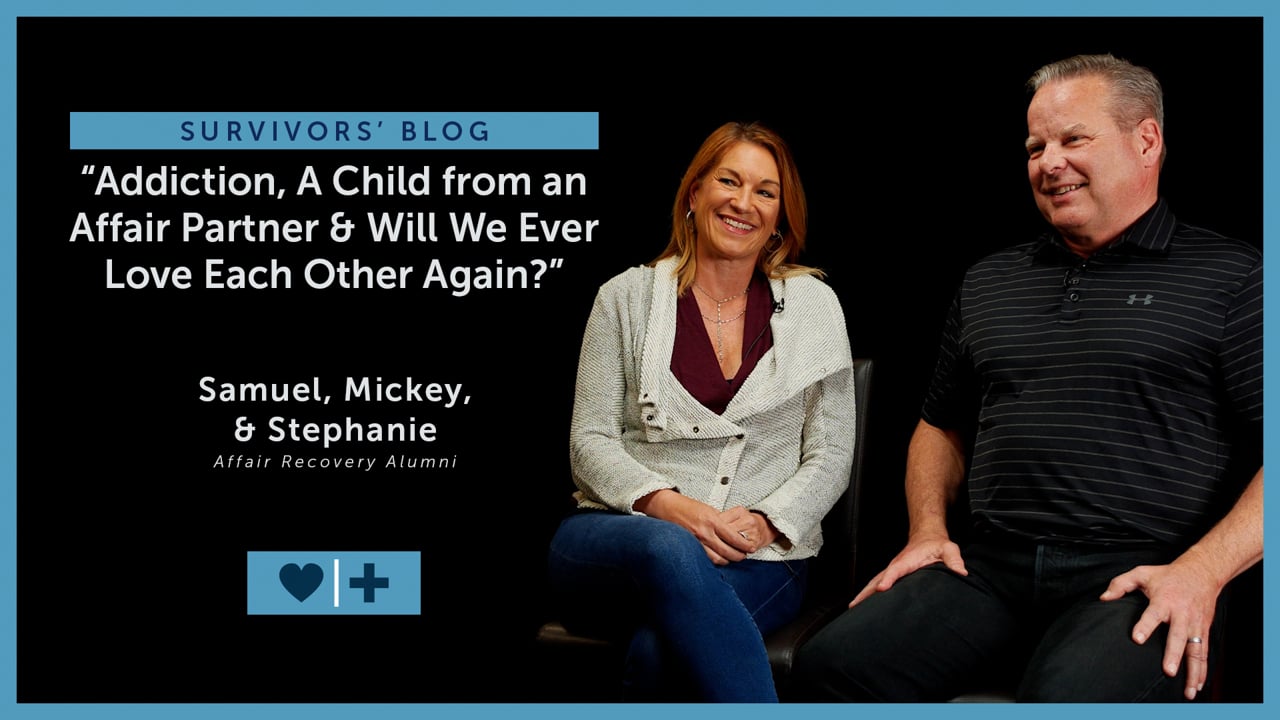
Trying to heal from your partner's affair, or your own, can seem like an impossible task. But what about when there is a child from an affair? What if they are a sex addict? What if you don't feel like you even love your partner now? While all hard-hitting, complicated questions, I am happy to tell you there are answers. Oftentimes, we believe people who have actually healed from seemingly impossible pain and trauma are better answers than mere words. Today you'll meet heroes of ours at affairrecovery.com: Mickey and Stephanie. We are confident that after hearing just some of their story and seeing the palpable joy in both their hearts, that there is hope for your own healing and restoration.
Cover more ground faster with the life-changing experience of EMS Weekend for couples.
This isn't another light-and-fluffy program that only scratches…
Continue reading →
Come Alive
 November 2021
On a road trip across Texas over Thanksgiving I was listening to the song Come Alive (Dry Bones) by Lauren Daigle, which reminded me of one of my favorite stories in the Bible. Some of you may know the story of Ezekiel and the valley of dry bones...
For me, road trips are notorious for bringing up old thoughts, on the long stretch of quiet highway miles. Some good thoughts - worth dwelling on - that give me time of praise with God; some not so good - where God will bring things to light that need to be given up and surrendered, and thus healed.
As the song on my playlist played over my speakers, I relived a time when this story spoke volumes to me - a time that was one of loneliest times in my life, and one of grave desperation. A time when I desperately needed some hope.
Five years ago.
Before I retell the Bible story, as it was spoken to my heart, I want to paint a picture of the life I was living at this time.
I was desperate for a good day. Desperate for a good night's sleep...a good meal... a good conversation... a good hug...a good day at work...a good thought... a good friend... a good parenting moment... a good memory... something good, anything. Everything was tainted, broken, crumbling, sickening, awful, foul, rotten, miserable, and awful. Dead. What do I mean by good? A feeling that wasn't any of those feelings - anything that wasn't my reality, anything not related to my affair or the accompanying shame.
Day in and day out, night after night, things in my home were awful. Worse than I ever thought imaginable. The feelings of my raging, angry, bitter, hurting, betrayed husband was what determined our existence. Our marital circumstances were up against other big things going on in our life at the time, such that my husband couldn’t choose to divorce me or be away from our boys, so he stayed. He didn’t get help nor get any less angry for over two years after D-Day. He hated me, I hated me.
I was dead inside. With no hope for our situation to change. I was stuck in hell, dying each day. There was a part of me just trying to survive. However, the decay in the rest of me felt like it was taking over any last remnant that resembled life.
So back to the Bible story - Ezekiel in the valley of dry bones - was told to me during a sermon at church. How I managed to show my face in church and overcome my shame to the point where I yearned to be there, is only possible because of God.
In a vision, Ezekiel sees a huge valley filled up with dry human bones and skeletons (this image is a metaphor for Israel's spiritual state) and God tells Ezekiel that He is coming to bring His people back to life.
Ezekiel 37:1-10
My recollection is this wind comes and it causes all the bones to stand up and it fills them with breath and life.
The portrayal of this scenario was so real to me, as I felt I was right there in the valley. Dried up and left for dead, barely any life being breathed into my body. My ears perked and I listened so intensely as my pastor went on.
Now, new humans with skin on their bones are standing in front of Ezekiel! This vision is recalling the story about the creation of humans in Genesis 2 where God made humans out of dirt and divine breath.
After spiritual death (and some instances of real death) The only hope is that GOD would perform a new act of creation and remake humans in such a way that they can truly live in a relationship of love with God and with each other.
The main message was that the dead things in your life, whatever they may be, can be restored, and new life can be breathed into them. What I love about this passage is that God asks Ezekiel if the bones can be restored. [Ezekiel 37: 3] He is essentially asking him if he had faith in Him to restore the bones.
Yes, that is what I so badly needed to happen for me! I needed this kind of faith; I needed this kind of help. The pastor went on to say how this valley may represent your marriage (and other relationships) and God is the only hope to resurrect the death that has occurred.
Everything in my life seemed like a valley of dry bones. I cried and cried from this story of hope!! I was a wreck, God knew it, everyone around me knew it, my kids knew it and I needed God's help. And this message stuck with me and breathed life into the dry bones I was barely surviving within.
"We call out to dead hearts, come alive. Up out of the ashes, let us see an army rise." Lauren Daigle
I've read it somewhere that no prophet equals Ezekiel, in his message of hope.
Through divine grace the dead may live.
Though the context of this chapter is related to the resurrection of a nation (fallen to evil and beyond repair), this vision shows that however beyond redemption a human can seem from a human point of view, GOD, by his gracious spirit, CAN STILL SAVE. WOW!
How can God have the power to rescue?
How does he have the power alone to save?
How can he breathe a breath of life into a soul that is beyond repair?
How can he restore all that is broken and lost for good?
How can he redeem a situation that was meant for evil and caused imaginable destruction?
These are the thoughts that engulfed me day after day during the aftermath.
My message for you is that God has the power to redeem you, your heart, your past and your story. And He will. I began to come alive and trust in God's plan for my life. You will too. Have faith, dear one, this can be redeemed.
Unpack and overcome your shame with Hope for Healing.
Learn More
Overcoming shame and understanding the Lord's love for me took a long time. I had a lot of help, but I couldn't get any further down the road until I began to do this work, one step at a time. I had to work on forgiving myself, listening to hurts, taking ownership of my actions without carrying the shame, and growing my faith in God. Messages of hope, and truths from Scripture like this helped me along the way.
Each week, for four years after my affair, I saw an amazing Christian counselor. In one of my therapy sessions with him, I was crying about how even after overcoming shame and the brokenness of this life, and the awful choices I made, why did I still grieve how THIS now had to be part of my story? How could I go on, knowing everyday this unwanted passenger (my old self and my old sin) was in tow, no matter where the journey took me from here, I always had it with me. How can I ever "unhave" this?
I felt healed, I felt alive, I felt loved, I felt reassured of so many things. But why did this have to taint the rest of our history? How could I truly move on?
He said to me that this (what felt like a constant) reminder of the past, was not a tool to condemn me, but a tool to keep me grateful for God's work in my life. This is to remind me that mine is a story of His power to restore the broken, and His ability and desire to redeem my life. This is now a view from the rear-view mirror, a reminder of something that once was, but that is no more. I am renewed, I am restored, I am a beloved daughter of God who is adored and who was saved from myself. Regarding his own past sin, my counselor always says, "Thank God, I am never going back there." "Thank God that I have been renewed in Christ". "Thank God, He saved me from myself."
As I looked in my rearview mirror, I praised God for leading me to a journey of healing and for riding alongside me every step of the way. I praised Him for His power to restore the broken and to resurrect my dry bones that once lay in this valley of death.
I trust His greater plan for me... He is my navigator... and thank God, I am never going back.
November 2021
On a road trip across Texas over Thanksgiving I was listening to the song Come Alive (Dry Bones) by Lauren Daigle, which reminded me of one of my favorite stories in the Bible. Some of you may know the story of Ezekiel and the valley of dry bones...
For me, road trips are notorious for bringing up old thoughts, on the long stretch of quiet highway miles. Some good thoughts - worth dwelling on - that give me time of praise with God; some not so good - where God will bring things to light that need to be given up and surrendered, and thus healed.
As the song on my playlist played over my speakers, I relived a time when this story spoke volumes to me - a time that was one of loneliest times in my life, and one of grave desperation. A time when I desperately needed some hope.
Five years ago.
Before I retell the Bible story, as it was spoken to my heart, I want to paint a picture of the life I was living at this time.
I was desperate for a good day. Desperate for a good night's sleep...a good meal... a good conversation... a good hug...a good day at work...a good thought... a good friend... a good parenting moment... a good memory... something good, anything. Everything was tainted, broken, crumbling, sickening, awful, foul, rotten, miserable, and awful. Dead. What do I mean by good? A feeling that wasn't any of those feelings - anything that wasn't my reality, anything not related to my affair or the accompanying shame.
Day in and day out, night after night, things in my home were awful. Worse than I ever thought imaginable. The feelings of my raging, angry, bitter, hurting, betrayed husband was what determined our existence. Our marital circumstances were up against other big things going on in our life at the time, such that my husband couldn’t choose to divorce me or be away from our boys, so he stayed. He didn’t get help nor get any less angry for over two years after D-Day. He hated me, I hated me.
I was dead inside. With no hope for our situation to change. I was stuck in hell, dying each day. There was a part of me just trying to survive. However, the decay in the rest of me felt like it was taking over any last remnant that resembled life.
So back to the Bible story - Ezekiel in the valley of dry bones - was told to me during a sermon at church. How I managed to show my face in church and overcome my shame to the point where I yearned to be there, is only possible because of God.
In a vision, Ezekiel sees a huge valley filled up with dry human bones and skeletons (this image is a metaphor for Israel's spiritual state) and God tells Ezekiel that He is coming to bring His people back to life.
Ezekiel 37:1-10
My recollection is this wind comes and it causes all the bones to stand up and it fills them with breath and life.
The portrayal of this scenario was so real to me, as I felt I was right there in the valley. Dried up and left for dead, barely any life being breathed into my body. My ears perked and I listened so intensely as my pastor went on.
Now, new humans with skin on their bones are standing in front of Ezekiel! This vision is recalling the story about the creation of humans in Genesis 2 where God made humans out of dirt and divine breath.
After spiritual death (and some instances of real death) The only hope is that GOD would perform a new act of creation and remake humans in such a way that they can truly live in a relationship of love with God and with each other.
The main message was that the dead things in your life, whatever they may be, can be restored, and new life can be breathed into them. What I love about this passage is that God asks Ezekiel if the bones can be restored. [Ezekiel 37: 3] He is essentially asking him if he had faith in Him to restore the bones.
Yes, that is what I so badly needed to happen for me! I needed this kind of faith; I needed this kind of help. The pastor went on to say how this valley may represent your marriage (and other relationships) and God is the only hope to resurrect the death that has occurred.
Everything in my life seemed like a valley of dry bones. I cried and cried from this story of hope!! I was a wreck, God knew it, everyone around me knew it, my kids knew it and I needed God's help. And this message stuck with me and breathed life into the dry bones I was barely surviving within.
"We call out to dead hearts, come alive. Up out of the ashes, let us see an army rise." Lauren Daigle
I've read it somewhere that no prophet equals Ezekiel, in his message of hope.
Through divine grace the dead may live.
Though the context of this chapter is related to the resurrection of a nation (fallen to evil and beyond repair), this vision shows that however beyond redemption a human can seem from a human point of view, GOD, by his gracious spirit, CAN STILL SAVE. WOW!
How can God have the power to rescue?
How does he have the power alone to save?
How can he breathe a breath of life into a soul that is beyond repair?
How can he restore all that is broken and lost for good?
How can he redeem a situation that was meant for evil and caused imaginable destruction?
These are the thoughts that engulfed me day after day during the aftermath.
My message for you is that God has the power to redeem you, your heart, your past and your story. And He will. I began to come alive and trust in God's plan for my life. You will too. Have faith, dear one, this can be redeemed.
Unpack and overcome your shame with Hope for Healing.
Learn More
Overcoming shame and understanding the Lord's love for me took a long time. I had a lot of help, but I couldn't get any further down the road until I began to do this work, one step at a time. I had to work on forgiving myself, listening to hurts, taking ownership of my actions without carrying the shame, and growing my faith in God. Messages of hope, and truths from Scripture like this helped me along the way.
Each week, for four years after my affair, I saw an amazing Christian counselor. In one of my therapy sessions with him, I was crying about how even after overcoming shame and the brokenness of this life, and the awful choices I made, why did I still grieve how THIS now had to be part of my story? How could I go on, knowing everyday this unwanted passenger (my old self and my old sin) was in tow, no matter where the journey took me from here, I always had it with me. How can I ever "unhave" this?
I felt healed, I felt alive, I felt loved, I felt reassured of so many things. But why did this have to taint the rest of our history? How could I truly move on?
He said to me that this (what felt like a constant) reminder of the past, was not a tool to condemn me, but a tool to keep me grateful for God's work in my life. This is to remind me that mine is a story of His power to restore the broken, and His ability and desire to redeem my life. This is now a view from the rear-view mirror, a reminder of something that once was, but that is no more. I am renewed, I am restored, I am a beloved daughter of God who is adored and who was saved from myself. Regarding his own past sin, my counselor always says, "Thank God, I am never going back there." "Thank God that I have been renewed in Christ". "Thank God, He saved me from myself."
As I looked in my rearview mirror, I praised God for leading me to a journey of healing and for riding alongside me every step of the way. I praised Him for His power to restore the broken and to resurrect my dry bones that once lay in this valley of death.
I trust His greater plan for me... He is my navigator... and thank God, I am never going back.
November 2021
On a road trip across Texas over Thanksgiving I was listening to the song Come Alive (Dry Bones) by Lauren Daigle, which reminded me of one of my favorite stories in the Bible. Some of you may know the story of Ezekiel and the valley of dry bones...
For me, road trips are notorious for bringing up old thoughts, on the long stretch of quiet highway miles. Some good thoughts - worth dwelling on - that give me time of praise with God; some not so good - where God will bring things to light that need to be given up and surrendered, and thus healed.
As the song on my playlist played over my speakers, I relived a time when this story spoke volumes to me - a time that was one of loneliest times in my life, and one of grave desperation. A time when I desperately needed some hope.
Five years ago.
Before I retell the Bible…
Continue reading →
Songs for the Soul | When You Are Triggered
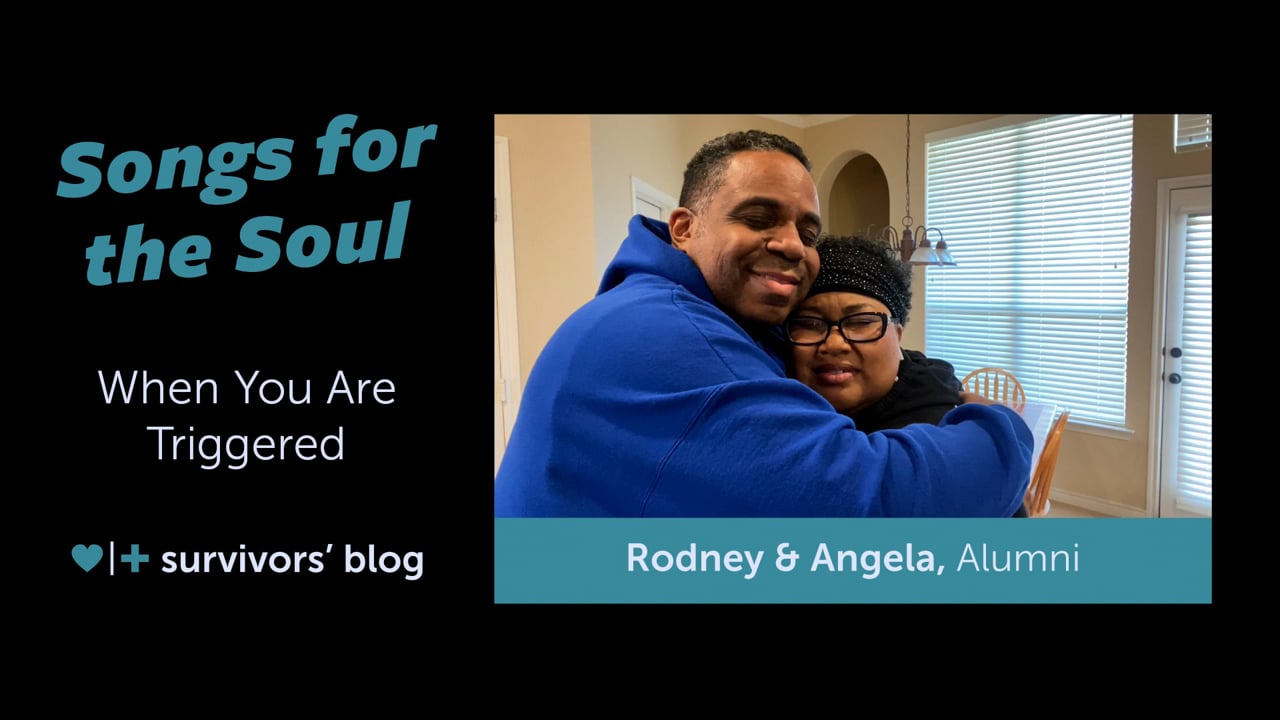
Here's a quick link to the audio version of the song: "When You Are Triggered"
For today's episode, we will sing a song we wrote to help with triggers. Because triggers can be so volatile; we understand it may or may not work for everyone in every situation. But even if not, the message of the song is still so very potent because it includes lessons we learn from the EMS curriculum.
Following the earthquake of infidelity and trauma, there are always triggers. They show up without warning, armed with painful reminders of life's most challenging hardships, and can sometimes have us acting outside of our best selves. Well, today we present a song to soothe the savage beast wreaking havoc in your mind. As David played music for King Saul, the evil spirit departed. That's our prayer for this song. We want to stop the emotional…
Continue reading →
Admin Tools
* If you commonly use a tool that others can benefit from and do not see it listed please post in the Technical Support space and let us know so we can update the list.
Content Moderation
Approve Article Comments
Reported Content
Review All Comments
Orders & Coupons
Scholarship Coupon Search
Orders with Rule Failures
EMSW Quick View Report
Order Search By Country
Countries List
Order By Country Summary
Texas Course Orders (3+ months old)
Abandoned Shopping Carts
Survey Tools
Survey Administration
Tools - Survey Automation (Old)
Custom Views
All Newsletters
Newsletters Available to Recycle
EMSW Newsletters
All Blogs
Users by Role
Other Links
Additional Resources (book links from AR's amazon affiliate account)
* If you commonly use a tool that others can benefit from and do not see it listed please post in the Technical Support space and let us know so we can update the list.
Content Moderation
Approve Article Comments
Reported Content
Review All Comments
Orders & Coupons
Scholarship Coupon Search
Orders with Rule Failures
EMSW Quick View Report
Order Search By Country
Countries List
Order By Country Summary
Texas Course Orders (3+ months old)
Abandoned Shopping Carts
Survey Tools
Survey Administration
Tools - Survey Automation (Old)
Custom Views
All Newsletters
Newsletters Available to Recycle
EMSW Newsletters
All Blogs
Users by Role
Other Links
Additional Resources (book links from AR's amazon affiliate account)
Continue reading →
How to Transform Your Betrayal and Relational Trauma
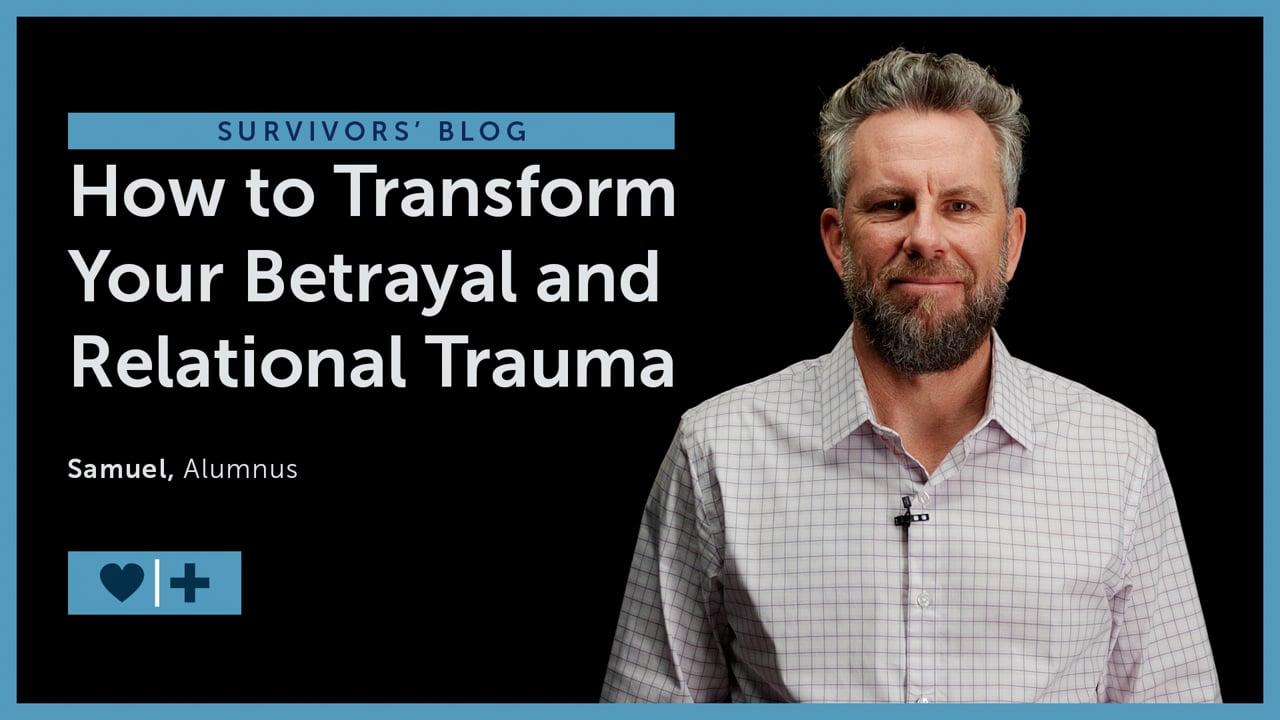
Transforming our betrayal and relationship trauma is no easy task. It can feel impossible to keep our heads above water at times, not to mention the fact that life happening around you never stops to make your healing easier. Quite frankly, we don't always feel like doing the hard work of recovery, and we'd rather just shut down and hide from everyone and everything. Today, Samuel shares four game-changing solutions to provide a framework to healing our own betrayal and relationship trauma. In a world where cynicism and sarcasm seem to be the go-to coping skills for those who are hurting, today you will hear four refreshing and life-changing strategies on how to not only heal, but get your life back, after betrayal trauma.
Continue Your Healing With EMS Online! Registration Opens Soon.
Our Emergency Marital Seminar Online, better known…
Continue reading →
A Letter of Encouragement for Healing After an Affair - an Update
 Beloved reader,
I wanted to continue my story and provide an update on our lives since the last blog entry, which was written about 3.5 years after D-day.
It's now been another 6 months (so 4 years after D-day) and so many thoughts of praise are coming to my mind I'm not sure where to begin. Though there is so much suffering around right now with the pandemic, I can't help but be thankful for God's provision during this time. Quarantine time (Spring 2020) - was well, chaotic and loud and crazy, and proved very hard to work; however, it was a blessing to have the kids home for such an extended time, as well as my husband being more available (with new restrictions in his job) and being able to spend more time with all of us. Certainly, God has been working for a long time, but it became humanly obvious to us that our hearts were opening and softening towards one another around the June timeframe. We took a divine-appointed vacation in June, (one that I actually protested even the thought of!) This began on a road trip to Eastern Oklahoma, the four of us, in our van, which was the best time we've had in about five years. God worked through the quiet woods, campfires, barbeques, miles on the road, and no Wi-Fi. Looking back, He planned that trip, not us.
My husband and I have been separated, living apart for over a year now. It was a rough beginning, but it has been the best thing for us over all of these months. A lot of people said that separation would be the beginning of the end, and I was scared that it only prolonged our requirement to make a decision. However, the Lord had a better plan for us. During this separation, the quality of the time that we have spent together and the conversations that we have been able to have are clearly God's handiwork (and not our own).
This summer - post-road trip - I reached a point where I was willing to mildly discuss "plans" and "options" for us as a family, which included my husband's timeline for the 4th year of his school program (happening now) and beyond. This was a big decision that we knew would have to be dealt with and loomed over us these last 4 years. Knowing we still had so much ground to cover in our reconciliation, I prayed for a soft heart and for us to be able to "hear" each other.
Much of my time with God over the summer (and prayers with friends and family) made me realize I was clinging to things - things and people that were clearly God-given during the hard season in our life. I was holding on so tightly - metaphorically clenching my fists - to not let go of anything I knew that was certain and good. One of those things was the location where we lived, the place where everyone had loved me so well in my time of crisis. I didn't want to leave, and I didn't want to follow my husband for his convenience, with no guarantees of our future together. One amazing day, my sweet friend Linda talked with me and gently spoke this truth - my grasp on these things was preventing my palms from being open to what God may have in store for us. I had to let go of "my plans" and open my palms to Him. God has given me peace about having or not having "future plans", and the capacity and willingness to embrace His plan. I feel like I've arrived at this anointed place, and have actually started looking forward to new things (not better, or different, but something greater than I can conceive).
That "closed vs open palm" realization provided a new perspective - for my heart and mind to be open to new possibilities, and to be expectant for what God was doing in our lives and in our marriage.
As most of my close friends know, over the last year I have felt like my husband and I are in a race against time, with his medical school timeline and application requirements for the next step, and yet I knew that we both needed the level of healing and reconciliation that only God could give, and on His time. The fears that were always under the surface in this "race against time" - I finally had to let go of those too.
Regarding our marriage - I have seen changes in my husband that can only be God's doing. The fact that there are miraculous things to see and that I have "eyes to see" them, are ALL God. Things that even in MAY of this year, I didn't see coming, nor could I even conceive as possible.
I see a reflective, more mindful, considerate, gentle person God is continuing to shape and heal right in front of me. I have heard things from his mouth that I never thought would come out. I have heard him speak of sorrow and hope in ways I never thought we'd share. I asked him, "why now?" (after all the time that had lapsed) - he said he has time now to think and process his feelings (now that his load at school has lightened.) He knows where he belongs, and that we all belong together. He said he was angry at God for a long time and has had to come to terms with that. He said "you aren't the only one who wasn't walking with God back then, Nicole. I made my mistakes and have a lot of regrets, too."
In recent months, he started to bring up God and how He is working, almost on a daily basis, when discussing his experiences with his patients and the doctors on his hospital rounds. When conflicts arise between us (that we have similarly dealt with for years), we both react to one another differently and handle it better. We talk about dreams and future plans again. We talk about money (something we have never done in 10 years of marriage), which is a good thing for us to start doing. We consult one another in plans and give considerations; again, something we didn't do for most of our marriage. He has led our prayers at dinnertime. No one asks him to; he just assumed the responsibility after seeing the other 3 of us doing it all this time. He now listens to Christian podcasts and radio and likes to discuss the topics. There are so many ways God is showing up and answering prayers - (my prayers, and the prayers others have prayed over us). Each one of these changes is huge, but all of them together are proof there is real divine change happening within us.
For me, I am still grieving "time lost" for us in these last few years, but I know this "time lost" isn't lost in God's timeline, He is shaping us, sanctifying us, as my counselor would say, and this is part of our testimony. So not "time lost"... but a lot more, gained...
Over the last 3 months, my husband and I have started to discuss his residency applications/process, and the uncertainty around the entire thing that has hovered over us like a dark cloud this whole time, now seems to be something that the Lord is using to bring us together. This is only possible with God working in many of the other areas between us - some of the most important of those areas being: trust, consideration, listening, unity, kindness, respect, sharing emotions and embracing new opportunities... and growing in faith… to name a few. Thanks be to God, who is blessing us so.
If anyone doubts the power of prayer, our story will prove it. This draft sat unfinished for a while... I almost wished not to speak of this out loud, for fear that I would wake up and be back to the old reality. But God is Good, always.
In Hope for Healing,
~Nicole
Hope for Healing Registration Soon! Space Is Limited!
Designed specifically for wayward spouses, Hope for Healing is a supportive, nonjudgmental environment for you to heal and develop empathy. Over the years, this 17-week, small group course has helped thousands of people find hope, set healthy boundaries and move toward extraordinary lives.
"I just finished Hope for Healing and am proud of the changes that I already feel in myself and my marriage. I found Affair Recovery when I was at the darkest point in my life, and this course has helped me to get myself on a true path to recovery." - S., Alabama | November 2020 Hope for Healing participant.
Spaces fill up quickly for this course. To learn when registration opens back up, click the button below.
Subscribe to Registration Notifications!
Beloved reader,
I wanted to continue my story and provide an update on our lives since the last blog entry, which was written about 3.5 years after D-day.
It's now been another 6 months (so 4 years after D-day) and so many thoughts of praise are coming to my mind I'm not sure where to begin. Though there is so much suffering around right now with the pandemic, I can't help but be thankful for God's provision during this time. Quarantine time (Spring 2020) - was well, chaotic and loud and crazy, and proved very hard to work; however, it was a blessing to have the kids home for such an extended time, as well as my husband being more available (with new restrictions in his job) and being able to spend more time with all of us. Certainly, God has been working for a long time, but it became humanly obvious to us that our hearts were opening and softening towards one another around the June timeframe. We took a divine-appointed vacation in June, (one that I actually protested even the thought of!) This began on a road trip to Eastern Oklahoma, the four of us, in our van, which was the best time we've had in about five years. God worked through the quiet woods, campfires, barbeques, miles on the road, and no Wi-Fi. Looking back, He planned that trip, not us.
My husband and I have been separated, living apart for over a year now. It was a rough beginning, but it has been the best thing for us over all of these months. A lot of people said that separation would be the beginning of the end, and I was scared that it only prolonged our requirement to make a decision. However, the Lord had a better plan for us. During this separation, the quality of the time that we have spent together and the conversations that we have been able to have are clearly God's handiwork (and not our own).
This summer - post-road trip - I reached a point where I was willing to mildly discuss "plans" and "options" for us as a family, which included my husband's timeline for the 4th year of his school program (happening now) and beyond. This was a big decision that we knew would have to be dealt with and loomed over us these last 4 years. Knowing we still had so much ground to cover in our reconciliation, I prayed for a soft heart and for us to be able to "hear" each other.
Much of my time with God over the summer (and prayers with friends and family) made me realize I was clinging to things - things and people that were clearly God-given during the hard season in our life. I was holding on so tightly - metaphorically clenching my fists - to not let go of anything I knew that was certain and good. One of those things was the location where we lived, the place where everyone had loved me so well in my time of crisis. I didn't want to leave, and I didn't want to follow my husband for his convenience, with no guarantees of our future together. One amazing day, my sweet friend Linda talked with me and gently spoke this truth - my grasp on these things was preventing my palms from being open to what God may have in store for us. I had to let go of "my plans" and open my palms to Him. God has given me peace about having or not having "future plans", and the capacity and willingness to embrace His plan. I feel like I've arrived at this anointed place, and have actually started looking forward to new things (not better, or different, but something greater than I can conceive).
That "closed vs open palm" realization provided a new perspective - for my heart and mind to be open to new possibilities, and to be expectant for what God was doing in our lives and in our marriage.
As most of my close friends know, over the last year I have felt like my husband and I are in a race against time, with his medical school timeline and application requirements for the next step, and yet I knew that we both needed the level of healing and reconciliation that only God could give, and on His time. The fears that were always under the surface in this "race against time" - I finally had to let go of those too.
Regarding our marriage - I have seen changes in my husband that can only be God's doing. The fact that there are miraculous things to see and that I have "eyes to see" them, are ALL God. Things that even in MAY of this year, I didn't see coming, nor could I even conceive as possible.
I see a reflective, more mindful, considerate, gentle person God is continuing to shape and heal right in front of me. I have heard things from his mouth that I never thought would come out. I have heard him speak of sorrow and hope in ways I never thought we'd share. I asked him, "why now?" (after all the time that had lapsed) - he said he has time now to think and process his feelings (now that his load at school has lightened.) He knows where he belongs, and that we all belong together. He said he was angry at God for a long time and has had to come to terms with that. He said "you aren't the only one who wasn't walking with God back then, Nicole. I made my mistakes and have a lot of regrets, too."
In recent months, he started to bring up God and how He is working, almost on a daily basis, when discussing his experiences with his patients and the doctors on his hospital rounds. When conflicts arise between us (that we have similarly dealt with for years), we both react to one another differently and handle it better. We talk about dreams and future plans again. We talk about money (something we have never done in 10 years of marriage), which is a good thing for us to start doing. We consult one another in plans and give considerations; again, something we didn't do for most of our marriage. He has led our prayers at dinnertime. No one asks him to; he just assumed the responsibility after seeing the other 3 of us doing it all this time. He now listens to Christian podcasts and radio and likes to discuss the topics. There are so many ways God is showing up and answering prayers - (my prayers, and the prayers others have prayed over us). Each one of these changes is huge, but all of them together are proof there is real divine change happening within us.
For me, I am still grieving "time lost" for us in these last few years, but I know this "time lost" isn't lost in God's timeline, He is shaping us, sanctifying us, as my counselor would say, and this is part of our testimony. So not "time lost"... but a lot more, gained...
Over the last 3 months, my husband and I have started to discuss his residency applications/process, and the uncertainty around the entire thing that has hovered over us like a dark cloud this whole time, now seems to be something that the Lord is using to bring us together. This is only possible with God working in many of the other areas between us - some of the most important of those areas being: trust, consideration, listening, unity, kindness, respect, sharing emotions and embracing new opportunities... and growing in faith… to name a few. Thanks be to God, who is blessing us so.
If anyone doubts the power of prayer, our story will prove it. This draft sat unfinished for a while... I almost wished not to speak of this out loud, for fear that I would wake up and be back to the old reality. But God is Good, always.
In Hope for Healing,
~Nicole
Hope for Healing Registration Soon! Space Is Limited!
Designed specifically for wayward spouses, Hope for Healing is a supportive, nonjudgmental environment for you to heal and develop empathy. Over the years, this 17-week, small group course has helped thousands of people find hope, set healthy boundaries and move toward extraordinary lives.
"I just finished Hope for Healing and am proud of the changes that I already feel in myself and my marriage. I found Affair Recovery when I was at the darkest point in my life, and this course has helped me to get myself on a true path to recovery." - S., Alabama | November 2020 Hope for Healing participant.
Spaces fill up quickly for this course. To learn when registration opens back up, click the button below.
Subscribe to Registration Notifications!
Beloved reader,
I wanted to continue my story and provide an update on our lives since the last blog entry, which was written about 3.5 years after D-day.
It's now been another 6 months (so 4 years after D-day) and so many thoughts of praise are coming to my mind I'm not sure where to begin. Though there is so much suffering around right now with the pandemic, I can't help but be thankful for God's provision during this time. Quarantine time (Spring 2020) - was well, chaotic and loud and crazy, and proved very hard to work; however, it was a blessing to have the kids home for such an extended time, as well as my husband being more available (with new restrictions in his job) and being able to spend more time with all of us. Certainly, God has been working for a long time, but it became humanly obvious to us that our hearts were…
Continue reading →
How Do You Recover from an Affair? 5 Tools to Get Unstuck
When a couple feels stuck, both parties are exhausted, frustrated, and often wondering if there is any hope that things will ever get better. It's as if even mere communication about everyday life can be triggering, and any conversation ends up with a fight about tone, intent, and who hurt who more. The good news is, while this type of paralysis is normal, couples and individuals don't have to remain stuck. There are proven tools that can help one or both spouses care for themselves and their partner, while also creating new momentum for the future of their relationship. Today you'll hear about five tools that can be used by either partner to bring clarity, compassion, and understanding into everyday communication.
Hope for Healing Registration Soon! Space Is Limited!
Designed specifically for wayward spouses, Hope for Healing is a…
Continue reading →
My Word for the New Year
 God knows that the mended heart will be much more stunning and substantially stronger than the unscathed soul.
Sharon Jaynes, author
I have never put much stock in New Year’s resolutions, and have even rolled my eyes at people claiming “words” for the upcoming year. It seemed artificial to me. However, now that I find myself in a reality that I really want to change, it seems perhaps assigning a word may provide a targeted reminder of where I want to be. So, since I have already done a lot of work on myself and in our marriage, my word for this New Year is RECLAIM.
I intend to reclaim not just places and scenarios associated with my husband’s affair, but also friendships, activities, and doing things for myself - and being able to actually feel like I deserve to do them. Betrayal has caused me to isolate and to feel unworthy, in every possible way. Even self-care and “fun” feels foreign and ill-fitting now, like I no longer am a person who can make claims to normal or pleasant things. As though now I am just supposed to live in darkness, and no longer am I entitled to expect anything from life.
No, thank you. That’s not ok anymore. It has been my world for a season, but I can’t stay there. I won’t stay there. That is no longer ok with me, and I will not allow my husband’s betrayal to define my life. Only God can define me, and He did not betray me. God has always valued me, even when my husband treated me as though I had no value.
Reclaiming is not an easy task. I know I need to be intentional. I need to reclaim our physical intimacy, our friends, places, and activities. I need to reclaim my place in this world and in this marriage. I need to reclaim my life. This is my work to do. I know that. But part of me says, why should I? I shouldn’t have to reclaim anything, it should have been mine all along. This is true of course, but doesn’t change the fact that I have to deal with the reality I have been given. If I want my life back, I have to reclaim it. As much as “justice” would make it his responsibility to fix what he broke, he cannot do this for me. I resent having to do this. I fear having to do this. I struggle to believe I deserve to do this. I really wonder if I can do this. My brain says, “Yes, of course you deserve good things, and you can and will reclaim your life!” But the quiet and persistent inner voice scoffs and whispers, “Yeah right, you will never get there. You will always just be someone who wasn’t even worthy of faithfulness, so don’t even bother.” That voice has been my constant companion over the last couple years, but it is not my friend. That voice is a true frenemy, pretending to offer insight with my best interests at heart, but strategically setting me up to fail and perpetuate this purgatory of self-doubt and insecurity.
No more. I am done following the frenemy’s lead. I am moving forward - I deserve to have more, to feel more, to be more. I will reach out and rejoin the land of the living. My friends don’t know about the infidelity, but they do know I have been a recluse and have not been myself in a long time. Reinstating that element of normalcy amidst all that is no longer normal will help me feel real. I will approach my days as though I deserve to be happy. Will I automatically just feel happy then? No, of course not. But I am raising my expectations. They have been so low thus far they have not allowed room for anything more. Even if I only manage to achieve improvement some of the time, it would still be worth doing, wouldn't it?
I am reclaiming ME. Not the betrayed wife. Me. What does that look like? I don’t really know. I have centered my identity around “wife” for so long that I have long lost sight of me as a person. In terms of practical aspects, I will also reclaim the physical places I have been avoiding. Why should I live in fear of places they went together? Why should my world become smaller because of their choices? These are just places. What happened there was not honoring God. I will not make a monument to something that never should have happened. I will stand in those places with my chin up and take them back. My world will grow bigger and I will become more free.
Dr. John Haney told me the more I avoid something because it is "theirs" (a location, activity, date, season, or whatever) the more power I allow it to have. Betrayal and deception made me powerless over my own life by creating a false reality. I’m definitely done with that. Are you? Going forward, I am not okay with having places that limit my life. I always wondered when I would know I was ready, and I have definitely felt it lately, like it won’t swallow me up. How will you know if/when you should reclaim something? You have to wait until you are ready; it can't be forced. I wanted to just get it all over with right after D-day, but knew deep down I wasn’t ready and it could backfire. I assumed I would never feel any more prepared and wanted to just muscle through it, but I’m glad it never panned out because I can feel how much more ready I am now, at a place I wasn’t sure I would ever be. My husband doesn’t really understand my need to reclaim these things, but he will do whatever it takes if it helps me. Not everyone needs this; if you don’t, that’s great (and I really wish I was more like you!) But if you do, you do. We don’t all need to handle it the same way. Understanding and honoring our individual journeys is, in and of itself, empowering. We are not all the same, nor do we need to be.
Betrayal can make us question whether or not we can trust ourselves. Our judgment can feel tattered after having been fooled, so we might even have to reclaim trusting our own feelings. I am in trauma therapy (which I highly recommend). This is very hard work, more than anyone not going through this could possibly imagine. My therapist encourages me to start talking to myself in a way that I am planning to regain what I have lost, not just hoping. I am there now, ready for that shift. I will speak more firmly to myself to reclaim what has been lost and speak as if hope is possible. I am allowed to feel like I am special to my husband, and I have permission to be happy.
Someone please remind me of all this tomorrow when I am in a puddle on the floor.
A horrible unjustice about infidelity is what we, as betrayed partners, make it mean about ourselves. Yes, our spouse made choices that were hurtful, but the things we tell ourselves about what it means about us often does far more damage. I’ll talk more about that some other time, but for now, I have to decide, who do I really want to be? That's a harder question than you would think. My life for the last several decades has been focused on being a wife and mother. I need to be a whole person. Who do you want to be? At some point we have to force ourselves to start living, even if we don't feel like it. I have sat on the sidelines of my own life for too long, feeling like nothing more than collateral damage of other people’s choices. I might not feel the motivation toward personal growth every day, but even if I feel it for five minutes once a week, I have to seize it and start there.
What do you want to reclaim? Share your thoughts in a comment below and we’ll search for the beauty from ashes together.
John 1:5 “The light shines in the darkness and the darkness has not overcome it.”
God knows that the mended heart will be much more stunning and substantially stronger than the unscathed soul.
Sharon Jaynes, author
I have never put much stock in New Year’s resolutions, and have even rolled my eyes at people claiming “words” for the upcoming year. It seemed artificial to me. However, now that I find myself in a reality that I really want to change, it seems perhaps assigning a word may provide a targeted reminder of where I want to be. So, since I have already done a lot of work on myself and in our marriage, my word for this New Year is RECLAIM.
I intend to reclaim not just places and scenarios associated with my husband’s affair, but also friendships, activities, and doing things for myself - and being able to actually feel like I deserve to do them. Betrayal has caused me to isolate and to feel unworthy, in every possible way. Even self-care and “fun” feels foreign and ill-fitting now, like I no longer am a person who can make claims to normal or pleasant things. As though now I am just supposed to live in darkness, and no longer am I entitled to expect anything from life.
No, thank you. That’s not ok anymore. It has been my world for a season, but I can’t stay there. I won’t stay there. That is no longer ok with me, and I will not allow my husband’s betrayal to define my life. Only God can define me, and He did not betray me. God has always valued me, even when my husband treated me as though I had no value.
Reclaiming is not an easy task. I know I need to be intentional. I need to reclaim our physical intimacy, our friends, places, and activities. I need to reclaim my place in this world and in this marriage. I need to reclaim my life. This is my work to do. I know that. But part of me says, why should I? I shouldn’t have to reclaim anything, it should have been mine all along. This is true of course, but doesn’t change the fact that I have to deal with the reality I have been given. If I want my life back, I have to reclaim it. As much as “justice” would make it his responsibility to fix what he broke, he cannot do this for me. I resent having to do this. I fear having to do this. I struggle to believe I deserve to do this. I really wonder if I can do this. My brain says, “Yes, of course you deserve good things, and you can and will reclaim your life!” But the quiet and persistent inner voice scoffs and whispers, “Yeah right, you will never get there. You will always just be someone who wasn’t even worthy of faithfulness, so don’t even bother.” That voice has been my constant companion over the last couple years, but it is not my friend. That voice is a true frenemy, pretending to offer insight with my best interests at heart, but strategically setting me up to fail and perpetuate this purgatory of self-doubt and insecurity.
No more. I am done following the frenemy’s lead. I am moving forward - I deserve to have more, to feel more, to be more. I will reach out and rejoin the land of the living. My friends don’t know about the infidelity, but they do know I have been a recluse and have not been myself in a long time. Reinstating that element of normalcy amidst all that is no longer normal will help me feel real. I will approach my days as though I deserve to be happy. Will I automatically just feel happy then? No, of course not. But I am raising my expectations. They have been so low thus far they have not allowed room for anything more. Even if I only manage to achieve improvement some of the time, it would still be worth doing, wouldn't it?
I am reclaiming ME. Not the betrayed wife. Me. What does that look like? I don’t really know. I have centered my identity around “wife” for so long that I have long lost sight of me as a person. In terms of practical aspects, I will also reclaim the physical places I have been avoiding. Why should I live in fear of places they went together? Why should my world become smaller because of their choices? These are just places. What happened there was not honoring God. I will not make a monument to something that never should have happened. I will stand in those places with my chin up and take them back. My world will grow bigger and I will become more free.
Dr. John Haney told me the more I avoid something because it is "theirs" (a location, activity, date, season, or whatever) the more power I allow it to have. Betrayal and deception made me powerless over my own life by creating a false reality. I’m definitely done with that. Are you? Going forward, I am not okay with having places that limit my life. I always wondered when I would know I was ready, and I have definitely felt it lately, like it won’t swallow me up. How will you know if/when you should reclaim something? You have to wait until you are ready; it can't be forced. I wanted to just get it all over with right after D-day, but knew deep down I wasn’t ready and it could backfire. I assumed I would never feel any more prepared and wanted to just muscle through it, but I’m glad it never panned out because I can feel how much more ready I am now, at a place I wasn’t sure I would ever be. My husband doesn’t really understand my need to reclaim these things, but he will do whatever it takes if it helps me. Not everyone needs this; if you don’t, that’s great (and I really wish I was more like you!) But if you do, you do. We don’t all need to handle it the same way. Understanding and honoring our individual journeys is, in and of itself, empowering. We are not all the same, nor do we need to be.
Betrayal can make us question whether or not we can trust ourselves. Our judgment can feel tattered after having been fooled, so we might even have to reclaim trusting our own feelings. I am in trauma therapy (which I highly recommend). This is very hard work, more than anyone not going through this could possibly imagine. My therapist encourages me to start talking to myself in a way that I am planning to regain what I have lost, not just hoping. I am there now, ready for that shift. I will speak more firmly to myself to reclaim what has been lost and speak as if hope is possible. I am allowed to feel like I am special to my husband, and I have permission to be happy.
Someone please remind me of all this tomorrow when I am in a puddle on the floor.
A horrible unjustice about infidelity is what we, as betrayed partners, make it mean about ourselves. Yes, our spouse made choices that were hurtful, but the things we tell ourselves about what it means about us often does far more damage. I’ll talk more about that some other time, but for now, I have to decide, who do I really want to be? That's a harder question than you would think. My life for the last several decades has been focused on being a wife and mother. I need to be a whole person. Who do you want to be? At some point we have to force ourselves to start living, even if we don't feel like it. I have sat on the sidelines of my own life for too long, feeling like nothing more than collateral damage of other people’s choices. I might not feel the motivation toward personal growth every day, but even if I feel it for five minutes once a week, I have to seize it and start there.
What do you want to reclaim? Share your thoughts in a comment below and we’ll search for the beauty from ashes together.
John 1:5 “The light shines in the darkness and the darkness has not overcome it.”
 I want to invite all who have been betrayed to our Annual Hope Rising Conferences - on Demand, and gain momentum, strength, and community on your journey to wholeness.
Watch Now!
I want to invite all who have been betrayed to our Annual Hope Rising Conferences - on Demand, and gain momentum, strength, and community on your journey to wholeness.
Watch Now!
God knows that the mended heart will be much more stunning and substantially stronger than the unscathed soul.
Sharon Jaynes, author
I have never put much stock in New Year’s resolutions, and have even rolled my eyes at people claiming “words” for the upcoming year. It seemed artificial to me. However, now that I find myself in a reality that I really want to change, it seems perhaps assigning a word may provide a targeted reminder of where I want to be. So, since I have already done a lot of work on myself and in our marriage, my word for this New Year is RECLAIM.
I intend to reclaim not just places and scenarios associated with my husband’s affair, but also friendships, activities, and doing things for myself - and being able to actually feel like I deserve to do them. Betrayal has caused me to isolate and to feel unworthy, in every…
Continue reading →
Songs for the Soul | Great is Thy Faithfulness
Our message in this episode is really best stated in Lamentations 3:22-24. It says:
"Through the Lord's mercies we are not consumed, because His compassions fail not. They are new every morning;
Great is Your faithfulness.
'The Lord is my portion,' says my soul, 'Therefore I hope in Him!'"
We simply want to sing over you today and continue to infuse hope in you through the song Great is Thy Faithfulness.
In a world plagued by unfaithfulness, to extract an ounce of hope in God's faithfulness is nothing short of a miracle. Where mercy, forgiveness, compassion and empathy are lacking, God gives us a daily dose of His unfailing mercy that helps us go on another day, until we need filling again. Let this song bathe your soul in God's great faithfulness and continue to heal any wounds from unfaithfulness to Him, ourselves,…
Continue reading →
What Does It Mean to Repattern Our Lives After Infidelity or Addiction?
How we repattern our lives after infidelity can make or break the relationship, in both the short and the long term. Without a plan to develop new habits, new patterns and new routines, the relationship can feel stuck, overwhelmed with drudgery, and filled with disappointment. The goal after an affair or addiction is never getting back to what the couple had, but discovering something new - new energy and new patterns that the relationship is going to need to survive and yes, even flourish, moving forward. It’s never easy and it’s never a quick fix, but repatterning our own lives and the relationship will provide much-needed space for both parties to heal, while finding new momentum and new understanding for each other’s journey in recovery. While not every marriage survives the pain of infidelity, we must be willing to repattern our own lives for future…
Continue reading →
Drinking the Poison of Toxic Entitlement
 Recently, I started to view my infidelity through the lens of entitlement. Coming to the WHY of my affair has taken a lot of reflection that seemed right at the time, as I uncovered layer after layer of my numerous character flaws. Nothing ever sat well with me as to truly why I did what I did, though until one morning a thought hit me like a ton of bricks. I realized that I cheated on my husband not because I was broken, but because I felt I had the right to. I felt entitled to it.
When I told my therapist about my revelation, she was hesitant to accept it. And I get why. In my day-to-day life, I do not interact with the world through a sense of entitlement. I don't expect to be treated differently from others because I think I am somehow special or better. I don't try to get away with not following the rules of acceptable social interactions. I am a law-abiding citizen. So, why did I do the exact opposite of these behaviors in my most personal and intimate relationship?
To explore this topic further, I read a book by Dr. John Townsend called The Entitlement Cure. In it, I learned that entitlement is self-focused and blocks empathy... in a relationship, "the entitled person feels good and lives badly, while those around him/her feel bad," but live their lives better. After reading this book, the can of worms had been opened. I started to see that I have a sense of "toxic entitlement," and that it has permeated my 27-year marriage in how I treat my husband and in how I expect him to treat me.
For me, it starts with the core belief that I should be judged on my intentions, not my actions. I start to feel exempt from responsibility for my actions, and focus solely on the morality of my intentions. I break promises and commitments to my husband because I fail to see that the follow-through is what is most important. I fail to understand why my husband feels alienated and angry at my lack of integrity within our marriage. When he doesn't agree with my distorted beliefs, I accuse him of being controlling, unaccepting and judgmental. I feel misunderstood, because his needs and expectations do not align with the view I hold of myself. I need him to see me as I do, to keep my fragile sense of self stable. Meanwhile, he feels dismissed and helpless in my cycle of self-centered excuses and rationalizations. We are at odds, because we are trying to relate to each other from two very different realities in the marriage.
Relating this to my infidelity, my sense of entitlement gave me permission. I was able to act out and not think about the effects on my husband. As hard as this is to write, the truth is that his feelings never factored into my decision to be or not be unfaithful. I thought of myself as different or special enough that I could do what I wanted and somehow not be held accountable. Through a sense of entitlement, I could painlessly weave together the disconnection between how I positively viewed myself and my actual harmful actions. In my mind, I should have been able to act the way I wanted and, regardless of the consequences, not have to change my self-image. I was deluded, destroying any chance I had of being authentic in my marriage and sustaining my husband's trust. I needed to change.
Through Affair Recovery, I have learned to identify and understand many of my past traumas, and how never addressing them led to a broken person with a broken view of reality. All my brokenness only made me more likely to cheat, but the final decision to act out was because I thought that I was special. Many people are broken and don't cheat, and most people know when they are about to cross a line that conflicts with their integrity. Understanding this dangerous sense of entitlement has been the puzzle piece that I have needed to truly enact change in myself and in my marriage.
In my current work on healing entitlement, saying "I was wrong" has been unbelievably powerful. Realizing that everyone is wrong and a failure, at some point, has helped me to admit my failures and to take responsibility for them. I have had to shift my perception of relational reality away from one fueled by self-centeredness, to one that is fueled by compassion and empathy. We all are born with empathy, but to me, empathy is like a muscle. If you don't use it, you lose it. Honing my empathy skills and fighting to stay connected to my husband, no matter what relationship demon rears its ugly head, are crucial in my fight against the entitlement that has wreaked havoc on my marriage.
Working on past issues that nurtured my sense of entitlement is also helpful. In my family of origin, I wasn't required to be diligent when things got tough and was often rewarded regardless of effort. Consequences for my actions were never concrete, and I grew up thinking that sometimes, 2 + 2 could equal 5. But at the end of the day, no matter where it came from, I chose entitlement and all the destruction that it caused. Now, I am learning to align my choices with having integrity and living in the truth. I am learning that I must accept myself, live humbly and take responsibility to make the necessary changes in my life that will lead me out of the self-absorbed trap called toxic entitlement.
Harboring Hope registration opens monthly. Subscribe to be notified.
Harboring Hope is our online course for betrayed spouses to heal after infidelity. It often sells out within a few short hours. Don't miss it!
Subscribe to Registration Notifications!
Recently, I started to view my infidelity through the lens of entitlement. Coming to the WHY of my affair has taken a lot of reflection that seemed right at the time, as I uncovered layer after layer of my numerous character flaws. Nothing ever sat well with me as to truly why I did what I did, though until one morning a thought hit me like a ton of bricks. I realized that I cheated on my husband not because I was broken, but because I felt I had the right to. I felt entitled to it.
When I told my therapist about my revelation, she was hesitant to accept it. And I get why. In my day-to-day life, I do not interact with the world through a sense of entitlement. I don't expect to be treated differently from others because I think I am somehow special or better. I don't try to get away with not following the rules of acceptable social interactions. I am a law-abiding citizen. So, why did I do the exact opposite of these behaviors in my most personal and intimate relationship?
To explore this topic further, I read a book by Dr. John Townsend called The Entitlement Cure. In it, I learned that entitlement is self-focused and blocks empathy... in a relationship, "the entitled person feels good and lives badly, while those around him/her feel bad," but live their lives better. After reading this book, the can of worms had been opened. I started to see that I have a sense of "toxic entitlement," and that it has permeated my 27-year marriage in how I treat my husband and in how I expect him to treat me.
For me, it starts with the core belief that I should be judged on my intentions, not my actions. I start to feel exempt from responsibility for my actions, and focus solely on the morality of my intentions. I break promises and commitments to my husband because I fail to see that the follow-through is what is most important. I fail to understand why my husband feels alienated and angry at my lack of integrity within our marriage. When he doesn't agree with my distorted beliefs, I accuse him of being controlling, unaccepting and judgmental. I feel misunderstood, because his needs and expectations do not align with the view I hold of myself. I need him to see me as I do, to keep my fragile sense of self stable. Meanwhile, he feels dismissed and helpless in my cycle of self-centered excuses and rationalizations. We are at odds, because we are trying to relate to each other from two very different realities in the marriage.
Relating this to my infidelity, my sense of entitlement gave me permission. I was able to act out and not think about the effects on my husband. As hard as this is to write, the truth is that his feelings never factored into my decision to be or not be unfaithful. I thought of myself as different or special enough that I could do what I wanted and somehow not be held accountable. Through a sense of entitlement, I could painlessly weave together the disconnection between how I positively viewed myself and my actual harmful actions. In my mind, I should have been able to act the way I wanted and, regardless of the consequences, not have to change my self-image. I was deluded, destroying any chance I had of being authentic in my marriage and sustaining my husband's trust. I needed to change.
Through Affair Recovery, I have learned to identify and understand many of my past traumas, and how never addressing them led to a broken person with a broken view of reality. All my brokenness only made me more likely to cheat, but the final decision to act out was because I thought that I was special. Many people are broken and don't cheat, and most people know when they are about to cross a line that conflicts with their integrity. Understanding this dangerous sense of entitlement has been the puzzle piece that I have needed to truly enact change in myself and in my marriage.
In my current work on healing entitlement, saying "I was wrong" has been unbelievably powerful. Realizing that everyone is wrong and a failure, at some point, has helped me to admit my failures and to take responsibility for them. I have had to shift my perception of relational reality away from one fueled by self-centeredness, to one that is fueled by compassion and empathy. We all are born with empathy, but to me, empathy is like a muscle. If you don't use it, you lose it. Honing my empathy skills and fighting to stay connected to my husband, no matter what relationship demon rears its ugly head, are crucial in my fight against the entitlement that has wreaked havoc on my marriage.
Working on past issues that nurtured my sense of entitlement is also helpful. In my family of origin, I wasn't required to be diligent when things got tough and was often rewarded regardless of effort. Consequences for my actions were never concrete, and I grew up thinking that sometimes, 2 + 2 could equal 5. But at the end of the day, no matter where it came from, I chose entitlement and all the destruction that it caused. Now, I am learning to align my choices with having integrity and living in the truth. I am learning that I must accept myself, live humbly and take responsibility to make the necessary changes in my life that will lead me out of the self-absorbed trap called toxic entitlement.
Harboring Hope registration opens monthly. Subscribe to be notified.
Harboring Hope is our online course for betrayed spouses to heal after infidelity. It often sells out within a few short hours. Don't miss it!
Subscribe to Registration Notifications!
Recently, I started to view my infidelity through the lens of entitlement. Coming to the WHY of my affair has taken a lot of reflection that seemed right at the time, as I uncovered layer after layer of my numerous character flaws. Nothing ever sat well with me as to truly why I did what I did, though until one morning a thought hit me like a ton of bricks. I realized that I cheated on my husband not because I was broken, but because I felt I had the right to. I felt entitled to it.
When I told my therapist about my revelation, she was hesitant to accept it. And I get why. In my day-to-day life, I do not interact with the world through a sense of entitlement. I don't expect to be treated differently from others because I think I am somehow special or better. I don't try to get away with not following the rules of acceptable social interactions. I am a law-abiding…
Continue reading →
How Do We Care For Ourselves after Infidelity?
Caring for ourselves after we've either betrayed our spouse, or been betrayed, is essential. However, due to the sheer panic and trauma of it all, we often will put ourselves last and look after the well-being of our partner, IF they will allow us to. While it may seem counterintuitive, for long-term healing, both individually and in our relationship, caring for ourselves must be a top priority. It's normal to think our lives will never be the same again after trauma of this magnitude. While our lives may not look the same again, we can heal and we can find new life that still brings joy, fulfillment, and peace of mind. However, without prioritizing our own healing and learning how to care for ourselves, we typically remain stuck, wondering why we can't seem to find our way through the agony of it all. Today, Samuel shares practical and courageous ways we…
Continue reading →
A Letter of Encouragement for Healing After an Affair
 Hello,
I wish we weren't meeting this way. I am sorry and I want to (spiritually) meet you right where you are.
I want to encourage you today. I want to tell you who I was before my affair and I want to tell you who I am now. The person I am today, the one writing you this letter, was revealed to me during the darkest time of my life, through lots of prayer, daily trials and deep healing through healthy relationships.
I am writing this at the request of one of the amazing women in my AR group, who shaped many of my prayers and thoughts and routines during our course. Those elements helped heal my heart one day at a time. I couldn't see it then, and you may be feeling the same, but you will.
Before my affair, I was a believer in God, but I did not know God nor did I understand the impact He could (and would) have in my life. I also didn't know what I didn't know. I could only focus on the flaws of others. I couldn't see my own flaws, and certainly couldn't acknowledge them if someone else brought them to my attention. I was loving, but only if my "conditions" were met. I treated people well who treated me well. I justified how I treated others based on their behavior toward me. Over time, I could justify just about anything coming from my mouth or in my decisions. If someone hurt me, I would harden my heart and hurt them back. I judged others and was prideful. I was vain, oh so vain. When I wasn't getting the attention I so needed from others, I was miserable, and I made people around me miserable. I looked for things to fill the emptiness in me and blamed others when I didn't get my selfish (and regular) needs met. Did I know any of this at the time? No. I also didn't know at the time, when I was where you might be now, that there was a bigger plan. A rescue plan. God rescued me (from my old self) and has provided great healing and love in my heart through this journey. He has enabled me to reach out to others who might be right where I was a while ago.
I won't tell you just yet the length of time "a while ago" was, because when I used to read others' testimonies, my heart would sink when I read how long their journey was from D-Day to healing. I wasn't in a place where I could even see past another day, so reading and hearing of others' "hope" stories and their how many years it took, made me sick and even more hopeless. The reality is, that life in the aftermath of an affair IS unknown day-to-day. It's chaotic and fragile and sickening and you don't know what the next day will bring. You can't even prepare, because each day brings new triggers and craziness, and new turns on the rollercoaster ride. I have been there, my friend. I feel your heart right now, I do. Keep reading.
With much regret this is now part of my story. I needed saving from myself.
I don't want to go into lengthy detail about my affair because you know that this letter will be 10 pages longer and I want to focus on what happened after my affair. From what you read above; I was bound to get caught up in a terrible choice. I was bound to justify it so I couldn't in any way be found at fault, and so I could avoid looking at myself in the mirror, at all costs.
I betrayed my husband of (then) 9 years and hurt him very badly. My choices changed everything about our family (I have two boys who were 2 and 5), and life as we knew it would be different forever. Even worse than my betrayal, I blamed my husband for my actions and was living in a fantasy (a place outside of reality) for about 4 months after D-Day. I did and said EVERYTHING on the list of things "not to do" after an affair.
That's when God found me and where He started to heal all the broken places in me and in my heart. Only God knew what this process would look like, but I had to put my trust in Him every day and trust He would sustain me during this season. It does get better, and HE CAN redeem this. Please read on.
A while after my affair, I had so much shame and guilt over what I had done (and had justified doing). I knew I had lost a part of myself, but it was a part of someone I didn't even know anymore. To this day, I don't know how, but I started watching online sermons (by Matt Chandler in Flower Mound, TX) about forgiveness. I knew I needed some hopeful messages in my misery. I felt shameful and sorry for what I had done, yet I still couldn't fully grasp the gravity of my actions. It would hurt to go there and I would retreat inside. I felt emptiness and wanted all of the mess to go away.
Life was awful for us. My husband raged and threatened; no one slept or ate well. I was barely functional at work. I can't believe I wasn't fired actually. Nothing worked. My affair affected every aspect of my/our life. I got off of Facebook and all social media, and was banned by my husband to ever set foot inside a gym or fitness facility ever again. And with a change in my husband's career, we sold our house and moved cities. I had no comforts and no counterfeit joy to dose me with the much-needed affirmation or escape I craved and had gotten so used to. I had no one, except the husband who hated me and two kids whose life he had convinced me I had ruined. In my darkest time, only God was there.
Shortly after our move, I found a church in our new city, started attending regularly, and joined a women's small group. Filled with shame, I kept my rottenness to myself. I just tried to enjoy the connection to loving women, which God knew I needed at this time. God revealed areas of brokenness in me and big wounds (gaping, oozing wounds) in those conversations and prayers. Around this time, I found the AR Hope for Healing course and that gave me a little bit of hope. I was desperately in need of hope.
Up to this point, my husband did not seek any help and things were worse than ever between us. I saw a Christian counselor (still do) who, despite my sin and shame, gave me hope and reminders of God's love. So much was revealed of the things I kept hidden in dark corners. I was so angry. Let me say it again. I was SO ANGRY. I could write another letter just on the destruction caused by my anger. It ruled everything. Every decision I made, everything in my heart, the words I used. I had so much pain from my past and so much resentment for the neglect and wounds in my marriage. I later would realize that I had to heal from those things, whether they would be acknowledged by the wounding parties or not.
So, when I started AR, it was about one-year post D-Day. I was still angry, resentful, and carried so much discontentment and brokenness. I needed hope and I needed healing. I was living in a toxic home, with no love, no forgiveness; only anger, shaming, blaming, threats and chaos. I was always on the chopping block and living under a microscope. I could do nothing right in the eyes of my betrayed husband. I had no right to express feelings and no leg to stand on when I would ask for space, or lower volume conversations or peace in our home. My husband would find me in the house at any hour of the day (I work from home) or night and yell and rage and whittle me down until he felt relief. If there was any evidence of healing and growth, he would dismantle it, discredit it and disable any platform I was using for hope. He forbade my parents from our home. He said horrible things about God and reminded me often that the punishment for my sin is death. He would say things like "Those women in church would never hug your neck if they knew what you did." It was HARD TO HEAL, though I wanted to, so badly.
The above scenario is real life for an unfaithful wife after an affair. At least real life when the betrayed spouse is a hurting, angry husband. Nothing prepared me for the reality that THIS is what I would have to overcome. But IT IS. This is what the broken pieces look like after an affair. But I can also tell you what healing looks like. And you can have a testimony one day, too.
When I started the AR course, I did the homework and participated in the calls, but I could not relate to the message in the videos about being empathetic to the betrayed spouse. Spoken from a man's perspective, and hearing Rick's empathy in his wife's pain and owning the burden he caused her was just not relatable to me. Again, nothing equipped me for what my reality was. Luckily, others in my group had similar circumstances to mine and we could talk it through. Others had better situations where they could describe their empathy and compassion for their hurting husband. Those conversations allowed for healing to begin.
I saw that I was holding on to my pride and still needing my husband to admit his wrongs and do the work to forgive me. Yes, he treated me badly and refused to get any outside help for his trauma and pain (that I caused); but I started realizing that healing was only going to come when I would surrender my husband and my marriage and let God work on my heart.
What that looked like for me...
I stopped ping-ponging in response to my husband's actions. I stopped needing to defend myself when I felt like my husband was rewriting history. God knew my heart and knew what really happened, that's what mattered. When the subject matter and blame kept repeating, I was able to keep my mouth shut and not respond nor let his words get to me. The anger faded. The pain of things in our marriage was there, but the need to hurt back or defend myself was gone. I know my husband needed to be heard. He was telling the same story over and over again. I had apologized for two years and done A LOT of changing, but I could never hear him or meet him in his pain.
Over time, I started listening without shame. I had given that shame to God because I didn't want to carry it anymore. I was healing because of that. I started putting healthy boundaries in place. We started to have better conversations, where two people could be heard.
Even after our course ended, I kept in touch daily with my AR group. We prayed for each other and still shared in a safe space. I read Susie Larson's Daily Blessings every day for a year.
I started my mornings stating what I was grateful for, before getting out of bed.
I started praying for my husband and his healing (apart from me).
I joined one, then two, ministries at my church to serve others and keep the focus off of myself. I no longer focused on the hole I dug for myself and I chose to move forward and heal with God's help. One of my ministries is set up to walk with people through their time of grief (in any crisis). I can listen and love them where they are. The old version of me was fading and the new one was forming.
I started asking God to reveal ways for me to love my husband again. After my betrayal and his behavior in response to my betrayal, we had nothing left. We were together only because neither of us wanted to sacrifice and split time with our boys. I was healing and wanted to move forward; he wasn't there. God started providing ways for me to see my husband's pain. I could see not only the pain that I caused, but pain from the past that he was carrying. God gave me compassion for him in ways I didn't think were possible. Something neither of us ever gave to each other in our marriage, was sympathy and compassion for one another. And yet, here it was, in the midst of the mess.
Every time I would see something in my husband that I wanted him to change, I would pray for God to help me accept him the way he was and to change my heart. The old version of me could never pray this, so I know that is real change only God can bring.
God sustained me in the dark season after my affair. He also revealed many areas where I needed to change. He healed parts of my heart that were broken before my marriage, and allowed me to acknowledge what I had brought into the marriage and ask for forgiveness for those things.
After 3 years, I asked my husband to move out of our home. I needed a solid boundary where healing could occur and where I could have peace to heal and have any hope left for reconciliation. It was not going to happen with us stuck in the same cycle. I was healing; he was not.
That was 5 months ago. We are 3.5 years post D-Day. God equipped me during that time to stand strong and seek ONLY Him. I have learned to lean on Him when things are difficult, and when I realize things about myself that still need work, I ask for His help. The process is still going on, but I look back now and see how far God has carried me. My husband and I have had more healing and productive conversations in the last 5 months than we have had in 5 years. We have conversations about the future. We have joyful conversations about our early years and the kids when they were babies, without reeling from the pain of my affair. I can freely pray for him and I am living peacefully in healing and wholeness and can testify to God's love for me each day. I still do not know the outcome or the future of my marriage. I am okay with that. God has healed my heart and led me to trust Him for each day that comes. I pray this same peace over you, my friend.
Please trust the process. Please ask God to sustain you while you are painfully reaping the consequences of bad choices. Please ask Him to heal you and your spouse and acknowledge that the healing process looks different for both partners. Trust Him to carry you through this darkness. I promise there is light and healing and wholeness. One day at a time.
In Hope for Healing,
Nicole
Psalm 139:23-24
Search me, O God, and know my heart; test me and know my anxious thoughts. See if there is any offensive way in me, and lead me in the way everlasting.
EMS Online Registration Opens Tomorrow, February 9 at Noon CT!
Our Emergency Marital Seminar Online, better known as EMSO, isn't a one-size-fits-all program for couples. Over decades of experience exclusively in the field of infidelity, our methodology has been honed to better serve couples as they address the betrayal, reconnect as partners and restore their lives.
"Affair Recovery's EMS Online course literally saved our marriage from divorce. We had tried other professionals, which only led us to more pain in our marriage. It was a relief to find someone who understood our pain. It was comforting to know that others were feeling and thinking the same thoughts as us. We were not alone on this journey. Our marriage has been enriched by the valuable lessons we have learned through EMS Online." - K., Alabama.
Spots fill up quickly, so don't wait to register! Learn more and register for EMSO using the button below.
Register For EMS Online!
Hello,
I wish we weren't meeting this way. I am sorry and I want to (spiritually) meet you right where you are.
I want to encourage you today. I want to tell you who I was before my affair and I want to tell you who I am now. The person I am today, the one writing you this letter, was revealed to me during the darkest time of my life, through lots of prayer, daily trials and deep healing through healthy relationships.
I am writing this at the request of one of the amazing women in my AR group, who shaped many of my prayers and thoughts and routines during our course. Those elements helped heal my heart one day at a time. I couldn't see it then, and you may be feeling the same, but you will.
Before my affair, I was a believer in God, but I did not know God nor did I understand the impact He could (and would) have in my life. I also didn't know what I didn't know. I could only focus on the flaws of others. I couldn't see my own flaws, and certainly couldn't acknowledge them if someone else brought them to my attention. I was loving, but only if my "conditions" were met. I treated people well who treated me well. I justified how I treated others based on their behavior toward me. Over time, I could justify just about anything coming from my mouth or in my decisions. If someone hurt me, I would harden my heart and hurt them back. I judged others and was prideful. I was vain, oh so vain. When I wasn't getting the attention I so needed from others, I was miserable, and I made people around me miserable. I looked for things to fill the emptiness in me and blamed others when I didn't get my selfish (and regular) needs met. Did I know any of this at the time? No. I also didn't know at the time, when I was where you might be now, that there was a bigger plan. A rescue plan. God rescued me (from my old self) and has provided great healing and love in my heart through this journey. He has enabled me to reach out to others who might be right where I was a while ago.
I won't tell you just yet the length of time "a while ago" was, because when I used to read others' testimonies, my heart would sink when I read how long their journey was from D-Day to healing. I wasn't in a place where I could even see past another day, so reading and hearing of others' "hope" stories and their how many years it took, made me sick and even more hopeless. The reality is, that life in the aftermath of an affair IS unknown day-to-day. It's chaotic and fragile and sickening and you don't know what the next day will bring. You can't even prepare, because each day brings new triggers and craziness, and new turns on the rollercoaster ride. I have been there, my friend. I feel your heart right now, I do. Keep reading.
With much regret this is now part of my story. I needed saving from myself.
I don't want to go into lengthy detail about my affair because you know that this letter will be 10 pages longer and I want to focus on what happened after my affair. From what you read above; I was bound to get caught up in a terrible choice. I was bound to justify it so I couldn't in any way be found at fault, and so I could avoid looking at myself in the mirror, at all costs.
I betrayed my husband of (then) 9 years and hurt him very badly. My choices changed everything about our family (I have two boys who were 2 and 5), and life as we knew it would be different forever. Even worse than my betrayal, I blamed my husband for my actions and was living in a fantasy (a place outside of reality) for about 4 months after D-Day. I did and said EVERYTHING on the list of things "not to do" after an affair.
That's when God found me and where He started to heal all the broken places in me and in my heart. Only God knew what this process would look like, but I had to put my trust in Him every day and trust He would sustain me during this season. It does get better, and HE CAN redeem this. Please read on.
A while after my affair, I had so much shame and guilt over what I had done (and had justified doing). I knew I had lost a part of myself, but it was a part of someone I didn't even know anymore. To this day, I don't know how, but I started watching online sermons (by Matt Chandler in Flower Mound, TX) about forgiveness. I knew I needed some hopeful messages in my misery. I felt shameful and sorry for what I had done, yet I still couldn't fully grasp the gravity of my actions. It would hurt to go there and I would retreat inside. I felt emptiness and wanted all of the mess to go away.
Life was awful for us. My husband raged and threatened; no one slept or ate well. I was barely functional at work. I can't believe I wasn't fired actually. Nothing worked. My affair affected every aspect of my/our life. I got off of Facebook and all social media, and was banned by my husband to ever set foot inside a gym or fitness facility ever again. And with a change in my husband's career, we sold our house and moved cities. I had no comforts and no counterfeit joy to dose me with the much-needed affirmation or escape I craved and had gotten so used to. I had no one, except the husband who hated me and two kids whose life he had convinced me I had ruined. In my darkest time, only God was there.
Shortly after our move, I found a church in our new city, started attending regularly, and joined a women's small group. Filled with shame, I kept my rottenness to myself. I just tried to enjoy the connection to loving women, which God knew I needed at this time. God revealed areas of brokenness in me and big wounds (gaping, oozing wounds) in those conversations and prayers. Around this time, I found the AR Hope for Healing course and that gave me a little bit of hope. I was desperately in need of hope.
Up to this point, my husband did not seek any help and things were worse than ever between us. I saw a Christian counselor (still do) who, despite my sin and shame, gave me hope and reminders of God's love. So much was revealed of the things I kept hidden in dark corners. I was so angry. Let me say it again. I was SO ANGRY. I could write another letter just on the destruction caused by my anger. It ruled everything. Every decision I made, everything in my heart, the words I used. I had so much pain from my past and so much resentment for the neglect and wounds in my marriage. I later would realize that I had to heal from those things, whether they would be acknowledged by the wounding parties or not.
So, when I started AR, it was about one-year post D-Day. I was still angry, resentful, and carried so much discontentment and brokenness. I needed hope and I needed healing. I was living in a toxic home, with no love, no forgiveness; only anger, shaming, blaming, threats and chaos. I was always on the chopping block and living under a microscope. I could do nothing right in the eyes of my betrayed husband. I had no right to express feelings and no leg to stand on when I would ask for space, or lower volume conversations or peace in our home. My husband would find me in the house at any hour of the day (I work from home) or night and yell and rage and whittle me down until he felt relief. If there was any evidence of healing and growth, he would dismantle it, discredit it and disable any platform I was using for hope. He forbade my parents from our home. He said horrible things about God and reminded me often that the punishment for my sin is death. He would say things like "Those women in church would never hug your neck if they knew what you did." It was HARD TO HEAL, though I wanted to, so badly.
The above scenario is real life for an unfaithful wife after an affair. At least real life when the betrayed spouse is a hurting, angry husband. Nothing prepared me for the reality that THIS is what I would have to overcome. But IT IS. This is what the broken pieces look like after an affair. But I can also tell you what healing looks like. And you can have a testimony one day, too.
When I started the AR course, I did the homework and participated in the calls, but I could not relate to the message in the videos about being empathetic to the betrayed spouse. Spoken from a man's perspective, and hearing Rick's empathy in his wife's pain and owning the burden he caused her was just not relatable to me. Again, nothing equipped me for what my reality was. Luckily, others in my group had similar circumstances to mine and we could talk it through. Others had better situations where they could describe their empathy and compassion for their hurting husband. Those conversations allowed for healing to begin.
I saw that I was holding on to my pride and still needing my husband to admit his wrongs and do the work to forgive me. Yes, he treated me badly and refused to get any outside help for his trauma and pain (that I caused); but I started realizing that healing was only going to come when I would surrender my husband and my marriage and let God work on my heart.
What that looked like for me...
I stopped ping-ponging in response to my husband's actions. I stopped needing to defend myself when I felt like my husband was rewriting history. God knew my heart and knew what really happened, that's what mattered. When the subject matter and blame kept repeating, I was able to keep my mouth shut and not respond nor let his words get to me. The anger faded. The pain of things in our marriage was there, but the need to hurt back or defend myself was gone. I know my husband needed to be heard. He was telling the same story over and over again. I had apologized for two years and done A LOT of changing, but I could never hear him or meet him in his pain.
Over time, I started listening without shame. I had given that shame to God because I didn't want to carry it anymore. I was healing because of that. I started putting healthy boundaries in place. We started to have better conversations, where two people could be heard.
Even after our course ended, I kept in touch daily with my AR group. We prayed for each other and still shared in a safe space. I read Susie Larson's Daily Blessings every day for a year.
I started my mornings stating what I was grateful for, before getting out of bed.
I started praying for my husband and his healing (apart from me).
I joined one, then two, ministries at my church to serve others and keep the focus off of myself. I no longer focused on the hole I dug for myself and I chose to move forward and heal with God's help. One of my ministries is set up to walk with people through their time of grief (in any crisis). I can listen and love them where they are. The old version of me was fading and the new one was forming.
I started asking God to reveal ways for me to love my husband again. After my betrayal and his behavior in response to my betrayal, we had nothing left. We were together only because neither of us wanted to sacrifice and split time with our boys. I was healing and wanted to move forward; he wasn't there. God started providing ways for me to see my husband's pain. I could see not only the pain that I caused, but pain from the past that he was carrying. God gave me compassion for him in ways I didn't think were possible. Something neither of us ever gave to each other in our marriage, was sympathy and compassion for one another. And yet, here it was, in the midst of the mess.
Every time I would see something in my husband that I wanted him to change, I would pray for God to help me accept him the way he was and to change my heart. The old version of me could never pray this, so I know that is real change only God can bring.
God sustained me in the dark season after my affair. He also revealed many areas where I needed to change. He healed parts of my heart that were broken before my marriage, and allowed me to acknowledge what I had brought into the marriage and ask for forgiveness for those things.
After 3 years, I asked my husband to move out of our home. I needed a solid boundary where healing could occur and where I could have peace to heal and have any hope left for reconciliation. It was not going to happen with us stuck in the same cycle. I was healing; he was not.
That was 5 months ago. We are 3.5 years post D-Day. God equipped me during that time to stand strong and seek ONLY Him. I have learned to lean on Him when things are difficult, and when I realize things about myself that still need work, I ask for His help. The process is still going on, but I look back now and see how far God has carried me. My husband and I have had more healing and productive conversations in the last 5 months than we have had in 5 years. We have conversations about the future. We have joyful conversations about our early years and the kids when they were babies, without reeling from the pain of my affair. I can freely pray for him and I am living peacefully in healing and wholeness and can testify to God's love for me each day. I still do not know the outcome or the future of my marriage. I am okay with that. God has healed my heart and led me to trust Him for each day that comes. I pray this same peace over you, my friend.
Please trust the process. Please ask God to sustain you while you are painfully reaping the consequences of bad choices. Please ask Him to heal you and your spouse and acknowledge that the healing process looks different for both partners. Trust Him to carry you through this darkness. I promise there is light and healing and wholeness. One day at a time.
In Hope for Healing,
Nicole
Psalm 139:23-24
Search me, O God, and know my heart; test me and know my anxious thoughts. See if there is any offensive way in me, and lead me in the way everlasting.
EMS Online Registration Opens Tomorrow, February 9 at Noon CT!
Our Emergency Marital Seminar Online, better known as EMSO, isn't a one-size-fits-all program for couples. Over decades of experience exclusively in the field of infidelity, our methodology has been honed to better serve couples as they address the betrayal, reconnect as partners and restore their lives.
"Affair Recovery's EMS Online course literally saved our marriage from divorce. We had tried other professionals, which only led us to more pain in our marriage. It was a relief to find someone who understood our pain. It was comforting to know that others were feeling and thinking the same thoughts as us. We were not alone on this journey. Our marriage has been enriched by the valuable lessons we have learned through EMS Online." - K., Alabama.
Spots fill up quickly, so don't wait to register! Learn more and register for EMSO using the button below.
Register For EMS Online!
Hello,
I wish we weren't meeting this way. I am sorry and I want to (spiritually) meet you right where you are.
I want to encourage you today. I want to tell you who I was before my affair and I want to tell you who I am now. The person I am today, the one writing you this letter, was revealed to me during the darkest time of my life, through lots of prayer, daily trials and deep healing through healthy relationships.
I am writing this at the request of one of the amazing women in my AR group, who shaped many of my prayers and thoughts and routines during our course. Those elements helped heal my heart one day at a time. I couldn't see it then, and you may be feeling the same, but you will.
Before my affair, I was a believer in God, but I did not know God nor did I understand the impact He could (and would) have in my life. I also didn't know …
Continue reading →
How to Handle Isolation and Abandonment After the Disclosure of Infidelity
After an affair, we can feel left for dead. It's like we're lepers, and the outside world seemingly refuses to be associated with us. It can happen to the unfaithful, but oddly enough, it can happen to the betrayed as well. Outside observers have no idea what to say to us, so rather than try, they typically will leave us alone out of discomfort, or be instructed to leave us alone by clergy, leadership or even family members. The truth is, those whose lives have been shattered by infidelity need more support after disclosure than ever before. But where do you go? Who can you trust? Samuel says quite often, "the right people will give you the right help and the right outcome." Finding the right community is often frustrating for those whose lives have been rocked by an affair, but if you're reading this, you have found a safe and expert-driven place for…
Continue reading →
The Slow Crawl Back to Life - Part 2
 The Slow Crawl Back to Life: A Two Part Series
Part 1
Part 2
It is both difficult and precarious to measure growth related to something so deeply painful and personal. Even acknowledging progress produces a reflexive twinge, like somehow that diminishes the devastation I experienced. That is definitely not the case, but I think, at least for me, making sure I don't forget how bad it was is a defense mechanism to ensure I don't get hurt this way again. Also, growth is not linear and sometimes is subtle, so it can be hard to recognize.
So, expanding on what I described last time, sometimes we don't notice growth when we are holding on so tightly in an effort to protect ourselves and just get through the day. Recently, I came across an email I had written about a year ago. It was illuminating and made me see very clearly that I have made significant progress since then. I still have a long road ahead of me and feel varying levels of pain every day but the contrast of my present to the words written by my past self was stark. The past version of me writing that email was crawling out of her skin with PTSD symptoms and unable to find a moment's rest. I look back at that and am so sad that I (or anyone else) had to live through something so gut wrenchingly painful for so long.
This is a portion of my email, written to my therapist at the time:
I don't think anyone really understands my desperation. My husband is ready to leave just to stop being a constant trigger. I am so conflicted by looking at him and touching him, with all the triggers created and the chaos in my head, battling between wanting to be near him and needing to pull away from him in pain and fear. I need him very badly but can't let myself be with him even though he is right next to me. It haunts me. It doesn't feel safe. I feel very alone. It consumes me day and night as I don't sleep more than a couple hours. I just can't stand the thought of him with his AP. I feel sick, my heart races, like I will explode. I still vomit at times from the images in my mind. I can't even imagine ever not feeling this crushing sadness. I feel like I am drowning and my sanity is at risk. I want to check in somewhere and just be put into a coma until this is over. There are still times I want to die. More than I care to admit. It is so intense, I feel no hope. I am absolutely terrified that this is my life and I can never escape it. I don't know who I am and I feel like I will be trapped in this new reality forever. I feel like a caged animal desperate to get out of this situation.
Reading that was a reality check. I remember that level of desperation very well as it was my daily existence for a long time. But it isn't my reality now. I really don't think I would have appreciated the significant growth and healing in me without having re-read that. I still feel a whole lot of "stuff" that I wish I didn't, but it isn't with the intensity and desperation portrayed back then. I am calmer. I sleep better. I manage my triggers better - not by white-knuckling it, but because they are just more manageable now (mostly). I still don't appreciate having to deal with them at all, but I can see how over time and with a lot of work, this has improved. Therefore I can only project that it will continue to get better and I have a sense of patience about this process that I did not have before.
Dr. John Haney once told me that fear begets fear. Meaning, if I am fearful that I will never feel any better, that fear feeds on itself to produce more fear, adding to the burden of recovery. Fear is natural of course, but it can take over and be its own battlefront, on top of the necessary work around grief, trauma, trust, forgiveness and potential reconciliation. Along the same lines, I am finding that hope begets hope. I was once hopeless. Completely devoid of hope or even caring that I didn't have any hope. But after finally experiencing some positive shifts within me, I had a tiny ray of hope. I felt if I had experienced any healing at all, even the tiniest bit, then I could draw the conclusion that I could heal some more. So the hope grew a little. That cycle continued, and while I am not where I want to be, I do have hope that I could get there.
In the initial days after D-day, everything was terrible. There was no mix of positive and negative emotions. It was extremely painful, but there was no confusion about how to feel. It was pretty clear cut and straightforward. I felt terrible. I was supposed to feel terrible. I felt like I would feel horrible forever and there was really no struggle in that aspect of it, it was pretty clear.
At some point along the way, I began to feel positive things about my current relationship with my husband, while still in so much pain from his affair. The full truth and subsequent pain had brought us so much closer, and I felt grateful for our new emotional intimacy and vulnerability. These were truly beautiful things that would have been phenomenal if they had happened outside of the devastation. Mixing pain with joy is confusing. In the beginning of this phase, it was easy to dismiss any positive feelings - I am not supposed to feel happy because 'this' happened and therefore this happiness I thought I might have felt for a moment is not justified, and I reject it.
Positive emotions can feel foreign, like they don't apply anymore. It is further confusing to have a brief moment of laughter only to fall back into the abyss a few seconds later. Like - oh yeah, I forgot for a moment how much my life sucks. Everyone's timeline for healing is different but I actually took note of the day I made it through a whole 24 hour period without breaking down and sobbing, as it was so monumental it actually felt foreign. I got used to feeling terrible and forgot what it felt like to be happy or to smile or laugh without it being fake to placate everyone around me. Happiness and peace were just memories of feelings and they were hard to recall.
Sometimes healing feels elusive, like the carrot on a stick that is continually just out of reach. As I mentioned last time, I am now in a place where I am holding pain and gratitude side by side. That is obviously better, but harder for my brain to manage. It is much more complicated and feels unnatural sometimes. Sometimes in this place, my inner thoughts argue with each other about which feeling will be allowed to come out and play, and it can be tiring. But on the days I am discouraged and hopeless about ever getting to true healing, I remind myself that back in my darkest days I also never imagined feeling like I do today. I hope you might find that encouraging. Just because healing takes a long time doesn't mean the entirety of that time will be spent where you are right now.
Hope acknowledges that while what we see and feel may be excruciating right now, it will not always be this way. As the apostle Paul reminds us, "hope that is seen is not hope at all. Who hopes for what he already has? But if we hope for what we do not see, we wait for it with patience." (Romans 8:24-25) The following is an encouraging blog post I came across, and wanted to share it with you all too: Choose Hope — Vaneetha Risner.
"Deep grief sometimes is almost like a specific location, a coordinate on a map of time. When you are standing in that forest of sorrow, you cannot imagine that you could ever find your way to a better place. But if someone can assure you that they themselves have stood in that same place, and now have moved on, sometimes this will bring hope."
— Elizabeth Gilbert
Cover more ground faster with the life-changing experience of EMS Weekend for couples.
This isn't another light-and-fluffy program that only scratches the surface of your pain. The EMS Weekend Experience is a safe space for you and your partner to start putting the pieces of your life back together, transform your trauma and begin healing from infidelity. Skeptical about the effectiveness of this experience? Don't be! Backed by a slew of previous participant testimonials, EMS Weekend delivers results month after month for countless couples.
During EMS Weekend, we won't shame the unfaithful spouse nor blame the betrayed spouse. What we will do is pair you with a small community of other couples and an expert therapist - all of whom have experienced infidelity firsthand - as well as provide comprehensive resources to help you kick-start your healing journey.
Sign Up Now!
The Slow Crawl Back to Life: A Two Part Series
Part 1
Part 2
It is both difficult and precarious to measure growth related to something so deeply painful and personal. Even acknowledging progress produces a reflexive twinge, like somehow that diminishes the devastation I experienced. That is definitely not the case, but I think, at least for me, making sure I don't forget how bad it was is a defense mechanism to ensure I don't get hurt this way again. Also, growth is not linear and sometimes is subtle, so it can be hard to recognize.
So, expanding on what I described last time, sometimes we don't notice growth when we are holding on so tightly in an effort to protect ourselves and just get through the day. Recently, I came across an email I had written about a year ago. It was illuminating and made me see very clearly that I have made significant progress since then. I still have a long road ahead of me and feel varying levels of pain every day but the contrast of my present to the words written by my past self was stark. The past version of me writing that email was crawling out of her skin with PTSD symptoms and unable to find a moment's rest. I look back at that and am so sad that I (or anyone else) had to live through something so gut wrenchingly painful for so long.
This is a portion of my email, written to my therapist at the time:
I don't think anyone really understands my desperation. My husband is ready to leave just to stop being a constant trigger. I am so conflicted by looking at him and touching him, with all the triggers created and the chaos in my head, battling between wanting to be near him and needing to pull away from him in pain and fear. I need him very badly but can't let myself be with him even though he is right next to me. It haunts me. It doesn't feel safe. I feel very alone. It consumes me day and night as I don't sleep more than a couple hours. I just can't stand the thought of him with his AP. I feel sick, my heart races, like I will explode. I still vomit at times from the images in my mind. I can't even imagine ever not feeling this crushing sadness. I feel like I am drowning and my sanity is at risk. I want to check in somewhere and just be put into a coma until this is over. There are still times I want to die. More than I care to admit. It is so intense, I feel no hope. I am absolutely terrified that this is my life and I can never escape it. I don't know who I am and I feel like I will be trapped in this new reality forever. I feel like a caged animal desperate to get out of this situation.
Reading that was a reality check. I remember that level of desperation very well as it was my daily existence for a long time. But it isn't my reality now. I really don't think I would have appreciated the significant growth and healing in me without having re-read that. I still feel a whole lot of "stuff" that I wish I didn't, but it isn't with the intensity and desperation portrayed back then. I am calmer. I sleep better. I manage my triggers better - not by white-knuckling it, but because they are just more manageable now (mostly). I still don't appreciate having to deal with them at all, but I can see how over time and with a lot of work, this has improved. Therefore I can only project that it will continue to get better and I have a sense of patience about this process that I did not have before.
Dr. John Haney once told me that fear begets fear. Meaning, if I am fearful that I will never feel any better, that fear feeds on itself to produce more fear, adding to the burden of recovery. Fear is natural of course, but it can take over and be its own battlefront, on top of the necessary work around grief, trauma, trust, forgiveness and potential reconciliation. Along the same lines, I am finding that hope begets hope. I was once hopeless. Completely devoid of hope or even caring that I didn't have any hope. But after finally experiencing some positive shifts within me, I had a tiny ray of hope. I felt if I had experienced any healing at all, even the tiniest bit, then I could draw the conclusion that I could heal some more. So the hope grew a little. That cycle continued, and while I am not where I want to be, I do have hope that I could get there.
In the initial days after D-day, everything was terrible. There was no mix of positive and negative emotions. It was extremely painful, but there was no confusion about how to feel. It was pretty clear cut and straightforward. I felt terrible. I was supposed to feel terrible. I felt like I would feel horrible forever and there was really no struggle in that aspect of it, it was pretty clear.
At some point along the way, I began to feel positive things about my current relationship with my husband, while still in so much pain from his affair. The full truth and subsequent pain had brought us so much closer, and I felt grateful for our new emotional intimacy and vulnerability. These were truly beautiful things that would have been phenomenal if they had happened outside of the devastation. Mixing pain with joy is confusing. In the beginning of this phase, it was easy to dismiss any positive feelings - I am not supposed to feel happy because 'this' happened and therefore this happiness I thought I might have felt for a moment is not justified, and I reject it.
Positive emotions can feel foreign, like they don't apply anymore. It is further confusing to have a brief moment of laughter only to fall back into the abyss a few seconds later. Like - oh yeah, I forgot for a moment how much my life sucks. Everyone's timeline for healing is different but I actually took note of the day I made it through a whole 24 hour period without breaking down and sobbing, as it was so monumental it actually felt foreign. I got used to feeling terrible and forgot what it felt like to be happy or to smile or laugh without it being fake to placate everyone around me. Happiness and peace were just memories of feelings and they were hard to recall.
Sometimes healing feels elusive, like the carrot on a stick that is continually just out of reach. As I mentioned last time, I am now in a place where I am holding pain and gratitude side by side. That is obviously better, but harder for my brain to manage. It is much more complicated and feels unnatural sometimes. Sometimes in this place, my inner thoughts argue with each other about which feeling will be allowed to come out and play, and it can be tiring. But on the days I am discouraged and hopeless about ever getting to true healing, I remind myself that back in my darkest days I also never imagined feeling like I do today. I hope you might find that encouraging. Just because healing takes a long time doesn't mean the entirety of that time will be spent where you are right now.
Hope acknowledges that while what we see and feel may be excruciating right now, it will not always be this way. As the apostle Paul reminds us, "hope that is seen is not hope at all. Who hopes for what he already has? But if we hope for what we do not see, we wait for it with patience." (Romans 8:24-25) The following is an encouraging blog post I came across, and wanted to share it with you all too: Choose Hope — Vaneetha Risner.
"Deep grief sometimes is almost like a specific location, a coordinate on a map of time. When you are standing in that forest of sorrow, you cannot imagine that you could ever find your way to a better place. But if someone can assure you that they themselves have stood in that same place, and now have moved on, sometimes this will bring hope."
— Elizabeth Gilbert
Cover more ground faster with the life-changing experience of EMS Weekend for couples.
This isn't another light-and-fluffy program that only scratches the surface of your pain. The EMS Weekend Experience is a safe space for you and your partner to start putting the pieces of your life back together, transform your trauma and begin healing from infidelity. Skeptical about the effectiveness of this experience? Don't be! Backed by a slew of previous participant testimonials, EMS Weekend delivers results month after month for countless couples.
During EMS Weekend, we won't shame the unfaithful spouse nor blame the betrayed spouse. What we will do is pair you with a small community of other couples and an expert therapist - all of whom have experienced infidelity firsthand - as well as provide comprehensive resources to help you kick-start your healing journey.
Sign Up Now!
The Slow Crawl Back to Life: A Two Part Series
Part 1
Part 2
It is both difficult and precarious to measure growth related to something so deeply painful and personal. Even acknowledging progress produces a reflexive twinge, like somehow that diminishes the devastation I experienced. That is definitely not the case, but I think, at least for me, making sure I don't forget how bad it was is a defense mechanism to ensure I don't get hurt this way again. Also, growth is not linear and sometimes is subtle, so it can be hard to recognize.
So, expanding on what I described last time, sometimes we don't notice growth when we are holding on so tightly in an effort to protect ourselves and just get through the day. Recently, I came across an email I had written about a year ago. It was illuminating and made me see very clearly that I have…
Continue reading →
Songs for the Soul | But God
I've always been known by my smile. Well, after D-Day we weren't sure when, or even if, I would ever smile again. So, it was fitting that the verse of hope that God gave me was from Proverbs 31:25 "she shall rejoice in time to come" - another translation says "she laughs without fear of the future." In this episode, I'll share a devotion I wrote about how everything is falling apart, "but God..." filling in the blanks of my uncertainty with God's ability. This sent out an SOS and helped me acknowledge my pain, but gave me hope that although things may be temporarily troubled and tragic in my life, with God, I am eternally safe and secure. Pouring out my heart to God, and exchanging my pain for His promise, would prove to be how I would rejoice in time to come, and smile and laugh again without fear of the future. What a relief! I hope and…
Continue reading →
Lessons From A Traumatic Moment After the Disclosure of My Infidelity
After the disclosure of infidelity or addiction, our futures feel incredibly uncertain. If there is one universal, common emotion or feeling after disclosure, it’s probably raw terror. Both partners experience it, but how do you work through it? How do you process it? Today, Samuel shares his own traumatic event that was filled with not only uncertainty and confusion, but raw panic and terror. In the halls of ‘healing from infidelity’ the word trauma has become somewhat of a buzzword. Trauma isn’t necessarily what happens to us, but what happens inside of us in response to a traumatic event, and I think we can all agree that infidelity or addiction of any sort is a traumatic event. Today you will hear practical and courageous insight from Samuel that you can also utilize in your own recovery timeline. The terror we’ve experienced in our own lives doesn’t…
Continue reading →
Announcing NEW Infidelity Video Blog: Songs for the Soul
Click the button below to subscribe to our Survivors' Blog and receive notifications when new Songs for the Soul episodes have been published as well as all of our other Survivors' Blog authors.
Subscribe for Future Episodes
In August of 2015, I was invited to Gateway Church for a reunion with past participants of the EMS program. To my delight, a married couple was leading worship together. My heart was deeply touched by their music.
Afterwards, I went up to introduce myself to those gifted musicians. After expressing my gratitude to Rodney and Angela, they shared their dream of using music to help others who are in recovery from infidelity. Five years later, I was thrilled when we were able to hire Rodney to join us at Affair Recovery. Since then, my heart's desire has been to find a way to incorporate their music to…
Continue reading →
The Slow Crawl Back to Life - Part 1
 The Slow Crawl Back to Life: A Two Part Series
Part 1
Part 2
You will either step forward into growth, or you will step backward into safety.
~ Abraham Maslow
I don't know if I have said this yet, but when I talk to you about hope and recovery, I am also talking to myself. I am still on this journey too and I get discouraged, frustrated, angry, and sad, so I am also encouraging myself as I focus my thoughts in these blogs. I hope you don't mind me tagging along for the ride.
I was thinking the other day about all of this, and stopped for just a moment to take a look in the rear view mirror of recovery. Looking into the past is easy. I do that every single day and you probably do too, thinking about the "what ifs," and I wish this or that had never happened, and definitely the "what was real and what wasn't" trips down memory lane. Those are still very real parts of daily life. But that's not what I'm talking about today. I'm talking about looking back to the beginning of this recovery journey and even at where I was just a few months ago. The experts recommend being intentional about assessing progress periodically, but realistically when pain is the predominant emotion of the day that intentional reflection goes out the window as pain management takes all the energy and focus I can muster.
So that's why it was so profound when I found myself thinking about this. I was on a run, listening to one of the bazillion podcasts I have saved on healing or relationships or God or life in general. I was enjoying the sun and a nice breeze and thinking about what I was going to do when I got home.
Did you catch that? I was enjoying it. Actually enjoying something. Not tolerating it, managing it, or gritting my teeth to get through it. It was nice - truly. It made me pause and think. And when I gave it my full attention I could honestly say I was having a good day. Taking a moment to look back, it had been a pretty good few weeks. In hindsight, even the last couple of months had been better. Not rainbows and butterflies - but markedly better. Does that mean I had just figured out how to stop thinking about it? Nope, not at all. I still think about it all the time, pretty much all day long. I don't believe the goal is to stop thinking about it. I do anticipate that after more healing occurs I will naturally think about it less than I do now, but that is not the end goal at all, at least not for me. My goal is to somehow have this integrated into my life where I can think about it and I don't fall apart. Where I can find peace with what has happened and still be ok, and maybe even happy someday, for more than an hour at a time.
It's not that I don't feel pain at the thought of my husband sharing himself with another person in ways that were supposed to be only mine. I most certainly do. That still hurts immensely and I am still on this journey too, so I can't tell you if that will ever truly go away. I guess I'll let you know on that one.
However, what I am noticing is that on my better days (let's be real here, sometimes it's only minutes or maybe hours) when I think about it, it just doesn't matter as much.
Now that I've said that out loud, those words hang in my throat and threaten to choke me, creating fear and confusion that I've even generated that thought. It is so hard to articulate, especially to those of you early on who are still reeling with the shock and overwhelm in the first weeks and months after discovery. For me, I find the more work we do to become closer as a couple - really gut level close - good, bad, and ugly; the more the pain moves into the background. I am not going to lie; it often comes right back to slap me in the face and mock me for what a fool I am to even try to heal from this. I have to remind myself that if I felt hope and momentary glimpses of peace yesterday, then it is possible to feel those things again, and to build on them. It is a battle of the mind, heart, and faith to be sure. I am not a fan of what my friend describes as "mental gymnastics" to trick myself into believing things are better than they are; that's just smoke and mirrors and doesn't actually accomplish anything. But there is a distinction between thought maneuvers intended to distract and sugarcoat, versus actually processing something to the point that the perspective on it is more objective, less hurtful, and overall healthier.
My husband's decision to have an affair will never be ok. I will never try to convince myself it was for our greater good or somehow needed to happen. No. It never should have happened and I never should have been subjected to any of the cruel and destructive things he did, but here we are. He made all of those choices and there is no going back; there is no "undo" button. Trust me, I have tried to press it at least a million times and I just can't change our story that way. But now we can take this and use it to create something. I can be grateful for the opportunities it has provided for us to grow as people, closer to God and to each other. I can be a better person, a stronger person, and a more compassionate and empathetic person than I ever could have imagined. We can be a more connected and intentional couple, in a marriage made up of two people who have walked through fire and fought to stay in this together. We know what it's worth now, with eyes wide open.
So am I still disappointed with my life, knowing my husband willingly and repeatedly chose to betray me? Yes, every day I feel disappointment. I feel it deeply in my chest as I type these words to you. I don't know if that will ever change and I am not going to pretend otherwise. But I also feel immense gratitude. I am grateful for the lessons I have learned about myself, about him, about marriage, about God, and about life. I am grateful that I am a different person in so many ways. I have so much more compassion, empathy and patience than I ever had before. I am much less judgemental and now I often view another person's bad behavior with an eye toward potential hidden trauma in their life. I am deeply grateful for the man my husband is today; I could not build a better husband if I tried. We are deeply connected in ways we may never have reached without this trauma, I don't know. But I still feel pain. I still feel discouragement. Sometimes I still feel resentment and anger too, but those are more easily managed through the lens of compassion than they were in the earlier days now that I know and understand him so well. Some days the disappointment prevails, some days the gratitude does. Most days they are intermingled and I feel them together in a weird twisted bittersweet mix. What I am discovering is that these feelings can coexist, side by side. That felt unnatural at first, as they are seemingly contradictory, but as my mind and heart expand on this journey I am more open to understanding and experiencing things than I would have been previously. This is growth, no matter how the big picture looks on a given day. I even have a recurring calendar notification on my phone that reminds me every morning that "I am healing." Some days I feel it and others not so much, but it reminds me that even when I don't feel progress, it is there. I now have happy moments, even days. I feel like "me" again. Truthfully it's still a sad version of me, but it is the real me, no longer the vacant shell of a person I had been for a long time or the raving madman that took over at times.
Let's face it, it's hard to stay motivated to do all this work only to strive toward a goal of "tolerable." I still have moments when I wonder if I will ever really be OK. I don't know the answer to that and I won't sugarcoat my words and say that I do. But I do know that in the early days of recovery I never thought I would stop crying. I never thought I could sleep more than 2 hours a night. I never thought I would smile again. I definitely never thought I would laugh without faking it. And here I am. I have done all of those things and I do have good days. I never thought any of that would happen; in fact I was absolutely positive none of it would. So is "real" healing possible? I don't know yet but my own journey has shown me that things are possible that I would not have believed, so I am open to the possibility in ways I wasn't before.
"When we are no longer able to change a situation, we are challenged to change ourselves."
Viktor Frankl
I want to invite all who have been betrayed to our Annual Hope Rising Conferences - on Demand, and gain momentum, strength, and community on your journey to wholeness.
Watch Now!
The Slow Crawl Back to Life: A Two Part Series
Part 1
Part 2
You will either step forward into growth, or you will step backward into safety.
~ Abraham Maslow
I don't know if I have said this yet, but when I talk to you about hope and recovery, I am also talking to myself. I am still on this journey too and I get discouraged, frustrated, angry, and sad, so I am also encouraging myself as I focus my thoughts in these blogs. I hope you don't mind me tagging along for the ride.
I was thinking the other day about all of this, and stopped for just a moment to take a look in the rear view mirror of recovery. Looking into the past is easy. I do that every single day and you probably do too, thinking about the "what ifs," and I wish this or that had never happened, and definitely the "what was real and what wasn't" trips down memory lane. Those are still very real parts of daily life. But that's not what I'm talking about today. I'm talking about looking back to the beginning of this recovery journey and even at where I was just a few months ago. The experts recommend being intentional about assessing progress periodically, but realistically when pain is the predominant emotion of the day that intentional reflection goes out the window as pain management takes all the energy and focus I can muster.
So that's why it was so profound when I found myself thinking about this. I was on a run, listening to one of the bazillion podcasts I have saved on healing or relationships or God or life in general. I was enjoying the sun and a nice breeze and thinking about what I was going to do when I got home.
Did you catch that? I was enjoying it. Actually enjoying something. Not tolerating it, managing it, or gritting my teeth to get through it. It was nice - truly. It made me pause and think. And when I gave it my full attention I could honestly say I was having a good day. Taking a moment to look back, it had been a pretty good few weeks. In hindsight, even the last couple of months had been better. Not rainbows and butterflies - but markedly better. Does that mean I had just figured out how to stop thinking about it? Nope, not at all. I still think about it all the time, pretty much all day long. I don't believe the goal is to stop thinking about it. I do anticipate that after more healing occurs I will naturally think about it less than I do now, but that is not the end goal at all, at least not for me. My goal is to somehow have this integrated into my life where I can think about it and I don't fall apart. Where I can find peace with what has happened and still be ok, and maybe even happy someday, for more than an hour at a time.
It's not that I don't feel pain at the thought of my husband sharing himself with another person in ways that were supposed to be only mine. I most certainly do. That still hurts immensely and I am still on this journey too, so I can't tell you if that will ever truly go away. I guess I'll let you know on that one.
However, what I am noticing is that on my better days (let's be real here, sometimes it's only minutes or maybe hours) when I think about it, it just doesn't matter as much.
Now that I've said that out loud, those words hang in my throat and threaten to choke me, creating fear and confusion that I've even generated that thought. It is so hard to articulate, especially to those of you early on who are still reeling with the shock and overwhelm in the first weeks and months after discovery. For me, I find the more work we do to become closer as a couple - really gut level close - good, bad, and ugly; the more the pain moves into the background. I am not going to lie; it often comes right back to slap me in the face and mock me for what a fool I am to even try to heal from this. I have to remind myself that if I felt hope and momentary glimpses of peace yesterday, then it is possible to feel those things again, and to build on them. It is a battle of the mind, heart, and faith to be sure. I am not a fan of what my friend describes as "mental gymnastics" to trick myself into believing things are better than they are; that's just smoke and mirrors and doesn't actually accomplish anything. But there is a distinction between thought maneuvers intended to distract and sugarcoat, versus actually processing something to the point that the perspective on it is more objective, less hurtful, and overall healthier.
My husband's decision to have an affair will never be ok. I will never try to convince myself it was for our greater good or somehow needed to happen. No. It never should have happened and I never should have been subjected to any of the cruel and destructive things he did, but here we are. He made all of those choices and there is no going back; there is no "undo" button. Trust me, I have tried to press it at least a million times and I just can't change our story that way. But now we can take this and use it to create something. I can be grateful for the opportunities it has provided for us to grow as people, closer to God and to each other. I can be a better person, a stronger person, and a more compassionate and empathetic person than I ever could have imagined. We can be a more connected and intentional couple, in a marriage made up of two people who have walked through fire and fought to stay in this together. We know what it's worth now, with eyes wide open.
So am I still disappointed with my life, knowing my husband willingly and repeatedly chose to betray me? Yes, every day I feel disappointment. I feel it deeply in my chest as I type these words to you. I don't know if that will ever change and I am not going to pretend otherwise. But I also feel immense gratitude. I am grateful for the lessons I have learned about myself, about him, about marriage, about God, and about life. I am grateful that I am a different person in so many ways. I have so much more compassion, empathy and patience than I ever had before. I am much less judgemental and now I often view another person's bad behavior with an eye toward potential hidden trauma in their life. I am deeply grateful for the man my husband is today; I could not build a better husband if I tried. We are deeply connected in ways we may never have reached without this trauma, I don't know. But I still feel pain. I still feel discouragement. Sometimes I still feel resentment and anger too, but those are more easily managed through the lens of compassion than they were in the earlier days now that I know and understand him so well. Some days the disappointment prevails, some days the gratitude does. Most days they are intermingled and I feel them together in a weird twisted bittersweet mix. What I am discovering is that these feelings can coexist, side by side. That felt unnatural at first, as they are seemingly contradictory, but as my mind and heart expand on this journey I am more open to understanding and experiencing things than I would have been previously. This is growth, no matter how the big picture looks on a given day. I even have a recurring calendar notification on my phone that reminds me every morning that "I am healing." Some days I feel it and others not so much, but it reminds me that even when I don't feel progress, it is there. I now have happy moments, even days. I feel like "me" again. Truthfully it's still a sad version of me, but it is the real me, no longer the vacant shell of a person I had been for a long time or the raving madman that took over at times.
Let's face it, it's hard to stay motivated to do all this work only to strive toward a goal of "tolerable." I still have moments when I wonder if I will ever really be OK. I don't know the answer to that and I won't sugarcoat my words and say that I do. But I do know that in the early days of recovery I never thought I would stop crying. I never thought I could sleep more than 2 hours a night. I never thought I would smile again. I definitely never thought I would laugh without faking it. And here I am. I have done all of those things and I do have good days. I never thought any of that would happen; in fact I was absolutely positive none of it would. So is "real" healing possible? I don't know yet but my own journey has shown me that things are possible that I would not have believed, so I am open to the possibility in ways I wasn't before.
"When we are no longer able to change a situation, we are challenged to change ourselves."
Viktor Frankl
I want to invite all who have been betrayed to our Annual Hope Rising Conferences - on Demand, and gain momentum, strength, and community on your journey to wholeness.
Watch Now!
The Slow Crawl Back to Life: A Two Part Series
Part 1
Part 2
You will either step forward into growth, or you will step backward into safety.
~ Abraham Maslow
I don't know if I have said this yet, but when I talk to you about hope and recovery, I am also talking to myself. I am still on this journey too and I get discouraged, frustrated, angry, and sad, so I am also encouraging myself as I focus my thoughts in these blogs. I hope you don't mind me tagging along for the ride.
I was thinking the other day about all of this, and stopped for just a moment to take a look in the rear view mirror of recovery. Looking into the past is easy. I do that every single day and you probably do too, thinking about the "what ifs," and I wish this or that had never happened, and definitely the "what…
Continue reading →
