
Inconvenienced by the Betrayed's Pain: Help for the Unfaithful Spouse
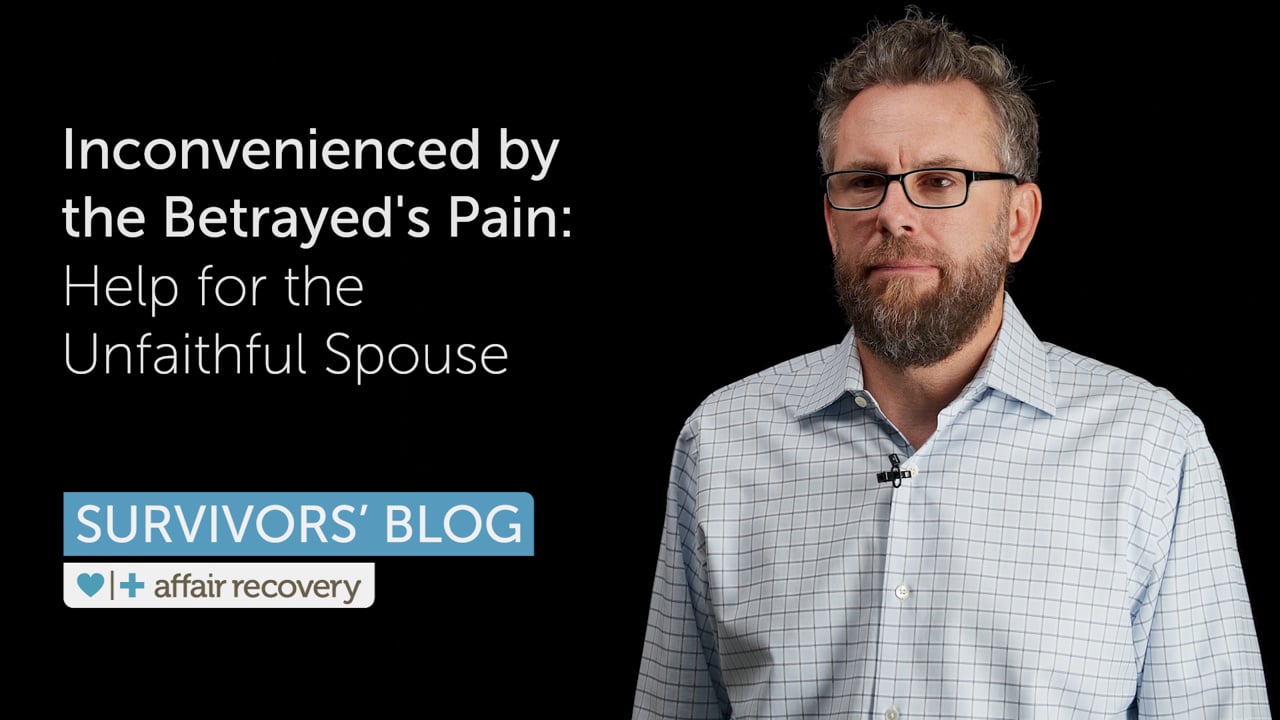
Samuel shares a critical mistake unfaithful spouses make which altogether endanger the marriage.
Continue reading →
Is It Normal?
When clients sit down in my office or at our EMS Weekend Intensives, I know they're looking for someone to make sense of the carnage they are walking through. The hopelessness in their voice is palpable, and their frustration is evident.
Part of why we do what we do is to help those in crisis find some semblance of normalcy, hope, and answers.
The amount of wrong information and bad advice out there for couples in crisis due to infidelity or addiction is not only frustrating but alarming. From inaccurate information to oversimplified steps to heal, a couple or individual can feel as though they are lost in the middle of a barren desert, following a map that leads to nowhere.
Those who participate in any of our Online Courses or EMS Intensives are provided with access to our members-only, private Q&A. Here, our members can post questions that either I or one of our…
Continue reading →
Understanding Why Marriage's Affected by Infidelity Are so Different: Hope for the Future
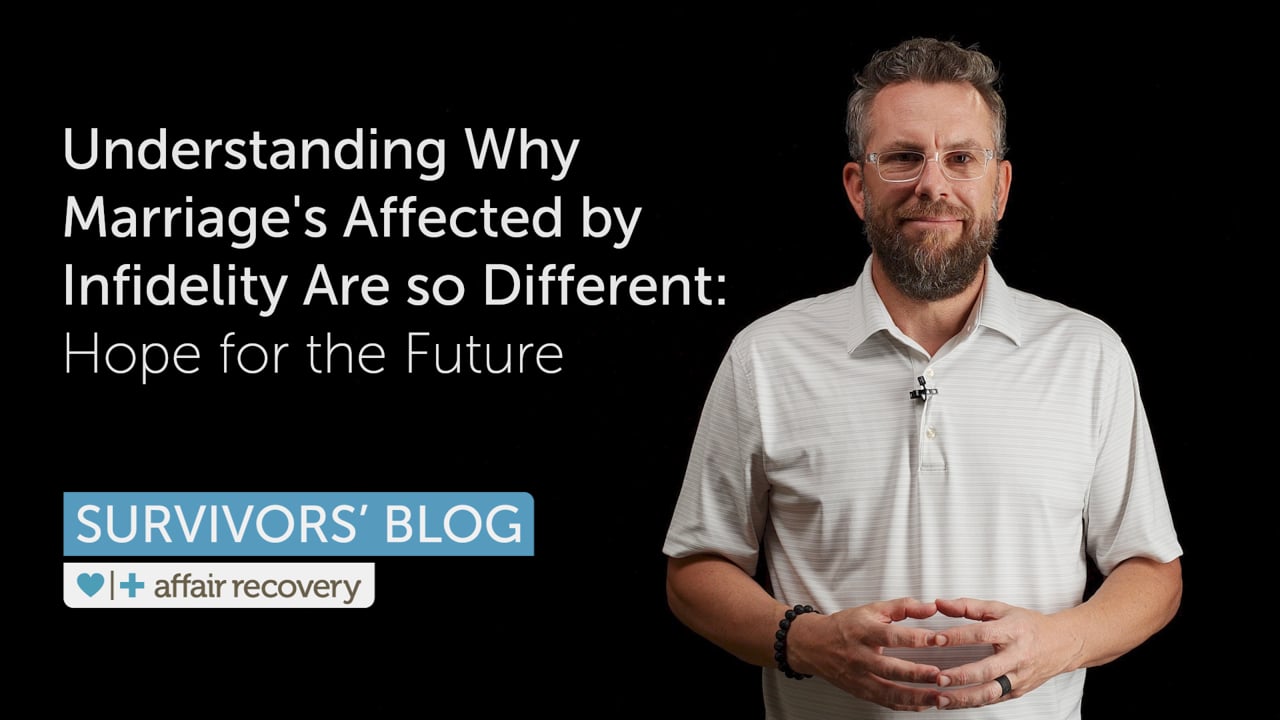
Samuel discusses why a marriage affected by infidelity or addiction can still be fulfilling and rewarding.
Continue reading →
Make Way For Healing
 My friend recently had a terrible burn accident while frying bacon. A stumble and the hot grease splashed across the palm and side of her hand. As an EMT, she knew she must douse the injury in cold water and clean it. And not just clean but rid the area of the skin that was peeled away. The pain was exquisite. A trip to emergency room quickly followed.
"Give me two minutes," the ER doctor pleaded. "You did a good job and the right thing in cleaning your burn, but I have to get the rest of the dead skin and debris so it won't get infected."
My friend knew he was right.
"You've been through childbirth?" He smiled wryly.
He was understating the pain of those two minutes. It seemed more like two years.
What is the metaphor here?
Healing from the worst trauma a person may ever experience–the betrayal of the one person they relied upon to protect them—is painful. It is no more welcome than having a burn deeply cleansed after a horrible accident.
Neither the betrayed nor the unfaithful likely had any notion of the severity of this deep attachment wound. Even the path to healing--the actual experience of dredging up all the ugly details, metabolizing the long-ranging effects on self, relationship and family and then talking it through ad nauseam for months, dealing with the neurologically-based trauma responses, the sleep disturbances–all of it is nothing short of painful. Sometimes very painful. Probably the worst emotional pain most will ever experience.
And it is vital.
To heal, you must make way for the new to grow. Tender, sensitive, unfamiliar new 'skin' will take the place of the damaged. The old marriage is dead, just as sure as those layers of injured skin. In an instant, your world has changed. Without warning you are plunged into deep unrelenting pain. And then to realize that you must attend to the wound through a process that will cause more pain? It is so unfair, so unwanted, never imagined nor courted.
Yet here you are in what has been referred to as hell on earth.
"I wouldn't wish this pain on my worst enemy."
The unfaithful are likely gobsmacked by the intensity of their betrayed spouse's pain, by the depth of their own shame and guilt, by it all.
And now, there is no choice.
If you want to heal. If you want your new life to be strong, it is going to take Herculean courage and tenacity. If you want your marriage to be rebirthed into a new, stronger life, it is going to be painful. Like childbirth, like the scraping of a wound to remove the offending, old, and dangerous.
You can heal. Whether or not you build a new marriage or part ways. Both of you can heal as individuals. If you want the marriage to rise like a phoenix from the ashes, you will have to BOTH come together for what will be a long period of hard discussions. The unfaithful must learn to hold the pain of their betrayed without defensiveness or anger. They must learn to validate their wounded partner's pain, to feel it, to empathize with it, and to repair it by becoming a changed, honest, person of integrity. Without these actions, there will not be relational healing. There will be pretending, limping along, ugly scars and more pain.
The betrayed must learn to open to the unfaithful and gain understanding and compassion for their unhealthy path: choosing what seemed like getting their needs met without the messiness of true intimacy. Infidelity is ultimately an intimacy disorder.
The betrayed must be open to seeing and feeling what it must be like to be so wounded, so lacking in intimacy skills, so unhealthy that everything loved in life is put at risk. This is not easy. It is incredibly painful.
Over and over and over again, both partners, if they want a chance to heal, must make room for entering and feeling the world of their partner. They must acknowledge. They must empathize.
Like my friend's hand, the wound will have to be tended for a long time. There will be pain.
The gauze bandages wound around my friend's hand were cumbersome, unfamiliar, burdensome, time-consuming, and a constant reminder of the burning-hot grease. Even when those bandages came off, that new, tender, pink skin was sensitive. The least brush or bump sent shock waves, triggered her pain receptors.
But the pain can be reduced. How? Empathy.
Slowly, ever so slowly—never fast enough—her body, her self-care, the support and care of her husband and family have brought her through. Slowly, slowly, over time, acknowledgement and care, her wound has healed. Her hand has returned to full function. Because she followed the prescriptive path of healing, her skin is smoother than that of her other hand. Stronger. Even better.
Could she have healed alone? Yes. As a strong, tenacious woman who was willing to take good care of herself, she would have healed. Did the love, support and empathy of her family help? Of course. Is she closer, more intimate with her spouse because of his empathy toward her and his supporting patient love? You bet.
The Unfaithful must choose to move past their shame and guilt and turn toward tending the pain of their wounded Betrayed if they want to heal the relationship. They MUST. It is imperative to relational healing. Both partners have a long path toward healing of self. Like a three-legged stool—self, partner and relationship–without each leg becoming strong, the stool will collapse. There will not be relational healing.
Make way for healing. Do the painful work of scraping away the unhealthy and damaged. Be patient. Healing takes enormous energy, care, and time. However, with these ingredients in place, healing will occur. There will be a stronger, wiser, more resilient 'you' down the road. If BOTH partners do their work and the work of repairing the relational wound, there will be a new "Us," a strong stool that will not topple.
To healing.
My friend recently had a terrible burn accident while frying bacon. A stumble and the hot grease splashed across the palm and side of her hand. As an EMT, she knew she must douse the injury in cold water and clean it. And not just clean but rid the area of the skin that was peeled away. The pain was exquisite. A trip to emergency room quickly followed.
"Give me two minutes," the ER doctor pleaded. "You did a good job and the right thing in cleaning your burn, but I have to get the rest of the dead skin and debris so it won't get infected."
My friend knew he was right.
"You've been through childbirth?" He smiled wryly.
He was understating the pain of those two minutes. It seemed more like two years.
What is the metaphor here?
Healing from the worst trauma a person may ever experience–the betrayal of the one person they relied upon to protect them—is painful. It is no more welcome than having a burn deeply cleansed after a horrible accident.
Neither the betrayed nor the unfaithful likely had any notion of the severity of this deep attachment wound. Even the path to healing--the actual experience of dredging up all the ugly details, metabolizing the long-ranging effects on self, relationship and family and then talking it through ad nauseam for months, dealing with the neurologically-based trauma responses, the sleep disturbances–all of it is nothing short of painful. Sometimes very painful. Probably the worst emotional pain most will ever experience.
And it is vital.
To heal, you must make way for the new to grow. Tender, sensitive, unfamiliar new 'skin' will take the place of the damaged. The old marriage is dead, just as sure as those layers of injured skin. In an instant, your world has changed. Without warning you are plunged into deep unrelenting pain. And then to realize that you must attend to the wound through a process that will cause more pain? It is so unfair, so unwanted, never imagined nor courted.
Yet here you are in what has been referred to as hell on earth.
"I wouldn't wish this pain on my worst enemy."
The unfaithful are likely gobsmacked by the intensity of their betrayed spouse's pain, by the depth of their own shame and guilt, by it all.
And now, there is no choice.
If you want to heal. If you want your new life to be strong, it is going to take Herculean courage and tenacity. If you want your marriage to be rebirthed into a new, stronger life, it is going to be painful. Like childbirth, like the scraping of a wound to remove the offending, old, and dangerous.
You can heal. Whether or not you build a new marriage or part ways. Both of you can heal as individuals. If you want the marriage to rise like a phoenix from the ashes, you will have to BOTH come together for what will be a long period of hard discussions. The unfaithful must learn to hold the pain of their betrayed without defensiveness or anger. They must learn to validate their wounded partner's pain, to feel it, to empathize with it, and to repair it by becoming a changed, honest, person of integrity. Without these actions, there will not be relational healing. There will be pretending, limping along, ugly scars and more pain.
The betrayed must learn to open to the unfaithful and gain understanding and compassion for their unhealthy path: choosing what seemed like getting their needs met without the messiness of true intimacy. Infidelity is ultimately an intimacy disorder.
The betrayed must be open to seeing and feeling what it must be like to be so wounded, so lacking in intimacy skills, so unhealthy that everything loved in life is put at risk. This is not easy. It is incredibly painful.
Over and over and over again, both partners, if they want a chance to heal, must make room for entering and feeling the world of their partner. They must acknowledge. They must empathize.
Like my friend's hand, the wound will have to be tended for a long time. There will be pain.
The gauze bandages wound around my friend's hand were cumbersome, unfamiliar, burdensome, time-consuming, and a constant reminder of the burning-hot grease. Even when those bandages came off, that new, tender, pink skin was sensitive. The least brush or bump sent shock waves, triggered her pain receptors.
But the pain can be reduced. How? Empathy.
Slowly, ever so slowly—never fast enough—her body, her self-care, the support and care of her husband and family have brought her through. Slowly, slowly, over time, acknowledgement and care, her wound has healed. Her hand has returned to full function. Because she followed the prescriptive path of healing, her skin is smoother than that of her other hand. Stronger. Even better.
Could she have healed alone? Yes. As a strong, tenacious woman who was willing to take good care of herself, she would have healed. Did the love, support and empathy of her family help? Of course. Is she closer, more intimate with her spouse because of his empathy toward her and his supporting patient love? You bet.
The Unfaithful must choose to move past their shame and guilt and turn toward tending the pain of their wounded Betrayed if they want to heal the relationship. They MUST. It is imperative to relational healing. Both partners have a long path toward healing of self. Like a three-legged stool—self, partner and relationship–without each leg becoming strong, the stool will collapse. There will not be relational healing.
Make way for healing. Do the painful work of scraping away the unhealthy and damaged. Be patient. Healing takes enormous energy, care, and time. However, with these ingredients in place, healing will occur. There will be a stronger, wiser, more resilient 'you' down the road. If BOTH partners do their work and the work of repairing the relational wound, there will be a new "Us," a strong stool that will not topple.
To healing.
My friend recently had a terrible burn accident while frying bacon. A stumble and the hot grease splashed across the palm and side of her hand. As an EMT, she knew she must douse the injury in cold water and clean it. And not just clean but rid the area of the skin that was peeled away. The pain was exquisite. A trip to emergency room quickly followed.
"Give me two minutes," the ER doctor pleaded. "You did a good job and the right thing in cleaning your burn, but I have to get the rest of the dead skin and debris so it won't get infected."
My friend knew he was right.
"You've been through childbirth?" He smiled wryly.
He was understating the pain of those two minutes. It seemed more like two years.
What is the metaphor here?
Healing from the worst trauma a person may ever experience–the betrayal of the one person they relied upon to protect them—is painful. It is…
Continue reading →
Infidelity or Addiction Requires an Entirely New Playbook: Hope for Those in Crisis Due to Infidelity
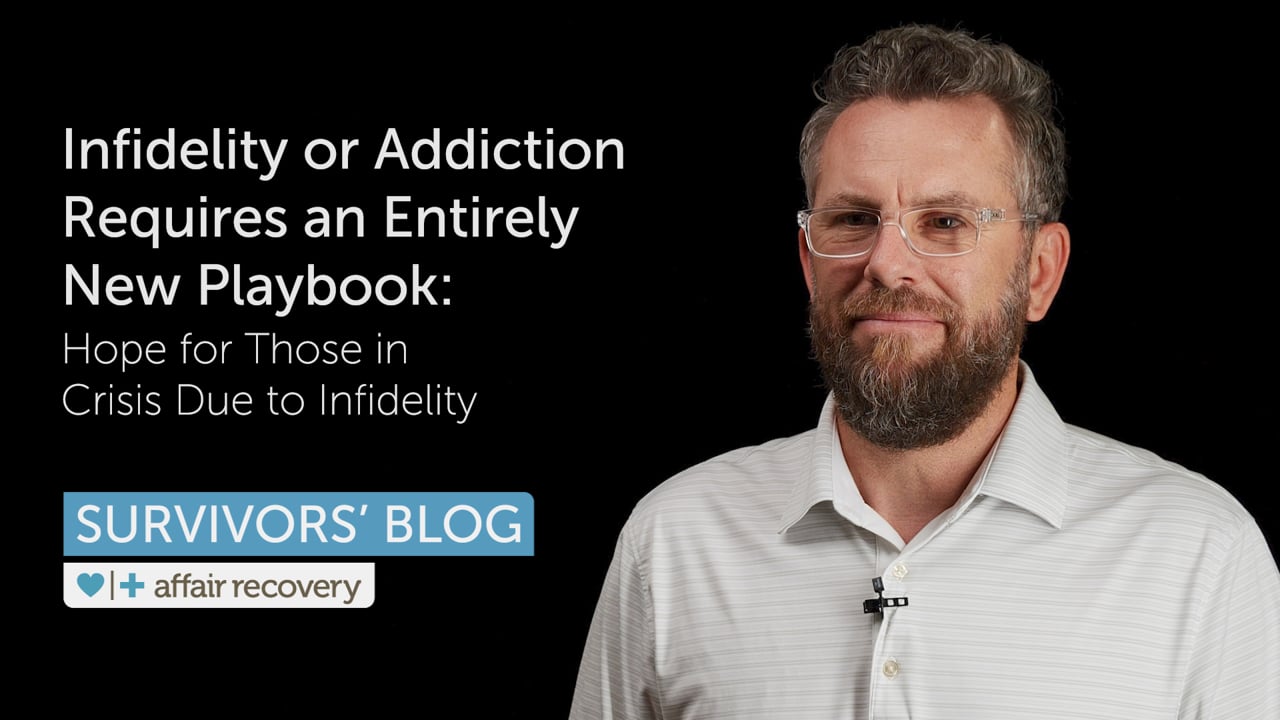
Samuel discusses long term vision for couples trying to heal from infidelity and addiction.
Continue reading →
When the Betrayed Finds out What the Unfaithful Has Already Known: The Disclosure Process
Samuel shares insight into a challenging part of the disclosure process.
Continue reading →
Proper Affair Recovery Requires Addressing the Many Layers of Betrayal
Samuel discusses why many mistakes are made in the attempt to heal from infidelity or addiction.
Continue reading →
Interview with an Expert: How Childhood Messages Can Cause Infidelity or Addiction
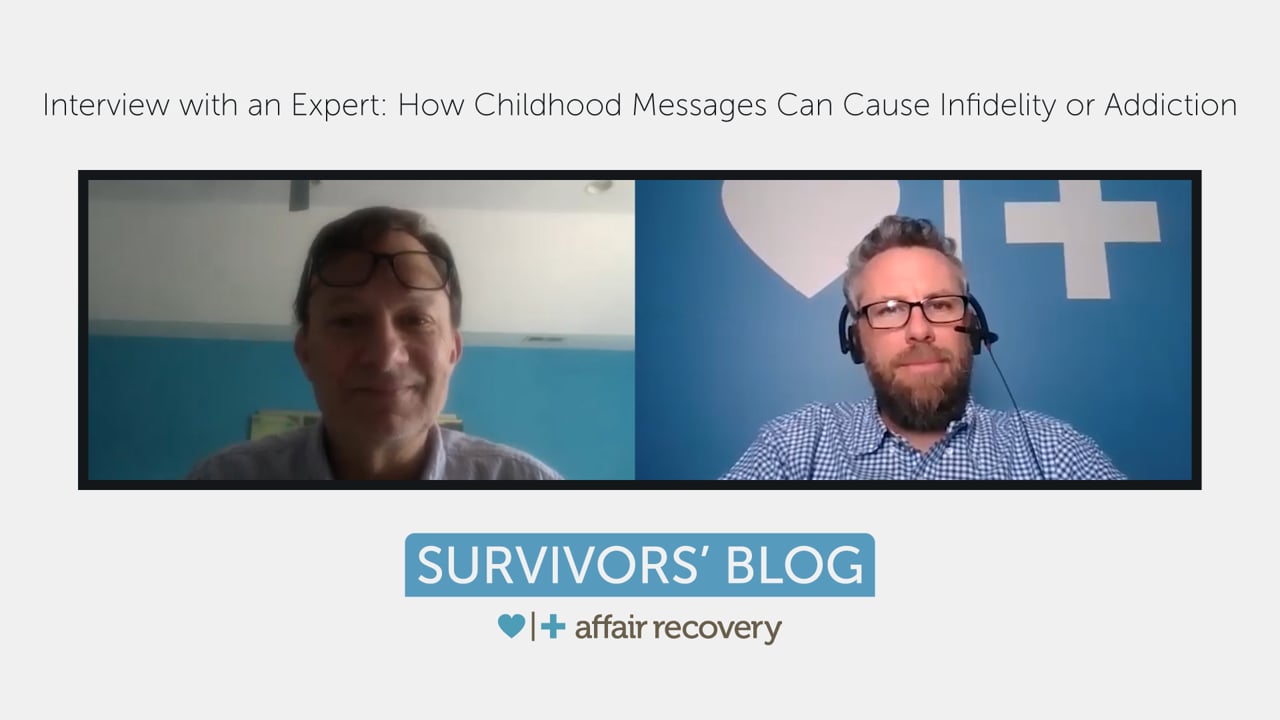
Samuel interviews best selling author Thomas Gagliano and discusses self sabotage, infidelity and addiction.
Continue reading →
A Pivotal Mistake Couples Make after Disclosure of an Affair: When to Get Help?
Samuel tackles a tough but needed conversation about when to actually get help after infidelity.
Continue reading →
How to Avoid Disconnection after an Affair
Samuel discusses how to build bridges with both unfaithful and betrayed spouses.
Continue reading →
Painting By Number: The Recovery Process
 "You have to trust the process."
I've heard this mantra of sorts from many research-based and well-respected betrayal recovery sources. It is the very backbone and lifeblood of expert help such as what is offered through Affair Recovery's Programs and Courses. It is so hard to do when your heart is shattered into a million fragmented pieces, and all you want, all you need, is to escape the horrendous pain. A pain like no other.
There are many necessary elements of successful recovery. Just as there are many spaces on the canvas of a paint by number. When you look at them up close, they appear to be oddly-shaped islands in a sea of other strange shapes. Or they could be compared to jigsaw puzzle pieces: when observed apart from the others, they are just weird shapes without congruent meaning.
I have found that the road to recovery is much like trying to make sense out of a million little pieces.
"Why do I have to do all this self-care work, reading, therapy, workshops, blogging, podcast listening, etc., etc., etc.? I'm not the one who caused this chaos."
The refrain of every victim of crime or injustice rings down through the eons. We who have been cheated on are, indeed, victims of injustice. We did not ask and do not deserve to be in this position.
But here we are.
We will never have a better past. That leaves the only realistic choice. To move forward. But how?
Acceptance.
Herein lies the wisdom of those who have walked this path before us, those who have dedicated their lives to helping other heal from the same wounds, whose scars remain on their hearts. We who have survived, in this case, intimate betrayal, are the most powerful sources of compassion and empathy. Those who have chosen to make their mess their message and studied the proven process of healing so as to be a guiding light on the pathway forward, are full of supportive hard-earned wisdom and care. Those individuals can help us take each piece of evidence-based wisdom and learn how to fit them into our own situation.
When I am painting by number, I focus on each weirdly-shaped area. I carefully choose the right sized brush as my tool. I follow the directions scrawled on the canvas. I check and recheck to be sure I have the correct color to apply to the correct 'piece'. I carefully apply the paint in patience. I work the canvas like a puzzle. Even when I sit back and look at my progress it can appear distorted. I can get discouraged, especially if I look at the whole too often. It can seem overwhelming, like a weird concoction of colored blobs that will never make sense, let alone create something of beauty.
It has been my experience that if I follow the path—the directions—with patience and persistence, if I suspend judgement, if I am tenacious, careful and committed, I will eventually have a beautiful, painted picture. It has happened every time. Even when the painting still looks odd when viewed up close. Even if the colors were not what I would have chosen or expected. When they come together in the chorus of the finished product, they are surprisingly, rewardingly beautiful. Every time.
So too is this path toward healing from betrayal trauma. If I grow impatient, or cannot see how this mess will ever come together into a semblance of a new beautiful life, I remind myself of my painting. I remind myself of all the thousands of couples who have walked through the valley of the death of their marriage from infidelity. (For, no matter if you remain together or split up, that pre-disclosure marriage is dead. No way to put the genie of innocence back in that bottle. You wouldn't want the disfunction of that marriage anyway. It is gone, done, passed.)
It is up to each of us–unfaithful and betrayed–to commit to the process, work with diligent intention and consummate patience toward that day when we can stand back and look at our new life and smile. We can make something new, something never seen by us before, something we could not have ever imagined—a good, new life. Contentment. Serenity.
Together or apart, we can heal and become whole.
"You have to trust the process."
I've heard this mantra of sorts from many research-based and well-respected betrayal recovery sources. It is the very backbone and lifeblood of expert help such as what is offered through Affair Recovery's Programs and Courses. It is so hard to do when your heart is shattered into a million fragmented pieces, and all you want, all you need, is to escape the horrendous pain. A pain like no other.
There are many necessary elements of successful recovery. Just as there are many spaces on the canvas of a paint by number. When you look at them up close, they appear to be oddly-shaped islands in a sea of other strange shapes. Or they could be compared to jigsaw puzzle pieces: when observed apart from the others, they are just weird shapes without congruent meaning.
I have found that the road to recovery is much like trying to make sense out of a million little pieces.
"Why do I have to do all this self-care work, reading, therapy, workshops, blogging, podcast listening, etc., etc., etc.? I'm not the one who caused this chaos."
The refrain of every victim of crime or injustice rings down through the eons. We who have been cheated on are, indeed, victims of injustice. We did not ask and do not deserve to be in this position.
But here we are.
We will never have a better past. That leaves the only realistic choice. To move forward. But how?
Acceptance.
Herein lies the wisdom of those who have walked this path before us, those who have dedicated their lives to helping other heal from the same wounds, whose scars remain on their hearts. We who have survived, in this case, intimate betrayal, are the most powerful sources of compassion and empathy. Those who have chosen to make their mess their message and studied the proven process of healing so as to be a guiding light on the pathway forward, are full of supportive hard-earned wisdom and care. Those individuals can help us take each piece of evidence-based wisdom and learn how to fit them into our own situation.
When I am painting by number, I focus on each weirdly-shaped area. I carefully choose the right sized brush as my tool. I follow the directions scrawled on the canvas. I check and recheck to be sure I have the correct color to apply to the correct 'piece'. I carefully apply the paint in patience. I work the canvas like a puzzle. Even when I sit back and look at my progress it can appear distorted. I can get discouraged, especially if I look at the whole too often. It can seem overwhelming, like a weird concoction of colored blobs that will never make sense, let alone create something of beauty.
It has been my experience that if I follow the path—the directions—with patience and persistence, if I suspend judgement, if I am tenacious, careful and committed, I will eventually have a beautiful, painted picture. It has happened every time. Even when the painting still looks odd when viewed up close. Even if the colors were not what I would have chosen or expected. When they come together in the chorus of the finished product, they are surprisingly, rewardingly beautiful. Every time.
So too is this path toward healing from betrayal trauma. If I grow impatient, or cannot see how this mess will ever come together into a semblance of a new beautiful life, I remind myself of my painting. I remind myself of all the thousands of couples who have walked through the valley of the death of their marriage from infidelity. (For, no matter if you remain together or split up, that pre-disclosure marriage is dead. No way to put the genie of innocence back in that bottle. You wouldn't want the disfunction of that marriage anyway. It is gone, done, passed.)
It is up to each of us–unfaithful and betrayed–to commit to the process, work with diligent intention and consummate patience toward that day when we can stand back and look at our new life and smile. We can make something new, something never seen by us before, something we could not have ever imagined—a good, new life. Contentment. Serenity.
Together or apart, we can heal and become whole.
"You have to trust the process."
I've heard this mantra of sorts from many research-based and well-respected betrayal recovery sources. It is the very backbone and lifeblood of expert help such as what is offered through Affair Recovery's Programs and Courses. It is so hard to do when your heart is shattered into a million fragmented pieces, and all you want, all you need, is to escape the horrendous pain. A pain like no other.
There are many necessary elements of successful recovery. Just as there are many spaces on the canvas of a paint by number. When you look at them up close, they appear to be oddly-shaped islands in a sea of other strange shapes. Or they could be compared to jigsaw puzzle pieces: when observed apart from the others, they are just weird shapes without congruent meaning.
I have found that the road to recovery is much like trying to make sense out of…
Continue reading →
Minimizing Chaos & Hopelessness: Don't Make Your Own Affair Recovery Worse by Making This Mistake
Samuel discusses one of the worst mistakes he made in his own recovery early on.
Continue reading →
"I Was Living in Denial" - An Interview With a Betrayed Male Spouse
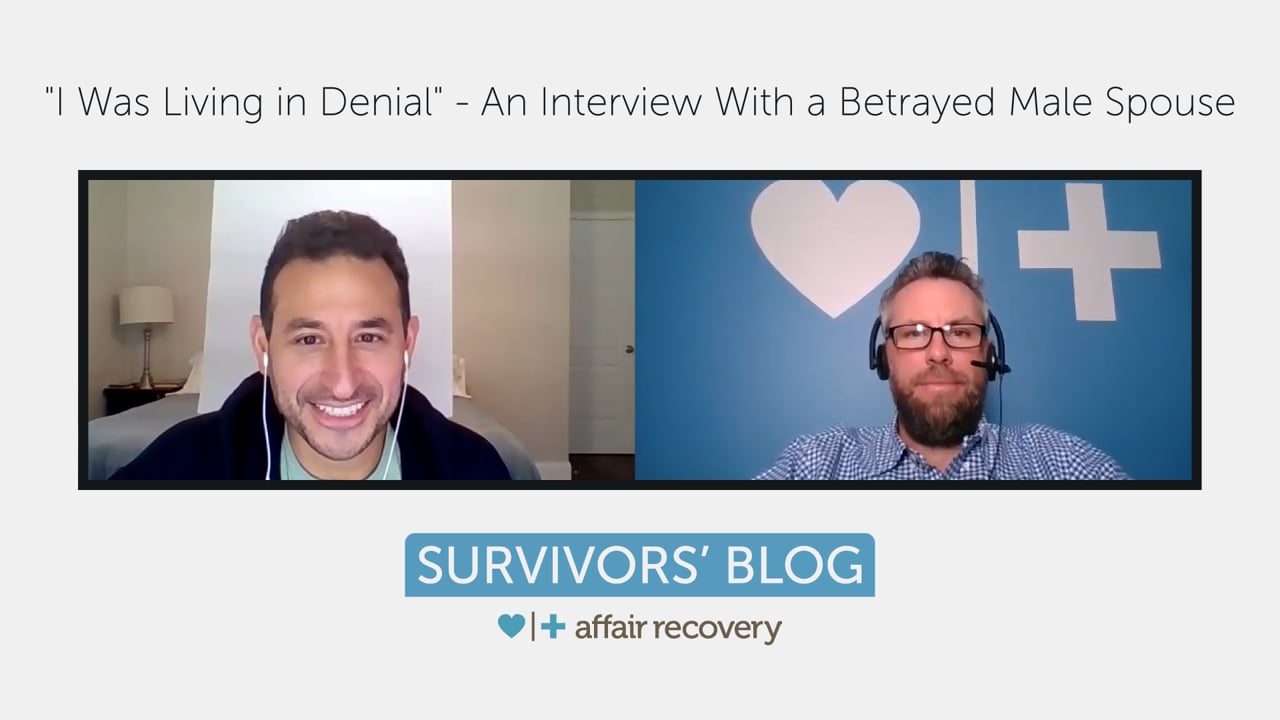
Samuel interviews a betrayed male spouse who shares his journey of overcoming denial and comparison.
Continue reading →
What If Your Betrayed Spouse Is Testing You? Tips on Surviving Infidelity after Disclosure
Samuel provides help for those who feel as though their betrayed spouse is testing them.
Continue reading →
Infidelity and Discovery: Does It Matter If the Unfaithful Spouse Came Clean on Their Own or Was Caught?
Samuel answers a question many betrayed spouse have asked themselves regarding the future of their relationship after infidelity is discovered.
Continue reading →
One of the Main Reasons Betrayed Spouses Can Feel Angry, Isolated, and Hopeless during Counseling
Samuel shares insight into one of the biggest mistakes made when helping betrayed spouses.
Continue reading →
Ambivalence Isn't Always the End of the Marriage: Help for Those in Crisis Due to Infidelity
When couples face ambivalence in either spouse it can seem like the end, when in fact, it can be positive for the relationship.
Continue reading →
Where Do We Go from Here? Hope for the Couple or Divorcee after Infidelity
Samuel shares long term insight and hope for couples and individuals trying to heal.
Continue reading →
Life Is Like A Peanut Butter Cookie
 I recently made this family favorite. The first two batches came out perfectly. On the third and final batch, the kitchen timer did not go off. I use this timer for all sorts of cooking and baking projects. It is the type where you rotate the dial past the time you want and turn back to the exact number of minutes desired. It ticks like a time bomb and rings as a school bell at day's end.
My internal timer went off before I smelled burning, but the cookies were definitely a few moments past the point of no return.
What's this metaphor got to do with life and infidelity recovery?
Just this: even when we, the betrayed, have used our best ingredients from the supermarket, when we have followed—carefully and with lots of love—the recipe for cookies (or life), sometimes the timer doesn't work, and the cookies don't turn out.
There is joy in the doing because we know we will enjoy the cookies, and so will our family. We set the trusty timer, put the cookies in preheated oven and continue to go about our life at earshot of the timer's brrrriiiiiinnnnngggg. But it never comes. And we're left with burnt cookies.
Was it a mistake to count on the timer's reliability when it had not been unreliable in the past?
Perhaps the most doubtful baker would keep an eye on her wristwatch to be sure that the timer goes off. Or maybe those of us who have had timers fail us in the past would be more likely to use the backup plan.
Regardless, our cookies have been burnt.
Our marriage as we knew it is over. It will never be the same. Even if we are fortunate enough to have a spouse who eventually takes full responsibility, makes amends on an ongoing basis, and becomes the person we thought we married (or better!), we might never trust completely, tenderly, innocently again. We will never have a marriage untainted by betrayal. We have been changed down to a cellular level.1
It's an end, a loss, and it's sad—like saying goodbye to our kindergartner on his first day is difficult and heartrending, like tossing the final rose on the coffin of a parent or beloved friend is unimaginably painful. Endings can be anything from bittersweet to just plain awful. Grief. Sucks.
Sure, there are those first two batches of sweet, delightful memories. But this dark, bitter batch leaves an aftertaste in our mouth, even if it is still edible. We never want to go there again.
We have been burned—badly. About as deeply and painfully as any experience in life. Infidelity changes you.
The next time I make peanut butter cookies, even if my timer has resumed its apparent reliability, I will be more careful, more watchful, use a backup plan. Even if I was to throw out the old timer and get a new one, I would be reminded to be careful. I would not trust completely, perhaps for a long time—maybe forever—that the timer wouldn't fail me. I am more clear-eyed, more realistic, more mature.
We will surely and truly never be the same.
We will be wiser, more careful, less trusting. We will also be more appreciative of all the batches of cookies that are to come. We are grateful for the timer and even more grateful for the sweet results. We have been forewarned. No timer, no man, no woman is failsafe. We can do everything right but still have those we rely on fail us.
It is part of life: Disappointment. Death. Birth. Growth after betrayal. Growth after the longest winter of discontent.
There is hope. As we grieve the losses, as our formerly unfaithful repairs, as we invest in listening, empathy and compassion, we can once again grow as individuals and as a couple. We can also choose to use this as an opportunity to grow, regardless of the outcome of our marriage, to be even better, stronger, wiser.
Would I ever consider quitting my love of baking because I had a bad batch or even a season of oven failures? No. Love and cookies are too important, too vitally special to me and my life. Even if our post-pandemic world looks different, even if we are fundamentally changed by disappointments and losses, we can grow into more loving and compassionate human beings. We can choose gratitude for all the blessing of this life.
We can savor the fruits, the cookies, of our labors again if we let ourselves risk failure. We all risk when we love. We all risk every day when we get out of bed in the morning. Life is inherently risky, especially if we have the courage to reach for our dreams, if we choose to love. We all risk for what is good. We all hurt when what was good disappoints us. Especially when we did everything we could to make it right.
But peanut butter cookies—and love—are worth it.
See The Body Keeps Score by Bessel van der Kolk for more information
I recently made this family favorite. The first two batches came out perfectly. On the third and final batch, the kitchen timer did not go off. I use this timer for all sorts of cooking and baking projects. It is the type where you rotate the dial past the time you want and turn back to the exact number of minutes desired. It ticks like a time bomb and rings as a school bell at day's end.
My internal timer went off before I smelled burning, but the cookies were definitely a few moments past the point of no return.
What's this metaphor got to do with life and infidelity recovery?
Just this: even when we, the betrayed, have used our best ingredients from the supermarket, when we have followed—carefully and with lots of love—the recipe for cookies (or life), sometimes the timer doesn't work, and the cookies don't turn out.
There is joy in the doing because we know we will enjoy the cookies, and so will our family. We set the trusty timer, put the cookies in preheated oven and continue to go about our life at earshot of the timer's brrrriiiiiinnnnngggg. But it never comes. And we're left with burnt cookies.
Was it a mistake to count on the timer's reliability when it had not been unreliable in the past?
Perhaps the most doubtful baker would keep an eye on her wristwatch to be sure that the timer goes off. Or maybe those of us who have had timers fail us in the past would be more likely to use the backup plan.
Regardless, our cookies have been burnt.
Our marriage as we knew it is over. It will never be the same. Even if we are fortunate enough to have a spouse who eventually takes full responsibility, makes amends on an ongoing basis, and becomes the person we thought we married (or better!), we might never trust completely, tenderly, innocently again. We will never have a marriage untainted by betrayal. We have been changed down to a cellular level.1
It's an end, a loss, and it's sad—like saying goodbye to our kindergartner on his first day is difficult and heartrending, like tossing the final rose on the coffin of a parent or beloved friend is unimaginably painful. Endings can be anything from bittersweet to just plain awful. Grief. Sucks.
Sure, there are those first two batches of sweet, delightful memories. But this dark, bitter batch leaves an aftertaste in our mouth, even if it is still edible. We never want to go there again.
We have been burned—badly. About as deeply and painfully as any experience in life. Infidelity changes you.
The next time I make peanut butter cookies, even if my timer has resumed its apparent reliability, I will be more careful, more watchful, use a backup plan. Even if I was to throw out the old timer and get a new one, I would be reminded to be careful. I would not trust completely, perhaps for a long time—maybe forever—that the timer wouldn't fail me. I am more clear-eyed, more realistic, more mature.
We will surely and truly never be the same.
We will be wiser, more careful, less trusting. We will also be more appreciative of all the batches of cookies that are to come. We are grateful for the timer and even more grateful for the sweet results. We have been forewarned. No timer, no man, no woman is failsafe. We can do everything right but still have those we rely on fail us.
It is part of life: Disappointment. Death. Birth. Growth after betrayal. Growth after the longest winter of discontent.
There is hope. As we grieve the losses, as our formerly unfaithful repairs, as we invest in listening, empathy and compassion, we can once again grow as individuals and as a couple. We can also choose to use this as an opportunity to grow, regardless of the outcome of our marriage, to be even better, stronger, wiser.
Would I ever consider quitting my love of baking because I had a bad batch or even a season of oven failures? No. Love and cookies are too important, too vitally special to me and my life. Even if our post-pandemic world looks different, even if we are fundamentally changed by disappointments and losses, we can grow into more loving and compassionate human beings. We can choose gratitude for all the blessing of this life.
We can savor the fruits, the cookies, of our labors again if we let ourselves risk failure. We all risk when we love. We all risk every day when we get out of bed in the morning. Life is inherently risky, especially if we have the courage to reach for our dreams, if we choose to love. We all risk for what is good. We all hurt when what was good disappoints us. Especially when we did everything we could to make it right.
But peanut butter cookies—and love—are worth it.
See The Body Keeps Score by Bessel van der Kolk for more information
I recently made this family favorite. The first two batches came out perfectly. On the third and final batch, the kitchen timer did not go off. I use this timer for all sorts of cooking and baking projects. It is the type where you rotate the dial past the time you want and turn back to the exact number of minutes desired. It ticks like a time bomb and rings as a school bell at day's end.
My internal timer went off before I smelled burning, but the cookies were definitely a few moments past the point of no return.
What's this metaphor got to do with life and infidelity recovery?
Just this: even when we, the betrayed, have used our best ingredients from the supermarket, when we have followed—carefully and with lots of love—the recipe for cookies (or life), sometimes the timer doesn't work, and the cookies don't turn out.
There is joy in the doing because we know we…
Continue reading →
Understanding Why Frustration Is so Problematic: Help for the Betrayed and Unfaithful Spouse
Samuel provides necessary support for couples who are trying to heal from infidelity.
Continue reading →
Can an Unfaithful or Betrayed Spouse Change after Infidelity?
Samuel answers a viewer question about whether or not a spouse can really change after infidelity.
Continue reading →
What Does the Betrayed Do When the Unfaithful Moves on without Them?
Samuel discusses what actions a betrayed spouse can take when the unfaithful refuses to end the affair.
Continue reading →
Surviving Infidelity: One of the Most Important Strategies for Couples or Individuals to Get Their Life Back
Samuel shares a powerful and effective tool for individuals on both sides of infidelity to heal.
Continue reading →
A Strategy on How to Diffuse from Reminders, Triggers, and Emotional Flooding after Infidelity
Samuel provides a strategy for those trying to manage triggers and intrusive thoughts after disclosure.
Continue reading →
Hope During the COVID-19 Crisis ...and our favorite memes
We want to support you during this Coronavirus pandemic. First, we must acknowledge how difficult it is, and how much courage it requires, to continue infidelity recovery work during this crisis. While there are many helpful practices you can do at home during this time of social distancing, the truth is that we all need community and connection with people who get what we’re going through. We have that community here for you.
What we’re doing to help:
EMS Weekend is going virtual!
Since travel is not allowed, we’re bringing the entire life-changing EMS Weekend experience to our participants at home. Go here to learn how, and about the $1,000 discount.
Our Online Small Group Courses are proving to be a lifeline for thousands of people each week during this pandemic.
They’re not only breaking new enrollment records;…
Continue reading →
Surviving Infidelity: Four Ways to Help a Betrayed Spouse See the Unfaithful Spouse Differently
Samuel shares important key principles to repair the lens a betrayed spouse sees their unfaithful partner through.
Continue reading →
How to Heal from Infidelity: What If It Was Just an Emotional Affair?
Samuel discusses emotional vs physical affairs and the impact emotional affairs have on betrayed spouses.
Continue reading →
Three Tips for Surviving Betrayal Trauma: The Aftermath of Infidelity and the Corona-virus
Samuel discusses how to navigate trauma in light of recent world events.
Continue reading →
Understanding Infidelity: How Long Will the Betrayed Spouse Be so Angry?
Samuel discusses anger, the betrayed spouse, and what the unfaithful can do to mitigate that anger.
Continue reading →
Making Amends vs. Apologizing
 What do the words 'I'm sorry' really mean? They are used so frequently that they don't seem to carry much weight. If you are like me, however, they are the first thing we mutter when we realize we have made a mistake or done something wrong. When it comes to the pain of infidelity, the words 'I'm sorry' have to feel downright insulting to a betrayed spouse. As they should, because it isn't enough. The truth of the matter is, it will never be enough to undo the damage that is caused by breaking marital vows and by the deception that comes with being unfaithful.
'I'm sorry' is something we say when we bump into someone accidently or something we offer when we are running late. Most of the time, just uttering 'I'm sorry' comes across as selfish, because it has more to do with ourselves than what we did to the other person.
This brings us to amends. What is an amend?
For starters, amends are much different than saying 'I'm sorry.'
Amends cannot solve the problem of infidelity, but they differ from an apology in that they are a stepping stone on a different path. Amends are the ways we, as unfaithful spouses, start the process of understanding what we have done and beginning to change course.
Here are some additional thoughts on what an amend is and what it is not.
Making amends is a lifestyle, not a one-time choice. It is about the beginning of becoming a new person. This will require that we not just hit repeat on the amend we are trying to make on any given day but, instead, commit to a process of letting our hearts be turned inside out and seeing our spouse with new eyes.
Amends require discipline and consistency. My favorite definition of discipline is deciding what you want most instead of what you want right now. I sometimes struggle with a "right now" mentality. I confess that I still get caught up in what will make me feel better instead of what will help me to be better. Making amends must be done with a long-term vision, not for short-term satisfaction. Seeking short-term satisfaction is what got us into trouble in the first place.
An amend is not a confession. While confessing what we have done is important, it is not the same as making amends. Confession is still about us, the pain we caused, and the details of our brokenness and sin. If we are standing on opposite sides of a river, confession is on one side, where we are. The hurt party is on the other side. To make an amend is to take the first step across the bridge in order to see and reach out to the person we have hurt by our choices.
Here are some ways that I have tried to avoid making amends. Perhaps they will resonate with you as well:
In the midst of a painful conversation, I will shut down and cry. My tears will tell me that I am hurt and being vulnerable, but I often need to give more. As a woman, I find it difficult in these moments to rise up and be strong. Instead of saying what needs to be said, I let my tears speak, and they confuse my spouse even further. I cannot confuse my shedding of tears with making amends. While my tears demonstrate the attitude and posture of my softening heart, they don't take the place of real words, which my husband needs. He is not a mind reader, and my tears, while important, can never take the place of saying what I need to say.
I confess that I have used sex in ways that aren't helpful in our marriage. I need to look at this area more closely, even as I type it, but it is a starting point and a confession that I have not always gotten this area right.
I have had the tendency to over-apologize and take too much responsibility, instead of carefully looking at what shortcomings I actually need to own. This is a blanket attempt to not do the careful moral inventory that is necessary for recovery. I think it far better that I sometimes say nothing instead of filling the space with half-hearted attempts at over-apologizing.
Keep growing.
To Healing,
Elizabeth
What do the words 'I'm sorry' really mean? They are used so frequently that they don't seem to carry much weight. If you are like me, however, they are the first thing we mutter when we realize we have made a mistake or done something wrong. When it comes to the pain of infidelity, the words 'I'm sorry' have to feel downright insulting to a betrayed spouse. As they should, because it isn't enough. The truth of the matter is, it will never be enough to undo the damage that is caused by breaking marital vows and by the deception that comes with being unfaithful.
'I'm sorry' is something we say when we bump into someone accidently or something we offer when we are running late. Most of the time, just uttering 'I'm sorry' comes across as selfish, because it has more to do with ourselves than what we did to the other person.
This brings us to amends. What is an amend?
For starters, amends are much different than saying 'I'm sorry.'
Amends cannot solve the problem of infidelity, but they differ from an apology in that they are a stepping stone on a different path. Amends are the ways we, as unfaithful spouses, start the process of understanding what we have done and beginning to change course.
Here are some additional thoughts on what an amend is and what it is not.
Making amends is a lifestyle, not a one-time choice. It is about the beginning of becoming a new person. This will require that we not just hit repeat on the amend we are trying to make on any given day but, instead, commit to a process of letting our hearts be turned inside out and seeing our spouse with new eyes.
Amends require discipline and consistency. My favorite definition of discipline is deciding what you want most instead of what you want right now. I sometimes struggle with a "right now" mentality. I confess that I still get caught up in what will make me feel better instead of what will help me to be better. Making amends must be done with a long-term vision, not for short-term satisfaction. Seeking short-term satisfaction is what got us into trouble in the first place.
An amend is not a confession. While confessing what we have done is important, it is not the same as making amends. Confession is still about us, the pain we caused, and the details of our brokenness and sin. If we are standing on opposite sides of a river, confession is on one side, where we are. The hurt party is on the other side. To make an amend is to take the first step across the bridge in order to see and reach out to the person we have hurt by our choices.
Here are some ways that I have tried to avoid making amends. Perhaps they will resonate with you as well:
In the midst of a painful conversation, I will shut down and cry. My tears will tell me that I am hurt and being vulnerable, but I often need to give more. As a woman, I find it difficult in these moments to rise up and be strong. Instead of saying what needs to be said, I let my tears speak, and they confuse my spouse even further. I cannot confuse my shedding of tears with making amends. While my tears demonstrate the attitude and posture of my softening heart, they don't take the place of real words, which my husband needs. He is not a mind reader, and my tears, while important, can never take the place of saying what I need to say.
I confess that I have used sex in ways that aren't helpful in our marriage. I need to look at this area more closely, even as I type it, but it is a starting point and a confession that I have not always gotten this area right.
I have had the tendency to over-apologize and take too much responsibility, instead of carefully looking at what shortcomings I actually need to own. This is a blanket attempt to not do the careful moral inventory that is necessary for recovery. I think it far better that I sometimes say nothing instead of filling the space with half-hearted attempts at over-apologizing.
Keep growing.
To Healing,
Elizabeth
What do the words 'I'm sorry' really mean? They are used so frequently that they don't seem to carry much weight. If you are like me, however, they are the first thing we mutter when we realize we have made a mistake or done something wrong. When it comes to the pain of infidelity, the words 'I'm sorry' have to feel downright insulting to a betrayed spouse. As they should, because it isn't enough. The truth of the matter is, it will never be enough to undo the damage that is caused by breaking marital vows and by the deception that comes with being unfaithful.
'I'm sorry' is something we say when we bump into someone accidently or something we offer when we are running late. Most of the time, just uttering 'I'm sorry' comes across as selfish, because it has more to do with ourselves than what we did to the other person.
This brings us to amends. What is an amend?
For…
Continue reading →
