Affair Recovery Steps: 5 Ways to Overcome Your Past and Write a New Story
Registration for EMS Online Opens Soon!
Spots fill up quickly, so you won't want to wait to register for our Emergency Marital Seminar Online. Better known as EMSO, this 13-week course has helped thousands of couples rebuild their relationships and restore their lives after infidelity.
Subscribe to Registration Notifications!
The other day, I had someone reach out to me and say, "Sam, what are we to do now? How do we not, I hate to say it, end up like you?" I said, "Well, there are some things you can and should do in recovery." Today, I want to share some of those affair recovery steps with you, and I want to help you right where you're at.
I know this journey can be daunting and disorienting for some of you. I get that; I absolutely understand that. But there is hope for…
Continue reading →
The Importance of Owning Our Choices and Outcomes When Healing From Infidelity
Over the last decade in a half or so, I’ve been doing my own work and had the privilege of watching other people do their work as they heal from infidelity or addiction. During that time, I’ve come to the realization that, in many ways, our healing, our future and our personal restoration require the ownership of two things: our choices and our outcomes.
What Happens When We Own Our Choices
If I can’t own the choices that I’ve made, particularly as an unfaithful spouse, I’m not safe and I make myself a victim. If we can own our choices, we can own our consequences. And if we own our consequences, we become incredibly safe — both for ourselves and for the betrayed spouse. Alternatively, if I cannot own my choices, then I begin to push away my consequences and I begin to remain angry — even rageful and defensive — because I haven’t owned the fact that I, as an…
Continue reading →
Mental Health and Parenting: How to Support Yourself and Your Kids
Mental Health: A Two-Part Series
Part 1: How Couples Can Promote Good Mental Health During and After the Pandemic
Part 2: Mental Health and Parenting: How to Support Yourself and Your Kids
Last week, I kick-started the conversation on a really important topic for couples and individuals, both during the COVID-19 pandemic and any time: mental health. I covered depression, anxiety and isolation — among many other topics — and ways to work toward better mental health. If you weren't able to join me last week, I hope you'll check out the article and video here.
Today, I'm excited to continue the conversation that I had with Jeremy Edelen, director of content at Northpoint Church, this time with a focus on mental health and parenting. If you're wondering how to approach mental health issues with your children or what you can do to lead and love your kids better, I strongly recommend checking out the video above. I encourage you to take notes while viewing and to share your takeaways in the comments below.
Here are just some of the highlights from my conversation with Jeremy on mental health and parenting.
Is Anxiety a Bigger Issue for Today's Teenagers?
I think what happens a lot of times is kids are just kind of living through their peers or other things via social media.
It's no secret that most teenagers today have a much different coming-of-age experience than I did. Many of them are always reachable and plugged in to the internet, thanks to the capabilities of smartphones, which can be extremely distracting and create an enormous amount of pressure to maintain appearances. This can be challenging for adults to handle, so it's no wonder why it's sometimes overwhelming for adolescents with still-developing brains.
Numerous studies have noticed an increase in anxiety levels in children and teenagers over the years, including a PEW Research Center survey shared by the National Education Association.
The Pew survey found that "70% of teens say anxiety and depression is a 'major problem' among their peers, and an additional 26% say it's a 'minor problem.'"
While technology isn't necessarily the culprit for these statistics, it can definitely be a contributor to poor mental health in some people. I think what happens a lot of times is kids, instead of feeling really connected in their families, are just kind of living through their peers or other things via social media. I believe, in some ways, parents can do a much better job of bringing life to their children's experiences.
In his book* "A Million Miles in a Thousand Years: What I Learned While Editing My Life," Donald Miller talks about this a bit. He says: "The truth is, if what we choose to do with our lives won't make a story meaningful, it won't make a life meaningful either." In borrowing from him, let me ask you this:
If your family was a movie, would it be enthralling or would it put the audience to sleep?
It's easy for the latter to become your reality if your family isn't really giving back or growing, if you're not building things together. Sometimes, we can forget how to do this.
Harboring Hope registration opens monthly. Subscribe to be notified.
You don't have to do this alone! Join other betrayed mates on the path to healing with our life-changing Harboring Hope online course. With Harboring Hope, learn how to weather the pitfalls and hardships following infidelity and pave a more hopeful future.
"I definitely recommend the Harboring Hope program as a support for healing. To be in a safe community with other women who know what you're going through and how you're feeling is comforting. Whether you're able to reconcile or not, there is hope." — M., Michigan | April 2021 HH Participant.
Space is limited! Use the button below to learn more about Harboring Hope and enroll in this restorative course.
Subscribe Now!
Why Is Legacy Important for Mental Health and Parenting?
At Affair Recovery, one of the things we try to help people with is developing a strong sense of legacy, so that they know where they come from and who they are. Legacy is a very important thing.
Going back to Donald Miller, he tells this really funny story about a family:
A man was complaining about his daughter and that she wasn't doing well, that she was running with the wrong kids. Miller responded with the movie example; he said: If your family was a movie, would your daughter be interested in being a part of it or would she rather leave the theater? The man replied, "Oh, she'd definitely want to leave the theater." To that, Miller said, "Well, maybe that's part of the problem."
And so the guy, without even talking to his wife — which probably wasn't smart — comes home that night and it's supper. Everybody's sitting around the table and he tells them, "I've volunteered our family to raise $500,000 for an orphanage over in India." There's just silence, and his wife makes a surprised face.
Sure, they had to make big sacrifices and cancel all of their vacations, but this experience completely changed their family. They all bought into it. They did some incredible things, and they travelled as a family. But, perhaps most importantly, they built a life — and that changed their kids.
As parents, when we create a strong sense of legacy and pass it along, that's something alone that can help kids. I'm not talking about simply taking vacations but, rather, embarking in meaningful and purposeful experiences together. It's about passing memories and lessons along, and it's about showing our kids how to create a joyful and fulfilling life.
How Does Connectedness Affect Mental Health?
As parents, when we create a strong sense of legacy and pass it along, that's something alone that can help kids.
When it comes to mental health and parenting, another thing that helps is emphasizing the importance of connectedness with real people — healthy people. That's why I often suggest youth groups. There are so many people who grow from these. My youth group was huge for me when I was growing up.
At Affair Recovery, we know that when people begin to have community, that it becomes about health, about life and about growing. We put participants in moderated forums where they're able to communicate every day, 24/7. Often, they're also texting each other and doing all kinds of stuff to stay connected.
When the focus is on helping others along the way, when it's on processing emotions and just being vulnerable and honest, one of two things happens:
People surround themselves with co-conspirators who support their victimhood, who tell them life is awful and that it won't get better.
People surround themselves with healed individuals, healthy people who help them find a way forward and tell them life can get better.
I think we have to help our kids find really healthy people, other healthy kids. When they're in that sort of community, the second community, they naturally do better.
When Is It Helpful to Consult a Therapist?
If your child is — or you are, for that matter — really struggling with depression, get them help and get them the right type of help. Find somebody who specializes in depression and anxiety. I am a big proponent of this: Not all therapists are created equal, in the sense that some people have really worked to be specialists and have done their homework; they are truly experts. Other people are generalists, and they haven't seen as many cases or received as much training as a true expert. Find somebody who understands how to treat anxiety or depression and is known for that.
Depression is chemical, not psychological, so please don't refuse to see someone because of the mental health stigma.
If they have anxiety, unless it's a phobia like flying, they may have trouble motivating themselves because they're just so anxious about, say, going to school. When they can work with somebody, somebody who knows what they're doing, they can get through this.
If they're having panic attacks, take this seriously and get them help because they don't have to live with panic attacks.
If they have really negative body dysmorphia — how they see themselves — find somebody who can help them change that construct, so they see themselves beautiful as they are. One of the problems for teenagers today is social media because it can make them feel amazingly inadequate.
But what if your child is depressed? Here are some of the common tell-tale signs of depression:
Sleep disturbance.
Lethargy or loss of energy.
Self-doubt or self-hate.
Feelings of guilt.
Loss of interest in activities.
Isolation.
Trouble concentrating on and completing tasks.
Appetite disturbance.
Depression is chemical, not psychological, so please don't refuse to see someone because of the mental health stigma. There's absolutely nothing wrong with getting the help you need, and there absolutely shouldn't be a stigma associated with this. You don't have to be ashamed, and you don't have to be limited.
I've always believed — and it's what we believe at Affair Recovery — that pain can serve as a catalyst to something better, that you can transcend from a crisis to become better, not worse. Sometimes, it's not until a crisis when we decide we need to change and do better. It's my sincere hope that the COVID-19 pandemic has presented opportunities for people to say, "Yeah, I don't like this," and make a conscious choice to change.
Viktor Frankl wrote a book called "Man's Search for Meaning."* He was a Jewish psychiatrist during World War II, who was arrested and put in a death camp that killed all of his family members. The Nazis took away his manuscript, what he had been writing for his life's work. They took all of his property. They took everything. But Frankl said:
"The one thing you can't take away from me is the way I choose to respond to what you do to me. The last of one's freedoms is to choose one's attitude in any given circumstance."
He says that between every tragedy and outcome, there's always choice. I get to choose how I am going to respond; nobody can take that from me. I believe we should teach our kids how to see their choices as opportunities. When it comes to mental health and parenting, this is a biggie. It's a whole different construct of thinking than they might be used to.
How Can Parents Better Support Themselves and Their Kids?
Again, I think that with mental health and parenting, it's important to be able to really tune in to your child and pay attention to their emotions. If something seems amiss, don't be afraid to sit them down and say:
"Look, maybe I am wrong here, but you look really _________ [troubled/sad/frustrated, etc.]. Is that right? What's going on?"
Being able to just talk to them about their feelings and emotions, believe it or not, is huge. Also, ask them what they're interested in, and help them accomplish their goals. Children want to feel supported and encouraged by their parents, so do what you can to show that you believe in them.
I've always believed that pain can serve as a catalyst to something better, that you can transcend from a crisis to become better.
So often, I think we put expectations on kids rather than just, really, taking delight in them. Encouraging them is what helps them be OK. It's also about helping them when they're really upset, standing up for them, helping them figure out how to calm down, and just talking them through things. You don't have to be a perfect parent, but you do need to be there for them and you do need to show up.
I'd be remiss if I didn't end on this thought: Hurting people hurt people. I see this all the time in couples healing from infidelity. If you're struggling with mental health and parenting or are just having trouble moving forward, I encourage you to enroll in one of our courses. We have two online, small group courses for individuals: Hope for Healing for wayward mates and Harboring Hope for betrayed mates.
When people stray from the relationship, they often have a lot of trouble seeing themselves clearly and being able to support and empathize with others — including their mates and their children. Hope for Healing helps them work through these things, put relapse prevention measures in place, escape shame and so much more.
Harboring Hope helps betrayed mates with empathy as well by first teaching them about infidelity in a deeper way, and second discussing what goes through the mind of a wayward partner. Participants also learn strategies to repair their confidence, process their pain and begin to rebuild their lives.
In the past, participants have developed profound relationships with their small group members; some have even told me that their best friends are part of these groups. Community helps people heal, I strongly believe that, and it's crucial to our mental health. And to be a better parent and partner, it's so important to take care of your mental health. Whether you choose to enroll in one of our courses or go another route, I sincerely hope you take the time to do what's necessary for your health and the health of your family.
*Note: We hope you find these resources helpful. If you decide to purchase a book using a link on this page, Affair Recovery may collect a share of the sales or other compensation.
EMS Weekend for Couples Is Back IN PERSON! Register Today!
This isn’t another light-and-fluffy program that only scratches the surface of your pain. EMS Weekend is a safe space for you and your mate to begin moving toward acceptance, transformation and healing after infidelity. During EMS Weekend, we pair you with expert infidelity counselors, comprehensive healing resources and a small group of other couples to heal with and learn from.
"Before EMS Weekend, my spouse and I were at a standstill and were losing hope. After going through EMS Weekend and participating in the sessions and activities, we have a whole new outlook on our future. We BOTH have a better understanding of where we were and where we are now going — forward with love, respect, support and determination.” Virtual EMS Weekend participant | July 2020.
Whether you attend EMS Weekend in person or virtually, we’re here to help guide you during this season of healing. Note: Our remote offering comes at a $1,000 discount, as it doesn’t include food and lodging. So what are you waiting for? Join Rick for EMS Weekend to begin building toward a better, brighter life after infidelity.
Mental Health: A Two-Part Series
Part 1: How Couples Can Promote Good Mental Health During and After the Pandemic
Part 2: Mental Health and Parenting: How to Support Yourself and Your Kids
Last week, I kick-started the conversation on a really important topic for couples and individuals, both during the COVID-19 pandemic and any time: mental health. I covered depression, anxiety and isolation — among many other topics — and ways to work toward better mental health. If you weren't able to join me last week, I hope you'll check out the article and video here.
Today, I'm excited to continue the conversation that I had with Jeremy Edelen, director of content at Northpoint Church, this time with a focus on mental health and parenting. If you're wondering how to…
Continue reading →
Why Accepting Personal Accountability Is a Turning Point in Affair Recovery
Today, I want to talk to you about a major turning point that happens in all of our lives. This turning point is going to challenge some of you, and it's OK to be challenged in your affair recovery timeline. This turning point is the day when we hold ourselves accountable for our own healing. When I made the shift and began to hold myself accountable for my own recovery, it changed my life, it changed my healing and it changed my heart. At the core of personal recovery work, regardless of what you're going through, is self-responsibility.
To take responsibility for ourselves is powerful, life-changing and necessary.
When I stopped blaming and fixating on other people, it set me free to be able to go, I am responsible for my own healing and:
Nobody is going to do it for me.
Nobody can…
Continue reading →
How Couples Can Promote Good Mental Health During and After the COVID-19 Pandemic
Mental Health: A Two-Part Series
Part 1: How Couples Can Promote Good Mental Health During and After the Pandemic
Part 2: Mental Health and Parenting: How to Support Yourself and Your Kids
-Big Announcement-
EMS Weekend Is Back in Person!
Everyone has been asking and the time has come! EMS Weekend is finally back in person! Spots are selling out fast for this life-changing retreat, so make your in-person or virtual reservation today.
"The entire program was a launchpad for me, for us. I know we are at the beginning, but there is hope and relief and connection where there wasn’t just days ago." - May 2021 Participant.
Register for EMS Weekend!
Today, I'm really excited to talk about a topic that's both timely and paramount in infidelity recovery: mental health.
During the COVID-19 pandemic, we've been confined in situations that've affected our mental health — in some instances for better, in some instances for worse. No longer able to perform activities that once helped us recenter and blow off steam, whether that meant attending in-person yoga classes or sipping coffee at a local café, some of us resorted to unhealthy means to cope with our newfound or preexisting stress. I've found that couples surviving infidelity were no exception to this.
That's not to say the pandemic has been especially challenging for every couple, but I've seen firsthand how it took a toll on clients healing from betrayal. That's why I was excited to sit down with Jeremy Edelen, director of content at Northpoint Church, to talk about this topic. If you and your mate have been struggling during the pandemic, I encourage you to watch the video above and bring a notepad. During this discussion, I share several mental health tips that you can use to get through this challenging season and enjoy your lives thereafter. I hope you'll tune in.
Here are just some of the key takeaways from my chat with Jeremy.
What Does Good Mental Health Look Like?
Good mental health is about seeing things that are life-giving rather than just fixating on things that are oppressing and depressing.
I think mental health has a lot to do with being able to be optimistic, and being able to feel a sense of connectedness, clarity, compassion, curiosity and courage. In the church, we'd say that people with good mental health have:
Love.
Joy.
Peace.
Patience.
Kindness.
Gentleness.
Self-control.
They're able to not only be this way inside themselves, but they're also able to reach out and share these qualities with other people. They bring life to the world.
Good mental health also has a lot to do with how you interact with others. It's being able to be respectful and generous, no matter what you're personally going through — but there are so many other qualities associated with good mental health. Simply put: It's about seeing things that are life-giving rather than just fixating on things that are oppressing and depressing.
What Relational Problems Did the COVID-19 Pandemic Bring to Light?
If a couple had some bad habits in how they related to each other before, well, COVID-19 was almost like this halogen beam that illuminated those bad habits. It's because during the pandemic, there's been more interaction. As the friction kept getting worse and worse, it was like an abrasion for some couples. From an infidelity perspective, I initially thought that COVID-19 would be good because people wouldn't get involved in affairs or pornography. Boy, was I stupid.
When couples don't know how to emotionally regulate, their issues tend to get worse before they get better.
When we're not living out of our best selves, many of us have trouble emotionally regulating. We don't know how to calm down or deal; our anxiety levels can go absolutely through the roof. This was our shared reality during the pandemic. Quarantine led to a lack of connectedness and subsequent anxiety, and many of us attempted to numb out these feelings rather than face them head-on. With couples especially, when they don't know how to emotionally regulate, their issues tend to get worse before they get better. And, sadly, when people were trying to feel alive again, a lot of them didn't choose healthy ways to do that.
There are some things you can do that really bring life, but there are other things that don't. For example, I would see wayward mates fall back into acting out behaviors because they were craving attention, excitement or validation. It's much easier to go the route of doing things that make you feel better temporarily, but they're not good for marriages and they're not good for your mental health.
One of the other things that happened is because people were spending more time together, it was easy for them to get irritated with one other. This is where practicing forgiveness becomes especially important. For couples that experienced infidelity, it's already a huge challenge to forgive the wounds and everything that happened; add in this day-to-day stuff, and now you've got that abrasion.
But even couples that haven't experienced infidelity have had issues with resentments and irritations during the COVID-19 pandemic. When these feelings start to boil over, I encourage couples to pause and remember:
I love this person.
I don't actually hate them.
I want to make this work.
At least then, you can take a moment to calm down, stop being defensive and mad, and allow your best self to come out. This also gives you an opportunity to forgive them for whatever — hopefully minor — offense they've committed.
Hope for Healing Registration Opens Soon!
Designed specifically for wayward spouses, Hope for Healing is a supportive, nonjudgmental environment for you to heal and develop empathy. Over the years, this 17-week, small group course has helped thousands of people find hope, set healthy boundaries and move toward extraordinary lives.
"The sooner after D-Day you can become involved in Affair Recovery, the better. I went from not being welcome in my own home to sharing a bed with my wife once again — much sooner than I expected. EMS Online helped us to communicate effectively, and Hope for Healing really helped me understand the issues I have with myself. Meeting strangers that are in the exact same situation as you is so helpful. They become your friends and confidants." — E., Pennsylvania | April 2021 HFH Participant
Spaces fill up quickly for this course. To learn when registration opens back up, click the button below.
Subscribe to Registration Notifications!
What Activities Negatively Affect Mental Health?
One of the things that COVID-19 perpetrated on us, maybe that's a good way of saying it, is the shelter-in-place lifestyle. This forced us all to change our routines. Ideally, the habits we're used to bring us health and happiness. But with the pandemic, so many of the community-based activities that are built into our lives were suddenly gone. The way we began to fill our time changed. Our life-giving habits and behaviors disappeared.
Especially for those recovering from infidelity, social media can be a tempting and even triggering place.
Some of us got sucked into Netflix bingeing, others got consumed by social media, and many of us adopted unhealthy relationships with both. As much as social media platforms intend to connect us, sometimes they can do the opposite. I noticed that during the pandemic, there has been more polarization occurring because of social media. These platforms aren't community-based, and they can be huge contributors to poor mental health. Especially for those recovering from infidelity, social media can be a tempting and even triggering place.
I've seen emotional relationships start on Facebook, some of which even developed into physical affairs. An innocent curiosity about an old classmate or co-worker may lead to reconnection, reminiscing and, if you don't set healthy boundaries, inappropriate conversations. For the betrayed mate, social media can take a toll on their mental health in a couple of ways:
If they use it to compare themselves to the affair partner or other people in their loved one's life. Scrolling through profiles may even trigger intrusive thoughts, such as mental images of how their mate acted out sexually with the affair partner. Please note that comparing ourselves to others rarely — honestly, probably never — makes us feel better, whether it's on social media or in the "real world."
If they use it as a dot-connecting device. It's normal to have questions after infidelity disclosure, but questioning becomes destructive if we start looking for potential issues. Between the like notifications and common connections, social media makes it easy for people to create scenarios in their head and even begin believing these unreal situations.
What Activities Positively Affect Mental Health?
The worst punishment you can give a human being is solitary confinement because we'll go insane and die. We just don't do well without connectedness. So during the COVID-19 pandemic and beyond, I believe it's terribly important to have someone to talk to, someone who can:
Be empathetic.
Be supportive.
Help you process your emotions.
Validate what you're feeling.
I also think it's important to develop healthy habits. One of the things that my wife Stephanie and I do is go on daily walks together. When we go on our walks — and I've encouraged a lot of couples to take daily walks — we listen to a podcast that our pastor does. The beauty of listening to that daily devotional is that it gets us to think about things above, not things below; it reminds us of who we really are. For us, this has been a great activity.
We had quit playing games years ago, but we found that this simple activity brought back that community we'd been missing out on.
I encourage couples to reinstate the activities that either brought them together or are just really good for them. This can be anything from reading books together, exercising together or even playing games together. One of the things we've started doing is having my son and his girlfriend over to play cards. It's so weird because we had quit playing games years ago, but we found that this simple activity brought back that community we'd been missing out on. If you take advantage of this time to do something besides always numbing yourself out, you'll be doing something good for your mental health and may even rekindle some passion with your mate in the process.
Another thing is that you can't just tell yourself to be happy, but you can live a certain way to be joyful. Charles Dickens has a quote that I really like. He says:
"In every life, no matter how full or empty one's purse, there is tragedy. It is the one promise life always fulfills. Thus, happiness is a gift, and the trick is not to expect it, but to delight in it when it comes and to add to other people's store of it."
Happiness isn't an entitlement. I mean, Jesus talks about this in John 16:33. In this world, he says, you are going to have trouble and there is going to be suffering. But don't worry, he's already taken care of it. Whether you come from a background of faith or not, you can still have joy in the midst of suffering. Sometimes adopting life-giving hobbies does the trick, but sometimes it might take seeing a counselor or even going on a medication. Some people's brains just don't produce enough serotonin, which can be linked to depression and anxiety. If you happen to be one of those people who, neurobiologically, has a brain that doesn't produce enough serotonin, please understand it is a physical problem, and I sincerely hope that you'll get the help you need.
How Does Affair Recovery Help Couples Work Toward Better Mental Health?
Whether you come from a background of faith or not, you can still have joy in the midst of suffering.
Years ago, after my own affair back in the 1980s, I felt a calling to start Affair Recovery to help couples because I knew you could survive infidelity. I knew that people could heal from that sort of betrayal trauma, and that was on my heart. What's been amazing to me is that there have been other people who've shared that vision with me, and who've come on board and really brought in their talents to help reach other couples.
At Affair Recovery, one of the things we do for couples struggling with infidelity is help them reconnect. We know that having other people — safe people — to talk to, whom you can express feelings to and process events with, is crucial for healing and good mental health. When you're not talking, when you're just stuffing down your pain, when you're isolated, that is not a healthy human condition. Through our EMS Weekend intensive, couples are able to talk about the betrayal in a safe, supportive space and begin to process their pain.
Couples come in from all over the world, either in person or via videoconferencing, for our EMS Weekends. Over the course of three days, they learn the dynamics of infidelity, what it takes to forgive and steps for moving forward. They also meet with small groups and a counselor who guides them through this challenging but restorative process. I strongly encourage couples to register in EMS Weekend, whether they've been hitting new roadblocks during the pandemic or just need help moving forward after infidelity. For more information and to register for our next EMS Weekend, click this link.
Early Bird Tickets are NOW AVAILABLE for our 2021 Hope Rising Conference!
There is hope after infidelity and betrayal. If you're the betrayed spouse, we invite you to take the first step in transcending your pain by attending our 2021 Hope Rising Conference on October 2. Our eight incredible speakers have been through the heart-wrenching, devastating experience of infidelity, and they want to inspire you and empower your healing and rebuilding.
"I felt like the speakers were speaking directly to me. Understanding my thoughts, struggles and pain. The Hope Rising Conference met my needs and gave me great direction for healing and perspective." — Previous Hope Rising Conference attendee.
Regardless of whether the unfaithful spouse is supportive, unsupportive or gone, we want you to feel hope again; we want you to feel whole again. Join us at Hope Rising to learn from and grow with others as you navigate this challenging season. Early bird tickets are now available for $68! Don't wait to purchase your tickets; space is limited.
Purchase 2021 Hope Rising Tickets!
Mental Health: A Two-Part Series
Part 1: How Couples Can Promote Good Mental Health During and After the Pandemic
Part 2: Mental Health and Parenting: How to Support Yourself and Your Kids
-Big Announcement-
EMS Weekend Is Back in Person!
Everyone has been asking and the time has come! EMS Weekend is finally back in person! Spots are selling out fast for this life-changing retreat, so make your in-person or virtual reservation today.
"The entire program was a launchpad for me, for us. I know we are at the beginning, but there is hope and relief and connection where there wasn’t just days ago." - May 2021 Participant.
Register for EMS Weekend!
Today, I'm really excited to talk about a topic that's both timely and paramount in infidelity…
Continue reading →
The Problem With Trying to Control Your Mate During Affair Recovery
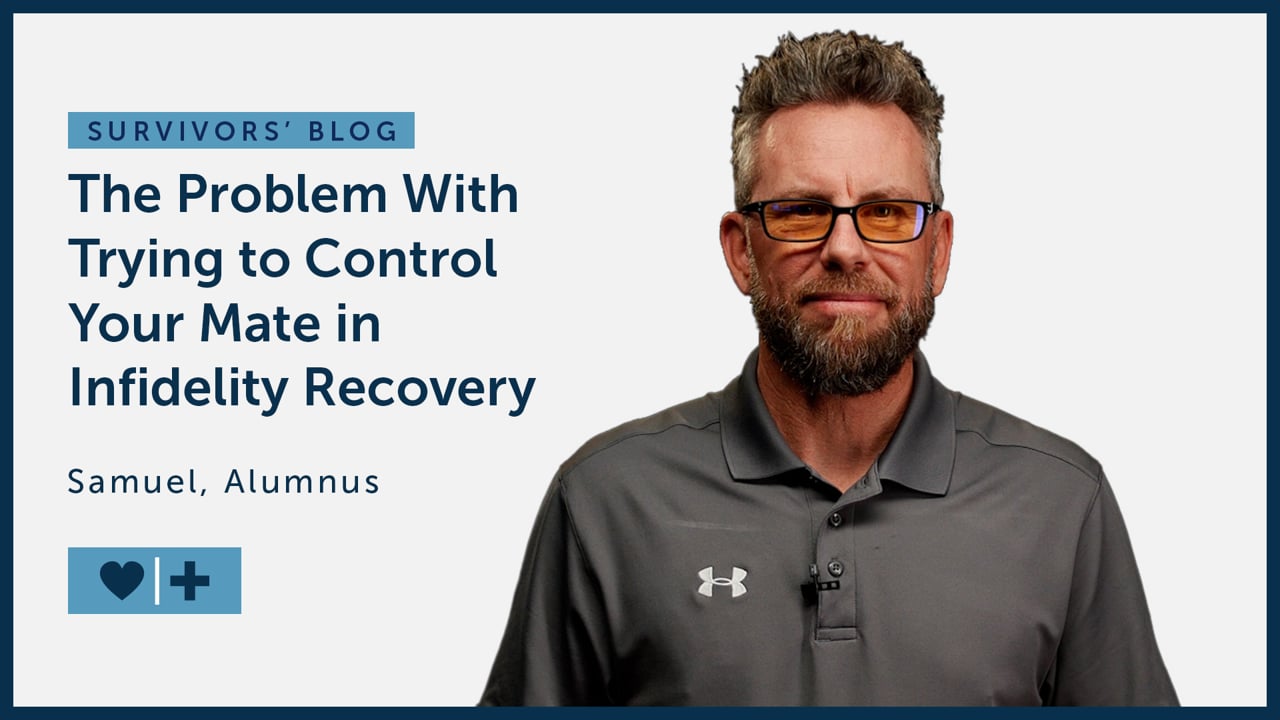
Have you ever been so frustrated because you couldn't get your mate to think, feel or act how you wanted them to? Have you ever hit that point in affair recovery where you so desperately wanted to get your loved one to do something, see something, and you just couldn't?
While recovering after an affair, we can become such control freaks when we try to get someone to experience something as we would. In these moments, our frustration can be off the charts.
In unfaithful spouse recovery, it can look like this: Why won't they forgive me? Why can't they see that I'm remorseful? Why can't they see how hard I'm working? How can I get them to see what I so desperately want them to see?
In betrayed spouse recovery, it can look like this: Why can't they do their work? Why can't they be remorseful and empathetic? Why won't they re-engage?
If you've ever done any…
Continue reading →
Hope Rising Conference 2021 Announcement: Words of Wisdom from Keynote Speaker Shauna Shanks
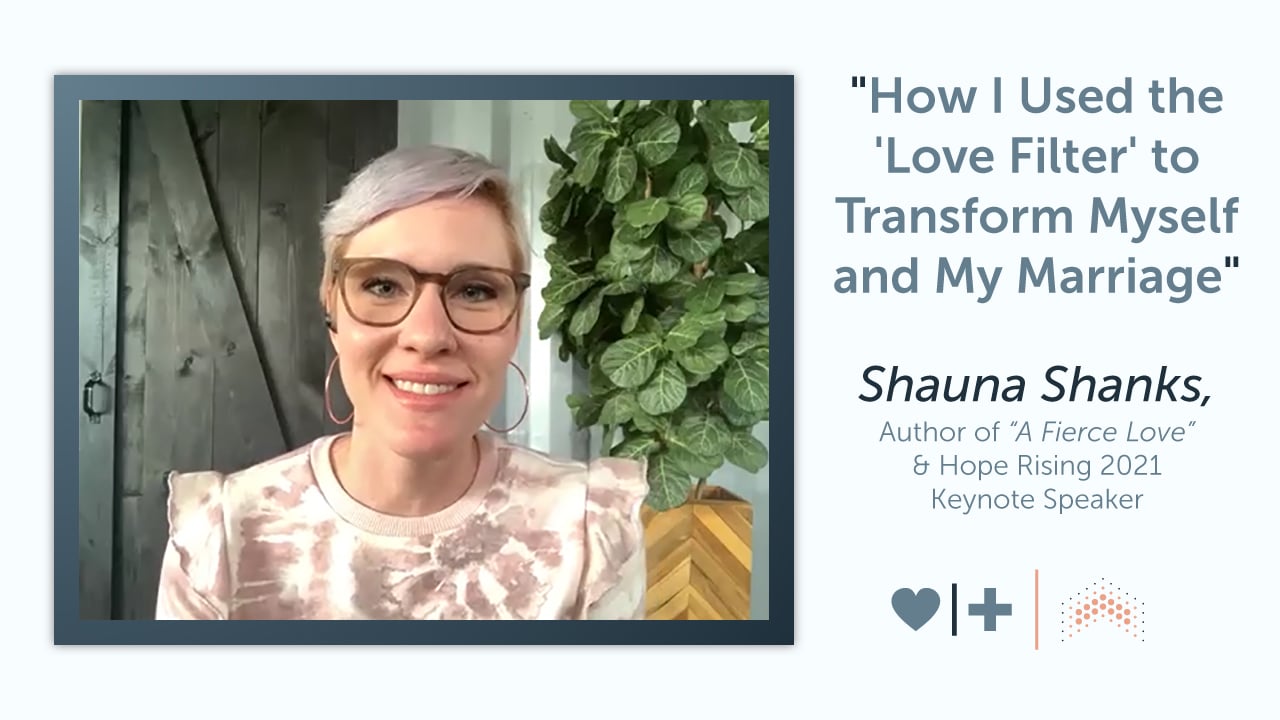
Today, I’m thrilled to announce registration is NOW OPEN for our 4th annual Hope Rising Conference for Betrayed Spouses. I know this past year was an especially hard one for couples, particularly those healing from infidelity. If you're the betrayed spouse, I invite you to do something restorative for yourself by joining our one-day virtual event. If you’re the wayward spouse, consider giving the gift of Hope Rising to your mate. At this conference, they’ll gain invaluable guidance, information and inspiration as they continue their journey to wholeness.
Purchase 2021 Hope Rising Tickets!
Our Hope Rising Conference speakers have all experienced infidelity. They’ve all done the work, and they’re all proof that you can survive and thrive after infidelity. Join me, Wayne and six other speakers on October 2 for Hope Rising to learn…
Continue reading →
Hope Rising 2021 Live Stream Feed
Times are in Central Time (GMT-5:00) | [email protected] | #hoperising2021
 The On-Demand Recording will be available on your "My Dashboard" on October 29th!
BREAKOUT OPTIONS
BREAKOUT 1: Women & Men + Lunch Small Groups
11:45am - 1:10pm CT
No spouses please. The Women's Breakout & Lunch Small Groups are for women only and vice versa for the Men's. Lunch small groups will begin at 12:20pm.
WOMEN'S BREAKOUT & LUNCH GROUPS
MEN'S BREAKOUT & LUNCH GROUPS
Lunch Discussion Questions
Share your first name and how long since discovery/disclosure.
In two minutes or less tell us why you are joining the Hope Rising conference this year?
What is the most challenging aspect of your recovery process so far?
What have you learned about yourself during the recovery process?
What is something from the morning sessions that inspires you or gives you hope?
What is something you want to start doing that you aren't currently doing?
What is something that you want to stop doing that you are currently doing?
How will you continue to find support and seek healing after this conference?
Note: We can't share contact information of participants. If you'd like to share yours do so before lunch ends.
BREAKOUT 2: Reconciling & Divorcing
1:25pm - 1:55pm CT
Rick Reynolds, LCSW and Leigh Ashley, LPC speak on the journey of reconciliation. Leslie Hardie, LCSW and John Haney, PhD. LPC speak on the journey of divorce.
RECONCILING / RECONCILED
DIVORCING / DIVORCED
PROGRAM
Presentation Notes, Speaker Bios, and Agenda can all be found here!
View Program
(printable)
AGENDA
9:00am Session One
Shauna Shanks - Free to Be Whole: Regaining Your Power and Peace; Opening Keynote
Rick Reynolds - Boundaries and Self-Esteem: Breaking Free from Shame
Break
10:30am Session Two
Leslie Hardie - This is Your Story: (Re)Writing the Narrative that Keeps You Stuck
Wayne Baker - Living with Uncertainty: Finding Strength and Grace after Falling Apart
11:45am Breakout 1 - Presentations and Lunch Groups
Break
1:25pm Breakout 2 - Reconciling & Divorcing
1:55pm Session Three
Andrea Rogers - Courage to See: Staying In the Truth Even When It’s Hard
Jessica McDaniel - The Lost Practice of Lament: Learning to Grieve Well
Break
3:20pm Session Four
Jeremy - Unshackled: Reaching Peace through Emotional Forgiveness
Dr. John Haney - An Unexpected Ally: Finding a Teacher in the Dark Night of the Soul, Closing Keynote
Harboring Hope Online Course
Join The Notification List
Learn About Harboring Hope
This course is a lifeline for betrayed spouses. Its authors are presenting here at Hope Rising 2021, Leslie Hardie LCSW and Dr. John Haney PhD LPC-s. It sells out very quickly each month so join the email notification list, so you don't miss out when registration opens!
Join The Notification List
Learn About Harboring Hope
`
Donate To The Scholarship Program
Help us raise funds for those who can't afford to get help!
Donate Here
SPEAKERS
The On-Demand Recording will be available on your "My Dashboard" on October 29th!
BREAKOUT OPTIONS
BREAKOUT 1: Women & Men + Lunch Small Groups
11:45am - 1:10pm CT
No spouses please. The Women's Breakout & Lunch Small Groups are for women only and vice versa for the Men's. Lunch small groups will begin at 12:20pm.
WOMEN'S BREAKOUT & LUNCH GROUPS
MEN'S BREAKOUT & LUNCH GROUPS
Lunch Discussion Questions
Share your first name and how long since discovery/disclosure.
In two minutes or less tell us why you are joining the Hope Rising conference this year?
What is the most challenging aspect of your recovery process so far?
What have you learned about yourself during the recovery process?
What is something from the morning sessions that inspires you or gives you hope?
What is something you want to start doing that you aren't currently doing?
What is something that you want to stop doing that you are currently doing?
How will you continue to find support and seek healing after this conference?
Note: We can't share contact information of participants. If you'd like to share yours do so before lunch ends.
BREAKOUT 2: Reconciling & Divorcing
1:25pm - 1:55pm CT
Rick Reynolds, LCSW and Leigh Ashley, LPC speak on the journey of reconciliation. Leslie Hardie, LCSW and John Haney, PhD. LPC speak on the journey of divorce.
RECONCILING / RECONCILED
DIVORCING / DIVORCED
PROGRAM
Presentation Notes, Speaker Bios, and Agenda can all be found here!
View Program
(printable)
AGENDA
9:00am Session One
Shauna Shanks - Free to Be Whole: Regaining Your Power and Peace; Opening Keynote
Rick Reynolds - Boundaries and Self-Esteem: Breaking Free from Shame
Break
10:30am Session Two
Leslie Hardie - This is Your Story: (Re)Writing the Narrative that Keeps You Stuck
Wayne Baker - Living with Uncertainty: Finding Strength and Grace after Falling Apart
11:45am Breakout 1 - Presentations and Lunch Groups
Break
1:25pm Breakout 2 - Reconciling & Divorcing
1:55pm Session Three
Andrea Rogers - Courage to See: Staying In the Truth Even When It’s Hard
Jessica McDaniel - The Lost Practice of Lament: Learning to Grieve Well
Break
3:20pm Session Four
Jeremy - Unshackled: Reaching Peace through Emotional Forgiveness
Dr. John Haney - An Unexpected Ally: Finding a Teacher in the Dark Night of the Soul, Closing Keynote
Harboring Hope Online Course
Join The Notification List
Learn About Harboring Hope
This course is a lifeline for betrayed spouses. Its authors are presenting here at Hope Rising 2021, Leslie Hardie LCSW and Dr. John Haney PhD LPC-s. It sells out very quickly each month so join the email notification list, so you don't miss out when registration opens!
Join The Notification List
Learn About Harboring Hope
`
Donate To The Scholarship Program
Help us raise funds for those who can't afford to get help!
Donate Here
SPEAKERS
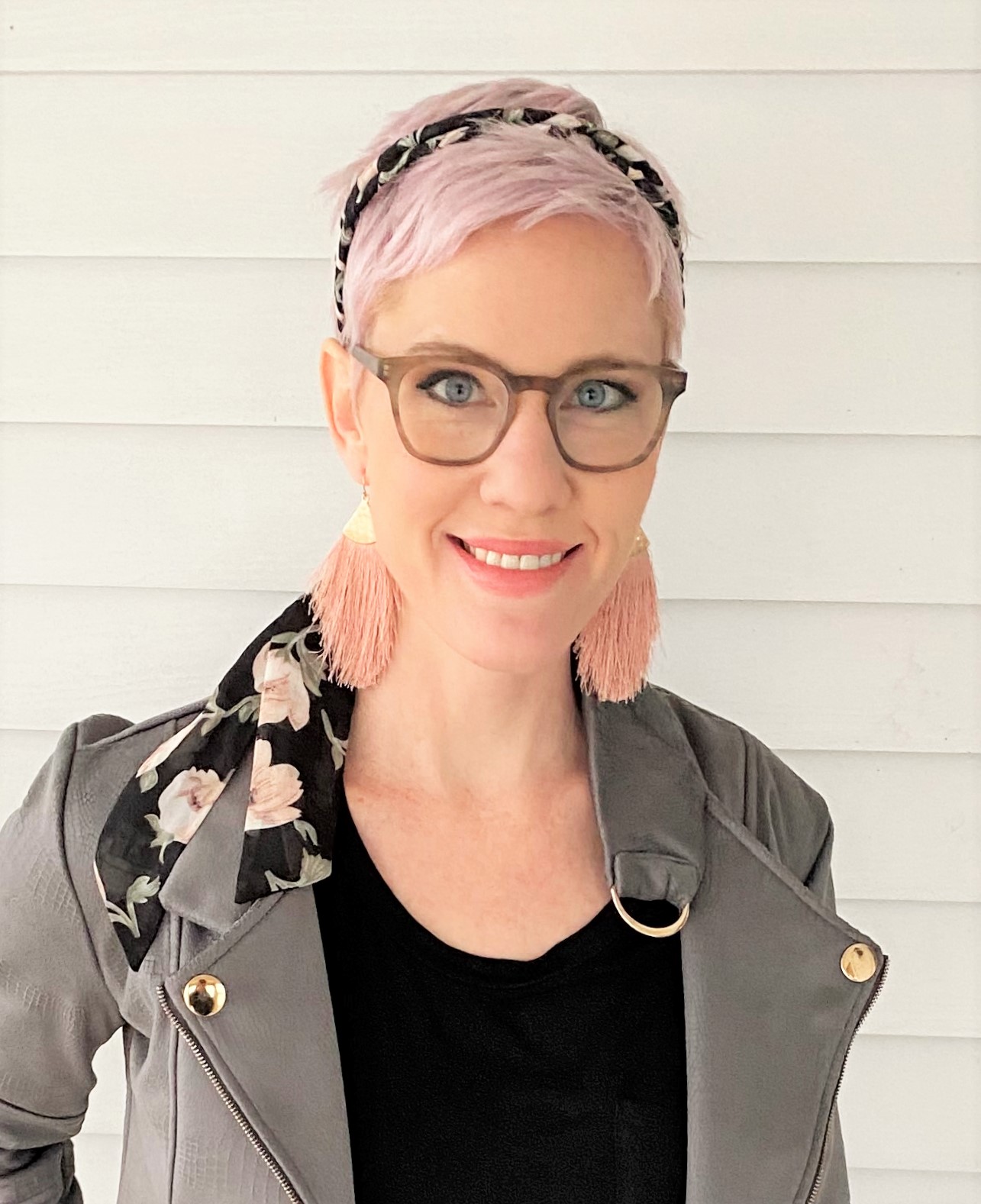 Shauna Shanks
Free to Be Whole: Regaining Your Power and Peace
When you've been betrayed by a spouse, it is so easy to fall into a spiral of self-loathing or comparison and to expend energy worrying and fearing things beyond your control. Shauna found something she calls The Love Filter that transformed her personal life and gave her a starting point for her own journey of healing from betrayal. Join Shauna as she equips you to keep yourself whole, encourages you in self-love, and empowers you to find peace and freedom, no matter what the future holds.
Shauna Shanks
Free to Be Whole: Regaining Your Power and Peace
When you've been betrayed by a spouse, it is so easy to fall into a spiral of self-loathing or comparison and to expend energy worrying and fearing things beyond your control. Shauna found something she calls The Love Filter that transformed her personal life and gave her a starting point for her own journey of healing from betrayal. Join Shauna as she equips you to keep yourself whole, encourages you in self-love, and empowers you to find peace and freedom, no matter what the future holds.
 Rick Reynolds
LCSW, President and Founder of Affair Recovery
Boundaries and Self-Esteem: Breaking Free from Shame
We hear a lot about boundaries in recovery, but we often equate boundaries with imposing consequences which makes us the judge and jury of the relationship. Rick adds self-esteem to the boundary conversation bringing both clarity and insight. This session will reveal how self-esteem is foundational to recovery and empower you to develop functional boundaries for healthy relationships.
Rick Reynolds
LCSW, President and Founder of Affair Recovery
Boundaries and Self-Esteem: Breaking Free from Shame
We hear a lot about boundaries in recovery, but we often equate boundaries with imposing consequences which makes us the judge and jury of the relationship. Rick adds self-esteem to the boundary conversation bringing both clarity and insight. This session will reveal how self-esteem is foundational to recovery and empower you to develop functional boundaries for healthy relationships.
 John Mark Haney
Ph.D., LPC, Co-Author of Harboring Hope, and EMS Weekend Retreat Team
An Unexpected Ally: Finding a Teacher in the Dark Night of the Soul
Betrayal trauma is one of the most excruciating forms of human pain imaginable, and it can cause a profound and negative upheaval around our view of God, our view of relationship, or even around whether life has any ultimate purpose or meaning. If we focus too much attention on just trying to survive the pain, we may miss the opportunity for the darkness to become a teacher or even an ally that can lead us to a greater life. The scary sounds you hear in the darkness may not be a monster, they may be the very voice of God.
John Mark Haney
Ph.D., LPC, Co-Author of Harboring Hope, and EMS Weekend Retreat Team
An Unexpected Ally: Finding a Teacher in the Dark Night of the Soul
Betrayal trauma is one of the most excruciating forms of human pain imaginable, and it can cause a profound and negative upheaval around our view of God, our view of relationship, or even around whether life has any ultimate purpose or meaning. If we focus too much attention on just trying to survive the pain, we may miss the opportunity for the darkness to become a teacher or even an ally that can lead us to a greater life. The scary sounds you hear in the darkness may not be a monster, they may be the very voice of God.
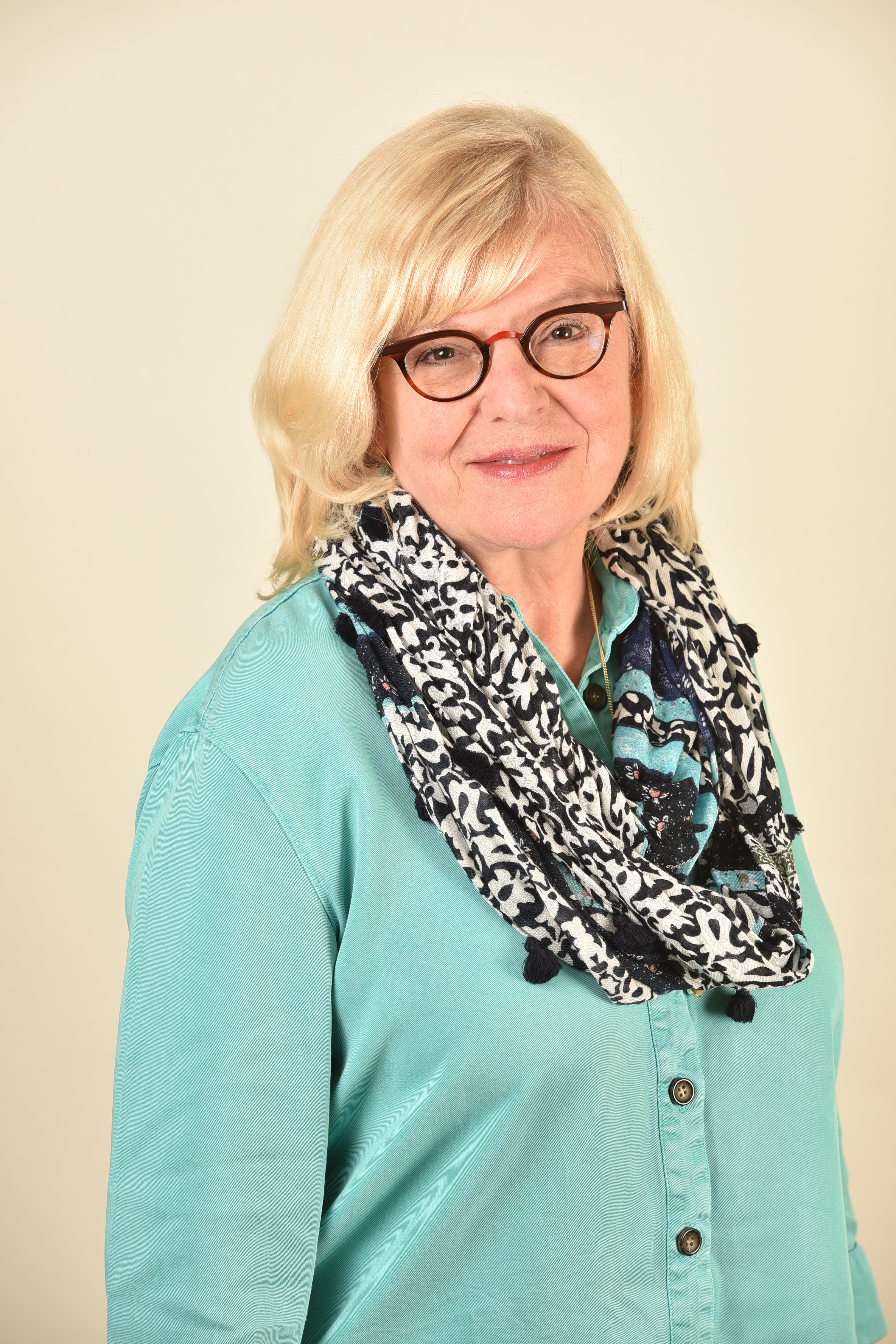 Leslie Hardie
LCSW, Co-Author of Harboring Hope
This is Your Story: (Re)Writing the Narrative that Keeps You Stuck
In terms of your spouse’s infidelity, the story you tell yourself about what happened may end up being more important than what actually transpired. The story you make up about why it happened can become even more critical. And if you begin to get caught up in how you could have kept it from happening, you can become completely undone. As it turns out, the story we tell ourselves is one of the most critical aspects of our recovery.
Leslie Hardie
LCSW, Co-Author of Harboring Hope
This is Your Story: (Re)Writing the Narrative that Keeps You Stuck
In terms of your spouse’s infidelity, the story you tell yourself about what happened may end up being more important than what actually transpired. The story you make up about why it happened can become even more critical. And if you begin to get caught up in how you could have kept it from happening, you can become completely undone. As it turns out, the story we tell ourselves is one of the most critical aspects of our recovery.
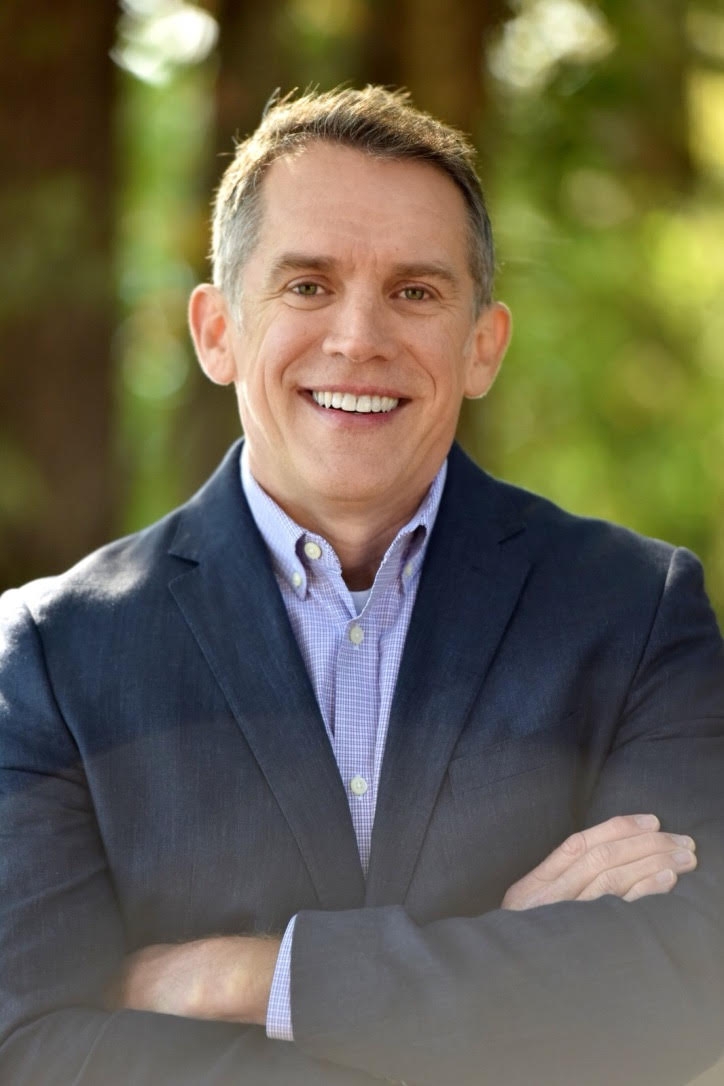 Wayne Baker
M.A., LPC, and EMS Weekend Retreat Team
Living with Uncertainty: Finding Strength and Grace after Falling Apart
We all scramble for certainty, especially in the midst of the pain caused by infidelity. We wanted things to go a certain way. Questions and intrusive thoughts are just some of the tools we use to try and find solid ground, something that is predictable and safe. But do they really work long term? How can we live wholeheartedly when our heart has been shattered? Emotions are sometimes our best teachers; feeling and grieving are part of our learning. Embracing vulnerability, uncertainty and unpredictability has the power to transform again and again and again.
Wayne Baker
M.A., LPC, and EMS Weekend Retreat Team
Living with Uncertainty: Finding Strength and Grace after Falling Apart
We all scramble for certainty, especially in the midst of the pain caused by infidelity. We wanted things to go a certain way. Questions and intrusive thoughts are just some of the tools we use to try and find solid ground, something that is predictable and safe. But do they really work long term? How can we live wholeheartedly when our heart has been shattered? Emotions are sometimes our best teachers; feeling and grieving are part of our learning. Embracing vulnerability, uncertainty and unpredictability has the power to transform again and again and again.
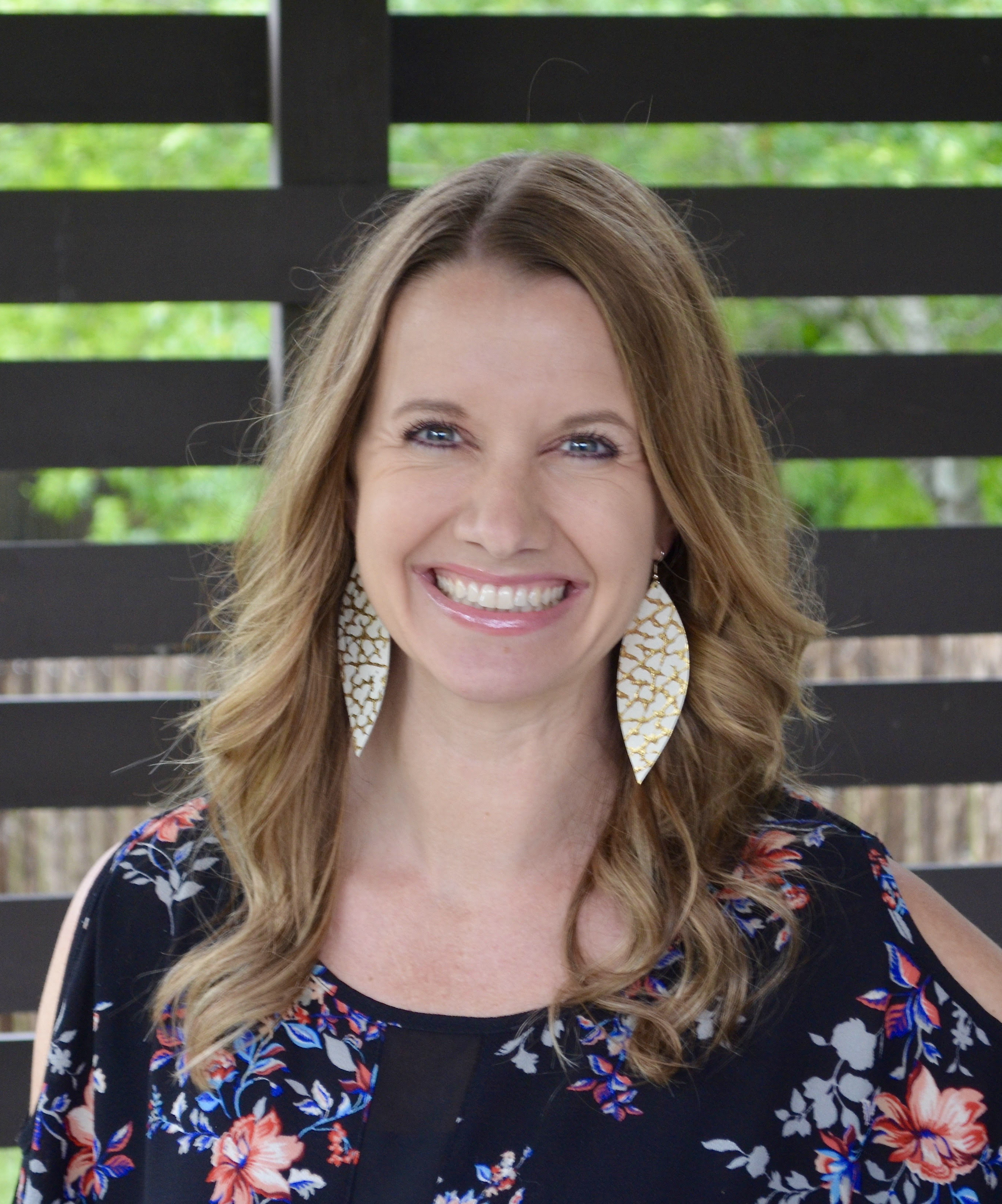 Jessica McDaniel
LPC, EMS Weekend Retreat Team
The Lost Practice of Lament: Learning to Grieve Well
Most of us do not have a language for grief. We might have access to a few descriptive words like sad, depressed, and angry but beyond that, grief is a very difficult experience to allow ourselves to completely enter. When we’re taught from a young age to “keep it together”, to not let our emotions get the best of us, we numb our God given ability to emote, to cry out, and to honestly acknowledge the full extent of our hurt and sadness. In this session, we'll explore how to “join in” with our grief rather than fight against it through the practice of lament, which will teach us how to honor and process our pain so that we can live more freely.
Jessica McDaniel
LPC, EMS Weekend Retreat Team
The Lost Practice of Lament: Learning to Grieve Well
Most of us do not have a language for grief. We might have access to a few descriptive words like sad, depressed, and angry but beyond that, grief is a very difficult experience to allow ourselves to completely enter. When we’re taught from a young age to “keep it together”, to not let our emotions get the best of us, we numb our God given ability to emote, to cry out, and to honestly acknowledge the full extent of our hurt and sadness. In this session, we'll explore how to “join in” with our grief rather than fight against it through the practice of lament, which will teach us how to honor and process our pain so that we can live more freely.
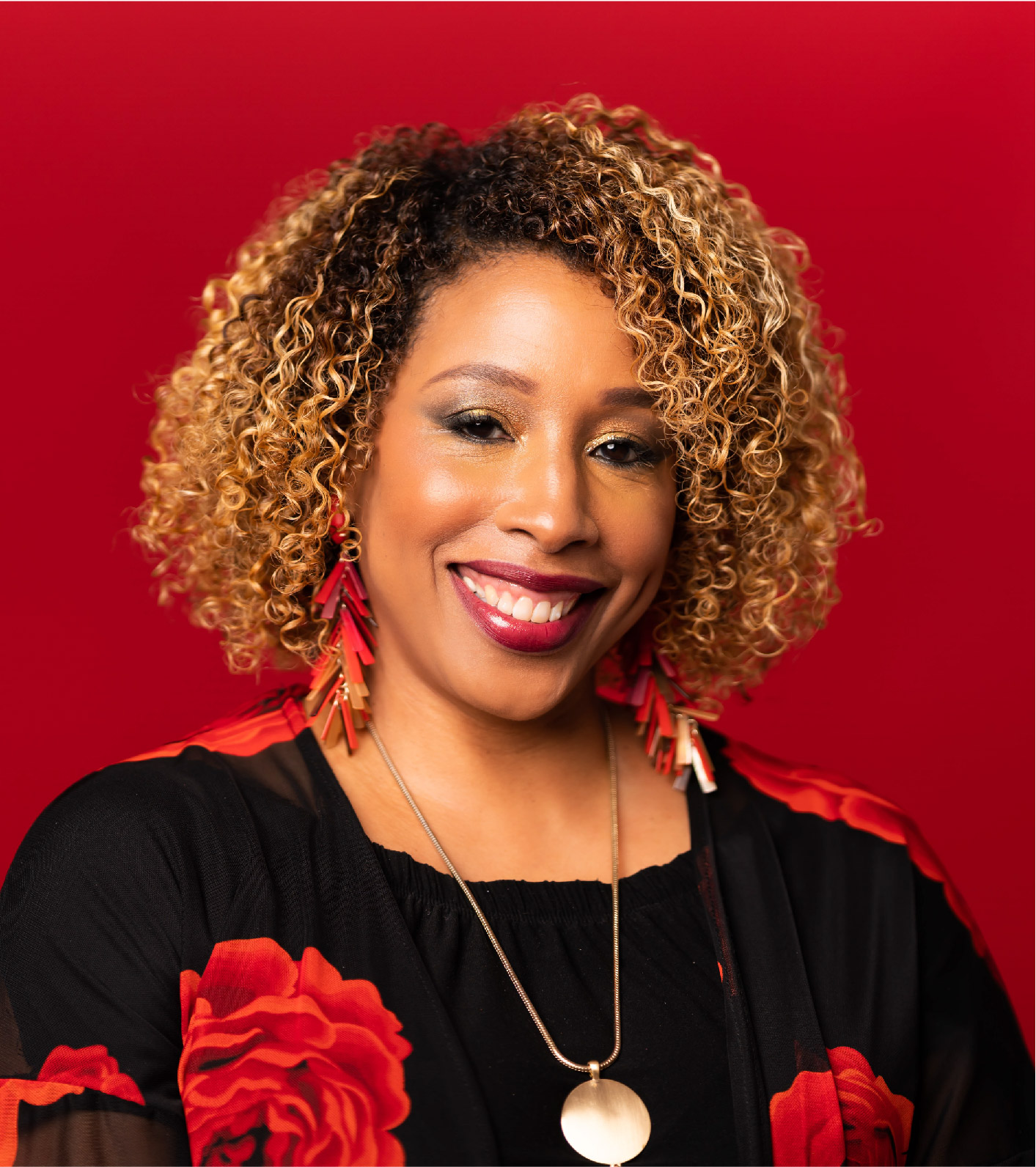 Andrea Rogers
Board-Certified Life Coach
Courage to See: Staying In the Truth Even When It’s Hard
How do you face the pain in front of you when everything in you wants to look the other way? Seeing the truth takes great courage, but there is no true healing apart from the truth. Listen in to learn how to take the journey from hurting, to healing, to wholeness.
Jeremy
Infidelity Survivor
Unshackled: Reaching Peace through Emotional Forgiveness
So often, we attempt to walk through the trenches of forgiveness in expectation that once we make the decision to forgive, we’ll finally be able to see through the emotional fog. But sometimes, we just wind up just feeling stuck. We wonder if the decision and efforts to forgive were genuine. We wonder if we’ll ever break free from the chains of unforgiveness. In Jeremy’s session, he’ll describe his own story of not just making a decision to forgive in his mind but releasing his heart to forgive through a process of emotional forgiveness.
Follow Us!
Twitter
Instagram
YouTube
Facebook
Andrea Rogers
Board-Certified Life Coach
Courage to See: Staying In the Truth Even When It’s Hard
How do you face the pain in front of you when everything in you wants to look the other way? Seeing the truth takes great courage, but there is no true healing apart from the truth. Listen in to learn how to take the journey from hurting, to healing, to wholeness.
Jeremy
Infidelity Survivor
Unshackled: Reaching Peace through Emotional Forgiveness
So often, we attempt to walk through the trenches of forgiveness in expectation that once we make the decision to forgive, we’ll finally be able to see through the emotional fog. But sometimes, we just wind up just feeling stuck. We wonder if the decision and efforts to forgive were genuine. We wonder if we’ll ever break free from the chains of unforgiveness. In Jeremy’s session, he’ll describe his own story of not just making a decision to forgive in his mind but releasing his heart to forgive through a process of emotional forgiveness.
Follow Us!
Twitter
Instagram
YouTube
Facebook
The On-Demand Recording will be available on your "My Dashboard" on October 29th!
BREAKOUT OPTIONS
BREAKOUT 1: Women & Men + Lunch Small Groups
11:45am - 1:10pm CT
No spouses please. The Women's Breakout & Lunch Small Groups are for women only and vice versa for the Men's. Lunch small groups will begin at 12:20pm.
WOMEN'S BREAKOUT & LUNCH GROUPS
MEN'S BREAKOUT & LUNCH GROUPS
Lunch Discussion Questions
Share your first name and how long since discovery/disclosure.
In two minutes or less tell us why you are joining the Hope Rising conference this year?
What is the most challenging aspect of your recovery process so far?
What have you learned about yourself during the recovery process?
What is something from the morning sessions that inspires you or gives you hope?
What is something you want to start doing that you aren't currently doing?
What is something that you want to stop doing that you are currently doing?
How will you continue to find support and seek healing after this conference?
Note: We can't share contact information of participants. If you'd like to share yours do so before lunch ends.
BREAKOUT 2: Reconciling & Divorcing
1:25pm - 1:55pm CT
Rick Reynolds, LCSW and Leigh Ashley, LPC speak on the journey of reconciliation. Leslie Hardie, LCSW and John Haney, PhD. LPC speak on the journey of divorce.
RECONCILING / RECONCILED
DIVORCING / DIVORCED
PROGRAM
Presentation Notes, Speaker Bios, and Agenda can all be found here!
View Program
(printable)
AGENDA
9:00am Session One
Shauna Shanks - Free to Be Whole: Regaining Your Power and Peace; Opening Keynote
Rick Reynolds - Boundaries and Self-Esteem: Breaking Free from Shame
Break
10:30am Session Two
Leslie Hardie - This is Your Story: (Re)Writing the Narrative that Keeps You Stuck
Wayne Baker - Living with Uncertainty: Finding Strength and Grace after Falling Apart
11:45am Breakout 1 - Presentations and Lunch Groups
Break
1:25pm Breakout 2 - Reconciling & Divorcing
1:55pm Session Three
Andrea Rogers - Courage to See: Staying In the Truth Even When It’s Hard
Jessica McDaniel - The Lost Practice of Lament: Learning to Grieve Well
Break
3:20pm Session Four
Jeremy - Unshackled: Reaching Peace through Emotional Forgiveness
Dr. John Haney - An Unexpected Ally: Finding a Teacher in the Dark Night of the Soul, Closing Keynote
Harboring Hope Online Course
Join The Notification List
Learn About Harboring Hope
This course is a lifeline for betrayed spouses. Its authors are presenting here at Hope Rising 2021, Leslie Hardie LCSW and Dr. John Haney PhD LPC-s. It sells out very quickly each month so join the email notification list, so you don't miss out when registration opens!
Join The Notification List
Learn About Harboring Hope
`
Donate To The Scholarship Program
Help us raise funds for those who can't afford to get help!
Donate Here
SPEAKERS
Shauna Shanks
Free to Be Whole: Regaining Your Power and Peace
When you've been betrayed by a spouse, it is so easy to fall into a spiral of self-loathing or comparison and to expend energy worrying and fearing things beyond your control. Shauna found something she calls The Love Filter that transformed her personal life and gave her a starting point for her own journey of healing from betrayal. Join Shauna as she equips you to keep yourself whole, encourages you in self-love, and empowers you to find peace and freedom, no matter what the future holds.
Rick Reynolds
LCSW, President and Founder of Affair Recovery
Boundaries and Self-Esteem: Breaking Free from Shame
We hear a lot about boundaries in recovery, but we often equate boundaries with imposing consequences which makes us the judge and jury of the relationship. Rick adds self-esteem to the boundary conversation bringing both clarity and insight. This session will reveal how self-esteem is foundational to recovery and empower you to develop functional boundaries for healthy relationships.
John Mark Haney
Ph.D., LPC, Co-Author of Harboring Hope, and EMS Weekend Retreat Team
An Unexpected Ally: Finding a Teacher in the Dark Night of the Soul
Betrayal trauma is one of the most excruciating forms of human pain imaginable, and it can cause a profound and negative upheaval around our view of God, our view of relationship, or even around whether life has any ultimate purpose or meaning. If we focus too much attention on just trying to survive the pain, we may miss the opportunity for the darkness to become a teacher or even an ally that can lead us to a greater life. The scary sounds you hear in the darkness may not be a monster, they may be the very voice of God.
Leslie Hardie
LCSW, Co-Author of Harboring Hope
This is Your Story: (Re)Writing the Narrative that Keeps You Stuck
In terms of your spouse’s infidelity, the story you tell yourself about what happened may end up being more important than what actually transpired. The story you make up about why it happened can become even more critical. And if you begin to get caught up in how you could have kept it from happening, you can become completely undone. As it turns out, the story we tell ourselves is one of the most critical aspects of our recovery.
Wayne Baker
M.A., LPC, and EMS Weekend Retreat Team
Living with Uncertainty: Finding Strength and Grace after Falling Apart
We all scramble for certainty, especially in the midst of the pain caused by infidelity. We wanted things to go a certain way. Questions and intrusive thoughts are just some of the tools we use to try and find solid ground, something that is predictable and safe. But do they really work long term? How can we live wholeheartedly when our heart has been shattered? Emotions are sometimes our best teachers; feeling and grieving are part of our learning. Embracing vulnerability, uncertainty and unpredictability has the power to transform again and again and again.
Jessica McDaniel
LPC, EMS Weekend Retreat Team
The Lost Practice of Lament: Learning to Grieve Well
Most of us do not have a language for grief. We might have access to a few descriptive words like sad, depressed, and angry but beyond that, grief is a very difficult experience to allow ourselves to completely enter. When we’re taught from a young age to “keep it together”, to not let our emotions get the best of us, we numb our God given ability to emote, to cry out, and to honestly acknowledge the full extent of our hurt and sadness. In this session, we'll explore how to “join in” with our grief rather than fight against it through the practice of lament, which will teach us how to honor and process our pain so that we can live more freely.
Andrea Rogers
Board-Certified Life Coach
Courage to See: Staying In the Truth Even When It’s Hard
How do you face the pain in front of you when everything in you wants to look the other way? Seeing the truth takes great courage, but there is no true healing apart from the truth. Listen in to learn how to take the journey from hurting, to healing, to wholeness.
Jeremy
Infidelity Survivor
Unshackled: Reaching Peace through Emotional Forgiveness
So often, we attempt to walk through the trenches of forgiveness in expectation that once we make the decision to forgive, we’ll finally be able to see through the emotional fog. But sometimes, we just wind up just feeling stuck. We wonder if the decision and efforts to forgive were genuine. We wonder if we’ll ever break free from the chains of unforgiveness. In Jeremy’s session, he’ll describe his own story of not just making a decision to forgive in his mind but releasing his heart to forgive through a process of emotional forgiveness.
Follow Us!
Twitter
Instagram
YouTube
Facebook
Times are in Central Time (GMT-5:00) | [email protected] | #hoperising2021
The On-Demand Recording will be available on your "My Dashboard" on October 29th!
BREAKOUT OPTIONS
BREAKOUT 1: Women & Men + Lunch Small Groups
11:45am - 1:10pm CT
No spouses please. The Women's Breakout & Lunch Small Groups are for women only and vice versa for the Men's. Lunch small groups will begin at 12:20pm.
WOMEN'S BREAKOUT & LUNCH GROUPS    
MEN'S BREAKOUT & LUNCH GROUPS
Lunch Discussion Questions
Share your first name and how long since discovery/disclosure.
In two minutes or less tell us why you are joining the Hope Rising conference this year?
What is the most challenging aspect of your recovery process…
Continue reading →
How to Make the Most of Challenging Infidelity Recovery Seasons
In life and in infidelity recovery, there are seasons. Whether you're recovering from infidelity pain as an individual or as a couple, some of these seasons are going to be incredibly challenging. I'm sorry to tell you, there's no way around them. But there is some good news: Seasons don't last forever. And while you will experience days of agony, you'll also experience good days; days where you may take some deeper breaths and say: "It feels good to hope. We had a great day."
Like with weather seasons, we have to make adjustments and embrace the recovery season we're in. Unlike with weather seasons, we actually have some control over infidelity recovery seasons. We can lengthen or shorten these periods of pain. And if you use these seasons right, they can be absolutely transformational. Today, I'm sharing how to use seasons to your advantage when recovering from…
Continue reading →
Travel Plan: How to Create One and Why They're Worthwhile
In Week 11 of EMS Online, our couples must face a difficult truth: Relapse is a common part of infidelity recovery. But just because it's common doesn't mean couples have to sit back and accept relapse, and all of its pain and difficulty, as an inevitability.
After a betrayal, I encourage both mates to identify high-risk situations and come up with a plan — together — for how they'll tackle them. And, it probably comes as no surprise, traveling is one of the most high-risk situations for wayward mates in recovery. That's why I recommend wayward mates, whenever they're going to be away from home for an extended period of time, to create a travel plan.
What Is the Purpose of a Travel Plan?
For the wayward mate, a relapse reveals all their places of pride, weak motivation and unwillingness to do whatever's necessary to recover. But relapse can also be a primary…
Continue reading →
A Discussion on Remorse, Trauma and Extreme Suffering
At Affair Recovery, it’s our mission to restore those in crisis to extraordinary lives of meaning and purpose. One of the ways we’ve been doing that for decades is through our research-based courses and programs, which include EMS Weekend, EMS Online, Hope for Healing and Harboring Hope. Nevertheless, we deeply understand that like how no two people are the same, no two infidelity situations are the same. That’s why, in addition to regularly updating and elevating our courses and programs, we make time to answer your unique questions.
Through the Expert Q&A feature of our Recovery Library, current course participants and active Group Leaders can submit questions about their individual recovery journeys. Upon registering in a course, you get a complimentary Recovery Library membership and instant access to its materials. The length of this free membership varies…
Continue reading →
The Inconvenient Truth About Love and Loss
Happiness only comes when you open the door to pain. You simply can't have one without the other. As a betrayed spouse, I know this all too well.
I've learned to live with what happened to me. It's become a part of my history, something profound that I went through. This brokenness has become a part of me, one that's interwoven with the fabric of my life story. This revelation is what I think they call "acceptance."
 It hasn't come without truckloads of pain: messy, dark, catastrophic and heart-shattering pain. I opened the door to this pain because I know, deep down to my toes, it's the only way through the devastation of intimate betrayal.
Acceptance. It's the final stage of grief in the five-part model developed by Elisabeth Kübler-Ross; however, her co-author and colleague, David Kessler, got permission from her estate to publish a book outlining a sixth stage of grief: finding meaning.
Loss and Intention Aren't Intertwined
"Your loss is not a test, a lesson, something to handle, a gift or a blessing. Loss is simply what happens to you in life. Meaning is what you make happen," Kessler says in his book, "Finding Meaning: The Sixth Stage of Grief."
Finding meaning in our loss is an uncharted, unwelcome task. Loss happens to us no matter what we do or fail to do. It's truly not about us. Sometimes it's caused by the behavior of others or a natural disaster. Other times, it's the loss of personal health, something that's internal to our body and not our intention.
Once the unilateral choice is made by a partner to break the marriage contract, that relationship is fractured. In that moment, it matters not whether the faithful partner is aware of the breach because eventually they'll feel its effects. It's a loss created then and there. It's something that can happen to any of us — and not because of our intention. That's just one of life's inconvenient truths.
Healing Is Your Own Responsibility
The ancillary consequence of loss is a mandate to heal. That healing is within our control. We have agency over how — and even whether — we grieve the loss. In the case of marital betrayal, it's wholly our responsibility to heal our wounded hearts. That healing won't happen without an investment in regaining our health.
As Kessler says in his book:
"Each person's grief is as unique as their fingerprint. But what everyone has in common is that no matter how they grieve, they share a need for their grief to be witnessed. That doesn't mean needing someone to try to lessen it or reframe it for them. The need is for someone to be fully present to the magnitude of their loss without trying to point out the silver lining."
An essential part of healing is being heard. As much as we crave attachment, we likewise need to be listened to, upheld and validated. We need to know our pain and our loss matters; that our loss is real. We do not heal in isolation. We stew. We build stories in our mind that, more likely than not, skew far from the truth. We begin to tell ourselves untruths, such as:
"I could've stopped this from happening."
"If I was more ______, this wouldn't have occurred."
"I'll never heal because I'm permanently wounded."
"My life will never regain its meaning."
Although this kind of internal battling is normal, it's not helpful or, in many cases, based in reality. We need each other. We need other human beings to hear our struggles and, in their presence, reassure us that we're not crazy or fatally flawed. After infidelity, we need to hear that we're not forever broken but, rather, just humans in a great deal of temporary pain.
The Pain of Infidelity Won't Last Forever
Serenity comes when we trade our expectations for healing with acceptance of its actual process. Expectations might reflect our wishes, but they don't dictate reality. They're just a setup for disappointment and resentment. That's why we can only regain serenity through grieving our losses and turning toward real life.
Whether you're building a new life with or without your wayward partner, you'll still need to regain your own equilibrium and balance. Start by wiping the grime of betrayal from your perspective so you can begin to see reality as it actually is: flawed, painful and, yet, beautiful and rich. Truth is, there's so much wonder and magnificence in the world and in life. It's our job as individuals to regain our zest for life and heal our wounds with self-care and love.
"You don't have to experience grief, but you can only avoid it by avoiding love. Love and grief are inextricably intertwined," Kessler explains in his book.
Experiencing Love Means Experiencing Loss
Some have gone as far as to say that grief is the cost of love. I've heard many dog owners vow to never own another pup after the painful loss of a beloved canine companion. Loss is devastating, but the absence of unconditional canine love is also devastating. To love a dog — or anything or anyone — is accepting that you'll eventually lose them. Nothing in life is permanent, but being happy in this life means understanding that and taking the risk to love anyways.
As C.S. Lewis put it:
"To love at all is to be vulnerable. Love anything and your heart will be wrung and possibly broken. If you want to make sure of keeping it intact, you must give it to no one — not even an animal. Wrap it carefully round with hobbies and little luxuries; avoid all entanglements. Lock it up safe in the casket or coffin of your selfishness. But in that casket — safe, dark, motionless, airless — it will change. It will not be broken; it will become unbreakable, impenetrable, irredeemable. To love is to be vulnerable."
To move through your healing journey entails viewing life with clear lenses, seeing that experiencing love also means experiencing the risk and inevitability of loss. But the biggest inconvenient truth of them all is this: Love is the root of joy. To love is to risk loss and its subsequent pain. And the choice of whether to risk getting hurt again is entirely up to you.
Continue Your Healing with Harboring Hope for Betrayed Partners
Affair Recovery’s Harboring Hope is a course for betrayed mates designed by betrayed mates. Over 13 weeks, you’ll gain the tools and support you need to forgive, grieve and begin to thrive once again.
"After completing Harboring Hope, I wasn’t sure that I was in a place to be able to encourage others. But, I want to tell you, if it weren’t for Affair Recovery, I literally do not know where I would be. I was, and still am, determined to not let what my husband has done to me make me into a bitter person. I would strongly encourage everyone that has had the misfortune of experiencing this most gut-wrenching pain to join Harboring Hope."— K. MO, February 2021 Harboring Hope participant
Subscribe to Harboring Hope Registration Notifications
It hasn't come without truckloads of pain: messy, dark, catastrophic and heart-shattering pain. I opened the door to this pain because I know, deep down to my toes, it's the only way through the devastation of intimate betrayal.
Acceptance. It's the final stage of grief in the five-part model developed by Elisabeth Kübler-Ross; however, her co-author and colleague, David Kessler, got permission from her estate to publish a book outlining a sixth stage of grief: finding meaning.
Loss and Intention Aren't Intertwined
"Your loss is not a test, a lesson, something to handle, a gift or a blessing. Loss is simply what happens to you in life. Meaning is what you make happen," Kessler says in his book, "Finding Meaning: The Sixth Stage of Grief."
Finding meaning in our loss is an uncharted, unwelcome task. Loss happens to us no matter what we do or fail to do. It's truly not about us. Sometimes it's caused by the behavior of others or a natural disaster. Other times, it's the loss of personal health, something that's internal to our body and not our intention.
Once the unilateral choice is made by a partner to break the marriage contract, that relationship is fractured. In that moment, it matters not whether the faithful partner is aware of the breach because eventually they'll feel its effects. It's a loss created then and there. It's something that can happen to any of us — and not because of our intention. That's just one of life's inconvenient truths.
Healing Is Your Own Responsibility
The ancillary consequence of loss is a mandate to heal. That healing is within our control. We have agency over how — and even whether — we grieve the loss. In the case of marital betrayal, it's wholly our responsibility to heal our wounded hearts. That healing won't happen without an investment in regaining our health.
As Kessler says in his book:
"Each person's grief is as unique as their fingerprint. But what everyone has in common is that no matter how they grieve, they share a need for their grief to be witnessed. That doesn't mean needing someone to try to lessen it or reframe it for them. The need is for someone to be fully present to the magnitude of their loss without trying to point out the silver lining."
An essential part of healing is being heard. As much as we crave attachment, we likewise need to be listened to, upheld and validated. We need to know our pain and our loss matters; that our loss is real. We do not heal in isolation. We stew. We build stories in our mind that, more likely than not, skew far from the truth. We begin to tell ourselves untruths, such as:
"I could've stopped this from happening."
"If I was more ______, this wouldn't have occurred."
"I'll never heal because I'm permanently wounded."
"My life will never regain its meaning."
Although this kind of internal battling is normal, it's not helpful or, in many cases, based in reality. We need each other. We need other human beings to hear our struggles and, in their presence, reassure us that we're not crazy or fatally flawed. After infidelity, we need to hear that we're not forever broken but, rather, just humans in a great deal of temporary pain.
The Pain of Infidelity Won't Last Forever
Serenity comes when we trade our expectations for healing with acceptance of its actual process. Expectations might reflect our wishes, but they don't dictate reality. They're just a setup for disappointment and resentment. That's why we can only regain serenity through grieving our losses and turning toward real life.
Whether you're building a new life with or without your wayward partner, you'll still need to regain your own equilibrium and balance. Start by wiping the grime of betrayal from your perspective so you can begin to see reality as it actually is: flawed, painful and, yet, beautiful and rich. Truth is, there's so much wonder and magnificence in the world and in life. It's our job as individuals to regain our zest for life and heal our wounds with self-care and love.
"You don't have to experience grief, but you can only avoid it by avoiding love. Love and grief are inextricably intertwined," Kessler explains in his book.
Experiencing Love Means Experiencing Loss
Some have gone as far as to say that grief is the cost of love. I've heard many dog owners vow to never own another pup after the painful loss of a beloved canine companion. Loss is devastating, but the absence of unconditional canine love is also devastating. To love a dog — or anything or anyone — is accepting that you'll eventually lose them. Nothing in life is permanent, but being happy in this life means understanding that and taking the risk to love anyways.
As C.S. Lewis put it:
"To love at all is to be vulnerable. Love anything and your heart will be wrung and possibly broken. If you want to make sure of keeping it intact, you must give it to no one — not even an animal. Wrap it carefully round with hobbies and little luxuries; avoid all entanglements. Lock it up safe in the casket or coffin of your selfishness. But in that casket — safe, dark, motionless, airless — it will change. It will not be broken; it will become unbreakable, impenetrable, irredeemable. To love is to be vulnerable."
To move through your healing journey entails viewing life with clear lenses, seeing that experiencing love also means experiencing the risk and inevitability of loss. But the biggest inconvenient truth of them all is this: Love is the root of joy. To love is to risk loss and its subsequent pain. And the choice of whether to risk getting hurt again is entirely up to you.
Continue Your Healing with Harboring Hope for Betrayed Partners
Affair Recovery’s Harboring Hope is a course for betrayed mates designed by betrayed mates. Over 13 weeks, you’ll gain the tools and support you need to forgive, grieve and begin to thrive once again.
"After completing Harboring Hope, I wasn’t sure that I was in a place to be able to encourage others. But, I want to tell you, if it weren’t for Affair Recovery, I literally do not know where I would be. I was, and still am, determined to not let what my husband has done to me make me into a bitter person. I would strongly encourage everyone that has had the misfortune of experiencing this most gut-wrenching pain to join Harboring Hope."— K. MO, February 2021 Harboring Hope participant
Subscribe to Harboring Hope Registration Notifications
It hasn't come without truckloads of pain: messy, dark, catastrophic and heart-shattering pain. I opened the door to this pain because I know, deep down to my toes, it's the only way through the devastation of intimate betrayal.
Acceptance. It's the final stage of grief in the five-part model developed by Elisabeth Kübler-Ross; however, her co-author and colleague, David Kessler, got permission from her estate to publish a book outlining a sixth stage of grief: finding meaning.
Loss and Intention Aren't Intertwined
"Your loss is not a test, a lesson, something to handle, a gift or a blessing. Loss is simply what happens to you in life. Meaning is what you make happen," Kessler says in his book, "Finding Meaning: The Sixth Stage of Grief."
Finding meaning in our loss is an uncharted, unwelcome task. Loss happens to us no matter what we do or fail to do. It's truly not about us. Sometimes it's caused by the behavior of others or a natural disaster. Other times, it's the loss of personal health, something that's internal to our body and not our intention.
Once the unilateral choice is made by a partner to break the marriage contract, that relationship is fractured. In that moment, it matters not whether the faithful partner is aware of the breach because eventually they'll feel its effects. It's a loss created then and there. It's something that can happen to any of us — and not because of our intention. That's just one of life's inconvenient truths.
Healing Is Your Own Responsibility
The ancillary consequence of loss is a mandate to heal. That healing is within our control. We have agency over how — and even whether — we grieve the loss. In the case of marital betrayal, it's wholly our responsibility to heal our wounded hearts. That healing won't happen without an investment in regaining our health.
As Kessler says in his book:
"Each person's grief is as unique as their fingerprint. But what everyone has in common is that no matter how they grieve, they share a need for their grief to be witnessed. That doesn't mean needing someone to try to lessen it or reframe it for them. The need is for someone to be fully present to the magnitude of their loss without trying to point out the silver lining."
An essential part of healing is being heard. As much as we crave attachment, we likewise need to be listened to, upheld and validated. We need to know our pain and our loss matters; that our loss is real. We do not heal in isolation. We stew. We build stories in our mind that, more likely than not, skew far from the truth. We begin to tell ourselves untruths, such as:
"I could've stopped this from happening."
"If I was more ______, this wouldn't have occurred."
"I'll never heal because I'm permanently wounded."
"My life will never regain its meaning."
Although this kind of internal battling is normal, it's not helpful or, in many cases, based in reality. We need each other. We need other human beings to hear our struggles and, in their presence, reassure us that we're not crazy or fatally flawed. After infidelity, we need to hear that we're not forever broken but, rather, just humans in a great deal of temporary pain.
The Pain of Infidelity Won't Last Forever
Serenity comes when we trade our expectations for healing with acceptance of its actual process. Expectations might reflect our wishes, but they don't dictate reality. They're just a setup for disappointment and resentment. That's why we can only regain serenity through grieving our losses and turning toward real life.
Whether you're building a new life with or without your wayward partner, you'll still need to regain your own equilibrium and balance. Start by wiping the grime of betrayal from your perspective so you can begin to see reality as it actually is: flawed, painful and, yet, beautiful and rich. Truth is, there's so much wonder and magnificence in the world and in life. It's our job as individuals to regain our zest for life and heal our wounds with self-care and love.
"You don't have to experience grief, but you can only avoid it by avoiding love. Love and grief are inextricably intertwined," Kessler explains in his book.
Experiencing Love Means Experiencing Loss
Some have gone as far as to say that grief is the cost of love. I've heard many dog owners vow to never own another pup after the painful loss of a beloved canine companion. Loss is devastating, but the absence of unconditional canine love is also devastating. To love a dog — or anything or anyone — is accepting that you'll eventually lose them. Nothing in life is permanent, but being happy in this life means understanding that and taking the risk to love anyways.
As C.S. Lewis put it:
"To love at all is to be vulnerable. Love anything and your heart will be wrung and possibly broken. If you want to make sure of keeping it intact, you must give it to no one — not even an animal. Wrap it carefully round with hobbies and little luxuries; avoid all entanglements. Lock it up safe in the casket or coffin of your selfishness. But in that casket — safe, dark, motionless, airless — it will change. It will not be broken; it will become unbreakable, impenetrable, irredeemable. To love is to be vulnerable."
To move through your healing journey entails viewing life with clear lenses, seeing that experiencing love also means experiencing the risk and inevitability of loss. But the biggest inconvenient truth of them all is this: Love is the root of joy. To love is to risk loss and its subsequent pain. And the choice of whether to risk getting hurt again is entirely up to you.
Continue Your Healing with Harboring Hope for Betrayed Partners
Affair Recovery’s Harboring Hope is a course for betrayed mates designed by betrayed mates. Over 13 weeks, you’ll gain the tools and support you need to forgive, grieve and begin to thrive once again.
"After completing Harboring Hope, I wasn’t sure that I was in a place to be able to encourage others. But, I want to tell you, if it weren’t for Affair Recovery, I literally do not know where I would be. I was, and still am, determined to not let what my husband has done to me make me into a bitter person. I would strongly encourage everyone that has had the misfortune of experiencing this most gut-wrenching pain to join Harboring Hope."— K. MO, February 2021 Harboring Hope participant
Subscribe to Harboring Hope Registration Notifications
Happiness only comes when you open the door to pain. You simply can't have one without the other. As a betrayed spouse, I know this all too well.
I've learned to live with what happened to me. It's become a part of my history, something profound that I went through. This brokenness has become a part of me, one that's interwoven with the fabric of my life story. This revelation is what I think they call "acceptance."
It hasn't come without truckloads of pain: messy, dark, catastrophic and heart-shattering pain. I opened the door to this pain because I know, deep down to my toes, it's the only way through the devastation of intimate betrayal.
Acceptance. It's the final stage of grief in the five-part model developed by Elisabeth Kübler-Ross; however, her co-author and colleague, David Kessler, got permission from her estate to publish a book outlining a sixth stage of grief…
Continue reading →
The Anorexic Marriage: A Void of Intimacy
Cover more ground faster with the life-changing experience of EMS Weekend for couples.
Click here to see Rick and Wayne's videos at the bottom as they share more about this virtual experience.
This is not your average light and fluffy program that only scratches the surface. Up front, it's important to know that we won't shame the unfaithful spouse nor blame the betrayed spouse. This 3 day intensive is a safe place for both of you to heal.
Now offering $1,000 discount for virtual months during the pandemic. Limited availability.
Sign Up Now!
Click here to read testimonials of others who have experienced this transformative weekend first hand.
Please note: This article's purpose is not to diagnose the reader or their spouse as having a disorder, and it is not stating that withholding sexual intimacy right after the discovery of an affair is…
Continue reading →
Tweeting Or Cheating? Social Media Affairs And What To Do
Do you know the signs of a social media affair (a.k.a. online affair)?
This article was released originally on August 26, 2015 shortly after recent developments surrounding the Ashley Madison Breach. I felt it timely to reacquaint us all on social media affairs and signs of them.
The fact that 81% of the nation's top divorce attorneys say they have seen an increase in the number of cases using social networking evidence during the past five years, creates more than enough concern that we're heading in the wrong direction. A 2010 survey of the American Academy of Matrimonial Lawyers reveals the growing magnitude of this problem and its widespread effects.
Consider joining Hope for Healing where you'll find community for isolation and healing for shame —and that's just the beginning.
Learn More | Hope For Healing!
…
Continue reading →
Searching for Truth: Snooping Won’t Help
Harboring Hope registration opens monthly. Subscribe to be notified.
Harboring Hope is our online course for betrayed spouses to heal after infidelity. It often sells out within a few short hours. Don't miss it!
Subscribe Now!
Stop reading their mail!
Secretly reading your mate's journal or recovery materials won't reveal the truth and will actually delay your recovery from infidelity. However appealing it may be, and while it may feel empowering, it only complicates recovery and delays true momentum.
Have you ever read your teenager's journal? Was it helpful? How did it work out?
I have no idea how many hundreds of sessions I've had with parents who were devastated by something they read in their teenager's journal. Reading something their child never meant for them to see wrongly…
Continue reading →
Significant
 significant
adjective
Important; of consequence. Having or expressing a meaning.
Statistics - of or relating to observations that are unlikely to occur by chance and that therefore indicate a systematic cause.
The significance of the choice to have an affair cannot be understated. Until and unless the unfaithful recognizes what led them to make those choices, they are at risk of a repeat performance. Humans must dig deep to understand themselves. Self-reflection is vital to self- management and self-control.
When a person's thinking blossoms into stories they tell themselves that are not cross-checked with reality, when a person assumes, he or she crosses into the land of minimization, justification, villainization of others and, generally, what 12-step programs refer to as "stinkin' thinkin'." The unfaithful often have placed significance into their own thought processes without benefit of adjusting their lens to reflect 20/20 reality. In short, they fool themselves–self-delusion.
"unlikely to occur by chance and that therefore indicate a systematic cause."
Their choices did not occur 'by chance'. There is a systematic cause that must be unearthed in order to recognize it, clarify it, and adjust it so that they can defend against its repetition.
What can we say about significance when it relates to the thinking and actions of the betrayed? So many of us are blindsided by our partner's betrayal. Rightly so. Not many people expect the most beloved and presumably trustworthy person in their life to destroy the contract, the agreement to support, honor, and cherish.
What I am about to say may rub you the wrong way, make you mad, or, at first blush, just seem w-r-o-n-g.
I was blindsided because I founded my sense of worth in the wrong things.
WHAT???
You are probably thinking: "Is it wrong to be committed to my spouse, family, home and career?"
But I did not say anything about commitment. I'm talking about measuring my self-worth by those commitments.
Many of us have such a huge commitment to our spouse, family and home that it becomes our identity. We feel affronted should someone criticize how we are parenting or judge our housekeeping or our marital relationship. We take an inordinate share of our worthiness and place it outside our healthy circle of control. At the end of the day, we have zero control over (and, therefore, responsibility for) another person's choices–even those of our children and spouse. We have little control over anything or anyone other than ourselves.
For those of us who find our sense of worth in the success of our marriage, our children, our career, the state of our house—we are bound to be disappointed. We may, in fact, live in a nearly chronic state of low-level disappointment.
There is no such thing as perfection. It is not realistic to think that there is.
Out of love, we misplace our value, our identity, sometimes our very significance on the perceived health of our spouse, children, home, and/or career. We put the golden eggs of our self-esteem and value in other people, places and things. We impose unenforceable rules and demands, whether stated or imagined, onto imperfect, limited persons and things. We set ourselves up for disappointment.
When we judge our day, our week, or our life on how well others outside our circle of control are behaving and place the value of our happiness upon them, we will eventually, inevitably, be disappointed, even devastated should they betray us.
I misplaced so very much of my identity, my value, my worth on how well I was doing in my primary relationships, how successful those relationships were in the lens of my upbringing and cultural influences. Did my life measure up to what I deserved because I gave so much and tried so hard to be a great mom, wife, and employee? Surely everyone else who professed to love me owed me the same. They would act in love toward me, support me, value me, and feed into my identity of good mom, wife, and employee.
Nuts.
It just doesn't work that way. What any given person invests in is seldom returned in full. Even when there are occasions of happiness, of support and investment of love toward us, it is imperfect and limited–as everyone and all situations are. If my significance exists only as long as I am a valued, respected and loved wife, mother and employee, I WILL be bruised and disappointed when not treated as such.
In the case of infidelity, I will be devastated. My perceived value as that great wife, mother, employee is going down the drain when the plug is pulled. When the rug of my expectations is yanked from beneath me, the 'unfairness' of my expectation of faithfulness and love is shattered, I am in peril. I feel devalued if not worthless. All my love and work and giving did not yield what I told myself I deserved, earned. And why didn't I see it coming? Is there something wrong with me that this atrocity should have been cast upon me? My perfect world is shattered. My expectation of growing old with the spouse I loved always and forever at my side in loving support—obliterated. "Plan A" into which I invested all my golden eggs has proven to be untrustworthy, flawed and… *gasp* uncontrollable.
I am now in the land of destroyed plan A–hoisted into a plan B I neither planned for, expected or deserved. Where do I go from here? The rubble of plan A is all around me and my outlook on life has taken a severe beating. From where do I find my strength, my value?
For those of faith, a higher power is the one reliable answer. From a secular perspective, another safety net must be constructed or drawn upon. If we have put all our worth and identity in our marriage, then, after betrayal, we are starting from ground zero. For those of us who have spread our identity out to include a broad spectrum of persons, places, accomplishments, our task will have some support that is so vital to healing. Grief needs to be witnessed. Many of our unfaithful partners are too deep in shame or 'the fog' to help us. If our very identity, our significance has been placed in them, we are up that cliché creek without a paddle.
What we all desire is to be loved. When someone we love lets us down in the most profound way and we do not have a strong relationship with our personal value apart from persons and things, we are bound to flounder. The first step of the 12 step recovery programs reminds us that we are powerless over _______________. Fill in the blank. Whether it be alcohol, overeating, drugs, or other people, the truth of it rings loud and clear.
God,
Grant me the serenity to accept the things I cannot change,
The courage to change the things I can (myself, my attitude, my personal circle of control–ME!)
...And the wisdom to know the difference.
significant
adjective
Important; of consequence. Having or expressing a meaning.
Statistics - of or relating to observations that are unlikely to occur by chance and that therefore indicate a systematic cause.
The significance of the choice to have an affair cannot be understated. Until and unless the unfaithful recognizes what led them to make those choices, they are at risk of a repeat performance. Humans must dig deep to understand themselves. Self-reflection is vital to self- management and self-control.
When a person's thinking blossoms into stories they tell themselves that are not cross-checked with reality, when a person assumes, he or she crosses into the land of minimization, justification, villainization of others and, generally, what 12-step programs refer to as "stinkin' thinkin'." The unfaithful often have placed significance into their own thought processes without benefit of adjusting their lens to reflect 20/20 reality. In short, they fool themselves–self-delusion.
"unlikely to occur by chance and that therefore indicate a systematic cause."
Their choices did not occur 'by chance'. There is a systematic cause that must be unearthed in order to recognize it, clarify it, and adjust it so that they can defend against its repetition.
What can we say about significance when it relates to the thinking and actions of the betrayed? So many of us are blindsided by our partner's betrayal. Rightly so. Not many people expect the most beloved and presumably trustworthy person in their life to destroy the contract, the agreement to support, honor, and cherish.
What I am about to say may rub you the wrong way, make you mad, or, at first blush, just seem w-r-o-n-g.
I was blindsided because I founded my sense of worth in the wrong things.
WHAT???
You are probably thinking: "Is it wrong to be committed to my spouse, family, home and career?"
But I did not say anything about commitment. I'm talking about measuring my self-worth by those commitments.
Many of us have such a huge commitment to our spouse, family and home that it becomes our identity. We feel affronted should someone criticize how we are parenting or judge our housekeeping or our marital relationship. We take an inordinate share of our worthiness and place it outside our healthy circle of control. At the end of the day, we have zero control over (and, therefore, responsibility for) another person's choices–even those of our children and spouse. We have little control over anything or anyone other than ourselves.
For those of us who find our sense of worth in the success of our marriage, our children, our career, the state of our house—we are bound to be disappointed. We may, in fact, live in a nearly chronic state of low-level disappointment.
There is no such thing as perfection. It is not realistic to think that there is.
Out of love, we misplace our value, our identity, sometimes our very significance on the perceived health of our spouse, children, home, and/or career. We put the golden eggs of our self-esteem and value in other people, places and things. We impose unenforceable rules and demands, whether stated or imagined, onto imperfect, limited persons and things. We set ourselves up for disappointment.
When we judge our day, our week, or our life on how well others outside our circle of control are behaving and place the value of our happiness upon them, we will eventually, inevitably, be disappointed, even devastated should they betray us.
I misplaced so very much of my identity, my value, my worth on how well I was doing in my primary relationships, how successful those relationships were in the lens of my upbringing and cultural influences. Did my life measure up to what I deserved because I gave so much and tried so hard to be a great mom, wife, and employee? Surely everyone else who professed to love me owed me the same. They would act in love toward me, support me, value me, and feed into my identity of good mom, wife, and employee.
Nuts.
It just doesn't work that way. What any given person invests in is seldom returned in full. Even when there are occasions of happiness, of support and investment of love toward us, it is imperfect and limited–as everyone and all situations are. If my significance exists only as long as I am a valued, respected and loved wife, mother and employee, I WILL be bruised and disappointed when not treated as such.
In the case of infidelity, I will be devastated. My perceived value as that great wife, mother, employee is going down the drain when the plug is pulled. When the rug of my expectations is yanked from beneath me, the 'unfairness' of my expectation of faithfulness and love is shattered, I am in peril. I feel devalued if not worthless. All my love and work and giving did not yield what I told myself I deserved, earned. And why didn't I see it coming? Is there something wrong with me that this atrocity should have been cast upon me? My perfect world is shattered. My expectation of growing old with the spouse I loved always and forever at my side in loving support—obliterated. "Plan A" into which I invested all my golden eggs has proven to be untrustworthy, flawed and… *gasp* uncontrollable.
I am now in the land of destroyed plan A–hoisted into a plan B I neither planned for, expected or deserved. Where do I go from here? The rubble of plan A is all around me and my outlook on life has taken a severe beating. From where do I find my strength, my value?
For those of faith, a higher power is the one reliable answer. From a secular perspective, another safety net must be constructed or drawn upon. If we have put all our worth and identity in our marriage, then, after betrayal, we are starting from ground zero. For those of us who have spread our identity out to include a broad spectrum of persons, places, accomplishments, our task will have some support that is so vital to healing. Grief needs to be witnessed. Many of our unfaithful partners are too deep in shame or 'the fog' to help us. If our very identity, our significance has been placed in them, we are up that cliché creek without a paddle.
What we all desire is to be loved. When someone we love lets us down in the most profound way and we do not have a strong relationship with our personal value apart from persons and things, we are bound to flounder. The first step of the 12 step recovery programs reminds us that we are powerless over _______________. Fill in the blank. Whether it be alcohol, overeating, drugs, or other people, the truth of it rings loud and clear.
God,
Grant me the serenity to accept the things I cannot change,
The courage to change the things I can (myself, my attitude, my personal circle of control–ME!)
...And the wisdom to know the difference.
significant
adjective
Important; of consequence. Having or expressing a meaning.
Statistics - of or relating to observations that are unlikely to occur by chance and that therefore indicate a systematic cause.
The significance of the choice to have an affair cannot be understated. Until and unless the unfaithful recognizes what led them to make those choices, they are at risk of a repeat performance. Humans must dig deep to understand themselves. Self-reflection is vital to self- management and self-control.
When a person's thinking blossoms into stories they tell themselves that are not cross-checked with reality, when a person assumes, he or she crosses into the land of minimization, justification, villainization of others and, generally, what 12-step programs refer to as "stinkin' thinkin'." The unfaithful often have…
Continue reading →
Hope Rising 2020 On Demand
The following videos are from the sold out Third Annual Hope Rising Conference for betrayed spouses from Oct. 10th 2020. If you are interested in attending the next annual Hope Rising Conference, either in person or live streamed, learn more here: www.affairrecovery.com/hope-rising
Wayne's Presentation Handout: Internal Family Systems PDF
Continue reading →
Who Are Your Backseat Drivers?
 Most of us who have experienced betrayal have, at least for a season, anger as our front seat driver.
But who is riding in the back seat fueling that angry driver? Fear? Frustration? Betrayal, Sadness? Loneliness?
Once I uncovered loneliness and injustice as two of my backseat driver emotions, I've discovered that loneliness and injustice was part of my childhood when I struggled to be the 'good child' as my parents were trying their best to handle a difficult son, my only sibling.
More damaging than that was my mother's very natural tendency to worry about me. Would I go down the same path as my ne'er-do-well brother? Would I stay out late? Lie and sneak?
Of course, I knew that was not part of my character. Hey—I was the 'good child'. I earned good grades, flew under the radar of the drug culture of my high school. I was not interested. I found those sorts of choices scary, even repugnant. I wanted to live a life of no regrets.
Why didn't my mother know that?
I remember one evening she came after me, already upset, and accused me of planning to do the things my brother did. I went ballistic. So out of character. I NEVER went ballistic. (Good children are seen not heard.) I railed, "How could you possibly think that of me?"
I was shattered. How could my mother, the woman who ostensibly knew me best, accuse me of these things I had not only never done, but would never consider? Why didn't she give me the benefit of the doubt? No…more than that—why didn't she praise me for all the hard work I actually did—all the 'right' choices, all the giving, loving behaviors?
Looking back, I realize she was under tremendous emotional stress with the challenges of parenting my brother. Special classes, principal office and counselor visits, rebelliousness. He was in fact all that. I was not.
My mother was upset about something that had nothing to do with me; just as my husband's choices to betray had nothing to do with me. Both of these human choices, the foibles that led to my personal pain and destruction were about their woundedness. My emotional explosion in that context highlights my sensitivity to unjust criticism. I have a lifelong trigger, if you will, to being accused of intentions I do not have. In my mind, I work too hard at being a good responsible person to be cast in such a negative light. Such aspersions cut me to the core. They break my heart.
And so, the revelation of my husband's years of infidelity–sexual, emotional and financial—quite understandably sunk a dagger into my invested, responsible, loving, giving, hard-working heart. His casting blame on me for not being enough for him–"What did you expect? You didn't have enough sex with me!"—ripped the thin scab off the wound of not-good-enough-ness present from my family of origin. All the criticism poured over me by a mother who felt that that was the way to mold a good citizen (me), was, in an instant, proven 'right'.
At least that is how it felt.
How could a man who had benefitted from all my care, my support, my huge investment in home, children, and him, choose to abandon our marriage? I knew I was more than enough. I knew I was an excellent housekeeper, employee, mother, and wife.
To be told I was not incited volcanic rage (held in check).
This rage did not come out immediately. Oh, no. Good, responsible Christine had to see to the hearts of her adult children who had just been devastated with the news. (Yes, their father told me of his long-term affair in front of them.) It took me many weeks of torrential tears, sleeplessness, agony, and sadness to get to the underlying rage.
I journaled that rage. Pages and pages. I filled notebooks. In moments of isolation at home, I would verbally rage at the imaginary him. I spent months and month venting this powerful, very human reaction to being betrayed. Oh, the injustice of it all!
Until the energy of that injustice lessened.
The sadness is still there. The pain resurfaces sometimes when I am tired, hungry, lonely. The difference is that now I have allowed myself the time to grieve. The anger at the injustice of being betrayed for so long has been vented. Revisiting that anger is less and less powerful.
e-motion= energy in motion
As an adult, I can find healthy ways of coping with, mitigating, and healing my anger. These methods may include, but are not limited to therapy, support groups, 12-step work, safe friends, going to church, prayer, meditation, exercise, gardening, and other fun hobbies such as painting, writing, reading.
These things help me to relieve my loneliness as I heal mostly alone, and thus disarm it from influencing and 'driving' my anger.
I have been put in my own driver's seat toward healing. And I knew I didn't want that seat to be forever occupied by a raging, bitter woman. These four and a half years have been the hardest, most painful of my life. They have also provided opportunity toward the most personal growth.
This life experience has reinforced the truth. I am a good, invested, giving and loving person who has been accused, tried, and treated as someone guilty of something I am not by a person who is wounded by his own life circumstances and has projected them oh-so-painfully onto me.
His inability to see my love in no way diminishes the reality of all the years of caring, giving, support and love that I gave. Hey—I AM that loving person who would no more harm, ignore, or abandon my family than I would fly to the moon using my arms. I gave all I had to give. I lived my life as a loving person.
That is reality.
And the broken accusations and behavior of another—even if that 'other' is my mother or my husband—cannot change that.
Most of us who have experienced betrayal have, at least for a season, anger as our front seat driver.
But who is riding in the back seat fueling that angry driver? Fear? Frustration? Betrayal, Sadness? Loneliness?
Once I uncovered loneliness and injustice as two of my backseat driver emotions, I've discovered that loneliness and injustice was part of my childhood when I struggled to be the 'good child' as my parents were trying their best to handle a difficult son, my only sibling.
More damaging than that was my mother's very natural tendency to worry about me. Would I go down the same path as my ne'er-do-well brother? Would I stay out late? Lie and sneak?
Of course, I knew that was not part of my character. Hey—I was the 'good child'. I earned good grades, flew under the radar of the drug culture of my high school. I was not interested. I found those sorts of choices scary, even repugnant. I wanted to live a life of no regrets.
Why didn't my mother know that?
I remember one evening she came after me, already upset, and accused me of planning to do the things my brother did. I went ballistic. So out of character. I NEVER went ballistic. (Good children are seen not heard.) I railed, "How could you possibly think that of me?"
I was shattered. How could my mother, the woman who ostensibly knew me best, accuse me of these things I had not only never done, but would never consider? Why didn't she give me the benefit of the doubt? No…more than that—why didn't she praise me for all the hard work I actually did—all the 'right' choices, all the giving, loving behaviors?
Looking back, I realize she was under tremendous emotional stress with the challenges of parenting my brother. Special classes, principal office and counselor visits, rebelliousness. He was in fact all that. I was not.
My mother was upset about something that had nothing to do with me; just as my husband's choices to betray had nothing to do with me. Both of these human choices, the foibles that led to my personal pain and destruction were about their woundedness. My emotional explosion in that context highlights my sensitivity to unjust criticism. I have a lifelong trigger, if you will, to being accused of intentions I do not have. In my mind, I work too hard at being a good responsible person to be cast in such a negative light. Such aspersions cut me to the core. They break my heart.
And so, the revelation of my husband's years of infidelity–sexual, emotional and financial—quite understandably sunk a dagger into my invested, responsible, loving, giving, hard-working heart. His casting blame on me for not being enough for him–"What did you expect? You didn't have enough sex with me!"—ripped the thin scab off the wound of not-good-enough-ness present from my family of origin. All the criticism poured over me by a mother who felt that that was the way to mold a good citizen (me), was, in an instant, proven 'right'.
At least that is how it felt.
How could a man who had benefitted from all my care, my support, my huge investment in home, children, and him, choose to abandon our marriage? I knew I was more than enough. I knew I was an excellent housekeeper, employee, mother, and wife.
To be told I was not incited volcanic rage (held in check).
This rage did not come out immediately. Oh, no. Good, responsible Christine had to see to the hearts of her adult children who had just been devastated with the news. (Yes, their father told me of his long-term affair in front of them.) It took me many weeks of torrential tears, sleeplessness, agony, and sadness to get to the underlying rage.
I journaled that rage. Pages and pages. I filled notebooks. In moments of isolation at home, I would verbally rage at the imaginary him. I spent months and month venting this powerful, very human reaction to being betrayed. Oh, the injustice of it all!
Until the energy of that injustice lessened.
The sadness is still there. The pain resurfaces sometimes when I am tired, hungry, lonely. The difference is that now I have allowed myself the time to grieve. The anger at the injustice of being betrayed for so long has been vented. Revisiting that anger is less and less powerful.
e-motion= energy in motion
As an adult, I can find healthy ways of coping with, mitigating, and healing my anger. These methods may include, but are not limited to therapy, support groups, 12-step work, safe friends, going to church, prayer, meditation, exercise, gardening, and other fun hobbies such as painting, writing, reading.
These things help me to relieve my loneliness as I heal mostly alone, and thus disarm it from influencing and 'driving' my anger.
I have been put in my own driver's seat toward healing. And I knew I didn't want that seat to be forever occupied by a raging, bitter woman. These four and a half years have been the hardest, most painful of my life. They have also provided opportunity toward the most personal growth.
This life experience has reinforced the truth. I am a good, invested, giving and loving person who has been accused, tried, and treated as someone guilty of something I am not by a person who is wounded by his own life circumstances and has projected them oh-so-painfully onto me.
His inability to see my love in no way diminishes the reality of all the years of caring, giving, support and love that I gave. Hey—I AM that loving person who would no more harm, ignore, or abandon my family than I would fly to the moon using my arms. I gave all I had to give. I lived my life as a loving person.
That is reality.
And the broken accusations and behavior of another—even if that 'other' is my mother or my husband—cannot change that.
Most of us who have experienced betrayal have, at least for a season, anger as our front seat driver.
But who is riding in the back seat fueling that angry driver? Fear? Frustration? Betrayal, Sadness? Loneliness?
Once I uncovered loneliness and injustice as two of my backseat driver emotions, I've discovered that loneliness and injustice was part of my childhood when I struggled to be the 'good child' as my parents were trying their best to handle a difficult son, my only sibling.
More damaging than that was my mother's very natural tendency to worry about me. Would I go down the same path as my ne'er-do-well brother? Would I stay out late? Lie and sneak?
Of course, I knew that was not part of my character. Hey—I was the 'good child'. I earned good grades, flew under the radar of the drug culture of my high school. I was not interested. I found those sorts of choices…
Continue reading →
Recovering from Infidelity: Difficulties with Intimacy for the Unfaithful
Recovering from Infidelity: Difficulties with Intimacy
A 3 Part Series
Part 1: Difficulties with Intimacy
Part 2: Difficulties with Intimacy for the Betrayed
Part 3: Difficulties with Intimacy for the Unfaithful
For the couple who is trying to heal from infidelity, the marriage bed can seem like an untouchable desert full of confusion, despair, and uncertainty. The unfaithful spouse can find him or herself guilt-ridden, almost paralyzed by shame and self-hatred, wondering if they should even try to initiate sexual intimacy with their significant other. For several decades, I've walked alongside unfaithful spouses who try to do this right, and I've observed that it often feels chaotic and like they're taking one step forward two steps back.
It doesn't have to be this way. There is a way through,…
Continue reading →
Recovering from Infidelity: Difficulties with Intimacy for the Betrayed
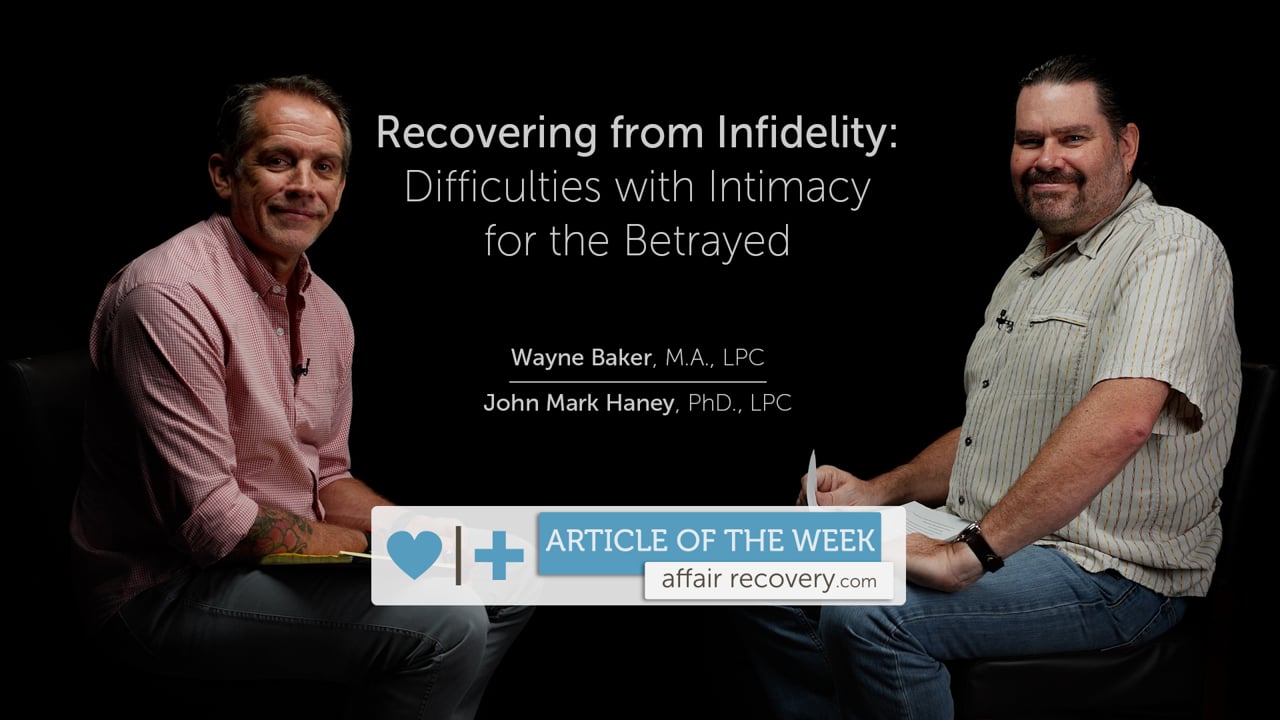
Recovering from Infidelity: Difficulties with Intimacy
A 3 Part Series
Part 1: Difficulties with Intimacy
Part 2: Difficulties with Intimacy for the Betrayed
Part 3: Difficulties with Intimacy for the Unfaithful
For couples devastated by infidelity, the marriage bed can seem like an untouchable subject, if not absolutely taboo. From comparisons to the affair partner to triggers and reminders or unhelpful and incompetent advice, it can seem impossible to find your way through.
Where do you turn when you feel overwhelmed by sadness, grief, and fear as it relates to sexuality and reclaiming the marriage bed? Who can you trust? Whose advice can you seek?
Speaking from experience, I implore you to run to trained professionals who have navigated this road and healed. Run to those who have experienced…
Continue reading →
Hope Rising 2020 Announcement
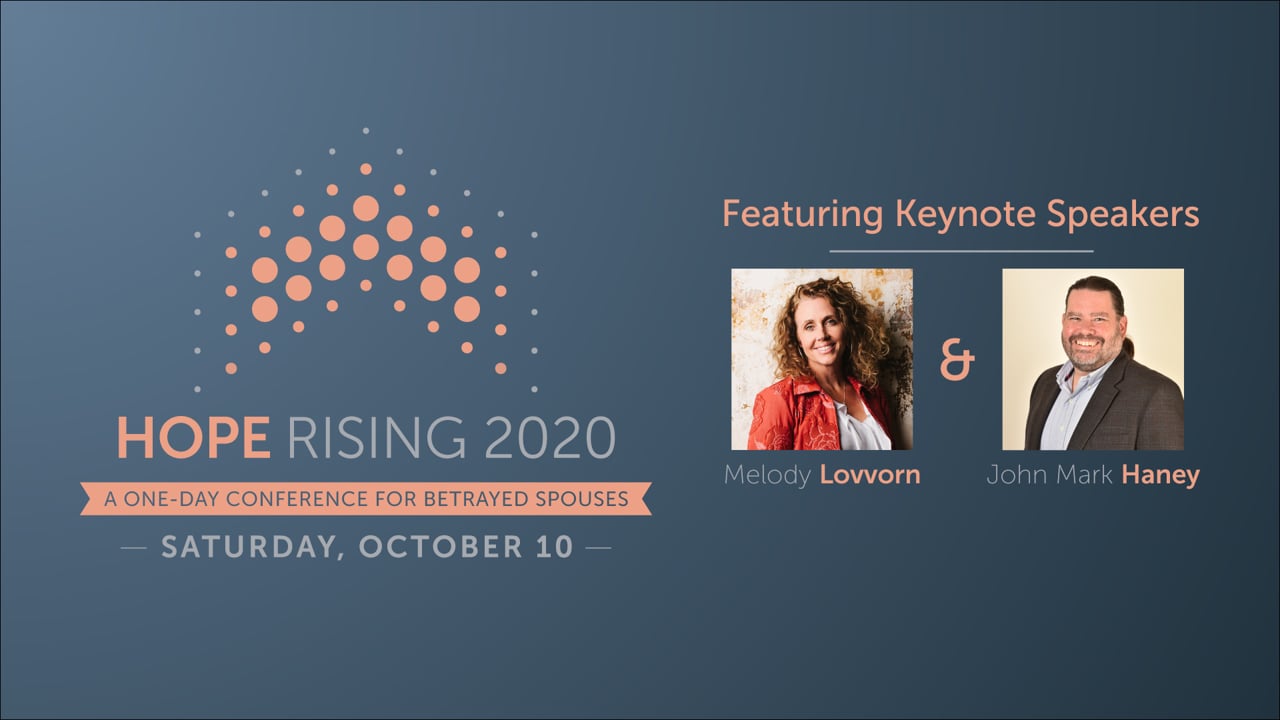
If you're the betrayed spouse, I want to invite you to our 3rd Annual Hope Rising Conference, (now Virtual!) where speakers will speak into your specific situation of infidelity and help guide you through the recovery process. It's not as hopeless as you think.
Sign Up Now!
"It is possible to get to the point where you don't think about this every day. Where you're not triggered, and you can begin to believe the best again."
– Samantha, Hope Rising 2019 Speaker
We are excited to announce that registration is open for our Third Annual Hope Rising Conference! We understand the pain and turmoil that betrayal brings. This one-day, virtual event for betrayed spouses features infidelity experts and survivors who want to share insights, strategies, resources, and hope with YOU.
Here is a special message from our Co…
Continue reading →
Hope Rising 2020 Live Stream Feed
Times are in Central Standard Time | [email protected] | #hoperising2020
The Live Stream Has Ended, Thank You For Watching!
The On-Demand Recording will be available on your "My Dashboard" on October 30th!
BREAKOUT OPTIONS
11:45 - 1:20 Central Standard Time
Please Do Not Click The Link Before 11:45
The Women's Breakout & Small Groups are for women only and vice versa for the Men's. No spouses please.
Breakout dial-in phone instructions can be found here.
WOMEN'S BREAKOUT & SMALL GROUPS
MEN'S BREAKOUT & SMALL GROUPS
Agenda
9:00 Session One
Melody Lovvorn - Hope in the Darkness, Opening Keynote
Rick Reynolds - The Ten Most Common Mistakes Parents Make when Dealing with Infidelity
Break
10:30 Session Two
Wayne Baker - Healing from the Inside Out
Leigh Ashley - Infidelity and Codependency: Understanding the Dynamic and How to Heal
11:45 - 12:20 Breakout Presentations Click Links Below
WOMEN'S BREAKOUT & SMALL GROUPS
MEN'S BREAKOUT & SMALL GROUPS
12:20 - 1:20 Lunch Small Groups
Lunch Discussion Questions:
Share your first name and how long since discovery/disclosure.
In two minutes or less tell us why you are joining the Hope Rising conference this year?
What is the most challenging aspect of your recovery process so far?
What have you learned about yourself during the recovery process?
What is something from the morning sessions that inspires you or gives you hope?
What is something you want to start doing that you aren't currently doing?
What is something that you want to stop doing that you are currently doing?
How will you continue to find support and seek healing after this conference?
1:25 Session Three
Alejandro Cornejo - Developing a Mindset for Recovery and Healing
Leslie Hardie - The Heart of the Matter
Break
2:45 Session Four
Couples' Panel
Lynn - You Want Me to What?
Dr. John Haney - Look Back but Don't Stare, Closing Keynote
Harboring Hope Online Course
This course is a lifeline for betrayed spouses. It puts you in community with 4 other betrayed spouses and a Group Leader who has been in your shoes and gets what you're going through. It's authors are presenting here at Hope Rising 2020, Leslie Hardie LCSW and Dr. John Haney PhD LPC-s. It sells out very quickly each month so join the registration notification email list so you don't miss out.
Join The Notification List
Learn More About Harboring Hope
Donate To The Scholarship Program
Help us raise funds for those who can't afford to get help!
Donate Here
Watch the Stories of Each Couple On the Couples' Panel
Couples Panel Videos
Speakers
 Melody Lovvorn
Opening Keynote: Hope in the Darkness
Melody is a sought-after speaker, relationship & recovery coach, podcast co-host, and an advocate for encouraging people to rise up in spite of their circumstances. She is co-founder of the non-profit Undone Redone and was in the nationally released feature film, The Heart of Man.
Eight years into marriage, Melody's life looked like a beautiful tapestry that was perfectly coming together: four happy children under the age of 6; a career as a fitness instructor; serving in her local church and community with an amazing husband by her side--until she was blinded-sided by her husband's infidelity.
In the midst of the chaos, carpool and confusion, Melody discovered that going into and through the pain was the only way out of the pain. She reluctantly chose to embark upon a personal journey of healing and self-discovery. Melody is passionate about speaking on a number of topics and believes that stewarding the pain of our past breathes hope into another person's future.
Melody Lovvorn
Opening Keynote: Hope in the Darkness
Melody is a sought-after speaker, relationship & recovery coach, podcast co-host, and an advocate for encouraging people to rise up in spite of their circumstances. She is co-founder of the non-profit Undone Redone and was in the nationally released feature film, The Heart of Man.
Eight years into marriage, Melody's life looked like a beautiful tapestry that was perfectly coming together: four happy children under the age of 6; a career as a fitness instructor; serving in her local church and community with an amazing husband by her side--until she was blinded-sided by her husband's infidelity.
In the midst of the chaos, carpool and confusion, Melody discovered that going into and through the pain was the only way out of the pain. She reluctantly chose to embark upon a personal journey of healing and self-discovery. Melody is passionate about speaking on a number of topics and believes that stewarding the pain of our past breathes hope into another person's future.
 John Mark Haney
PhD, LPC | Member, Affair Recovery Specialist Panel
Closing Keynote: Look Back but Don't Stare
John is a wise and compassionate psychotherapist with more than 15 years of experience in private practice. He earned his PhD from the University of Texas at Austin. While experienced in multiple issues and modalities, John is best-known for his work in recovery from the pain of infidelity, as well as related work in recovery from sexual shame and trauma. John and his wife Leslie co-wrote Harboring Hope, an online program for betrayed spouses. They serve together on the Affair Recovery Specialist Panel. John brings an eclectic and existential approach to counseling, believing his goal is not just to help clients cope with current or past pain, but to find new life and meaning beyond their suffering and confusion. John has been trained and certified in sex therapy, Eye Movement Desensitization and Reprocessing (EMDR) and Emotional Transformation Therapy (ETT).
John Mark Haney
PhD, LPC | Member, Affair Recovery Specialist Panel
Closing Keynote: Look Back but Don't Stare
John is a wise and compassionate psychotherapist with more than 15 years of experience in private practice. He earned his PhD from the University of Texas at Austin. While experienced in multiple issues and modalities, John is best-known for his work in recovery from the pain of infidelity, as well as related work in recovery from sexual shame and trauma. John and his wife Leslie co-wrote Harboring Hope, an online program for betrayed spouses. They serve together on the Affair Recovery Specialist Panel. John brings an eclectic and existential approach to counseling, believing his goal is not just to help clients cope with current or past pain, but to find new life and meaning beyond their suffering and confusion. John has been trained and certified in sex therapy, Eye Movement Desensitization and Reprocessing (EMDR) and Emotional Transformation Therapy (ETT).
 Rick Reynolds
LCSW, President and Founder of Affair Recovery
The Ten Most Common Mistakes Parents Make when Dealing with Infidelity
As one of America's foremost authorities helping individuals and couples struggling with affairs and compulsive sexual behaviors, Rick brings over 30 years of experience and insight to his role as president and founder of Affair Recovery.. He has authored numerous recovery guides, curricula and papers detailing reasons why people cheat, how couples can overcome the pain, heartache and distrust, and ways to move forward both individually and as a couple. Rick utilizes his personal recovery experience, gift of humility and non-judgmental nature to help restore lives impacted by infidelity.
Rick Reynolds
LCSW, President and Founder of Affair Recovery
The Ten Most Common Mistakes Parents Make when Dealing with Infidelity
As one of America's foremost authorities helping individuals and couples struggling with affairs and compulsive sexual behaviors, Rick brings over 30 years of experience and insight to his role as president and founder of Affair Recovery.. He has authored numerous recovery guides, curricula and papers detailing reasons why people cheat, how couples can overcome the pain, heartache and distrust, and ways to move forward both individually and as a couple. Rick utilizes his personal recovery experience, gift of humility and non-judgmental nature to help restore lives impacted by infidelity.
 Leslie Hardie
LCSW | Member, Affair Recovery Specialist Panel
The Heart of the Matter
Anyone who has had the excruciatingly painful experience that comes from a spouse's infidelity knows that the recovery, whether the marriage is reconciled or not, takes time, energy and gut wrenching labor. In the beginning, it can seem like it's an all consuming journey of agony and frustration. However, with time and concerted effort, genuine and even surprising good can come from the devastation and traumatic events. The heart, however, requires its own special attention. Leslie will guide you through restoring your shattered heart.
Leslie Hardie
LCSW | Member, Affair Recovery Specialist Panel
The Heart of the Matter
Anyone who has had the excruciatingly painful experience that comes from a spouse's infidelity knows that the recovery, whether the marriage is reconciled or not, takes time, energy and gut wrenching labor. In the beginning, it can seem like it's an all consuming journey of agony and frustration. However, with time and concerted effort, genuine and even surprising good can come from the devastation and traumatic events. The heart, however, requires its own special attention. Leslie will guide you through restoring your shattered heart.
 Wayne Baker
MA, LPC | Member, Affair Recovery Specialist Panel
Healing from the Inside Out
Before receiving his master's in counseling from St. Edwards University in Austin, TX, he worked for his father's typesetting business, and various sales, advertising and marketing positions at Dell. He also taught middle school math while attending graduate school. In 2005 Wayne joined the staff at Crossroads Counseling Associates and began specializing in helping couples and individuals heal after infidelity. He also leads marriage retreats, couples intensives, and speaks at universities and conferences. People say that Wayne is kind and compassionate but not afraid of conflict even in the most difficult relationship issues. Wayne is trained in numerous modalities and techniques including Gottman Couples Therapy levels I, II, & III, Emotion Focused Couples Therapy, EMDR levels I & II, Internal Family Systems levels I & II, Enneagram with Suzanne Stabile, Neurobiology of Trauma with Janina Fisher, Yoga Teacher Training 200 & 300.
Wayne's Presentation Handout: Internal Family Systems PDF
Wayne Baker
MA, LPC | Member, Affair Recovery Specialist Panel
Healing from the Inside Out
Before receiving his master's in counseling from St. Edwards University in Austin, TX, he worked for his father's typesetting business, and various sales, advertising and marketing positions at Dell. He also taught middle school math while attending graduate school. In 2005 Wayne joined the staff at Crossroads Counseling Associates and began specializing in helping couples and individuals heal after infidelity. He also leads marriage retreats, couples intensives, and speaks at universities and conferences. People say that Wayne is kind and compassionate but not afraid of conflict even in the most difficult relationship issues. Wayne is trained in numerous modalities and techniques including Gottman Couples Therapy levels I, II, & III, Emotion Focused Couples Therapy, EMDR levels I & II, Internal Family Systems levels I & II, Enneagram with Suzanne Stabile, Neurobiology of Trauma with Janina Fisher, Yoga Teacher Training 200 & 300.
Wayne's Presentation Handout: Internal Family Systems PDF
 Leigh Ashley
MA, LMFT-S, CCTP | Member, EMS Weekend Retreat Team
Infidelity and Codependency:
Understanding the Dynamic and How to Heal
Leigh is a Licensed Marriage & Family Therapist, coach and consultant who works with individuals and couples to live their best lives. Leigh believes that the intelligent, kind, and fearless application of biblical principles and modern scholarship create a powerful combination to free people from the effects of traumas, infidelity, codependency, and acute distress.
Leigh has a flourishing private practice whereby the Body of Christ is expanded and edified. She is trained in a variety of clinical and practical tools including Emotional Transformation Therapy (ETT), Eye Movement Desensitization and Reprocessing (EMDR), Internal Family Systems Therapy (IFS), and is a Certified Clinical Trauma Professional (CCTP). She continues to broaden her expertise to clients through training in intimacy, infidelity, addiction, childhood trauma, faith issues, and neuroscience, however life experience remains an influential teacher.
Leigh holds a degree in Professional Counseling from Texas State University where she graduated with honors. She has been married thirty years and has two grown children. All reside in Texas.
Leigh Ashley
MA, LMFT-S, CCTP | Member, EMS Weekend Retreat Team
Infidelity and Codependency:
Understanding the Dynamic and How to Heal
Leigh is a Licensed Marriage & Family Therapist, coach and consultant who works with individuals and couples to live their best lives. Leigh believes that the intelligent, kind, and fearless application of biblical principles and modern scholarship create a powerful combination to free people from the effects of traumas, infidelity, codependency, and acute distress.
Leigh has a flourishing private practice whereby the Body of Christ is expanded and edified. She is trained in a variety of clinical and practical tools including Emotional Transformation Therapy (ETT), Eye Movement Desensitization and Reprocessing (EMDR), Internal Family Systems Therapy (IFS), and is a Certified Clinical Trauma Professional (CCTP). She continues to broaden her expertise to clients through training in intimacy, infidelity, addiction, childhood trauma, faith issues, and neuroscience, however life experience remains an influential teacher.
Leigh holds a degree in Professional Counseling from Texas State University where she graduated with honors. She has been married thirty years and has two grown children. All reside in Texas.
 Lynn Marie Cherry
You Want Me To What?
Lynn is an engaging speaker and the author of Mem>Keep Walking, 40 Days to Hope and Freedom after Betrayal, an award-winning devotional helping betrayed spouses find a way through the pain and trauma. In 2005, Lynn and her husband David worked through a precursor to EMS online and Lynn did an early version of Harboring Hope. David and Lynn co-pastor Restoration Covenant Church in Round Rock, TX.
Lynn's Presentation Handout PDF
Lynn Marie Cherry
You Want Me To What?
Lynn is an engaging speaker and the author of Mem>Keep Walking, 40 Days to Hope and Freedom after Betrayal, an award-winning devotional helping betrayed spouses find a way through the pain and trauma. In 2005, Lynn and her husband David worked through a precursor to EMS online and Lynn did an early version of Harboring Hope. David and Lynn co-pastor Restoration Covenant Church in Round Rock, TX.
Lynn's Presentation Handout PDF
 Alejandro Cornejo
Developing a Mindset for Recovery and Healing
Alejandro is a Harboring Hope alumnus who has a deep passion for personal development and positively impacting the lives of others. He was married for 14 years and had two young children when he first learned about his wife's infidelity. He describes the experience as the most painful and traumatic event of his life up to that point. Being a man of strong faith, Alejandro committed himself to recovery and while his marriage did not survive, he is grateful that the experience served as an inflection point in his life that allowed him to grow in ways he never imagined. As a corporate leadership development trainer and coach, he leverages his communication skills to share his journey of infidelity recovery and divorce from the “male betrayed” perspective, which has been a valuable resource for many men and women who are also going through that experience. He resides in St. Louis, Missouri.
Breakout Dial-In Instructions
Find your dial-in number by clicking here.
Then enter the corresponding Meeting ID and Passcode.
Women's Meeting ID & Passcode:
Meeting ID: 980 4086 6913
Passcode: 889330
Men's Meeting ID & Passcode:
Meeting ID: 918 9048 7983
Passcode: 220207
Streaming Issues?
Here is a link to Vimeo's playback issue troubleshooting suggestions: https://help.vimeo.com/hc/en-us/articles/115015759328-Troubleshoot-video-playback-issues-
For Zoom troubleshooting, please see Zoom's Help Center.
Follow Us!
Twitter
Instagram
YouTube
Facebook
Alejandro Cornejo
Developing a Mindset for Recovery and Healing
Alejandro is a Harboring Hope alumnus who has a deep passion for personal development and positively impacting the lives of others. He was married for 14 years and had two young children when he first learned about his wife's infidelity. He describes the experience as the most painful and traumatic event of his life up to that point. Being a man of strong faith, Alejandro committed himself to recovery and while his marriage did not survive, he is grateful that the experience served as an inflection point in his life that allowed him to grow in ways he never imagined. As a corporate leadership development trainer and coach, he leverages his communication skills to share his journey of infidelity recovery and divorce from the “male betrayed” perspective, which has been a valuable resource for many men and women who are also going through that experience. He resides in St. Louis, Missouri.
Breakout Dial-In Instructions
Find your dial-in number by clicking here.
Then enter the corresponding Meeting ID and Passcode.
Women's Meeting ID & Passcode:
Meeting ID: 980 4086 6913
Passcode: 889330
Men's Meeting ID & Passcode:
Meeting ID: 918 9048 7983
Passcode: 220207
Streaming Issues?
Here is a link to Vimeo's playback issue troubleshooting suggestions: https://help.vimeo.com/hc/en-us/articles/115015759328-Troubleshoot-video-playback-issues-
For Zoom troubleshooting, please see Zoom's Help Center.
Follow Us!
Twitter
Instagram
YouTube
Facebook
Melody Lovvorn
Opening Keynote: Hope in the Darkness
Melody is a sought-after speaker, relationship & recovery coach, podcast co-host, and an advocate for encouraging people to rise up in spite of their circumstances. She is co-founder of the non-profit Undone Redone and was in the nationally released feature film, The Heart of Man.
Eight years into marriage, Melody's life looked like a beautiful tapestry that was perfectly coming together: four happy children under the age of 6; a career as a fitness instructor; serving in her local church and community with an amazing husband by her side--until she was blinded-sided by her husband's infidelity.
In the midst of the chaos, carpool and confusion, Melody discovered that going into and through the pain was the only way out of the pain. She reluctantly chose to embark upon a personal journey of healing and self-discovery. Melody is passionate about speaking on a number of topics and believes that stewarding the pain of our past breathes hope into another person's future.
John Mark Haney
PhD, LPC | Member, Affair Recovery Specialist Panel
Closing Keynote: Look Back but Don't Stare
John is a wise and compassionate psychotherapist with more than 15 years of experience in private practice. He earned his PhD from the University of Texas at Austin. While experienced in multiple issues and modalities, John is best-known for his work in recovery from the pain of infidelity, as well as related work in recovery from sexual shame and trauma. John and his wife Leslie co-wrote Harboring Hope, an online program for betrayed spouses. They serve together on the Affair Recovery Specialist Panel. John brings an eclectic and existential approach to counseling, believing his goal is not just to help clients cope with current or past pain, but to find new life and meaning beyond their suffering and confusion. John has been trained and certified in sex therapy, Eye Movement Desensitization and Reprocessing (EMDR) and Emotional Transformation Therapy (ETT).
Rick Reynolds
LCSW, President and Founder of Affair Recovery
The Ten Most Common Mistakes Parents Make when Dealing with Infidelity
As one of America's foremost authorities helping individuals and couples struggling with affairs and compulsive sexual behaviors, Rick brings over 30 years of experience and insight to his role as president and founder of Affair Recovery.. He has authored numerous recovery guides, curricula and papers detailing reasons why people cheat, how couples can overcome the pain, heartache and distrust, and ways to move forward both individually and as a couple. Rick utilizes his personal recovery experience, gift of humility and non-judgmental nature to help restore lives impacted by infidelity.
Leslie Hardie
LCSW | Member, Affair Recovery Specialist Panel
The Heart of the Matter
Anyone who has had the excruciatingly painful experience that comes from a spouse's infidelity knows that the recovery, whether the marriage is reconciled or not, takes time, energy and gut wrenching labor. In the beginning, it can seem like it's an all consuming journey of agony and frustration. However, with time and concerted effort, genuine and even surprising good can come from the devastation and traumatic events. The heart, however, requires its own special attention. Leslie will guide you through restoring your shattered heart.
Wayne Baker
MA, LPC | Member, Affair Recovery Specialist Panel
Healing from the Inside Out
Before receiving his master's in counseling from St. Edwards University in Austin, TX, he worked for his father's typesetting business, and various sales, advertising and marketing positions at Dell. He also taught middle school math while attending graduate school. In 2005 Wayne joined the staff at Crossroads Counseling Associates and began specializing in helping couples and individuals heal after infidelity. He also leads marriage retreats, couples intensives, and speaks at universities and conferences. People say that Wayne is kind and compassionate but not afraid of conflict even in the most difficult relationship issues. Wayne is trained in numerous modalities and techniques including Gottman Couples Therapy levels I, II, & III, Emotion Focused Couples Therapy, EMDR levels I & II, Internal Family Systems levels I & II, Enneagram with Suzanne Stabile, Neurobiology of Trauma with Janina Fisher, Yoga Teacher Training 200 & 300.
Wayne's Presentation Handout: Internal Family Systems PDF
Leigh Ashley
MA, LMFT-S, CCTP | Member, EMS Weekend Retreat Team
Infidelity and Codependency:
Understanding the Dynamic and How to Heal
Leigh is a Licensed Marriage & Family Therapist, coach and consultant who works with individuals and couples to live their best lives. Leigh believes that the intelligent, kind, and fearless application of biblical principles and modern scholarship create a powerful combination to free people from the effects of traumas, infidelity, codependency, and acute distress.
Leigh has a flourishing private practice whereby the Body of Christ is expanded and edified. She is trained in a variety of clinical and practical tools including Emotional Transformation Therapy (ETT), Eye Movement Desensitization and Reprocessing (EMDR), Internal Family Systems Therapy (IFS), and is a Certified Clinical Trauma Professional (CCTP). She continues to broaden her expertise to clients through training in intimacy, infidelity, addiction, childhood trauma, faith issues, and neuroscience, however life experience remains an influential teacher.
Leigh holds a degree in Professional Counseling from Texas State University where she graduated with honors. She has been married thirty years and has two grown children. All reside in Texas.
Lynn Marie Cherry
You Want Me To What?
Lynn is an engaging speaker and the author of Mem>Keep Walking, 40 Days to Hope and Freedom after Betrayal, an award-winning devotional helping betrayed spouses find a way through the pain and trauma. In 2005, Lynn and her husband David worked through a precursor to EMS online and Lynn did an early version of Harboring Hope. David and Lynn co-pastor Restoration Covenant Church in Round Rock, TX.
Lynn's Presentation Handout PDF
Alejandro Cornejo
Developing a Mindset for Recovery and Healing
Alejandro is a Harboring Hope alumnus who has a deep passion for personal development and positively impacting the lives of others. He was married for 14 years and had two young children when he first learned about his wife's infidelity. He describes the experience as the most painful and traumatic event of his life up to that point. Being a man of strong faith, Alejandro committed himself to recovery and while his marriage did not survive, he is grateful that the experience served as an inflection point in his life that allowed him to grow in ways he never imagined. As a corporate leadership development trainer and coach, he leverages his communication skills to share his journey of infidelity recovery and divorce from the “male betrayed” perspective, which has been a valuable resource for many men and women who are also going through that experience. He resides in St. Louis, Missouri.
Breakout Dial-In Instructions
Find your dial-in number by clicking here.
Then enter the corresponding Meeting ID and Passcode.
Women's Meeting ID & Passcode:
Meeting ID: 980 4086 6913
Passcode: 889330
Men's Meeting ID & Passcode:
Meeting ID: 918 9048 7983
Passcode: 220207
Streaming Issues?
Here is a link to Vimeo's playback issue troubleshooting suggestions: https://help.vimeo.com/hc/en-us/articles/115015759328-Troubleshoot-video-playback-issues-
For Zoom troubleshooting, please see Zoom's Help Center.
Follow Us!
Twitter
Instagram
YouTube
Facebook
Times are in Central Standard Time | [email protected] | #hoperising2020
The Live Stream Has Ended, Thank You For Watching!
The On-Demand Recording will be available on your "My Dashboard" on October 30th!
BREAKOUT OPTIONS
11:45 - 1:20 Central Standard Time
Please Do Not Click The Link Before 11:45
The Women's Breakout & Small Groups are for women only and vice versa for the Men's. No spouses please.
Breakout dial-in phone instructions can be found here.
WOMEN'S BREAKOUT & SMALL GROUPS
MEN'S BREAKOUT & SMALL GROUPS
Agenda
9:00 Session One
Melody Lovvorn - Hope in the Darkness, Opening Keynote
Rick Reynolds - The Ten Most Common Mistakes Parents Make when Dealing with Infidelity
Break
10:30 Session Two
…
Continue reading →
Surviving Infidelity Part 2: What Didn’t Work For Unfaithful Spouses
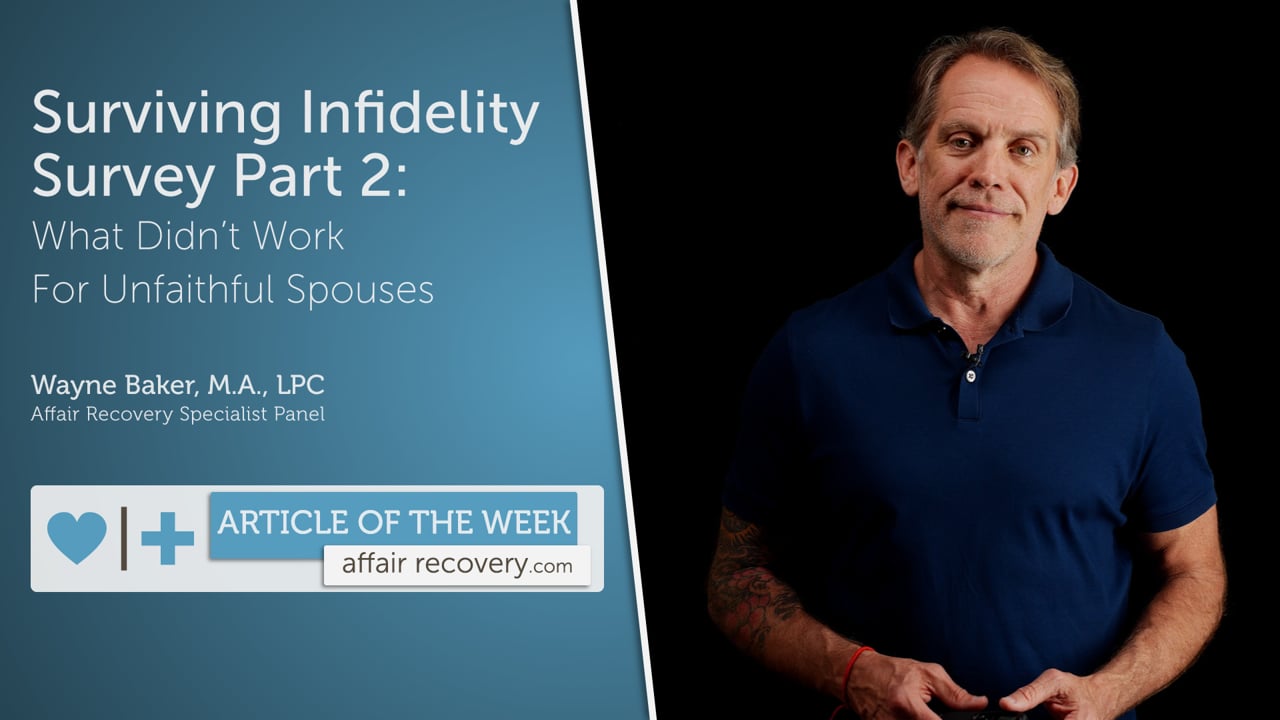
Surviving Infidelity Research: A Two Part Series
Part 1: What Do You Need to Know?
Part 2: Poor Recovery Decisions of Unfaithful Spouses
Hope For Healing provides a supportive non-judgmental environment for unfaithful spouses paired with expert content that can provide life-changing hope, clarity, and healing.
Hope For Healing
In a past survey of Affair Recovery readers, unfaithful spouses identified certain recovery decisions that proved to be unproductive or even harmful.
Here's the question, results and our commentary:
"What was the least productive thing you did after the infidelity came to light?"
27% Withheld information too long from spouse
25% Maintained contact with my affair partner
19% Wanted my spouse to just…
Continue reading →
"Why Do I Do What I Do?" Help for Unfaithful Spouses Who Are Trying to Make Sense out of It All
Samuel interviews author and therapist Eddie Capparucci about sex addiction.
Continue reading →
Loving Your Spouse through the Pain of Infidelity or Addiction
Samuel discusses a necessary tool for those stuck in crisis.
Continue reading →
Surviving Infidelity Part 1: What Do You Need to Know?
Surviving Infidelity Research: A Two Part Series
Part 1: What Do You Need to Know?
Part 2: Poor Recovery Decisions of Unfaithful Spouses
We've seen, time and time again, the important role that discovery plays in recovering from infidelity. Without full disclosure, the betrayed spouse is constantly replaying the story, trying to make sense of everything.
The most common reason for the unfaithful spouse to withhold information is that they fear it will be "too much," that the last detail will be the final straw, or that revealing the whole truth will be too painful. So the unfaithful spouse will deliver "trickle truths," just trickling out information slowly over time.
Unfaithful spouses, hear me when I say that this is absolute torture for your betrayed spouse. Each time they get new information—even a little piece of…
Continue reading →
How We Made It to the Other Side: Overcoming Infidelity
Samuel his friends Hank and Aixa as they share their own story of healing from infidelity.
Continue reading →
Infidelity and Suffering: How to Move Forward in Uncertainty
Samuel discusses suffering, belief systems, and how both partners can heal after disclosure.
Continue reading →
Does Time Heal All Wounds? Healing After An Affair
Have you ever suffered an injury and ignored it? It's embarrassing to admit, but years ago I damaged the soft tissue in my shoulder, and instead of seeking help, I coped, adjusted, and went on with life. I mistakenly believed that if I carefully protected my shoulder, it would heal on its own. Ultimately, I had to accept that my plan didn't work; by the time I sought help, I needed to have surgery.
The old saying "time heals all wounds" isn't necessarily true for shoulder injuries, and it isn’t true for healing after an affair. It's not time that heals all wounds, but rather, it's a matter of how that time is spent.
Postponing Recovery is Costly
While talking to one of our mentor couples, I asked, "In retrospect, what did you not know that you needed to know after the affair was discovered?"
The betrayed spouse…
Continue reading →