
How to Forgive When You Can't Forget
Whether it's been months or years, carrying the weight of betrayal can feel like something you'll never be able to set down. You'd let it go if you could, but forgiving feels like saying it was okay, or letting them off the hook. In this episode, Jeremy sits down with Affair Recovery's expert therapists to answer listener questions about how to forgive when you can't forget, sharing what forgiveness looked like in their own recovery and clearing up what forgiveness is and what it isn't: not forgetting, not reconciling, and not saying it was okay. Forgiveness won't erase what happened, but it can remove the barrier that keeps you from healing.
Continue reading →
Surviving An Affair: Your 5-Step Emergency Guide
Everyone who arrives here has been handed a label that comes with a non-negotiable assignment. It reads betrayed, unfaithful, or both, and the assignment is recovering from the devastation that has been caused.
Betrayed spouses, what happened is not a reflection of who you are. Infidelity trauma will not define you forever, but right now it does, and I respect the betrayed too much to say otherwise.
Unfaithful spouses, stepping out of your terrible situation and showing up is a huge step. It means you are committing to the next right decision today, and every day after. The past cannot be changed, but the direction you are going can.
From circling the drain to finding life on the other side, following are five S’s for the beginning of your recovery roadmap.
Join other betrayed mates on the path to healing with our life…
Continue reading →
His Addiction, Her Affair: Healing When Both Are Betrayed
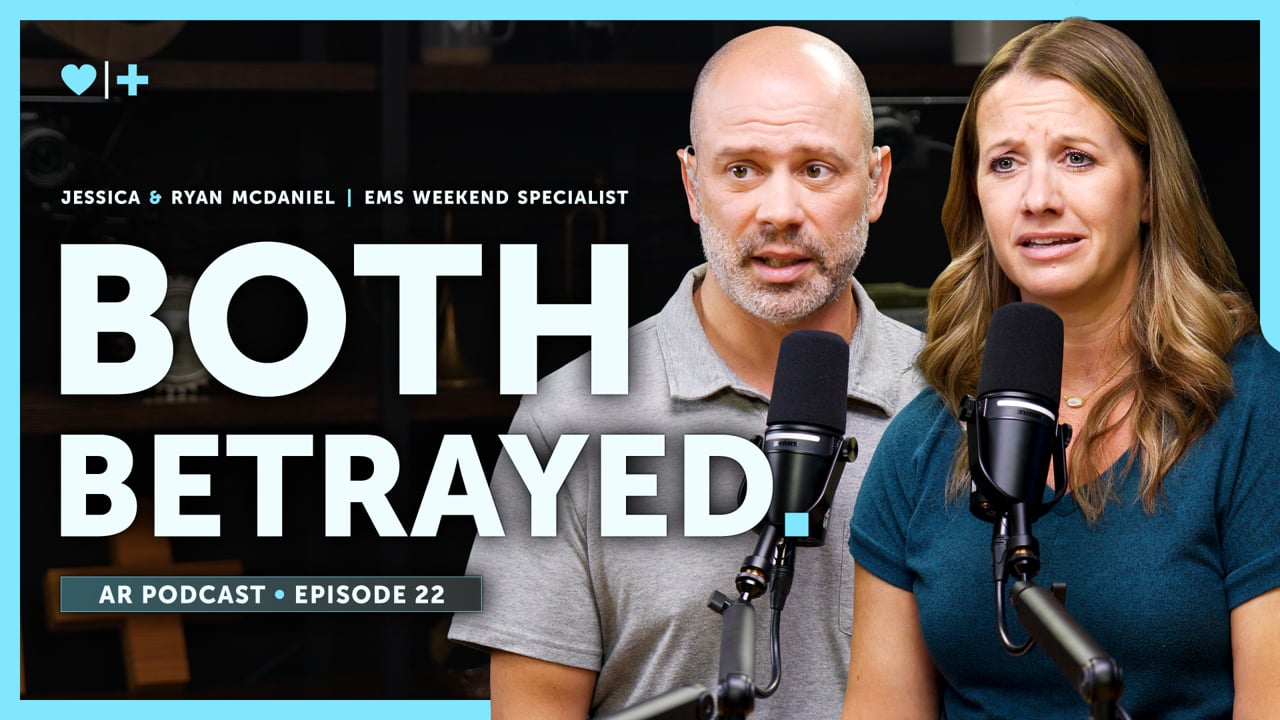
When betrayal runs in both directions, it's hard to know whose healing comes first, or whether healing is possible at all. In this episode, we sit down with Jessica and Ryan McDaniel, two of Affair Recovery's EMS Weekend therapists, as they share their own story: Ryan’s addiction, Jessica’s affairs, and the years of trickle truth before the whole story finally came out. Twenty years in, their marriage is living proof that betrayal doesn't have to define your story.
Continue reading →
Enter Drawing for Harboring Hope for Free
 Welcome to Affair Recovery's Harboring Hope Monthly Drawing. We want to know you. We want to serve you. This means we want to hear from you!
The first step is telling us what we can do for you. Please tell us why you’d like to take Harboring Hope. If you made a comment prior to a previous registration period, that comment is still good for your entry.
Remember, submit a comment of 500 words or less about why you'd like to take the Harboring Hope course. Remember, it's a random drawing so your entry won't be based on merit or on your situation. Comments will be moderated by AR staff. Drawings will be held monthly. If you'd like more information, you can also read our official rules.
The winner for September 2026 was "jmu"
with the entry "Like so many couples, my…"
Congrats, jmu!
The winner for July 2026 was "SheG."
with the entry "I have been through multiple...."
Congrats, SheG!
The winner for June 2026 was "Christy G."
with the entry "I have been married for...."
Congrats, Christy G.!
The winner for May 2026 was "Sonia"
with the entry "Beginning Hope"
Congrats, Sonia!
The winner for April 2026 was "Katie001"
with the entry "9 month on it's still so painful"
Congrats, Katie!
The winner for March 20026 was "SweatyYetiNZ"
with the entry "Help from a world away".
Congrats, SweatyYetiNZ!
The winner for Feb. 2026 was "JudyAnn9"
with the entry "I see no hope..."
Congrats, JudyAnn9!
The winner for January 2026 was "SFKP"
with the entry "While Again".
Congrats, SFKP!
The winner for December 2025 was "Ken15"
with the entry "Just passed 1 year mark".
Congrats, Ken!
Welcome to Affair Recovery's Harboring Hope Monthly Drawing. We want to know you. We want to serve you. This means we want to hear from you!
The first step is telling us what we can do for you. Please tell us why you’d like to take Harboring Hope. If you made a comment prior to a previous registration period, that comment is still good for your entry.
Remember, submit a comment of 500 words or less about why you'd like to take the Harboring Hope course. Remember, it's a random drawing so your entry won't be based on merit or on your situation. Comments will be moderated by AR staff. Drawings will be held monthly. If you'd like more information, you can also read our official rules.
The winner for September 2026 was "jmu"
with the entry "Like so many couples, my…"
Congrats, jmu!
The winner for July 2026 was "SheG."
with the entry "I have been through multiple...."
Congrats, SheG!
The winner for June 2026 was "Christy G."
with the entry "I have been married for...."
Congrats, Christy G.!
The winner for May 2026 was "Sonia"
with the entry "Beginning Hope"
Congrats, Sonia!
The winner for April 2026 was "Katie001"
with the entry "9 month on it's still so painful"
Congrats, Katie!
The winner for March 20026 was "SweatyYetiNZ"
with the entry "Help from a world away".
Congrats, SweatyYetiNZ!
The winner for Feb. 2026 was "JudyAnn9"
with the entry "I see no hope..."
Congrats, JudyAnn9!
The winner for January 2026 was "SFKP"
with the entry "While Again".
Congrats, SFKP!
The winner for December 2025 was "Ken15"
with the entry "Just passed 1 year mark".
Congrats, Ken!
Welcome to Affair Recovery's Harboring Hope Monthly Drawing. We want to know you. We want to serve you. This means we want to hear from you!
The first step is telling us what we can do for you. Please tell us why you’d like to take Harboring Hope. If you made a comment prior to a previous registration period, that comment is still good for your entry.
Remember, submit a comment of 500 words or less about why you'd like to take the Harboring Hope course. Remember, it's a random drawing so your entry won't be based on merit or on your situation. Comments will be moderated by AR staff. Drawings will be held monthly. If you'd like more information, you can also read our official rules.
The winner for September 2026 was "jmu"
with the entry "Like so many couples, my…"
Congrats, jmu!
The winner for July 2026 was "SheG."
with the entry "I have been through multiple...."
…
Continue reading →
Rebuilding What You Broke: Boundaries & Safety after Infidelity with Jim Ramos
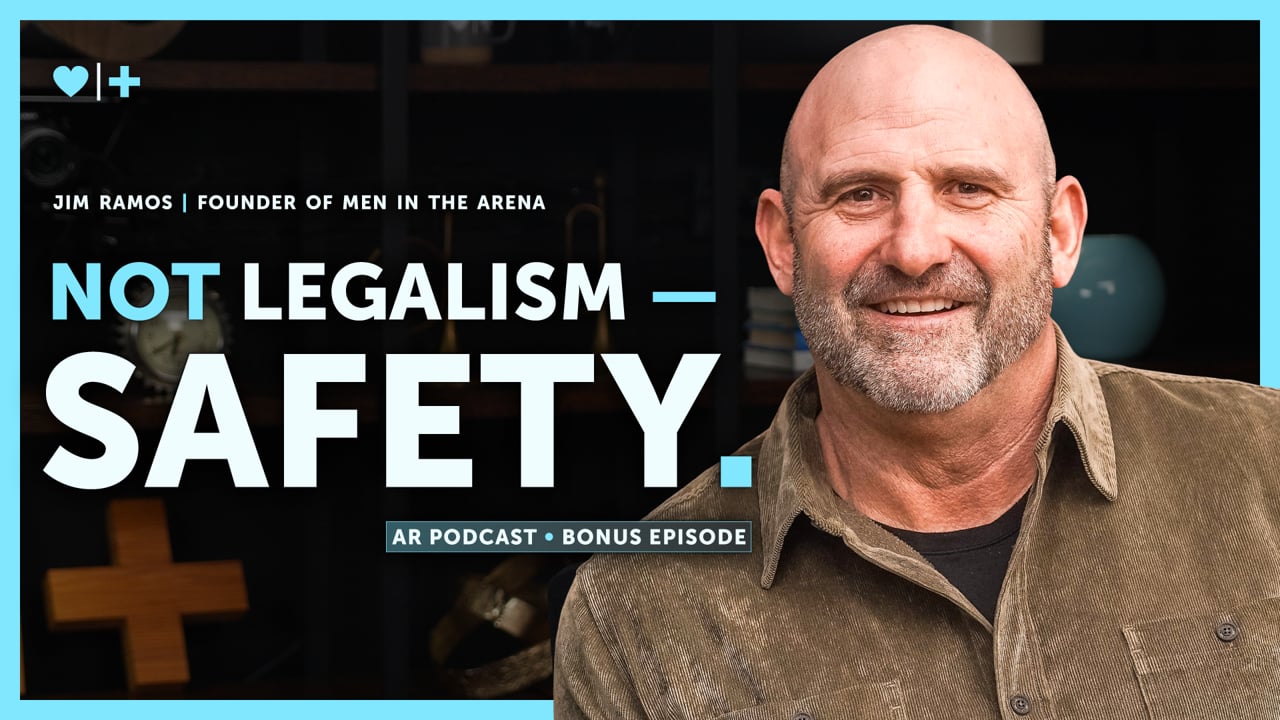
A promise is not a boundary. Saying “you can trust me” asks your spouse to feel safe; a boundary is what actually makes them safe. In this bonus episode, Jeremy and Rick Reynolds sit down with Jim Ramos, author of Guardrails and founder of Men in the Arena, who explains how a guardrail breach starts with something as small as a compliment and compounds from there, what your spouse is telling you when they ask for a boundary, and why being called legalistic may not be the insult it sounds like when your marriage is at stake.
Continue reading →
Silencing the Imposter: Finding True Validation in Recovery
 Healing from infidelity often leaves us questioning our fundamental worth and identity. Recently, I was meeting with a group of believers as we discussed our most recent book study. One of the members was talking about being “made in the image of God” and even though I have heard that phrase 500,000 times in my life, this time was different.
While sitting in my office chair on a video call, my inner self was whisked away to that place deep in my soul where big concepts begin. In that quiet place, the phrase 'made in His image' reverberated like a gong. Words began pinging against invisible walls: Wonderfully made. His character. Through me. For such a time as this.
All the bits and pieces of concepts and ideas and thoughts, and acquired knowledge from my entire lifetime and from a source outside myself were clanging and vibrating and moving until with a flash like lightning they all came together into the image of a new concept. One I actually had words for.
I “came to” in the meeting, totally lost as to what had been said, but buzzing with a brand new, life-altering concept. I waited for the words to finish forming, and for a space to speak, then shaking with nerves, I shared what I had learned.
We are created in the image of God. God is bigger and more infinite than any one human could ever fathom or be. There has never been a copy of any human in the entire history of the Earth. I am literally the only “me” that has ever existed or will ever exist. God made me. I am fearfully and wonderfully made. He created every part of me. Not only my physical appearance but also my character, my personality, everything about me. I am made in His image. SO…I am intentionally and specifically made in the image of specific and intentional characteristics and traits of God. I walk around with my own personal piece of Jesus living in my soul and I am the only person in all of history that can present it in the very “me” way.
What an incredible gift.
God has created each and every person in the history of all time past, present and future, to be a particular example of Him, if we will only recognize it and let Him show through. This also means that every person we come into contact with, also has a specific piece of Jesus living in them, even if they don’t know it yet, or choose not to show it, or have let the enemy cast a shadow over it.
It is there. In every person.
What if that is part of what it is to love like Jesus? To look at a person and see the piece of Him that exists within them? To look for the characteristics and traits of God that only they can portray to the world in the way He created them to. What if we looked for that in others?
In the wake of infidelity, looking at our spouse and trying to see the image of God in them can feel impossible. But what if we looked for the characteristics of God that they can portray, beneath the brokenness and the betrayal?
I will pray for help in getting there, not only with others, but with myself. As someone whose story has been deeply impacted by an addiction to validation, the approval of others, and an unhealthy need to be liked and wanted, this concept completely changes my perception of my recovery.
God gave me everything; God made me who I am. People don’t approve of the real “me”—they approve of the reflection of God that He placed in me. The character He gave me, the personality He placed there. No one can validate that except for Him. When the enemy whispers and tries to skew my worth—tempting me to seek validation in the world, or in the attention of others—I realize that it is just the world in them being drawn to the world in me. I don’t want that anymore.
My desperate need for outside attention and validation is exactly what Brennan Manning so aptly named “the imposter.” Because any part of me that craves those worldly things isn’t the real me at all. The real me is fearfully, wonderfully, and uniquely made in His image—and that is enough."
Healing from infidelity often leaves us questioning our fundamental worth and identity. Recently, I was meeting with a group of believers as we discussed our most recent book study. One of the members was talking about being “made in the image of God” and even though I have heard that phrase 500,000 times in my life, this time was different.
While sitting in my office chair on a video call, my inner self was whisked away to that place deep in my soul where big concepts begin. In that quiet place, the phrase 'made in His image' reverberated like a gong. Words began pinging against invisible walls: Wonderfully made. His character. Through me. For such a time as this.
All the bits and pieces of concepts and ideas and thoughts, and acquired knowledge from my entire lifetime and from a source outside myself were clanging and vibrating and moving until with a flash like lightning they all came together into the image of a new concept. One I actually had words for.
I “came to” in the meeting, totally lost as to what had been said, but buzzing with a brand new, life-altering concept. I waited for the words to finish forming, and for a space to speak, then shaking with nerves, I shared what I had learned.
We are created in the image of God. God is bigger and more infinite than any one human could ever fathom or be. There has never been a copy of any human in the entire history of the Earth. I am literally the only “me” that has ever existed or will ever exist. God made me. I am fearfully and wonderfully made. He created every part of me. Not only my physical appearance but also my character, my personality, everything about me. I am made in His image. SO…I am intentionally and specifically made in the image of specific and intentional characteristics and traits of God. I walk around with my own personal piece of Jesus living in my soul and I am the only person in all of history that can present it in the very “me” way.
What an incredible gift.
God has created each and every person in the history of all time past, present and future, to be a particular example of Him, if we will only recognize it and let Him show through. This also means that every person we come into contact with, also has a specific piece of Jesus living in them, even if they don’t know it yet, or choose not to show it, or have let the enemy cast a shadow over it.
It is there. In every person.
What if that is part of what it is to love like Jesus? To look at a person and see the piece of Him that exists within them? To look for the characteristics and traits of God that only they can portray to the world in the way He created them to. What if we looked for that in others?
In the wake of infidelity, looking at our spouse and trying to see the image of God in them can feel impossible. But what if we looked for the characteristics of God that they can portray, beneath the brokenness and the betrayal?
I will pray for help in getting there, not only with others, but with myself. As someone whose story has been deeply impacted by an addiction to validation, the approval of others, and an unhealthy need to be liked and wanted, this concept completely changes my perception of my recovery.
God gave me everything; God made me who I am. People don’t approve of the real “me”—they approve of the reflection of God that He placed in me. The character He gave me, the personality He placed there. No one can validate that except for Him. When the enemy whispers and tries to skew my worth—tempting me to seek validation in the world, or in the attention of others—I realize that it is just the world in them being drawn to the world in me. I don’t want that anymore.
My desperate need for outside attention and validation is exactly what Brennan Manning so aptly named “the imposter.” Because any part of me that craves those worldly things isn’t the real me at all. The real me is fearfully, wonderfully, and uniquely made in His image—and that is enough."
Healing from infidelity often leaves us questioning our fundamental worth and identity. Recently, I was meeting with a group of believers as we discussed our most recent book study. One of the members was talking about being “made in the image of God” and even though I have heard that phrase 500,000 times in my life, this time was different.
While sitting in my office chair on a video call, my inner self was whisked away to that place deep in my soul where big concepts begin. In that quiet place, the phrase 'made in His image' reverberated like a gong. Words began pinging against invisible walls: Wonderfully made. His character. Through me. For such a time as this.
All the bits and pieces of concepts and ideas and thoughts, and acquired knowledge from my entire lifetime and from a source outside myself were clanging and vibrating and moving until with a…
Continue reading →
Triggers After Infidelity: What To Do When They Hit
A song. A street you have to drive down. A photo your phone decides to resurface. You were fine five minutes ago and now you cannot breathe, and nobody warned you that this is what recovery would feel like. In Episode 21, our team focuses on 24/7 triggers: what they actually are, what to do when therapy or group is not available, and how the unfaithful can support their spouse in navigating these unexpected moments that rob everyday life.
Continue reading →
Grieving Betrayal
This article was written by an Affair Recovery alumna who was a betrayed female. We are passionate about our community members sharing their stories and insights as they move through the healing process. We hope the author of this article can be an encouragement and light to you today.
The Wound
If someone asked me to describe how I felt four years ago when I discovered my husband's infidelity, I would reply with words like indescribable pain and complete shock. But the truth is, these words don't even come close to describing how I truly felt as I watched my whole world crash in around me.
After a summer of sensing that something was not right in our marriage, I finally broke into my husband's email while I was at work one night. My thought had been that I would likely find evidence of an emotional affair, but what I…
Continue reading →
White-Knuckling vs True Recovery: The Road Map to Healing Sexual Addiction
What does a true recovery roadmap look like? Does reaching the final destination simply mean stopping the addictive behaviors? In Episode 20, we welcome back Matt Wenger, Clinical Director at the Begin Again Institute, for part two of a conversation on healing sexual addiction. We get practical about the difference between sobriety and recovery, signs that someone is ready to address his/her addiction, how an unfaithful spouse can support a traumatized partner while doing their own healing, and so much more. We believe that no matter how far away it feels you can find real intimacy again.Matt is the Executive Clinical Director of Begin Again Institute, a treatment center that offers 14-day Trauma Based Intensives for Men seeking recovery from porn and sex addiction. Begin Again Institute also offers intensives for Betrayed Partners. He has served more than 1,500 families in that setting…
Continue reading →
Does My Spouse Deserve Another Chance After Betrayal?
“Give everyone a second chance” used to be my motto … until I sat in the excruciating pain of my husband's affair. How to work through infidelity wasn’t in my wedding vows, and it's probably pretty safe to assume it wasn’t in yours either.
So why on earth would anyone agree to give their unfaithful spouse a second or, heaven forbid, a third chance to pull it together? I talk to people nearly every day who are in the midst of recovery, and I experienced two particularly poignant calls last week:
Heartbroken and filled with frustration, a betrayed wife asked me how many chances I think an unfaithful spouse should get. Her husband was in a limerent affair that he was struggling to end, and she was at the end of her rope.
The very next day, I was on a call with an unfaithful woman whose husband had been willing to work through her…
Continue reading →
Why is Trusting Again So Hard?
Have you ever wondered why it's so hard to reestablish trust? Just last week a couple in my office struggled with this reality. Johnathon felt he had displayed amazing progress with his attentiveness and follow through in the marriage. Sue, on the other hand, still saw him as self-centered and felt that he'd made no improvement at all. What makes our points of view differ so radically when it comes to behaviors within the marriage? (Please note: names have been changed to protect identities.)
Sanctity of the Topic
Couples fight because they are both right. I learned this long ago. No one would argue a topic, knowing they're wrong. Plain and simple, we fight when we believe we're right and the other person is wrong. The problem stems from the fact that we're not always on the same topic. Typically, one party speaks from the perspective of how…
Continue reading →
Understanding the Impact of Betrayal Trauma with Andrea Rogers
If you've ever wondered why nobody knew what to do with you after your world fell apart, you're not alone. In this bonus episode, board-certified betrayal trauma coach Andrea Rogers shares her own story of discovering a 12-year affair, the difference between real recovery and simply modifying behavior, and how her healing led her to launch Intimate Partner Betrayal Awareness Day on August 4th. Betrayal trauma is real, and so is the community of people who get it.Andrea Rogers is a Board Certified Coach and Certified Partner Coach with APSATS, known for her empowering voice for betrayed partners. With over 20 years of experience in emotional wellness and empowerment coaching , she is the founder of Fully Alive Coaching and the Intimate Partner Betrayal Alliance, along with the creation of Intimate Partner Betrayal Awareness Day.
Continue reading →
Anger: Its 6 Roots
It seems to me that much is written about managing anger, but not as much about the roots of our anger. If there is a universal emotion that we see as therapists when infidelity has been exposed, it's definitely anger.
Consider joining Hope for Healing where you'll find community for isolation and healing for shame —and that's just the beginning.
Learn More | Hope For Healing!
Whether it's anger at their spouse, themselves, or the whole world, anger is a very common part of disclosure. If reconciliation is going to happen, the anger has to be addressed. Many times, I have to help spouses realize that if they didn't care, they wouldn't be angry about it.
You are angry because your heart is broken.
Anger is generally a secondary emotion caused by other…
Continue reading →
Is My Spouse a Sex Addict? Signs, Hope and What to Do Next with Matt Wenger
Attempting to make sense of the affair is painfully confusing – especially when there are signs of sexual addiction. In Episode 19, Matt Wenger, Clinical Director at the Begin Again Institute, joins the podcast to explain how sex addiction looks different from other types of infidelity and what must be present for true recovery to occur within the addict. Matt shares a message that every betrayed spouse needs to hear: This is not your fault, your skepticism is protecting you, and you don't have to settle for anything less than a whole, authentic relationship. Matt is the Executive Clinical Director of Begin Again Institute, a treatment center that offers 14-day Trauma Based Intensives for Men seeking recovery from porn and sex addiction. Begin Again Institute also offers intensives for Betrayed Partners. He has served more than 1,500 families in that setting since 2019…
Continue reading →
The Biggest Myths About Unfaithful Wives
*Sensitivity Warning: Today, we are talking through common misunderstandings and misconceptions behind women who engage in affairs. If you find yourself early on in recovery or in a raw space, it might be triggering or frustrating to hear these explanations. If that happens to be the place you are in today, I understand, and I hope you stay with me.
Betrayed Men: You are widely underrepresented and under acknowledged in the infidelity recovery field. My hope is that we will address some challenges specific to you — because we see you, we know you are out there, and we want you to feel a little less alone.
Unfaithful Women: You've been misunderstood as well. My hope is that you can begin to untangle some of the common misconceptions about your affair.
Seductress. Temptress. Tease. Slut…
Continue reading →
Part of Me Wants to Stay. Part of Me Wants to Leave. Why?
If one part of you wants to stay and another part wants to leave, you already know how lonely and exhausting that inner standoff can be. Most people assume that if they could just make the decision, the pain would finally quiet down. In Episode 18, we are joined by Wayne Baker, LPC, a therapist who has been part of Affair Recovery for nearly 20 years and walked his own recovery from infidelity. We explore why none of your conflicting "parts" are bad, why feeling the feelings has to come before the clarity, and how community helps you stop carrying it alone. You don't have to have it figured out to take the next step.
Continue reading →
Fully Known, Fully Loved: How Ripping the Doors Off My Secrets Saved Me
 I am a Christian. It wasn’t until my husband discovered my infidelity that I started to truly understand what that means.
“Christian” was a persona I would take on Sunday mornings and around certain people then shove back in the "Christian" closet in my soul the rest of the time.
At one time, depending on who you were and what I thought you expected of me, you would have thought I was the most amazing Christian woman. Generous, kind, pious, thoughtful. I had morals of gold. I was still human, but willing to admit my failures and bring them to God. The kicker is, around you, I would have thought the same thing. When living out of my “Christian” closet, that is who I was.
When my husband discovered that I had been unfaithful, the ticking time bomb in one of my closets, marked “Do Not Enter”, went off and blew debris of the hidden me all over my inner hallway.
As I panicked and tried to sweep the rubble into a dark corner, I noticed the cracks and missing doors of my other closets. I didn’t know where things belonged, or where they came from. I didn’t know which closet was me. Who was I?
That question was answered for me in a song.
I was—and always will be—a Child of God.
I knew I had to empty out my closets. I fought God hard on this one, but He won. Two months after my husband's discovery, I ripped the door off more “Do Not Enter” closets. As I unpacked them, I started to share bits and pieces of their contents with him. I was afraid to share it all. What would happen then? With every new box, he realized more and more that I wasn’t the only one who didn’t know who I was.
He had no idea who he had married.
After some time, and prayer, he decided that he would stay to see who that person might be. So we began a long journey of figuring that out.
The more closets I opened and pulled into the hallway, the better, and more confused, I felt. I was ashamed of all the stage make-up, costumes, and masks I was surrounded by. What was I supposed to do with all of it? What would be left when all the closets were empty and demolished?
I needed help. I prayed, I went to counseling, then my husband found a video on YouTube. We watched video after video, talking, unpacking, devouring videos and the glimmer of hope we felt contained within them. We signed up for classes. I had one, he had one,
and we had one together. I finally had an answer. Those groups were like a troop of the most amazing angels, coming in and helping me clean and sort through the rubble. The content helped me decide what got tossed and what could stay. All the work and the support also helped me find one last closet. The groups couldn’t help me with this one though. The content couldn’t either. What they were able to do was point me to a therapist who could.
We found infidelity specific therapists. I saw someone, my husband saw someone, and we saw someone together. We didn’t have the money for any of it, but God provided in a way I had never given Him the chance to before. This last closet was opened slowly, lock by lock, until, finally, we were able to open the door and find…me. Me at 6 holding a box with my eyes closed and back turned hoping no one saw me. Me at 8 holding tight to a box that I was trying so hard to pretend was supposed to be there. Me at 13 hiding in a corner as far away from my box as I could get, crying and wishing I was anyone else. Me at 16 standing in front of a mirror holding too many boxes with tears streaming down my face. All the pieces of me that I had locked in that room.
This was why I didn’t know who I was. I didn’t want to know. I had spent my whole life adding parts of myself to that closet and adding locks to the door. After all my groups, all my work, all my lessons, I knew it was time to let them out. I had to. Not only did my husband need it, and my relationship need it, but I needed it.
It took me a week. I pulled each girl out, one by one, and together, in that hallway, with God holding us, we unpacked the boxes together and I wrote down what was inside. After all of the girls were out and all their boxes lying empty, we turned toward what had been in the other closets and took inventory of all that was there as well. Then came the hardest part.
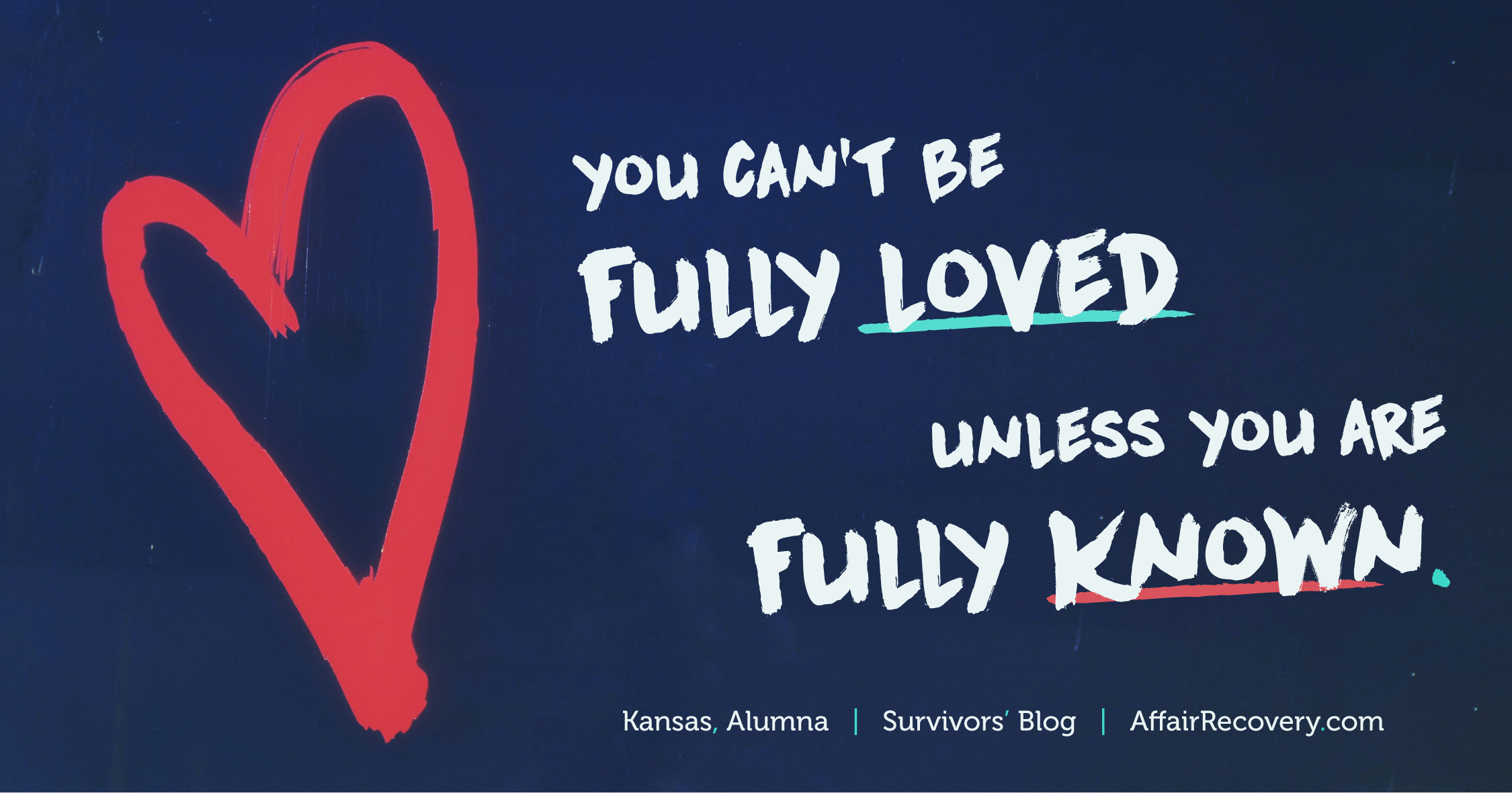
On my journey, I had been taught, “you can’t be fully loved, unless you are fully known”. God had helped me know myself, and start to love myself as He loves me. Now it was my husband's turn. I gave him the pages of inventory from my closets. Then, I sat quietly, arm-in-arm, with every piece of me that I had forced into hiding, as we let the most important person in our life see us for the first time.
We hugged as he cried. We stood together in peace in the face of his understandable anger.
Then, we took a polygraph so he would be able to believe us when we told him there was no more.
We all sat silently in the parking lot after passing—me and every one of those girls I’d hidden away—and waited for his reaction. This was it. He leaned in, hugged me, and asked me where we were going for our date day. As we drove to our destination, each one of me smiled and entered my heart all together in the light of acceptance. I finally knew who I was, and so did he, and he embraced me.
I am a Child of God. Crafted lovingly by the Creator of the Universe and, like all priceless works of art, I am flawed; but as any art collector will tell you, the flaws, the unique aspects, the bumps and imperfections, are exactly what makes it valuable and wanted.
I am a Christian. It wasn’t until my husband discovered my infidelity that I started to truly understand what that means.
“Christian” was a persona I would take on Sunday mornings and around certain people then shove back in the "Christian" closet in my soul the rest of the time.
At one time, depending on who you were and what I thought you expected of me, you would have thought I was the most amazing Christian woman. Generous, kind, pious, thoughtful. I had morals of gold. I was still human, but willing to admit my failures and bring them to God. The kicker is, around you, I would have thought the same thing. When living out of my “Christian” closet, that is who I was.
When my husband discovered that I had been unfaithful, the ticking time bomb in one of my closets, marked “Do Not Enter”, went off and blew debris of the hidden me all over my inner hallway.
As I panicked and tried to sweep the rubble into a dark corner, I noticed the cracks and missing doors of my other closets. I didn’t know where things belonged, or where they came from. I didn’t know which closet was me. Who was I?
That question was answered for me in a song.
I was—and always will be—a Child of God.
I knew I had to empty out my closets. I fought God hard on this one, but He won. Two months after my husband's discovery, I ripped the door off more “Do Not Enter” closets. As I unpacked them, I started to share bits and pieces of their contents with him. I was afraid to share it all. What would happen then? With every new box, he realized more and more that I wasn’t the only one who didn’t know who I was.
He had no idea who he had married.
After some time, and prayer, he decided that he would stay to see who that person might be. So we began a long journey of figuring that out.
The more closets I opened and pulled into the hallway, the better, and more confused, I felt. I was ashamed of all the stage make-up, costumes, and masks I was surrounded by. What was I supposed to do with all of it? What would be left when all the closets were empty and demolished?
I needed help. I prayed, I went to counseling, then my husband found a video on YouTube. We watched video after video, talking, unpacking, devouring videos and the glimmer of hope we felt contained within them. We signed up for classes. I had one, he had one,
and we had one together. I finally had an answer. Those groups were like a troop of the most amazing angels, coming in and helping me clean and sort through the rubble. The content helped me decide what got tossed and what could stay. All the work and the support also helped me find one last closet. The groups couldn’t help me with this one though. The content couldn’t either. What they were able to do was point me to a therapist who could.
We found infidelity specific therapists. I saw someone, my husband saw someone, and we saw someone together. We didn’t have the money for any of it, but God provided in a way I had never given Him the chance to before. This last closet was opened slowly, lock by lock, until, finally, we were able to open the door and find…me. Me at 6 holding a box with my eyes closed and back turned hoping no one saw me. Me at 8 holding tight to a box that I was trying so hard to pretend was supposed to be there. Me at 13 hiding in a corner as far away from my box as I could get, crying and wishing I was anyone else. Me at 16 standing in front of a mirror holding too many boxes with tears streaming down my face. All the pieces of me that I had locked in that room.
This was why I didn’t know who I was. I didn’t want to know. I had spent my whole life adding parts of myself to that closet and adding locks to the door. After all my groups, all my work, all my lessons, I knew it was time to let them out. I had to. Not only did my husband need it, and my relationship need it, but I needed it.
It took me a week. I pulled each girl out, one by one, and together, in that hallway, with God holding us, we unpacked the boxes together and I wrote down what was inside. After all of the girls were out and all their boxes lying empty, we turned toward what had been in the other closets and took inventory of all that was there as well. Then came the hardest part.
On my journey, I had been taught, “you can’t be fully loved, unless you are fully known”. God had helped me know myself, and start to love myself as He loves me. Now it was my husband's turn. I gave him the pages of inventory from my closets. Then, I sat quietly, arm-in-arm, with every piece of me that I had forced into hiding, as we let the most important person in our life see us for the first time.
We hugged as he cried. We stood together in peace in the face of his understandable anger.
Then, we took a polygraph so he would be able to believe us when we told him there was no more.
We all sat silently in the parking lot after passing—me and every one of those girls I’d hidden away—and waited for his reaction. This was it. He leaned in, hugged me, and asked me where we were going for our date day. As we drove to our destination, each one of me smiled and entered my heart all together in the light of acceptance. I finally knew who I was, and so did he, and he embraced me.
I am a Child of God. Crafted lovingly by the Creator of the Universe and, like all priceless works of art, I am flawed; but as any art collector will tell you, the flaws, the unique aspects, the bumps and imperfections, are exactly what makes it valuable and wanted.
I am a Christian. It wasn’t until my husband discovered my infidelity that I started to truly understand what that means.
“Christian” was a persona I would take on Sunday mornings and around certain people then shove back in the "Christian" closet in my soul the rest of the time.
At one time, depending on who you were and what I thought you expected of me, you would have thought I was the most amazing Christian woman. Generous, kind, pious, thoughtful. I had morals of gold. I was still human, but willing to admit my failures and bring them to God. The kicker is, around you, I would have thought the same thing. When living out of my “Christian” closet, that is who I was.
When my husband discovered that I had been unfaithful, the ticking time bomb in one of my closets, marked “Do Not Enter”, went off and blew debris of the hidden me all over my inner hallway.
…
Continue reading →
Was It Really Love? The Truth About My Spouse's Affair
They said things to that other person they never said to you. They did things with that other person they never did with you. And somehow, your spouse called it love. Now those texts, those voicemails, those images live rent-free inside your head.
I need to tell you something that took me almost two years to fully believe: What your spouse had with the affair partner (AP) wasn't love. It wasn't even close.
It has a name. It is brain chemistry. Once you see it for what it actually is, you can stop competing with a ghost.
Five years ago, I was holding in my hands the evidence of what my husband had done. My husband had been telling me for months, “I never loved her. I love YOU.” And now I was holding proof on my third D-Day (Discovery Day) that he was still lying.
I got up the courage to ask him: “If you were in love with her, why…
Continue reading →
Why It Happened Again: An Unfaithful Man's Story of Real Recovery
Surviving the trauma isn't the same as truly healing what caused it — and for Jason and Dara, the distance between those two things nearly cost them everything. In this bonus episode, Jason sits down to tell their full story: what was going on internally across multiple betrayals, why the first round of help didn't create real change, and what finally broke through. They're on the other side now, and what it took to get there is something every couple in early recovery needs to hear.
Continue reading →
Betrayal Trauma: How We Get Stuck in Trauma Bonds
Discovery of your spouse's affair or sexual addiction usually triggers a tidal wave of intense emotions. After the initial shock and confusion, most betrayed spouses struggle for quite some time to regain control over the turbulent emotions brought on by intrusive thoughts and reminders. In fact, Patrick Carnes, a pioneer in the treatment of sexual addiction, says that infidelity can be as traumatic as sexual assault.
When recovering from infidelity, it's important to understand how and why the experience changes our brain and our behavior. I'd like to talk about what betrayal trauma might look like for both the betrayed and the wayward spouses and how this shared trauma can result in unhelpful patterns—sometimes called trauma bonds.
What Does Trauma Look Like?
The trauma from betrayal creates the same symptoms as Post-Traumatic Stress Disorder …
Continue reading →
Trauma or Emotional Abuse? Gaslighting, Narcissism, and Lack of Empathy with Dr. Hawkins
You've tried everything but nothing changes. You may be wondering whether something deeper is going on. In Episode 17, our expert therapists are joined by Dr. David Hawkins, clinical psychologist and founder of the Marriage Recovery Center, to unpack the spectrum from narcissism to emotional immaturity, clarify what real remorse actually looks like, and work through a key question: is my mate in a season of affair fog, or is what I'm seeing a pervasive pattern? Whether you're newly in discovery or years in and still not seeing change, this episode offers hard-won clarity on what you're really dealing with — so you can start writing your own story.
Continue reading →
Getting Outside my Comfort Zone: The Awkward, Beautiful Work of Finding Authentic Friends
 After finding some semblance of stabilization and recovery following the revelation of my infidelity, we realized very quickly that we were going to have to leave the bubble we had created to protect ourselves while we healed. We were going to have to enter back into the real world – do tasks, talk to people, maybe even make friends.
Facing the "Yes" Friends and Popping the Bubble
That last one was a doozy for me. First of all, I was never good at making friends to begin with. Second, after D-day, I realized that every single friend I had was what I came to call a “yes” friend. In my pursuit of validation and rationalization (among other things), I had spent my whole teen and adult life surrounding myself with people who thought like I did, saw my problems the way I did, and told me everything I wanted to hear. Immediately after entering into recovery work, I cut ties with all of the friends I had made as an adult, especially all those who knew about my affairs. At the time, I did it because I was desperate to do everything I could to make my husband trust me again, but after a lot of work on myself, I kept those ties severed because I knew by then that they were not the kind of friendships I needed, or even wanted, anymore.
Ending my longest friendship was incredibly difficult, and it took a long time to finally tell her we were going our separate ways. It wasn’t that she was a "yes" friend; rather, I couldn't find a way to become the person I wanted to be while remaining in her life. I had spent years tailoring my identity to be whatever she needed me to be. Developing the sense of self required to break that pattern meant accepting that our connection was no longer healthy for me.
Looking in the Mirror: Who Am I?
As I prepared to step out of my bubble and reenter the world, my mind swirled with questions. Who was this new self? What made a good friend, and how would I find them? More importantly, was I actually showing up as the kind of friend I was looking for? In the past, I wasn’t.
To become a good friend, I had to start with myself. I needed to know who I was so I could be authentic in interactions that went deeper than the weather. Early in recovery, driven to overcome the shame of who I felt I had become, I wrote a list on my bathroom mirror of who God says I am. Looking at it daily, I finally realized that was my true identity. While I might still make choices that deviated from that core, awareness of my motivations would always bring me back to God’s intentional design.
But self-awareness could only take me so far on my own. I had practiced being my true self with my family, but now I had to do it with others. I knew not everyone would be safe, but I needed people who were authentic and brave enough to call me out if they saw me slipping. I didn’t want a lopsided relationship based solely on keeping me in line, though—I wanted an equal partnership of mutual accountability. I wanted to be a friend who could lovingly challenge wrong thinking without judgment, and I needed friends who would reciprocate. They didn't necessarily have to be Christian, but they did need to understand my values so they could tell me when I was falling away from the person I wanted to be.
The Three Dimensions of Community
I once read that a healthy community requires three types of people: those ahead to lift you up, those behind you can lift up, and those beside you to walk the path. I wanted that exact dynamic in my friendships. I looked for someone I admired who could speak into my life from a broader perspective, as well as someone a few steps behind who needed a safe space while they figured things out. Most of all, I craved a peer right beside me—someone to share the trials and victories of deep personal growth as we learned and evolved together. But I knew that equal partner would be the hardest one to find.
Flexing the Relational Muscle
The first place I looked was the environment that felt safest to me: Affair Recovery. Having been through both Hope for Healing and EMS Online, I was deeply familiar with the community. Since few people from my previous groups stayed connected after their courses ended, I figured the best way to anchor myself was to dive into becoming a group leader. I knew it wouldn’t automatically hand me friends, but it tapped perfectly into that "lifting others up" piece. It was a way to continue my own growth and practice authenticity, though I constantly had to remind myself that I wasn’t a savior or a hero. I had to maintain humility and relate to people on a peer level.
And boy, was that the best choice I could have made. It led me to my first real friend—another leader whom I deeply respected and who was further along in her recovery journey. I wanted so badly to be her friend, but I had no idea how to bridge the gap. Asking "Will you be my friend?" like a kindergartener felt way too scary.
Fortunately, I had my list of what a healthy friendship required, and top of the list was mutuality. Instead of unloading all my baggage and forcing her into a permanent mentor role, I started intentionally checking in on her. I’d ask how she was doing and if there was anything she wanted to share. I was genuinely interested, but I was also hyper-aware of my own tendencies. Before every interaction, I’d run through my internal checklist of blind spots. My communication was slow, overthought, awkward, and sometimes downright ugly. Yet, she never pushed. I never asked, but I think she knew exactly what I was doing. She had been there; she had the patience to let me figure myself out mid-conversation because she possessed a checklist of her own.
Over time, that relational muscle grew. The internal checks became second nature, and the friendship naturally deepened. Today, she is still my "ahead of me" friend, but we are truly there for each other. Looking back, this was the most pivotal connection of my recovery. It gave me a real-life blueprint for healthy community—teaching me what authenticity looks like, how to call someone out in love, and how to have the bravery to speak up when something feels off. Because of what I learned with her, I finally gained the confidence to reach out to others, build new friendships, and actually keep them healthy.
The Next Frontier: In-Person Friendships
I’d love to tell you I’m a pro now and surrounded by more friends than I can count. That’s not the case. While I now have a few deeply valued friends—women I can truly relate to without fear—the next step is finding local, in-person community. And that is much harder. Learning to navigate friendships with people who aren’t in recovery is a challenge; so many people out there are still hiding behind images and walls, with little desire to be authentic. Ironically, the church is where I want community the most, but it’s also been the hardest place to find it. People are trying so hard to be “good” that they forget to be real. However, I am hopeful. It is a work in progress.
The World Outside the Bubble
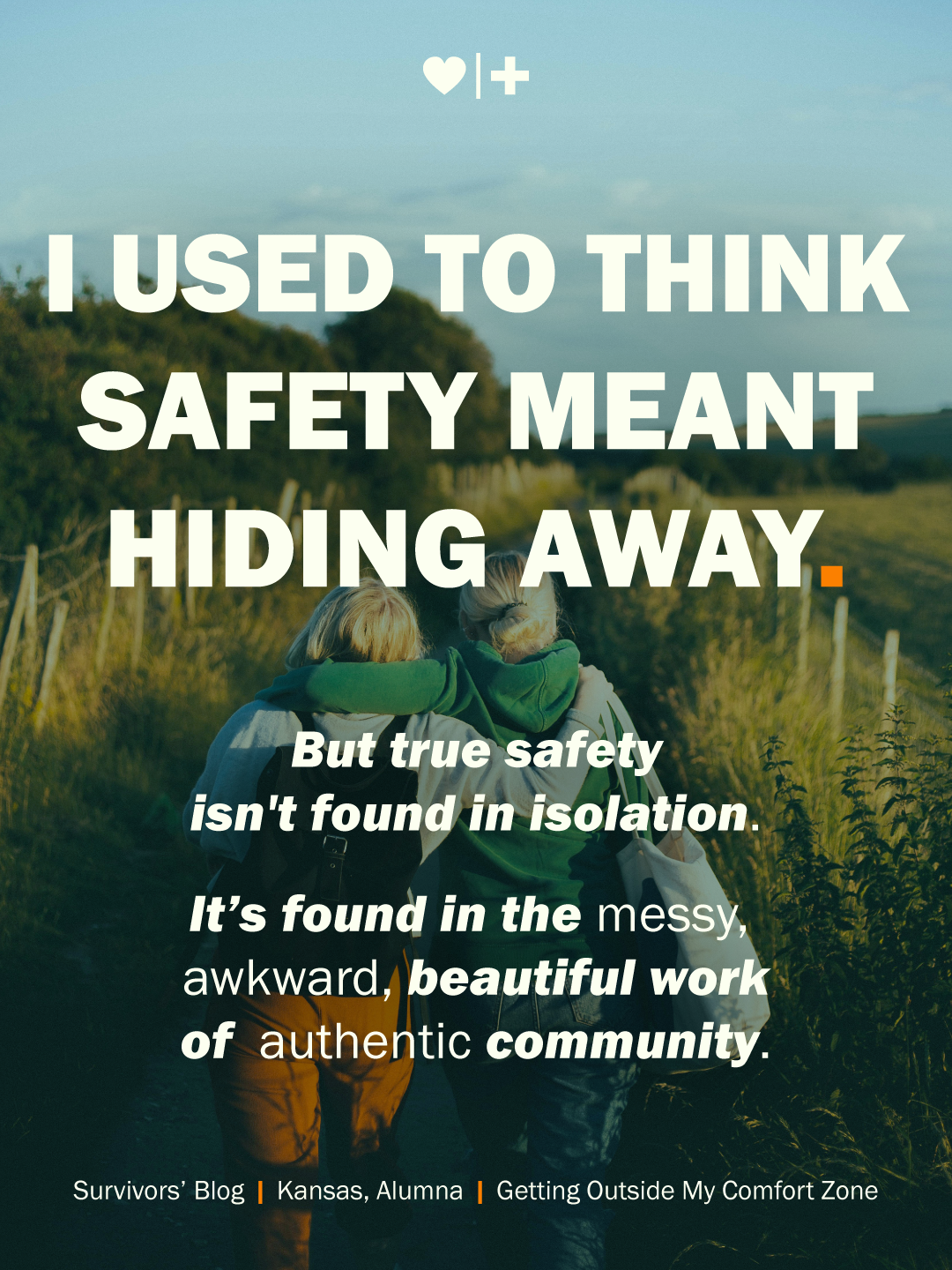
Stepping out of the protective bubble we built after D-day was easily one of the most terrifying things I’ve ever done. I used to think safety meant hiding away, surrounded only by "yes" friends who would never challenge the choices I made. But true safety, I’ve learned, isn't found in isolation—it’s found in the messy, awkward, beautiful work of authentic community.
I am still building my circle, and I am still looking for those peers to walk right beside me in everyday life. But today, I am no longer hiding. I am out in the real world, finally showing up as the friend God intentionally designed me to be, ready for whoever He puts in my path next.
“Sorry to see this [group] ending, but hopefully it is a
new beginning and we can continue in the next phase.
The support of a sisterhood is so valuable.
Thank you for your time and talents, for your
empathy and wisdom, and for your big hearts
for leading this group of women who
want to change for the better.”
- Hope for Healing Participant
After finding some semblance of stabilization and recovery following the revelation of my infidelity, we realized very quickly that we were going to have to leave the bubble we had created to protect ourselves while we healed. We were going to have to enter back into the real world – do tasks, talk to people, maybe even make friends.
Facing the "Yes" Friends and Popping the Bubble
That last one was a doozy for me. First of all, I was never good at making friends to begin with. Second, after D-day, I realized that every single friend I had was what I came to call a “yes” friend. In my pursuit of validation and rationalization (among other things), I had spent my whole teen and adult life surrounding myself with people who thought like I did, saw my problems the way I did, and told me everything I wanted to hear. Immediately after entering into recovery work, I cut ties with all of the friends I had made as an adult, especially all those who knew about my affairs. At the time, I did it because I was desperate to do everything I could to make my husband trust me again, but after a lot of work on myself, I kept those ties severed because I knew by then that they were not the kind of friendships I needed, or even wanted, anymore.
Ending my longest friendship was incredibly difficult, and it took a long time to finally tell her we were going our separate ways. It wasn’t that she was a "yes" friend; rather, I couldn't find a way to become the person I wanted to be while remaining in her life. I had spent years tailoring my identity to be whatever she needed me to be. Developing the sense of self required to break that pattern meant accepting that our connection was no longer healthy for me.
Looking in the Mirror: Who Am I?
As I prepared to step out of my bubble and reenter the world, my mind swirled with questions. Who was this new self? What made a good friend, and how would I find them? More importantly, was I actually showing up as the kind of friend I was looking for? In the past, I wasn’t.
To become a good friend, I had to start with myself. I needed to know who I was so I could be authentic in interactions that went deeper than the weather. Early in recovery, driven to overcome the shame of who I felt I had become, I wrote a list on my bathroom mirror of who God says I am. Looking at it daily, I finally realized that was my true identity. While I might still make choices that deviated from that core, awareness of my motivations would always bring me back to God’s intentional design.
But self-awareness could only take me so far on my own. I had practiced being my true self with my family, but now I had to do it with others. I knew not everyone would be safe, but I needed people who were authentic and brave enough to call me out if they saw me slipping. I didn’t want a lopsided relationship based solely on keeping me in line, though—I wanted an equal partnership of mutual accountability. I wanted to be a friend who could lovingly challenge wrong thinking without judgment, and I needed friends who would reciprocate. They didn't necessarily have to be Christian, but they did need to understand my values so they could tell me when I was falling away from the person I wanted to be.
The Three Dimensions of Community
I once read that a healthy community requires three types of people: those ahead to lift you up, those behind you can lift up, and those beside you to walk the path. I wanted that exact dynamic in my friendships. I looked for someone I admired who could speak into my life from a broader perspective, as well as someone a few steps behind who needed a safe space while they figured things out. Most of all, I craved a peer right beside me—someone to share the trials and victories of deep personal growth as we learned and evolved together. But I knew that equal partner would be the hardest one to find.
Flexing the Relational Muscle
The first place I looked was the environment that felt safest to me: Affair Recovery. Having been through both Hope for Healing and EMS Online, I was deeply familiar with the community. Since few people from my previous groups stayed connected after their courses ended, I figured the best way to anchor myself was to dive into becoming a group leader. I knew it wouldn’t automatically hand me friends, but it tapped perfectly into that "lifting others up" piece. It was a way to continue my own growth and practice authenticity, though I constantly had to remind myself that I wasn’t a savior or a hero. I had to maintain humility and relate to people on a peer level.
And boy, was that the best choice I could have made. It led me to my first real friend—another leader whom I deeply respected and who was further along in her recovery journey. I wanted so badly to be her friend, but I had no idea how to bridge the gap. Asking "Will you be my friend?" like a kindergartener felt way too scary.
Fortunately, I had my list of what a healthy friendship required, and top of the list was mutuality. Instead of unloading all my baggage and forcing her into a permanent mentor role, I started intentionally checking in on her. I’d ask how she was doing and if there was anything she wanted to share. I was genuinely interested, but I was also hyper-aware of my own tendencies. Before every interaction, I’d run through my internal checklist of blind spots. My communication was slow, overthought, awkward, and sometimes downright ugly. Yet, she never pushed. I never asked, but I think she knew exactly what I was doing. She had been there; she had the patience to let me figure myself out mid-conversation because she possessed a checklist of her own.
Over time, that relational muscle grew. The internal checks became second nature, and the friendship naturally deepened. Today, she is still my "ahead of me" friend, but we are truly there for each other. Looking back, this was the most pivotal connection of my recovery. It gave me a real-life blueprint for healthy community—teaching me what authenticity looks like, how to call someone out in love, and how to have the bravery to speak up when something feels off. Because of what I learned with her, I finally gained the confidence to reach out to others, build new friendships, and actually keep them healthy.
The Next Frontier: In-Person Friendships
I’d love to tell you I’m a pro now and surrounded by more friends than I can count. That’s not the case. While I now have a few deeply valued friends—women I can truly relate to without fear—the next step is finding local, in-person community. And that is much harder. Learning to navigate friendships with people who aren’t in recovery is a challenge; so many people out there are still hiding behind images and walls, with little desire to be authentic. Ironically, the church is where I want community the most, but it’s also been the hardest place to find it. People are trying so hard to be “good” that they forget to be real. However, I am hopeful. It is a work in progress.
The World Outside the Bubble
Stepping out of the protective bubble we built after D-day was easily one of the most terrifying things I’ve ever done. I used to think safety meant hiding away, surrounded only by "yes" friends who would never challenge the choices I made. But true safety, I’ve learned, isn't found in isolation—it’s found in the messy, awkward, beautiful work of authentic community.
I am still building my circle, and I am still looking for those peers to walk right beside me in everyday life. But today, I am no longer hiding. I am out in the real world, finally showing up as the friend God intentionally designed me to be, ready for whoever He puts in my path next.
“Sorry to see this [group] ending, but hopefully it is a
new beginning and we can continue in the next phase.
The support of a sisterhood is so valuable.
Thank you for your time and talents, for your
empathy and wisdom, and for your big hearts
for leading this group of women who
want to change for the better.”
- Hope for Healing Participant
After finding some semblance of stabilization and recovery following the revelation of my infidelity, we realized very quickly that we were going to have to leave the bubble we had created to protect ourselves while we healed. We were going to have to enter back into the real world – do tasks, talk to people, maybe even make friends.
Facing the "Yes" Friends and Popping the Bubble
That last one was a doozy for me. First of all, I was never good at making friends to begin with. Second, after D-day, I realized that every single friend I had was what I came to call a “yes” friend. In my pursuit of validation and rationalization (among other things), I had spent my whole teen and adult life surrounding myself with people who thought like I did, saw my problems the way I did, and told me everything I wanted to hear. Immediately after entering into recovery work, I cut…
Continue reading →
Help With Incessant Triggers and Reminders
Are you at a place where you can't seem to get away from the constant triggers and reminders of the affair? Are intrusive thoughts keeping you from sleep, work, or being able to function?
Did you know that in the early weeks following discovery, it is quite possible for the betrayed spouse to have several hundred of these a day? Will it ever get better? Will they lessen in frequency? Wayward spouses, does it seem that your mate can't do anything else but think about the affair and ask questions?
Even though I am extremely pragmatic by nature, I found myself needing many concepts simply and basically explained to me during my recovery from infidelity. Now that I am a Licensed Professional Counselor (LPC) and a member of Affair Recovery's Emergency Marriage Seminar (EMS) Weekend Specialist team, I must admit I made a LOT of mistakes in the…
Continue reading →
What is Healing?
Find guidance to healing after infidelity with EMS Online. This course is comprised of expert methodology honed from decades of experience exclusively in the field of infidelity to better serve couples as they address the betrayal, reconnect as partners and restore their lives.
Learn More | EMS Online
If you've ever read one of my emails, you may have noticed that my closing remark is always "To healing." Recently someone asked what that means to me? What is healing?
Webster's Dictionary says that it's "tending to cure or restore to health." All of us living on this planet are well aware of the wounds life brings and the need we all have for healing.
Healing enables me to wake each day feeling fortunate to be alive. It grants me freedom to live beyond the painful events of my past and…
Continue reading →
How to Heal the Anger That Won’t Let Go After Infidelity
The rage that comes after infidelity can make you feel like you've become someone you don't recognize — capable of words, actions, and emotional spirals you never thought possible. In Episode 16, our expert therapists, joined by EMS Weekend Clinical Contributor Brett Hart, LPC, open up with their own deeply personal stories of breaking down in anger, what they learned about the fear, shame, and grief that often sit beneath the rage, and the practical ways they channeled it without doing more damage to themselves or the people they love. If you're feeling stuck in anger you can't seem to shake, or watching it come out sideways in places it doesn't belong, this episode is a reminder that you're not crazy, you're not alone, and there is a way through.
Continue reading →
Understanding the Mind of the Unfaithful: Minimizing the Affair
To fully comprehend infidelity, we must acknowledge and understand many different influential components, not the least of which is secrecy. Secrecy plays a huge role in the wayward spouse's absence of guilt when violating commitments or morals. "No blood, no foul," right? When people pursue a course of action that benefits them but harms others, they try to minimize the consequences or altogether avoid looking at the harm they've caused. If minimization fails to work, then they will distort the consequences or choose not to believe the evidence. "As long as the harmful results of one's conduct are ignored, minimized, distorted, or disbelieved, there is little reason for self-censure to be activated."1
It takes a brave stubbornness to stay the course of truly believing you will never get caught. It's easier to harm others when their potential…
Continue reading →
Therapy, Groups, and Intensives: What Actually Works After an Affair?
Not all therapy is created equal – and after an affair, finding the right kind of help can feel like searching in the dark. In Episode 15, our expert therapists are joined by special guest, Candace, to talk about what quality care actually looks like, how to know if your therapist has the training your situation requires, what holistic care includes beyond the therapy room, and what to think about the rising trend of AI therapy. We live in a world overflowing with content — but discover why community is what actually heals.We created a resource to help you ask the questions and apply the principles talked about in this episode. Use our Finding Quality Care resource to discern your next step.
Continue reading →
10 Critical Recovery Mistakes to Avoid After an Affair
Most couples don't fail to heal from infidelity because they don't love each other; they fail because of 10 common mistakes that stall the recovery process and can even end it altogether.
We often make things worse because we’re operating out of shock and pain. I get it. I’ve been there, too. Whether you strayed or you were betrayed, today I’m giving you the manual we were never handed on our wedding day.
Don't Skip the Other List
You might be tempted to only read “your” list. That is a mistake in and of itself. If you’re the unfaithful spouse, you need to understand the betrayed partner's pitfalls so you can stop unintentionally triggering them! If you’re the betrayed, you need to hear the unfaithful’s list so you can understand why your partner is stonewalling.
Top 5 Mistakes: Unfaithful Partner
Unfaithful Partner Mistake #1
Not…
Continue reading →
The Hidden Cause of Affairs and Finding Answers with Jay Stringer
Whether you're an unfaithful spouse haunted by the desires that led you here, or a betrayed spouse grieving the unmet desires of a marriage that wasn't what you thought it was, your relationship with desire sits at the center of your recovery — even if you've never thought of it that way. In this bonus episode, therapist, author, and researcher Jay Stringer joins to talk about his new book Desire, why our culture's two dominant approaches to our core wants keep us stuck, and how getting curious about our desires — instead of condemning them — becomes the path toward real healing. If shame has been your primary tool for trying to recover, this conversation offers something different: a way through the pain that takes your desires seriously without letting them run your life.Jay Stringer is a licensed mental health counselor, researcher, and speaker who helps people uncover…
Continue reading →
Forgiving Infidelity: The Gift of Forgiveness
Join other betrayed mates on the path to healing with our life-changing Harboring Hope online course and start a better, brighter chapter.
Learn More | Harboring Hope
Long ago when I was first starting out in business, I had a friend who abused and misused me. The circumstance was simple. After committing to partner with me on a business plan, he told me he had found a more promising partner, took my idea and ran away. In the blink of an eye, I was on the outside, crushed by the fickle state of relationships. What I felt then were the same emotions many experience when first discovering infidelity. (Although, I recognize the intensity of the pain pales in comparison to what Stephanie experienced with my own betrayal over three decades ago).
When my business partner left me, at first, I felt devastated and alone. I wondered what was…
Continue reading →
